Skip to content

Deep Tissue Massage in Lakewood, Tennessee

Athletic strain calls for a careful assessment before hands-on care in Lakewood. We match pressure and soft tissue work to your symptoms, movement, and recovery goals.

Upfront, Transparent PricingServing 18 CommunitiesMon-Fri: 9 am–7 pm, Sat: 9 am–2 pm, Sun: ClosedFast Scheduling

Quick Summary: Deep Tissue Massage in Lakewood, Tennessee

Deep Tissue Massage for Lakewood is provided by Advanced Injury Care Clinic for athletic strain, muscle soreness, soft tissue tension, and movement limits. We serve Lakewood, Mount Juliet, Donelson, Antioch, and Nashville through individualized, evidence-informed care.

  • What we do: Advanced Injury Care Clinic provides Deep Tissue Massage in Lakewood, Tennessee, with soft tissue assessment and focused hands-on care.
  • What is included: Soft tissue therapy, muscle recovery support, flexibility work, posture guidance, and rehabilitation support.
  • What you get: Deep Tissue Massage supports easier movement and more comfortable muscle use after athletic strain or overuse.

Why does athletic soreness keep returning after exercise?

Recurring athletic soreness can reflect overuse, limited flexibility, or a movement pattern that keeps stressing the same tissue. Deep tissue massage may help address muscle tension, but an evaluation matters when pain persists, spreads, or affects normal movement. Advanced Injury Care Clinic reviews your symptoms before recommending hands-on care.

Deep Tissue Massage for Athletic Strain in Lakewood

Deep tissue massage suits people with sports-related soreness, muscle tightness, overuse concerns, or reduced flexibility. The goal is to understand what is limiting movement before choosing pressure, direction, and treatment focus.

Athletic strain does not always call for the same care. A sore muscle after training differs from pain linked to whiplash, a joint problem, or a more serious injury. We assess the history and symptoms, then decide whether soft tissue therapy fits the care plan.

This page helps you decide whether massage is a sensible next step for muscle recovery. It also explains what happens before treatment, what the session may include, and when chiropractic evaluation or rehabilitation support deserves priority.

  • Tell us which activity started the soreness and what movement now feels limited.
  • Share prior injuries, current symptoms, and any care you are already receiving.
  • Ask how soft tissue therapy fits with adjustments, exercises, or posture guidance.
  • Request an evaluation when pain persists or normal movement changes.
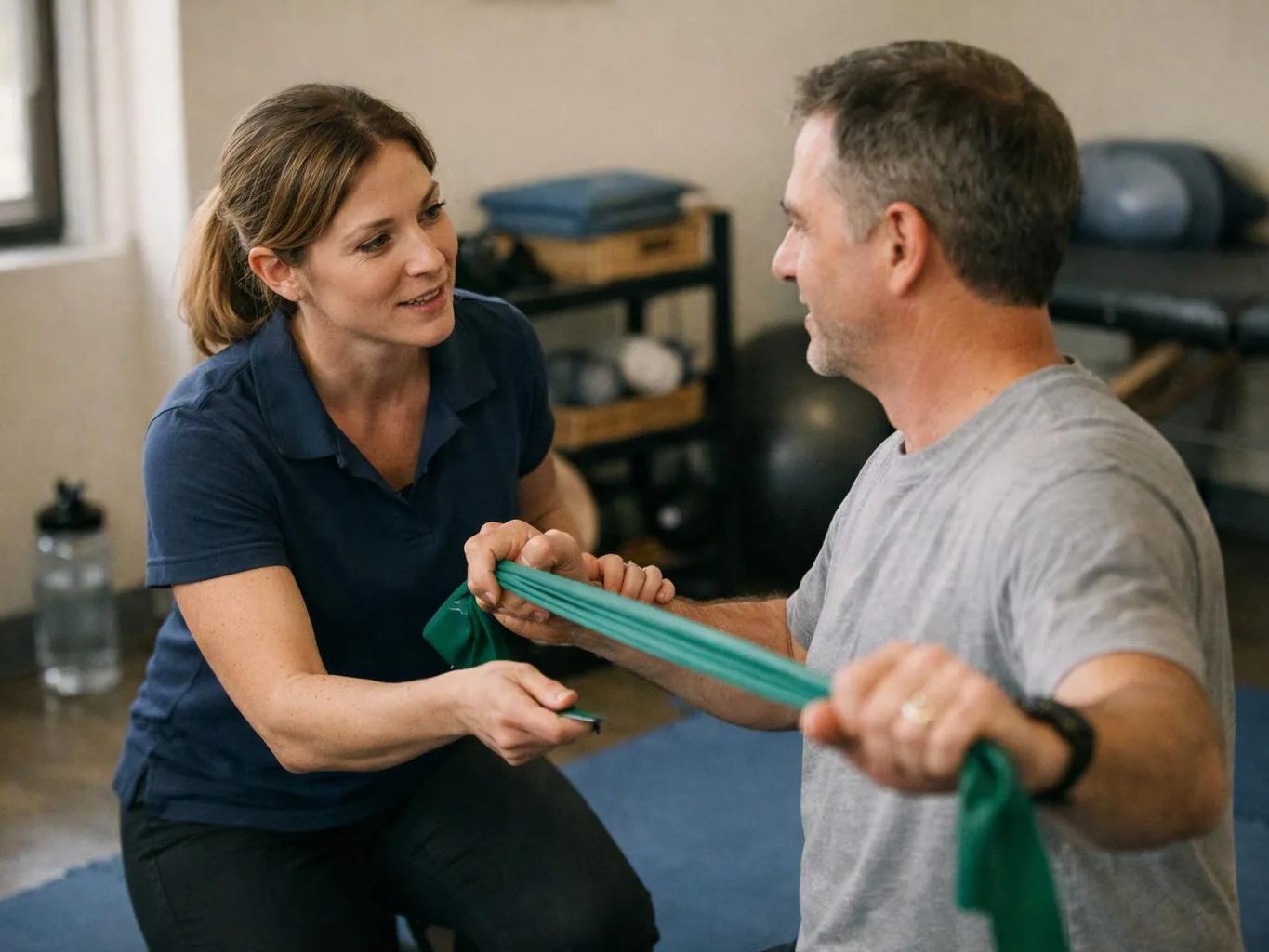
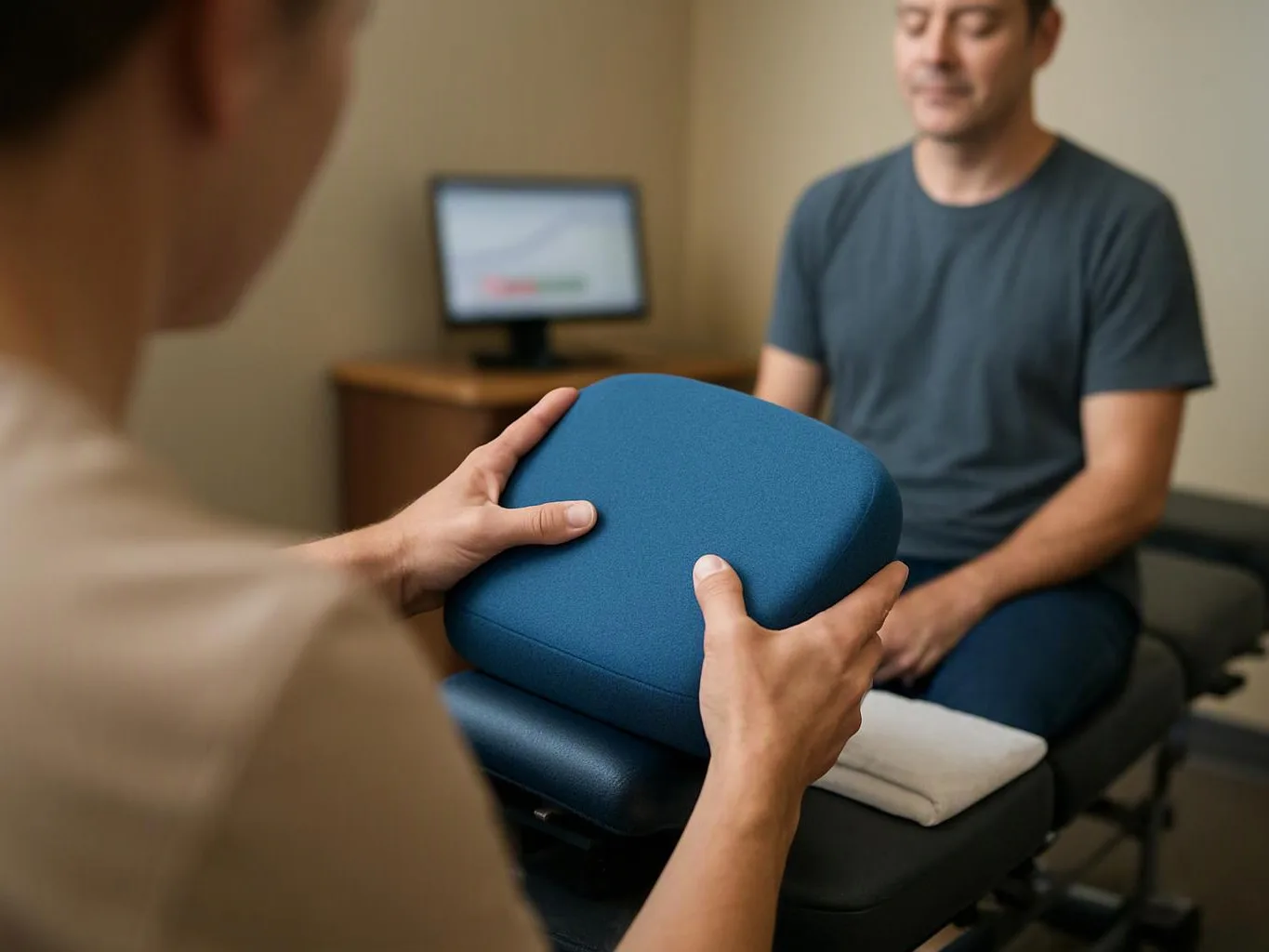
A therapist holds a blue foam block while a seated man waits in a clinic room

Service Overview

Deep tissue massage is a hands-on treatment that works through muscle and soft tissue tension with focused pressure.

  • Deep tissue massage differs from lighter relaxation massage because the pressure and treatment focus follow a specific soreness or movement concern.
  • Advanced Injury Care Clinic provides this care for Lakewood patients and nearby communities, including Mount Juliet, Donelson, Antioch, and Nashville.

What This Massage Visit Includes

Advanced Injury Care Clinic provides comprehensive Deep Tissue Massage in Lakewood. Here's what you get:

  • We review your symptoms, activity level, and treatment goals before hands-on care.
  • We assess muscle tenderness, range of motion, and the movement linked to soreness.
  • We use focused soft tissue therapy for areas that fit the treatment plan.
  • We explain pressure, positioning, and what to report during the visit.
  • We may pair massage with therapeutic exercises, posture guidance, or rehabilitation support when appropriate.
  • We discuss practical self-care and follow-up needs after treatment.

What to Check Before Choosing This Care

Match pressure to the problem

Pressure should follow the area, symptoms, and treatment goal. Deep work is the wrong choice when pain suggests an acute injury, nerve concern, or condition needing medical assessment first.

Build care around movement

Our team connects soft tissue findings with range of motion, posture, and daily activity. That detail helps shape a personalized care plan.

Understand the full plan

Clear diagnosis and care explanations show how massage relates to adjustments, exercises, or rehabilitation support. Individual response differs, so results should be reviewed over time.

Process

How We Plan and Deliver This Massage

1

Review the athletic strain

We ask how the soreness began, which activity affects it, and what movement now feels limited.

2

Check muscle and movement

The assessment considers tenderness, range of motion, posture, and signs that point beyond routine muscle soreness.

3

Set the treatment focus

We explain whether soft tissue therapy fits and identify the areas, pressure, and movement goals for care.

4

Apply focused soft tissue work

We provide hands-on care for the tissues included in the individualized treatment plan and ask for feedback during the visit.

5

Discuss recovery steps

We review exercises, posture guidance, self-care, and follow-up needs that support the next stage of recovery.

How Focused Massage Supports Muscle Recovery

Focused pressure may reduce soft tissue tension and support more comfortable movement.

Muscle recovery work can help you notice which activities or positions increase soreness.

Flexibility work may support easier motion when tight tissue limits an exercise or daily task.

A clear assessment helps separate routine post-workout soreness from symptoms that need more evaluation.

Regular maintenance may support body awareness when repeated activity keeps stressing the same muscle group.

Choosing Care for Sports-Related Soreness

This comparison shows how the main care options serve different needs.

Care optionBest fitWhat we check
Deep tissue massageMuscle soreness, soft tissue tension, or flexibility limitsTender tissue, movement, activity history, and treatment tolerance
Therapeutic exercisesStrength, flexibility, and movement control goalsMovement pattern, posture, and ability to perform each exercise
Chiropractic evaluationPain involving broader musculoskeletal concerns or injury recoveryHealth history, symptoms, movement, and whether added treatment is appropriate

The Advanced Injury Care Clinic Standard

  • Assess Patient Condition
  • Tailored Care Plans
  • Clear Treatment Explanations
  • Monitor Patient Progress

Questions About Focused Muscle Care

Is deep tissue massage appropriate for sports-related soreness?

Athletic strain can suit deep tissue massage when an assessment shows muscle soreness or soft tissue tension without warning signs of a more serious injury. Advanced Injury Care Clinic reviews the activity, symptoms, and movement first. Pressure should match the tissue and recovery stage. Care may also include exercises or posture guidance when massage alone does not address the concern.

What should be ready before massage starts?

Your symptom history, recent activities, prior injuries, and current care should be ready before massage starts. Wear or bring clothing that allows comfortable movement around the area being assessed. Tell our team about changes in strength, sensation, or motion. Those details help us decide whether hands-on care fits the visit.

Which condition changes the time needed for athletic strain care?

The number of affected areas and the amount of movement loss can change the time needed for athletic strain care. A focused muscle concern may require a different plan from soreness across several regions. We review the treatment area and related symptoms before explaining the visit plan. No fixed duration applies to every client.

What should I ask before agreeing to this treatment?

Ask which tissue the treatment targets, how pressure will be adjusted, and what signs should stop the session. The care plan should also explain whether exercises, posture guidance, or chiropractic treatment are relevant. Clear answers help you understand the purpose of the visit. Results vary because the cause and severity of soreness differ.

How does massage fit with chiropractic care?

Massage can fit with chiropractic care when soft tissue tension contributes to a movement concern. Our team may connect hands-on work with spinal adjustments, therapeutic exercises, or rehabilitation support after an evaluation. The treatment plan depends on your symptoms and goals. Massage does not replace assessment when pain follows a significant injury.

Why can overuse soreness affect flexibility?

Overuse soreness can reduce flexibility when repeated activity keeps muscles tense and changes normal movement. Soft tissue therapy may support easier motion, while exercise and activity changes address the pattern behind the strain. We review the activity that triggers symptoms and check movement before recommending care. Persistent or spreading pain needs further evaluation.

Which warning signs call for an evaluation before massage?

Loss of strength, unusual numbness, major swelling, or pain that sharply limits movement calls for evaluation before massage. These signs may point beyond routine post-workout soreness. We ask about the onset and pattern, then explain whether soft tissue care is suitable. Promptly report symptoms that worsen or affect normal function.
Contact

Discuss Deep Tissue Massage in Lakewood

Schedule a consultation with Advanced Injury Care Clinic to discuss athletic strain, muscle recovery, and soft tissue care. We’ll review your concerns first, explain the next step, and help you understand whether this treatment fits your plan.

The health and wellness information on this website is for general informational purposes only and is not medical advice. It does not create a provider-patient relationship. Always consult a qualified licensed provider in Hermitage, Tennessee, United States about your specific condition before making care decisions. Individual results vary.

(615) 265-0412