Skip to content

Sciatica Treatment in Oak Hill, Tennessee

Decompression therapy may help ease sciatic nerve pressure in Oak Hill. We pair it with an exam and a focused care plan when appropriate.

Upfront, Transparent PricingServing 18 CommunitiesMon-Fri: 9 am–7 pm, Sat: 9 am–2 pm, Sun: ClosedFast Scheduling

Quick Summary: Sciatica Care in Oak Hill, Tennessee

Sciatica Treatment in Oak Hill is provided by Advanced Injury Care Clinic for nerve-related back and leg pain. Care includes an individualized evaluation and may include spinal adjustments, soft tissue therapy, exercises, and rehabilitation support across Oak Hill and nearby Middle Tennessee communities.

  • What we do: Advanced Injury Care Clinic provides Sciatica Treatment for Oak Hill, Tennessee, with evaluation-led care for sciatic nerve pain.
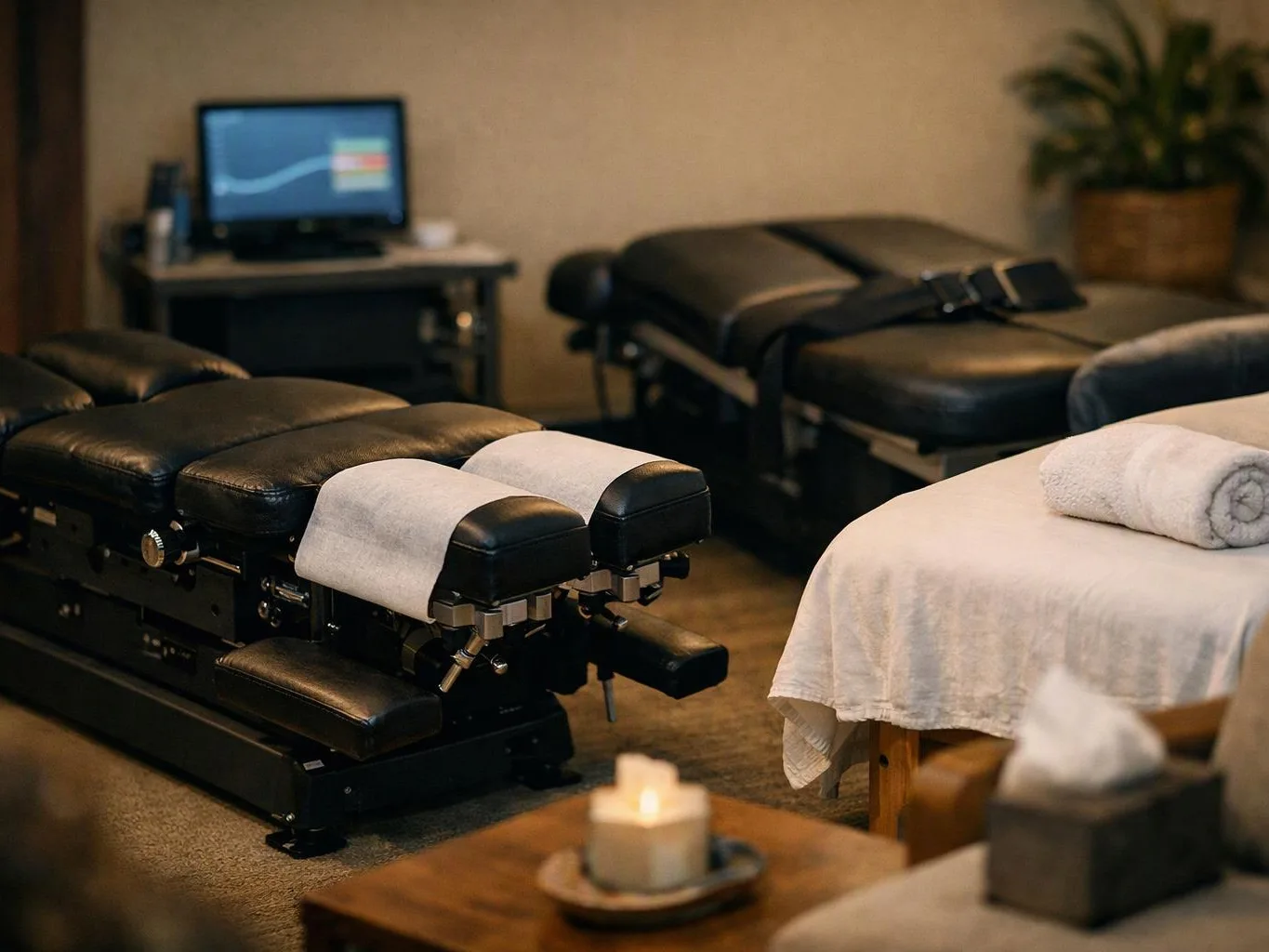
  • What is included: Care may include decompression therapy, spinal adjustments, soft tissue therapy, mobility exercises, and core strengthening.
  • What you get: The treatment plan gives you a clear path for managing sciatic nerve symptoms and supporting better movement.

Why does sciatic nerve pain keep returning, and when should I seek care?

Recurring sciatic nerve pain can reflect ongoing irritation, limited movement, or strain around the lower back and hip. A health history and exam help identify the right care path. Seek prompt medical attention for severe weakness, loss of bladder or bowel control, or numbness in the saddle area.


Sciatica Treatment for Oak Hill Nerve Pain

Sciatica treatment focuses on symptoms that travel from the lower back into the hip, buttock, or leg. The right plan depends on your health history, exam findings, movement limits, and how symptoms affect daily tasks.

This page is for people deciding whether a chiropractic assessment fits their symptoms. We check the pattern of pain and related movement limits, then explain whether spinal care, exercise, soft tissue work, or another type of medical evaluation fits best.

A chiropractor cannot replace urgent medical care for serious warning signs. Sudden severe weakness, loss of bladder or bowel control, or numbness in the saddle area needs prompt medical attention.

  • Pain that travels from the lower back into the hip, buttock, or leg.
  • Movement limits that affect walking, sitting, bending, or daily tasks.
  • A health history and exam before treatment is selected.
  • A care plan that explains which methods may fit your findings.
A smiling man stands indoors beside shelves of folded towels, books, and bottles

Service Overview

Sciatica Treatment is a care plan that addresses pain or irritation along the sciatic nerve.

  • It differs from massage alone because the plan may combine spinal adjustments, soft tissue therapy, and guided exercise.
  • Advanced Injury Care Clinic provides this care for patients in Oak Hill and nearby Middle Tennessee communities.

How We Approach Sciatica Care

Start with the symptom pattern

Pain location, weakness, movement limits, and health history guide the first discussion. We don't select a method from symptoms alone.

Match methods to the exam

Spinal adjustments, soft tissue therapy, mobility exercises, and core work serve different purposes. We explain why a method belongs in your personalized care plan.

Know when another service fits

This care is not the right job for every cause of leg pain. Serious neurological warning signs or symptoms needing medical testing require prompt medical evaluation.

Process

How We Plan Sciatica Care

1

Review your health history

We ask about symptoms, past injuries, daily activities, and concerns that may affect care.

2

Complete the physical exam

The exam considers movement, strength, pain patterns, and related signs before treatment is selected.

3

Explain the findings

We discuss what the examination shows and answer questions about the care options.

4

Build the care plan

The plan may include decompression therapy, spinal adjustments, soft tissue therapy, mobility exercises, or core strengthening.

5

Review progress

Follow-up discussions help us adjust the plan as your symptoms and movement change.

What This Care May Change for Daily Movement

A focused plan may help support better mobility during walking, sitting, and bending.

Guided exercises give you practical ways to support movement between visits.

Soft tissue therapy may ease related muscle tightness around the lower back and hip.

Clear findings help you understand which treatment options fit your symptoms.

Regular maintenance may support lasting comfort when your care plan calls for it.

What Sciatica Care Includes for Your Symptoms

Advanced Injury Care Clinic provides comprehensive Sciatica Treatment in Oak Hill. Here's what you get:

  • We complete an individualized health history and physical evaluation.
  • We explain the likely source and pattern of your sciatic nerve symptoms.
  • We may use spinal adjustments when the exam supports that approach.
  • We may add soft tissue therapy for related muscle tension.
  • We teach mobility exercises and core strengthening suited to your condition.
  • We provide rehabilitation support and clear care explanations.

Methods Considered for Sciatic Nerve Symptoms

Each method serves a different purpose, so the examination guides the choice.

MethodPrimary focusHow we decide
Decompression therapySpinal or nerve pressure concernsUsed only when findings support it
Spinal adjustmentsJoint movement and spinal mobilitySelected after reviewing movement and symptoms
Soft tissue therapyTight or tender musclesAdded when muscle tension affects movement
Mobility exercisesControlled range of motionChosen for your current ability and symptoms
Core strengtheningTrunk support and movement controlIntroduced when exercise is suitable

The Advanced Injury Care Clinic Standard

  • Assess Patient Condition
  • Tailored Care Plans
  • Clear Treatment Explanations
  • Monitor Patient Progress

Questions About Sciatica Care

What treatments can relieve sciatic nerve pain?

Decompression therapy may help relieve sciatic nerve pressure when the examination supports it. Advanced Injury Care Clinic may also use spinal adjustments, soft tissue therapy, mobility exercises, or core strengthening.

We first review your health history and movement findings, then explain which methods fit your symptoms. Individual response differs, so no single treatment suits every person.

What does the clinician look at first during care?

The first evaluation looks at your symptom pattern, movement, strength, and health history. Pain location helps guide the discussion, but weakness or numbness also matters. We use these findings to decide whether chiropractic care fits and which methods deserve consideration.

What should be checked before care is scheduled?

A health history and physical examination should come before a treatment plan. The review covers past injuries, current symptoms, medications, movement limits, and warning signs. Bring relevant medical records if you have them, and share any sudden weakness or loss of bladder or bowel control before scheduling routine care.

Who is a good fit for this care, and who needs another service?

People with back-related leg pain and movement limits may fit chiropractic care after an examination. Severe weakness, saddle numbness, or loss of bladder or bowel control needs prompt medical evaluation. Our assessment helps separate routine musculoskeletal concerns from symptoms that need another service.

How does soft tissue therapy fit with spinal adjustments?

Soft tissue therapy addresses muscle tightness, while spinal adjustments address joint movement when appropriate. These methods can appear in the same care plan, but the examination decides whether either one fits. We explain the purpose of each method before treatment begins.

Which exercises support recovery from sciatic nerve pain?

Mobility exercises and core strengthening may support movement when they match your current ability. Exercises should follow an assessment because the wrong movement can irritate symptoms. We teach practical exercises and explain how they fit with in-office care.

Why can symptoms return after they improve?

Sciatic symptoms can return when daily movement, posture, or physical strain continues to stress the lower back and hip. A progress review helps identify changes in symptoms and movement. We can then discuss adjustments to exercises, treatment methods, or maintenance care.
Contact

Discuss Sciatica Care in Oak Hill

Contact Advanced Injury Care Clinic to discuss your symptoms and book a free consultation. After you reach out, we'll review your concern, arrange the next appointment step, and explain what the assessment covers.

Two women smile across a reception counter, one holding a clipboard while the other stands with a pregnant belly

The health and wellness information on this website is for general informational purposes only and is not medical advice. It does not create a provider-patient relationship. Always consult a qualified licensed provider in Hermitage, Tennessee, United States about your specific condition before making care decisions. Individual results vary.

(615) 265-0412