Understanding Acute pain
Acute pain is how the body reacts to harm. It happens when tissues get hurt. This could be a sprained ankle, a cut. Or a broken bone.
Nerve endings send signals to the brain. The brain reads these as pain. This pain is sharp and sudden.
You can usually tell where it hurts. Acute pain has a clear cause. It also has a clear timeline.
It starts when you get hurt. It lasts until your body heals. Most people feel acute pain at some point.
It can come from small accidents. It can also come from dental work. Or from medical procedures.
Doctors use acute pain to find problems. A sudden backache may mean a muscle strain. A sharp chest pain could be serious.
It might signal a heart issue. Acute pain fades as you heal. It rarely needs long-term treatment.
But ignoring it can cause problems. The cause must be fixed. Rest, ice. Or pain relievers often help.
How Acute Pain Works?
Acute pain starts with nerve endings. They are called nociceptors. These detect harm.
They are in skin, muscles. And joints. They are also in organs. When tissue gets hurt, they send signals.
Heat, pressure. Or chemicals can cause harm. The signals go to the spinal cord. It sends them to the brain.
The brain makes you feel pain. This happens very fast. It acts like a warning.
As the body heals, signals get weaker. That's why pain fades. A bruise hurts for days.
Then it feels better as swelling goes down. Sometimes pain gets stronger. This can mean infection.
The body says, "Pay attention." Doctors ask how bad the pain is. They use a scale from 0 to 10.
This helps track treatment. It shows if pain is getting better or worse.
Why Acute Pain Matters?
Acute pain protects the body. It warns you of harm. Without it, you might not know you're hurt.
A broken foot would hurt. If it didn't, you might keep walking. That would cause more damage.
Doctors use pain to find problems fast. Sudden belly pain may need urgent care. It could mean appendicitis.
Ignoring pain can delay treatment. A small problem can become big.
Managing pain helps healing. Pain can make moving hard. It can also make sleeping hard.
When pain is controlled, patients can start therapy. They can get stronger. They can return to daily tasks.
Pain relief reduces stress. This helps the immune system. It speeds up recovery.
Acute pain is temporary. But proper care stops it from lasting too long. Chronic pain lasts much longer.
When Acute pain Matters Most?
Acute pain helps in emergencies. After an injury, it tells you to get help. This could be from a car crash.
It could be from sports or a fall. Sudden back pain may mean a fracture. It could also mean nerve damage.
Pain after surgery helps doctors. It shows how healing goes. If pain gets worse, it may mean infection.
Fixing pain early stops big problems.
Acute pain keeps us safe every day. A child touches a hot stove. Sharp pain teaches them to avoid burns.
Workers lifting heavy things may feel back pain. It reminds them to lift safely. Small pains affect daily life.
They can be headaches or muscle strains. These may not need emergency care. But rest or water can help.
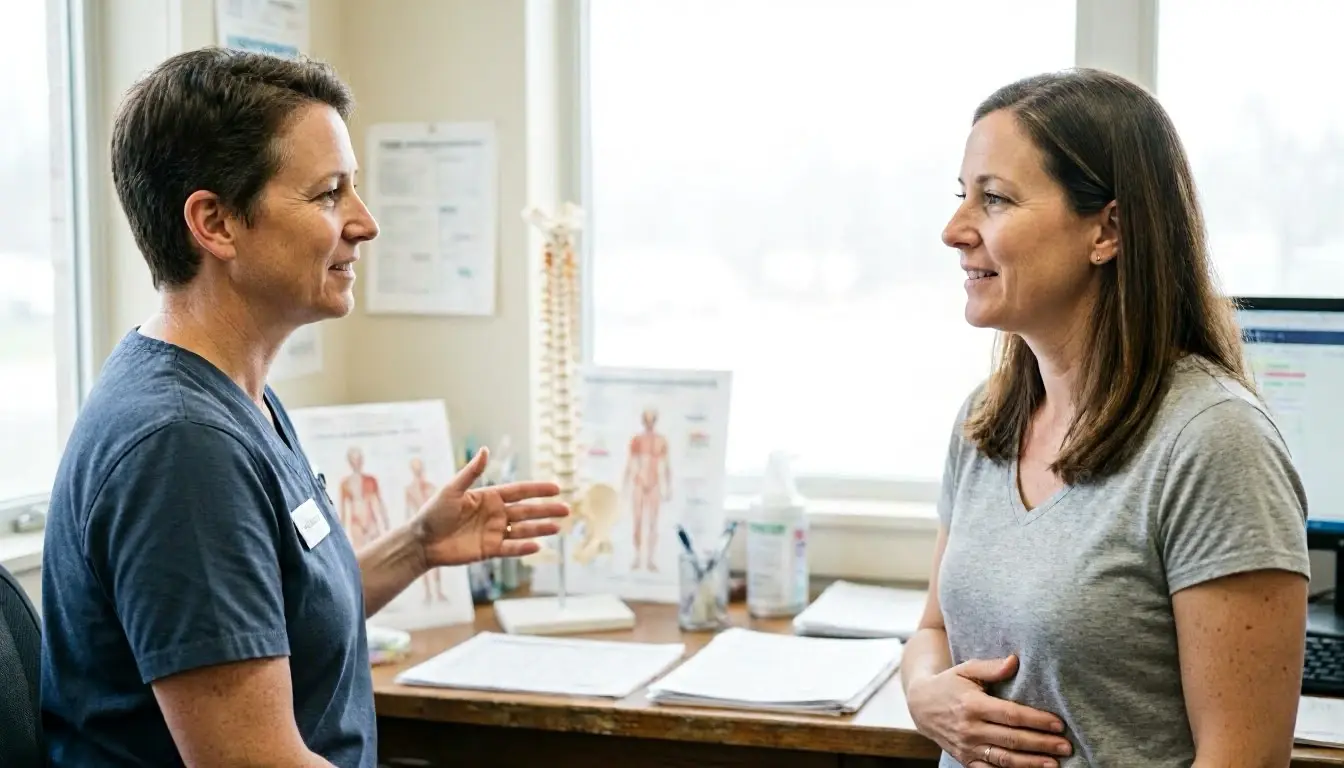
In Hermitage, TN, chiropractors see acute pain often. It comes from car accidents or sports. It can come from work injuries too.
Knowing the cause helps recovery. Getting care fast makes a big difference.