Glossary

What is Chiropractic Adjustment?

Chiropractic Adjustment is a precise manual procedure where a licensed chiropractor applies controlled force to a joint in the spine or other body part. The goal is to improve alignment, reduce pain. And restore normal movement. Adjustments are often performed using hands or specialized instruments and are tailored to each patient’s condition.

Reviewed by Advanced Injury Care ClinicSources reviewed: American Chiropractic Association, National Center for Complementary and Integrative Health

Quick Facts About Chiropractic Adjustment

Category

Non-surgical musculoskeletal treatment

Used for

Back pain, neck pain, headaches, joint dysfunction

Common confusion

Often mistaken for massage or physical therapy

Also called

Spinal Adjustment, Chiropractic Manipulation

Often discussed with

Car Accident Injury Treatment, Neck Pain Treatment

Key Takeaways About Chiropractic Adjustment

Understanding Chiropractic Adjustment

Chiropractic Adjustment in Chiropractor—Hermitage

A chiropractic adjustment helps fix bones, joints. And muscles. It's also called spinal manipulation.

Related glossary terms: Adjustment, Chiropractic Manipulation, Chiropractic Care.

The spine and joints can move out of place. This causes pain, stiffness. Or less movement.

Adjustments gently put joints back. This may ease pain and help the body work better.

During an adjustment, the chiropractor uses their hands. They may also use a small tool.

They apply a quick, controlled force to a joint. Patients often hear a popping sound.

This sound comes from gas bubbles in the joint. It's normal and not harmful.

Adjustments fit each patient. They depend on age, health. And the area treated.

How Chiropractic Adjustment Works?

Adjustments help joints move right. Some joints don't move well.

Bad joint movement can bother nerves and muscles. This causes pain or less movement.

The chiropractor pushes the joint gently. This helps it go back to its normal spot.

It may lower nerve irritation. It can also ease muscle tightness.

The process starts with a check-up. The chiropractor finds where it hurts.

They may look at X-rays or scans. This helps see the problem better.

Then, they get the patient ready. They do the adjustment in the right spot.

Some methods use quick pushes. Others use gentle pressure or special tables.

Some people feel better right away. Others may feel sore or stiff.

This usually goes away in a day or two. It's common after the first visit.

For long-term problems, more visits help. They keep progress going.

They also stop future issues.

Why Chiropractic Adjustment Matters?

Adjustments help pain without drugs or surgery. Many people try them for pain.

They work for back pain, neck pain. And headaches. They also help stiff joints.

Some people don't get help from pills or rest. Adjustments can help them.

They also help after injuries. These can be from car accidents or sports.

They can also be from doing the same thing over and over.

Adjustments can help you move better. They can help you go back to daily tasks.

For example, a stiff neck from sitting too long gets better. Moving your head gets easier.

Back pain can also get better. Walking or lifting feels less painful.

Adjustments fix the real cause of pain. They don't just hide it.

This makes them a good part of treatment.

When Chiropractic Adjustment Matters Most?

Adjustments help when joints cause pain. They also help when joints don't move well.

They can help after sudden injuries. Whiplash from car accidents is one example.

They also help long-term problems. Sciatica is one of these.

Some people use them to avoid surgery. Others want fewer pain pills.

Some groups get more help from adjustments. Athletes, office workers. And older adults are some.

Athletes use them to heal injuries. They also use them to do better.

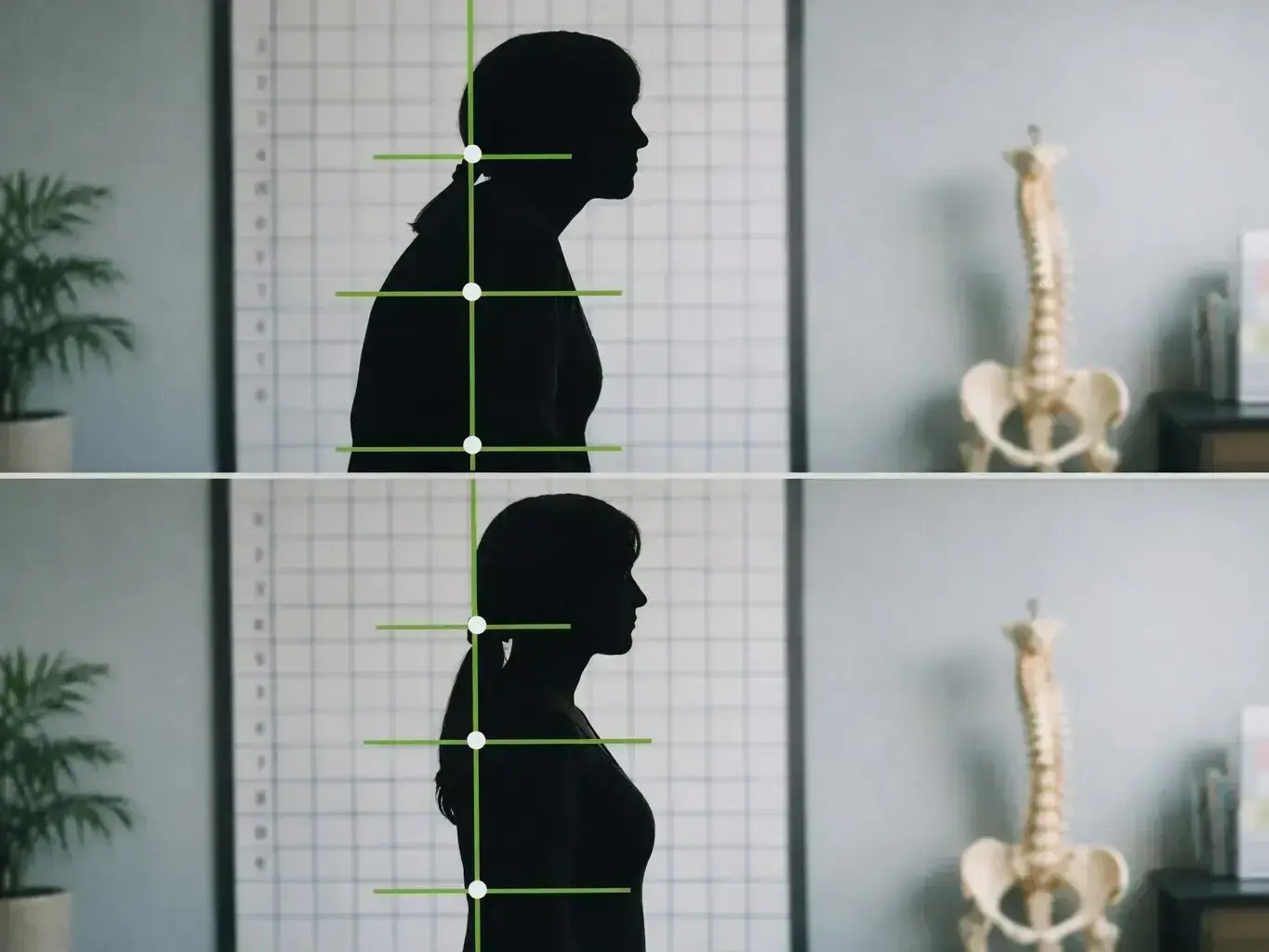
Office workers get help for posture pain. Older adults get help for stiff joints.

They can also help with arthritis.

But adjustments aren't for everyone. Some people shouldn't get them.

People with very weak bones shouldn't. Those with spine problems shouldn't either.

People with some swelling problems shouldn't. A chiropractor checks if it's safe.

How to Evaluate Chiropractic Adjustment?

Related Concepts Compared

Chiropractic Adjustment vs. Spinal Manipulation

Spinal manipulation is a broader term that includes techniques used by chiropractors, osteopaths. And physical therapists. Chiropractic adjustments are a specific type of spinal manipulation performed by chiropractors.

Chiropractic Adjustment vs. Physical Therapy

Physical therapy focuses on exercises, stretches. And modalities like heat or ultrasound to improve strength and mobility. Chiropractic adjustments involve manual joint realignment, which is not typically part of physical therapy.

Expert Note

Chiropractic adjustments are most effective when combined with other therapies like exercise, posture correction. And lifestyle changes. The goal is not just to relieve pain but to improve overall function and prevent future issues.

Common Mistakes or Myths About Chiropractic Adjustment

  • Assuming chiropractic adjustments are painful—they are usually gentle and controlled.
  • Expecting instant results—some conditions require multiple sessions for lasting relief.
  • Confusing adjustments with massage—adjustments focus on joints. While massage targets muscles.
  • Seeing a chiropractor without a proper exam—good practitioners always assess before treating.

Chiropractic Adjustment in Practice: A Real-World Example

After a minor car accident, Sarah developed neck pain and headaches that made it hard to focus at work. Her chiropractor performed a series of gentle adjustments to realign her cervical spine. Within a few sessions, her pain decreased. And she was able to return to her normal activities without relying on pain medication.

Sources & Further Reading on Chiropractic Adjustment

Related Services

Related Terms

Adjustment

Adjustment is a precise manual procedure chiropractors use to apply controlled force to a joint, typically in the spine, to restore proper motion, reduce pain. And improve function. Adjustments aim to correct misalignments, relieve nerve pressure. And support the body’s natural healing ability without surgery or medication.

Chiropractic Manipulation

Chiropractic Manipulation is a hands-on treatment where a licensed chiropractor applies controlled force to joints, especially in the spine, to improve motion, reduce pain. And support the body’s natural healing. The technique often produces a popping sound called cavitation, which is gas releasing from the joint fluid.

Chiropractic Care

Chiropractic Care is a health profession focused on diagnosing, treating. And preventing mechanical disorders of the musculoskeletal system, especially the spine. Chiropractic Care uses hands-on spinal manipulation and other alternative treatments to enable the body to heal itself without surgery or medication. The practice emphasizes the relationship between the spine and nervous system and its impact on overall health.

Spinal Manipulation

Spinal Manipulation is a hands-on treatment technique used by chiropractors and other trained healthcare providers to apply controlled force to a joint in the spine. This force helps improve spinal motion, reduce pain. And restore function by addressing stiffness, misalignments. Or nerve irritation. The procedure often produces a popping sound caused by gas releasing from the joint.

Advanced Injury Care Clinic

Have Questions About Chiropractic Adjustment?

Contact Advanced Injury Care Clinic for practical guidance on Chiropractic Adjustment and related chiropractor work in Hermitage.

+1 615-777-0624