Understanding Chiropractic license
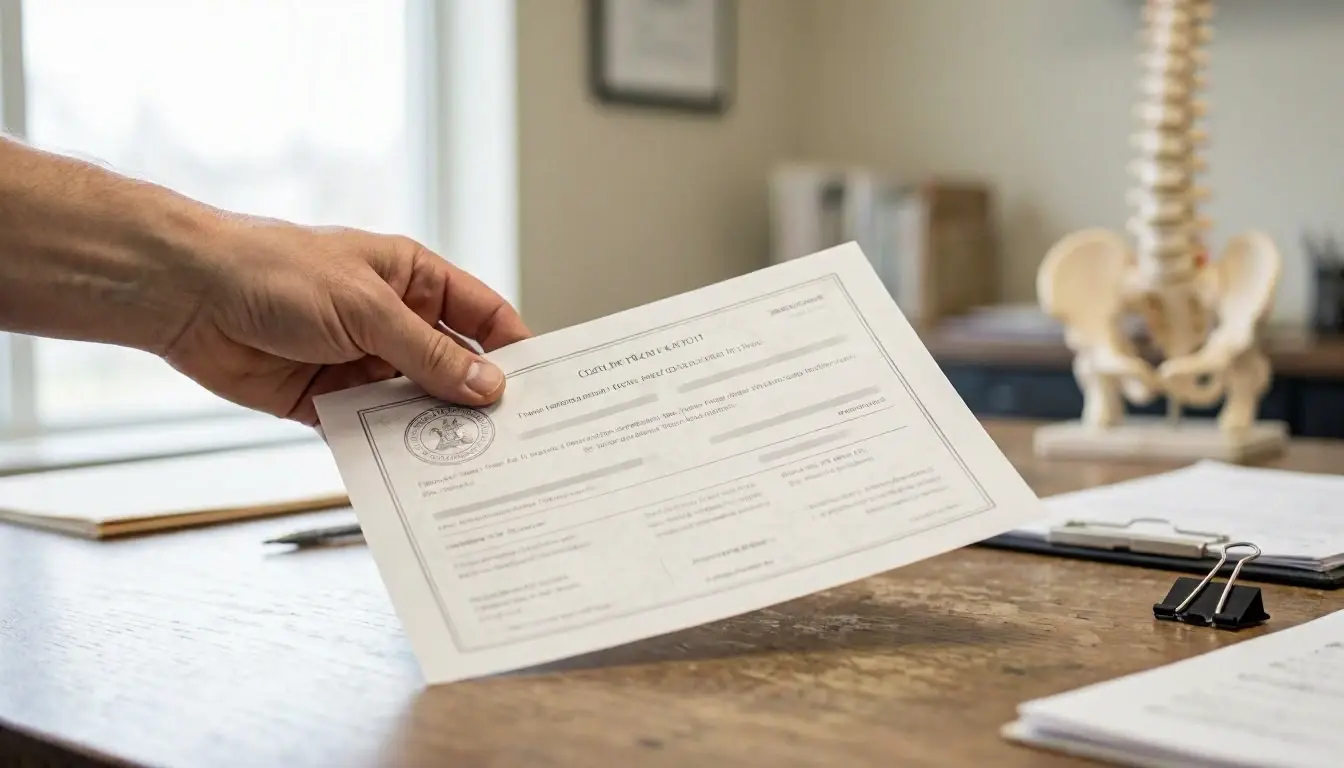
A chiropractic license is a legal paper. The state chiropractic board gives it. It shows the chiropractor finished school.
They also passed tests. They met all rules to work safely. Without it, they can't call themselves a chiropractor.
They can't adjust spines. The license helps patients trust them. It shows they follow rules and learn new things.
States started licenses in the 1900s. They saw they needed to watch chiropractors. Today, all U.S. States need a license.
So do Washington, D.C. And most Canadian provinces. Each state has its own rules. But they all follow similar standards.
These standards help keep care safe. They work everywhere in the country.
How Chiropractic license Works, Is Measured. Or Is Used?
To get a license, you must finish chiropractic school. The school must be approved by the CCE (Council on Chiropractic Education).
It takes four years. You learn about the body, nerves. And X-rays. You also train with real patients.
After school, you take big tests. The NBCE (National Board of Chiropractic Examiners) gives them. The tests cover science and skills.
Some states want more tests. These are about laws and right actions.
Licenses must be renewed. This happens every one or two years. You take classes to keep learning.
These classes are called CE (continuing education) credits. They teach new methods and rules. States check these credits.
If you don't meet the rules, you lose your license. This can happen for bad actions or hurting patients.
The license keeps people safe.
Why Chiropractic license Matters?

A chiropractic license is important. It makes sure only trained people help spines. Patients trust licensed chiropractors.
They can find problems right. They don't take big risks. They send patients to other doctors when needed.
The license makes chiropractors follow rules. Patients can report problems. Chiropractors need licenses to work with insurance.
They also need them to work in hospitals. Or to work with other doctors. Licensing helps the whole chiropractic field.
It keeps care good. It stops bad workers from hurting people. This matters for back pain or injuries.
Bad treatment can make things worse. A license means the chiropractor can help safely.
When Chiropractic license Matters Most?
A license matters when picking a chiropractor. Always check their license first. Do this before treatment starts.
This is key after an accident or injury. Or for long-term pain. Insurance often needs a licensed chiropractor.
Jobs and sports teams need licensed chiropractors too. They use them for injuries or health programs.
Licenses matter in legal cases. If a patient complains, the state checks the license. They look at past problems.
Insurance may say no if the chiropractor wasn't licensed. In Hermitage, TN, licenses help with car accident claims.
They also help with work injury claims. The license is needed to send bills to insurance.