Understanding Cox Flexion-Distraction
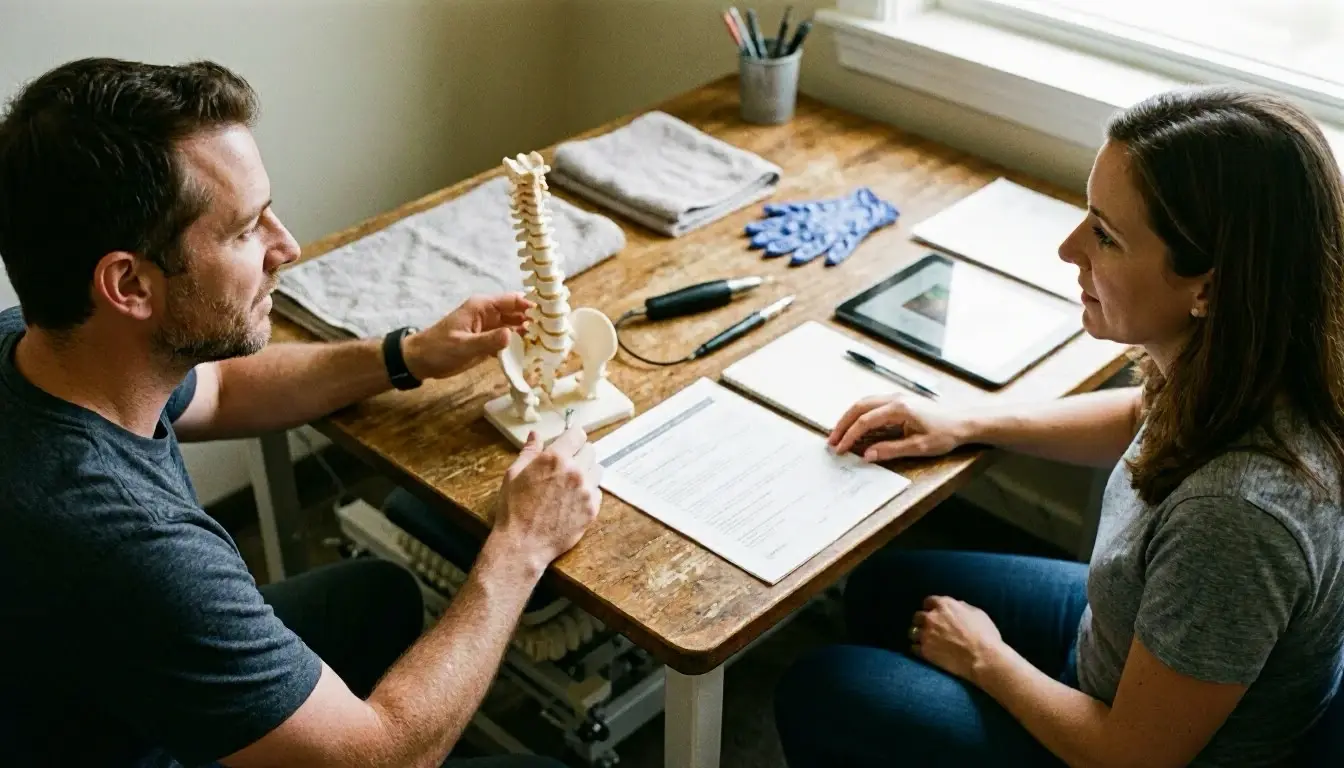
Dr. James M. Cox made Cox Flexion-Distraction. It's a way to help your spine.
This method gently stretches your back. It takes pressure off discs and nerves.
Other chiropractic (back) treatments use quick pushes. This one uses slow moves on a special table.
The table bends and pulls. This makes space between bones in your back.
This helps with problems like bulging discs. It also helps with worn discs and sciatica (leg pain).
It takes pressure off your spine. This helps you move better and hurts less.
You don't need surgery or pills. Most people feel better right away.
But you'll need more visits to keep feeling good. It's safe for most people.
Some can't handle quick back pushes. This method works for them too.
How Cox Flexion-Distraction Works?
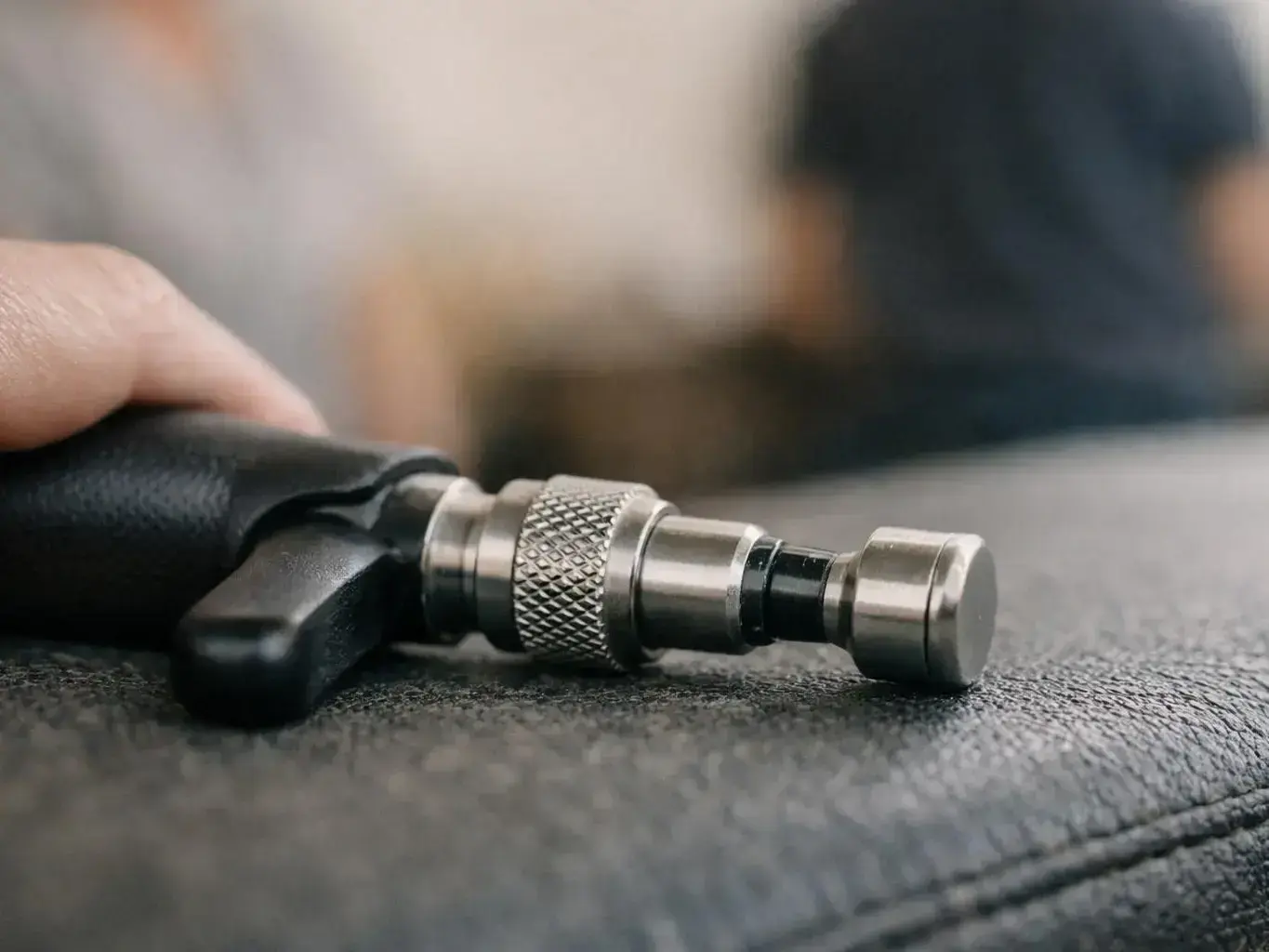
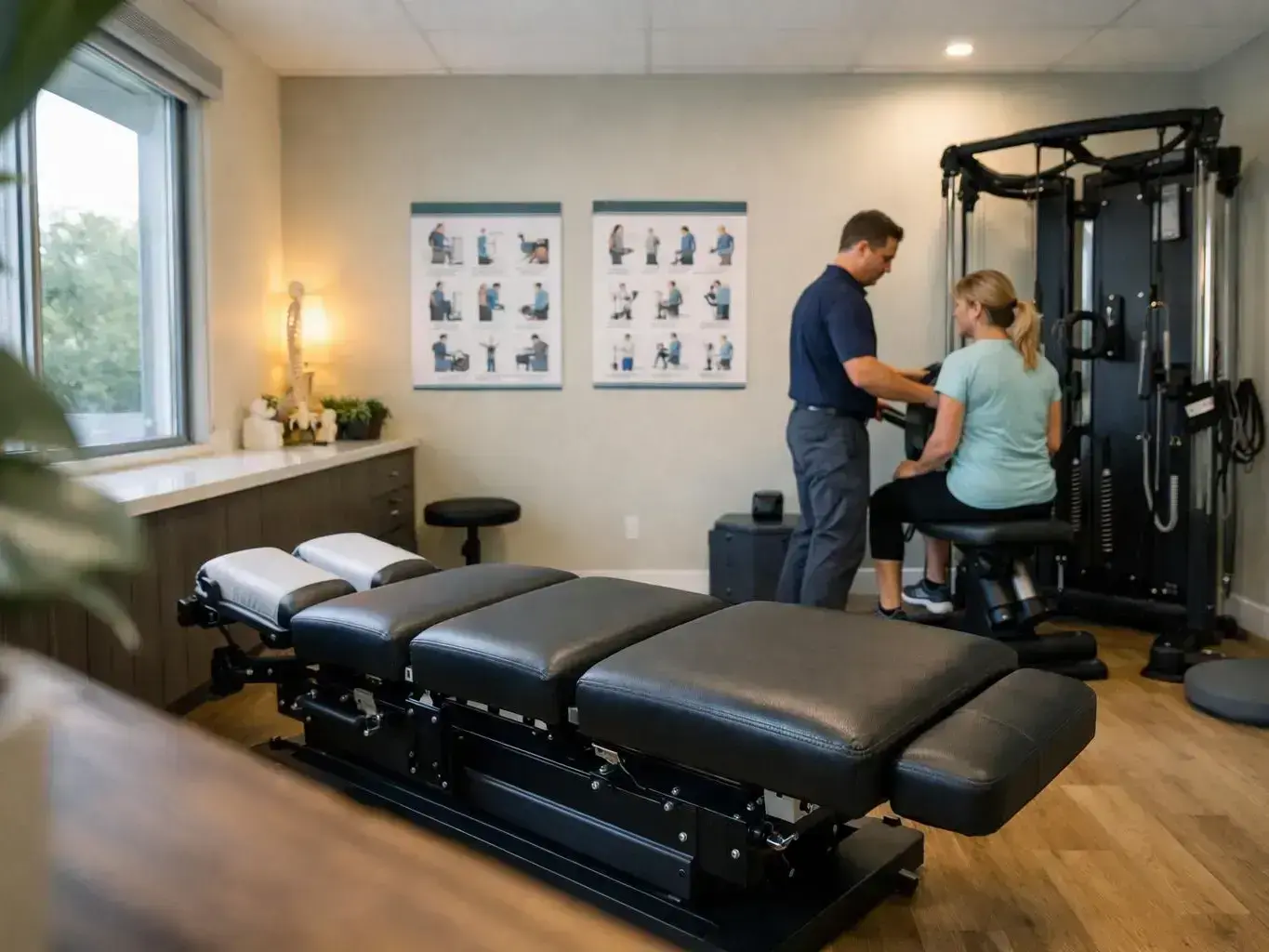
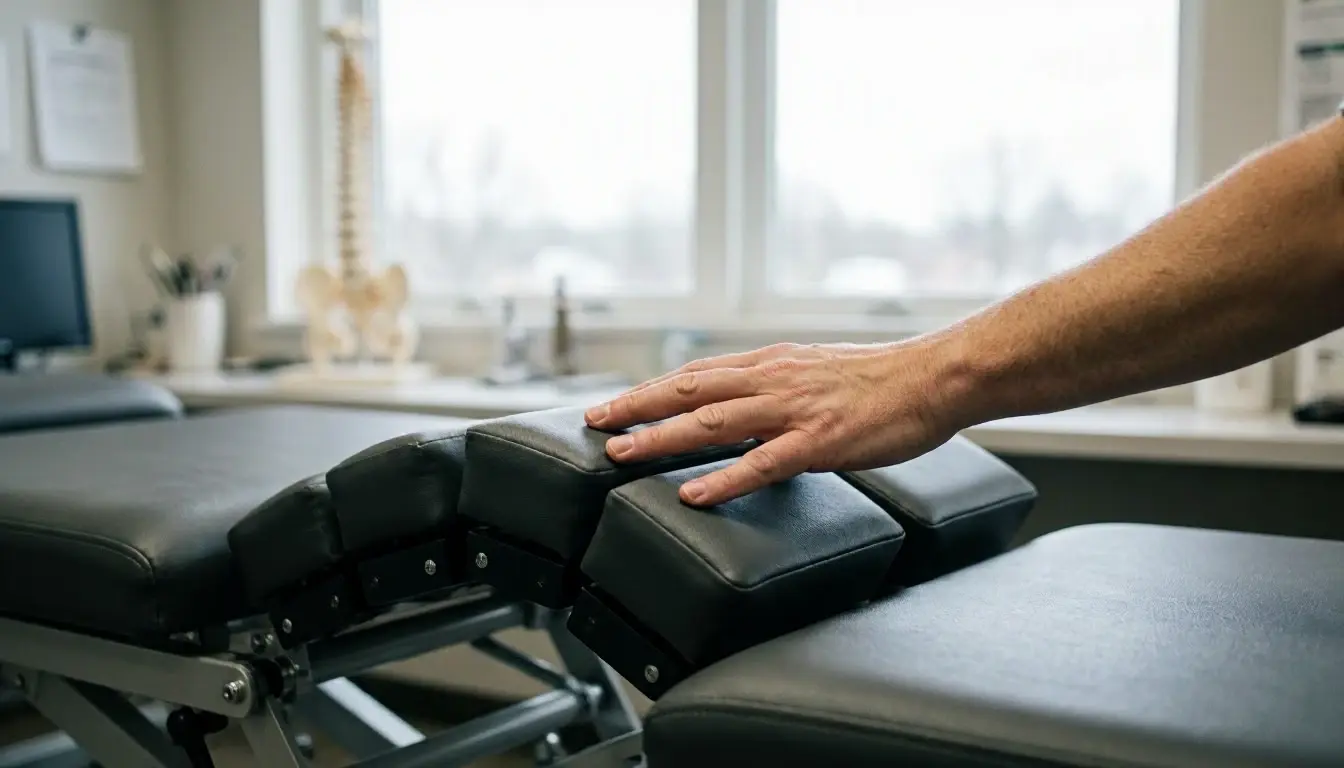
You lie face down on the Cox table. The table has parts that move.
The doctor holds your lower body. They gently bend and pull your spine.
This makes a pull inside the disc. It helps bulging parts pull back in.
It also stops nerves from hurting. The moves are slow and careful.
The table lets the doctor target one spot. Say your lower back has a bulging disc.
The table works there. It doesn't bother the healthy parts.
The doctor might also do other small fixes. They may work on soft tissue too.
This helps you get better faster. Each visit lasts 10 to 15 minutes.
Why Cox Flexion-Distraction Matters?
Back disc problems can hurt a lot. They can make you numb or weak.
They can stop you from doing daily things. Cox Flexion-Distraction helps without surgery.
It fixes the cause: pressure on nerves and discs. Many people like it.
It's gentle. It doesn't use drugs. It has fewer risks than surgery.
Studies show it works for some problems. It can make discs taller.
It can shrink bulging parts. It can make pain scores go down.
Older people can use it too. It's safe for people with weak bones.
Others can't handle rough fixes. This method works for them.
If you want gentle care, try this. It's a good choice.
When Cox Flexion-Distraction Matters Most?
This helps most with disc pain. It works for bulging or herniated (torn) discs.
It helps sciatica (leg pain). It helps spinal stenosis (narrow back).
It's good after car crashes or falls. It helps when your back or discs get hurt.
Some don't get help from other treatments. This might work for them.
Doctors suggest this when surgery isn't an option. It's also good if you don't want surgery.
It helps if bending or sitting hurts. Some can't do those things for long.
Doctors may add other treatments. They might use muscle shocks or exercises.
This helps you heal faster. It keeps problems from coming back.