Understanding Decompression Therapy
Decompression Therapy is a type of mechanical spinal treatment that helps relieve pressure on the spine and nerves. When spinal discs become compressed due to injury, aging. Or repetitive stress, they can bulge or herniate, pressing on nerves and causing pain, numbness. Or weakness. Decompression Therapy works by gently stretching the spine in a controlled way, creating negative pressure inside the discs. This negative pressure helps pull nutrients, oxygen. And fluids back into the discs, promoting natural healing and reducing pain over time.
Unlike traditional traction, which applies a constant pull, Decompression Therapy uses a computer-controlled table that alternates between stretching and relaxing phases. This rhythmic motion helps prevent muscle guarding, a common issue where muscles tighten in response to sudden tension. The treatment is typically painless and often feels like a gentle pulling or stretching sensation. Most people describe it as relaxing, with some even falling asleep during sessions.
How Decompression Therapy Works?
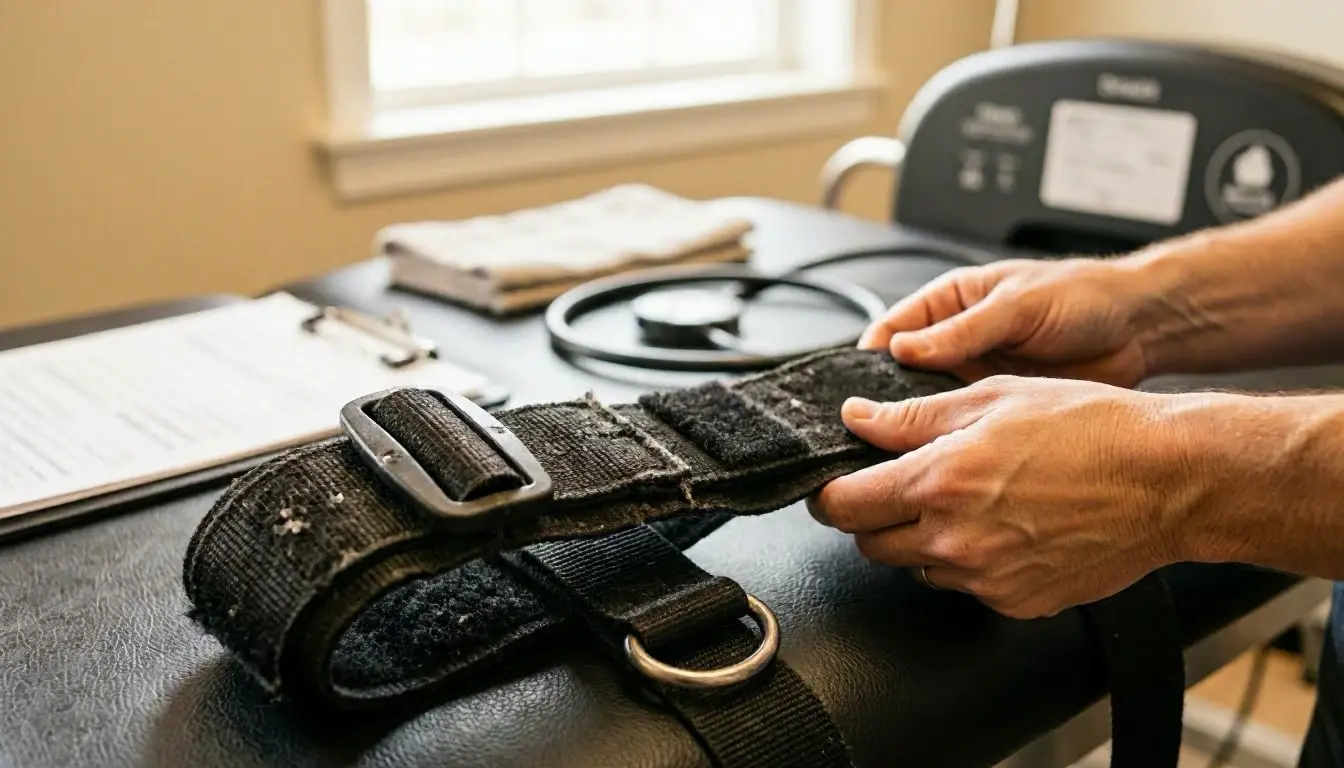
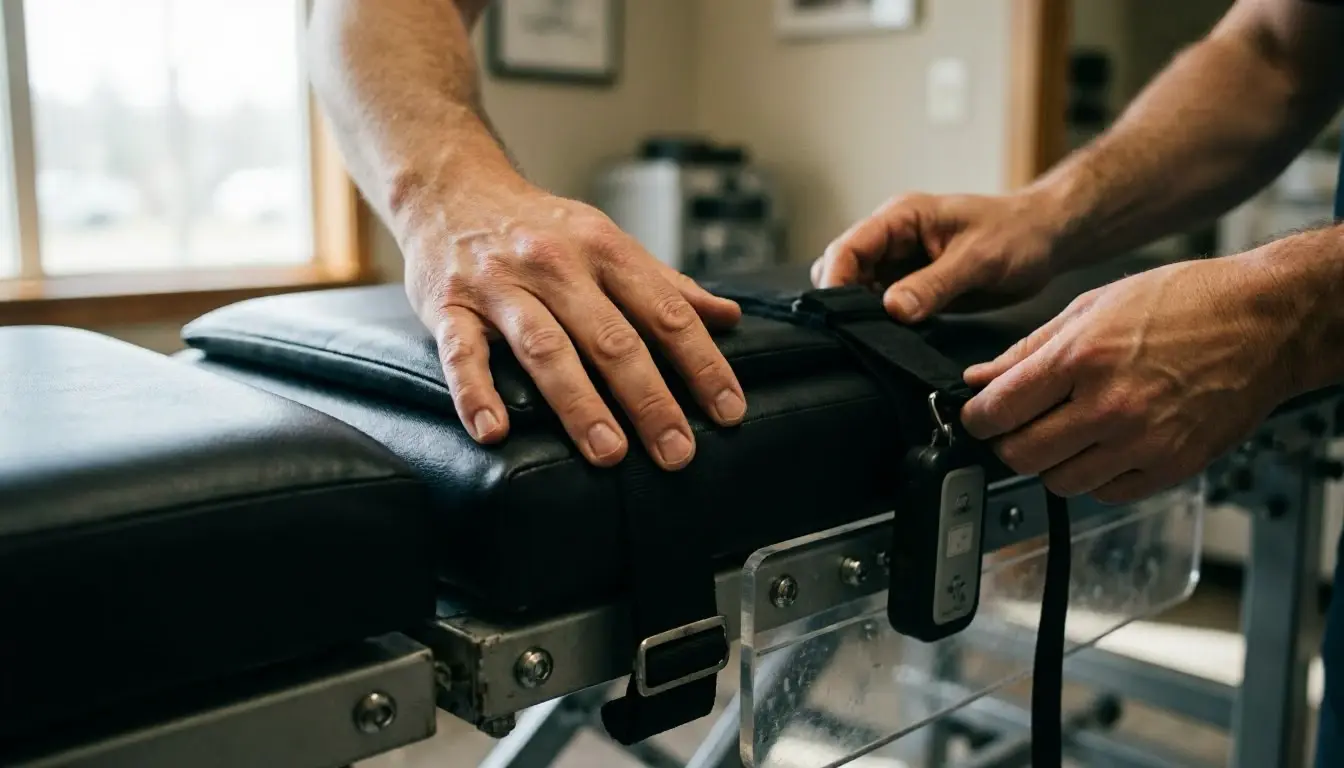
During a Decompression Therapy session, the patient lies on a specialized table, usually face-up or face-down, depending on the area being treated. A harness is placed around the hips and lower back or around the chest and upper back to secure the patient to the table. The table then moves slowly, applying a precise amount of force to stretch the spine. This force is carefully controlled by a computer to ensure safety and effectiveness, with the chiropractor or therapist monitoring the process.
The stretching creates space between vertebrae, which reduces pressure on spinal discs and nerves. This negative pressure can help herniated or bulging discs retract, taking pressure off nerves and allowing the disc to heal. The process also encourages the flow of water, oxygen. And nutrient-rich fluids into the discs, which helps them recover and maintain their natural cushioning function. Each session typically lasts between 20 to 45 minutes. And most treatment plans involve multiple sessions over several weeks.
Decompression Therapy is often combined with other chiropractic treatments, such as spinal adjustments, electrical muscle stimulation. Or cold/heat therapy, to boost results. The exact protocol depends on the patient’s condition, age. And overall health. For example, someone with a herniated disc may need more frequent sessions initially, followed by maintenance treatments to prevent recurrence.
Why Decompression Therapy Matters?
Decompression Therapy offers a non-surgical alternative for people suffering from chronic back or neck pain caused by disc problems. Many patients turn to this treatment after medications, physical therapy. Or injections fail to provide lasting relief. Because it's non-invasive, it carries fewer risks than surgery, such as infection or long recovery times. It also avoids the side effects of pain medications, which can include drowsiness, dependency. Or digestive issues.
The therapy is particularly valuable for conditions that respond poorly to traditional treatments. For instance, herniated discs often cause radiating pain, numbness. Or weakness in the arms or legs, which can be debilitating. By reducing pressure on the affected nerves, Decompression Therapy can help restore function and improve quality of life. It is also a cost-effective option compared to surgery, with many patients experiencing significant relief after a few sessions.
When Decompression Therapy Matters Most?
Decompression Therapy is most beneficial for individuals experiencing pain, numbness. Or weakness due to spinal disc issues. Common conditions treated include herniated or bulging discs, degenerative disc disease, sciatica. And spinal stenosis. It is also helpful for people with chronic back or neck pain that has not improved with rest, medication. Or physical therapy. Patients who are not candidates for surgery. Or who wish to avoid surgery, often find Decompression Therapy to be a practical solution.
This treatment is not suitable for everyone, however. People with severe osteoporosis, spinal fractures, tumors. Or infections should avoid it, as the stretching could worsen these conditions. Pregnant women and individuals with certain vascular conditions may also need to explore other options. A qualified chiropractor or healthcare provider can determine if Decompression Therapy is appropriate based on a thorough evaluation, including medical history, physical examination. And imaging studies like X-rays or MRIs.
For residents of Hermitage, TN, Decompression Therapy provides a local, accessible option for managing spinal disc conditions without the need for surgery or lengthy recovery periods. It is often covered by insurance, including workers' compensation and personal injury protection, making it a practical choice for those recovering from injuries or accidents.