Understanding Flexion Distraction
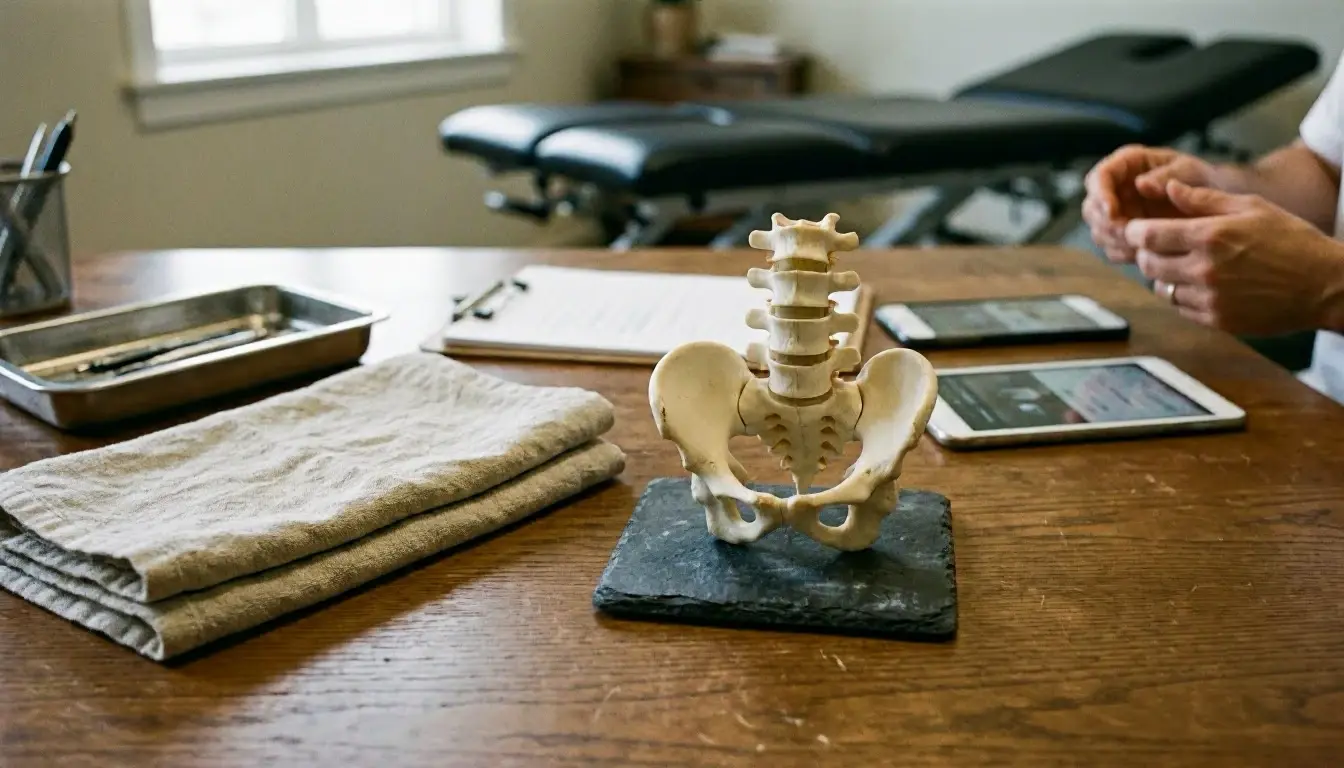
Flexion Distraction is a chiropractic technique focused on relieving pressure on the spine through gentle stretching and decompression. Unlike traditional spinal adjustments that use quick thrusts, Flexion Distraction involves slow, rhythmic movements that stretch the spine while the patient lies on a specially designed table. The goal is to create space between vertebrae, reducing compression on discs and nerves. This method is particularly helpful for conditions like herniated discs, where the cushioning between vertebrae bulges or ruptures, pressing on nearby nerves.
The technique was developed to offer a less forceful alternative to high-velocity adjustments, making it suitable for patients who may not tolerate traditional chiropractic methods. It's often recommended for individuals with chronic pain, older adults. Or those recovering from injuries. The procedure is typically painless and doesn't involve the cracking or popping sounds associated with other chiropractic techniques. Instead, patients usually feel a gentle stretching sensation as the table moves.
How Flexion Distraction Works?
Flexion Distraction works by using a segmented chiropractic table that moves in specific ways to stretch and decompress the spine. The patient lies face down on the table, which is divided into sections that can be adjusted independently. The chiropractor controls the table’s movements, applying gentle pressure to targeted areas of the spine while the table flexes and distracts. This combination of flexion (bending forward) and distraction (gentle pulling) helps to open up the spaces between vertebrae, reducing pressure on discs and nerves.
During the procedure, the chiropractor may also apply manual pressure to specific points on the spine to boost the effects of the stretching. The movements are slow and controlled, allowing the spine to gradually adapt to the decompression. A typical session lasts about 10 to 15 minutes. And patients often undergo multiple sessions to achieve the best results. The technique is highly customizable, with the chiropractor adjusting the table’s movements based on the patient’s condition and comfort level.
- The table flexes and distracts to stretch the spine gently.
- Manual pressure may be applied to targeted spinal areas.
- Sessions are typically painless and last 10 to 15 minutes.
- The technique is custom to each patient’s needs and condition.
Why Flexion Distraction Matters?

Flexion Distraction matters because it provides a non-invasive, drug-free option for managing spinal pain and improving mobility. Many patients with conditions like herniated discs or sciatica experience significant discomfort due to compressed nerves or degenerated discs. Surgery and medication are often the first options considered. But these come with risks and side effects. Flexion Distraction offers an alternative that can reduce pain, improve function. And help patients avoid more aggressive treatments. It is especially valuable for individuals who can't tolerate forceful adjustments or who are looking for a conservative approach to spinal care.
Beyond pain relief, Flexion Distraction can also improve spinal health by promoting better circulation and nutrient flow to the discs. Healthy discs act as shock absorbers for the spine. And maintaining their integrity is crucial for long-term mobility. The technique can also help restore proper spinal alignment, reducing the risk of future injuries or degeneration. For patients with chronic conditions, regular sessions may provide ongoing relief and help maintain an active lifestyle.
When Flexion Distraction Matters Most?
Flexion Distraction is most beneficial for patients experiencing specific types of spinal pain or dysfunction. It is commonly recommended for individuals with herniated or bulging discs, where the cushioning between vertebrae has shifted out of place. The technique is also effective for sciatica, a condition characterized by pain radiating down the leg due to nerve compression. Patients with spinal stenosis, a narrowing of the spinal canal, may also find relief through Flexion Distraction, as it helps to create more space for nerves and reduce pressure.
The technique is also useful for patients recovering from injuries, such as those caused by car accidents or falls, where spinal alignment may have been disrupted. Older adults or individuals with degenerative disc disease may benefit from the gentle nature of Flexion Distraction, as it does not involve forceful manipulation. And patients who have not responded to traditional chiropractic adjustments or physical therapy may find this method more effective. Flexion Distraction is not suitable for everyone, such as those with severe osteoporosis, fractures. Or certain infections. So a thorough evaluation by a chiropractor is necessary before starting treatment.
- Herniated or bulging discs causing nerve compression.
- Sciatica with pain radiating down the leg.
- Spinal stenosis or narrowing of the spinal canal.
- Chronic back pain or degenerative disc disease.
- Recovery from injuries affecting spinal alignment.