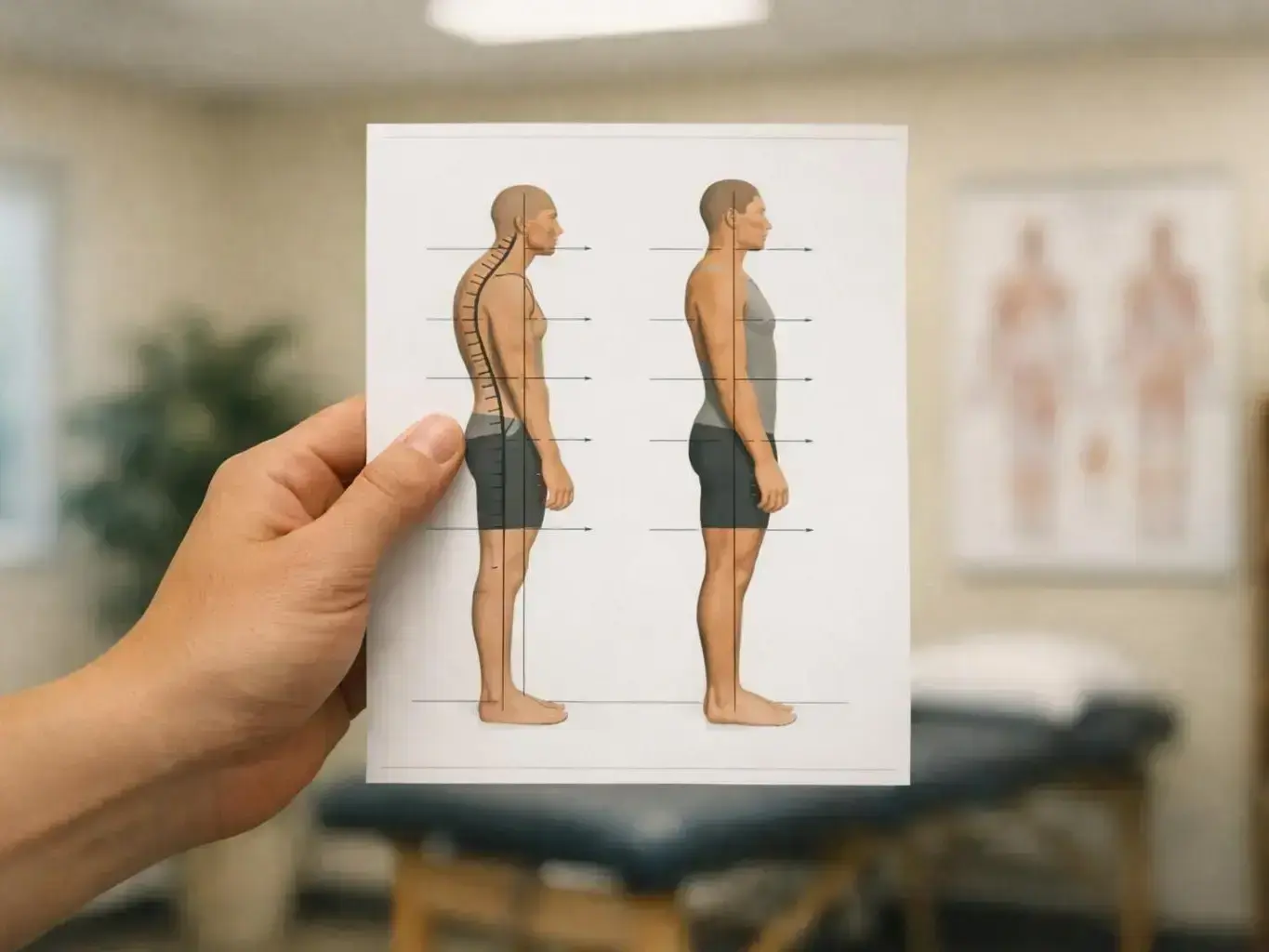
Understanding Grade I whiplash
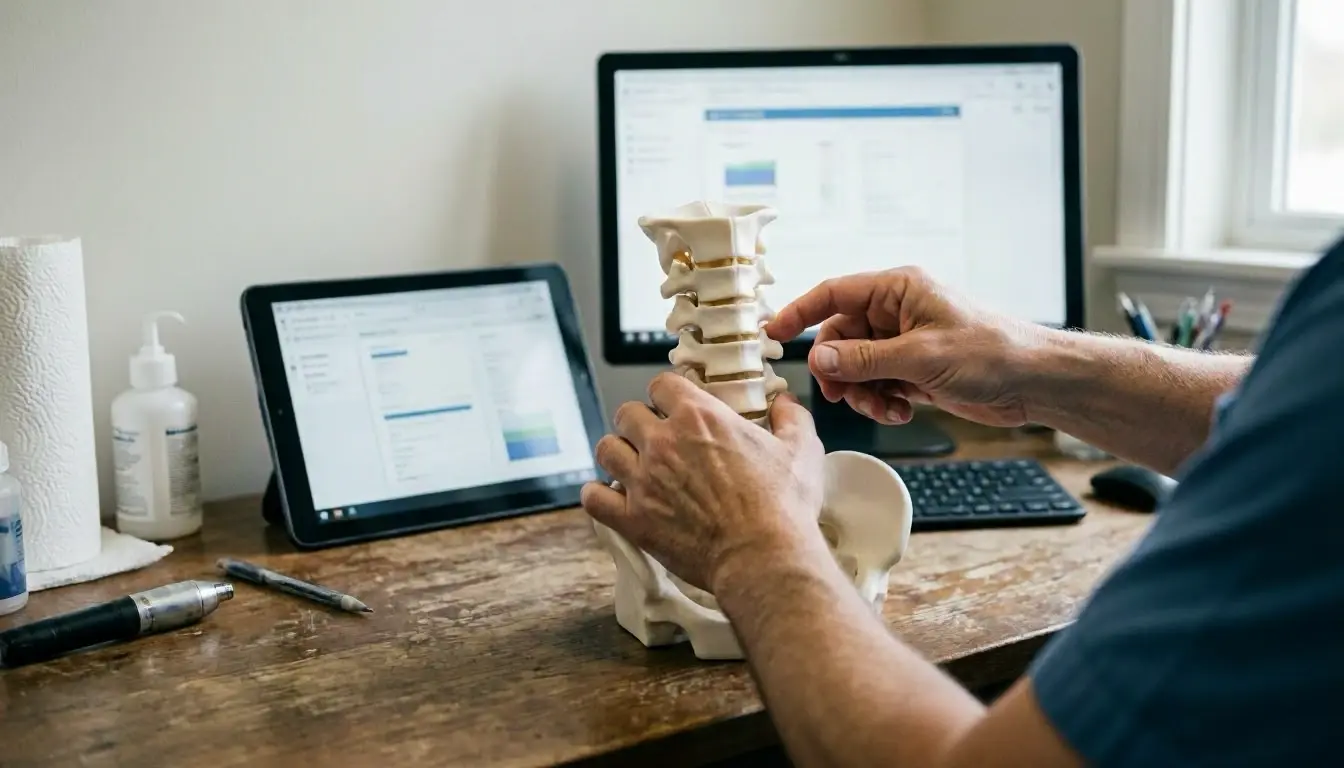
Grade I whiplash is the mildest kind of neck injury. Doctors use this term for whiplash.
A sudden jolt can cause it. This often happens in car crashes. The neck snaps back and forth fast.
This motion stretches neck muscles and ligaments. It can also stretch tendons. But it doesn't cause visible damage.
Grade I whiplash doesn't cause muscle spasms. It also doesn't limit neck movement. No numbness or tingling happens.
People with Grade I whiplash feel neck pain. They may feel stiff or sore. This starts hours or a day after the injury.
There are usually no bruises or swelling. So doctors rely on what patients say. They ask about accidents or injuries.
This type of whiplash is low-risk. It often gets better with little treatment.
How Grade I whiplash Is Measured?
Doctors use a system to grade whiplash. It's called the Quebec Task Force (QTF). Grade I is the mildest.
Grade I whiplash means neck pain or stiffness. But doctors won't see other signs. They won't see spasms or limited movement.
They also won't find nerve problems. Tests like X-rays aren't usually needed. They may order them if pain lasts weeks.
The grading helps doctors choose care. For Grade I, they focus on pain relief. They want to restore neck function.
Treatment may include ice or heat. It may include pain relievers. Light stretches can help too.
A chiropractor may adjust the neck. Physical therapy can help too. These help prevent long-term stiffness.
Why Grade I whiplash Matters?
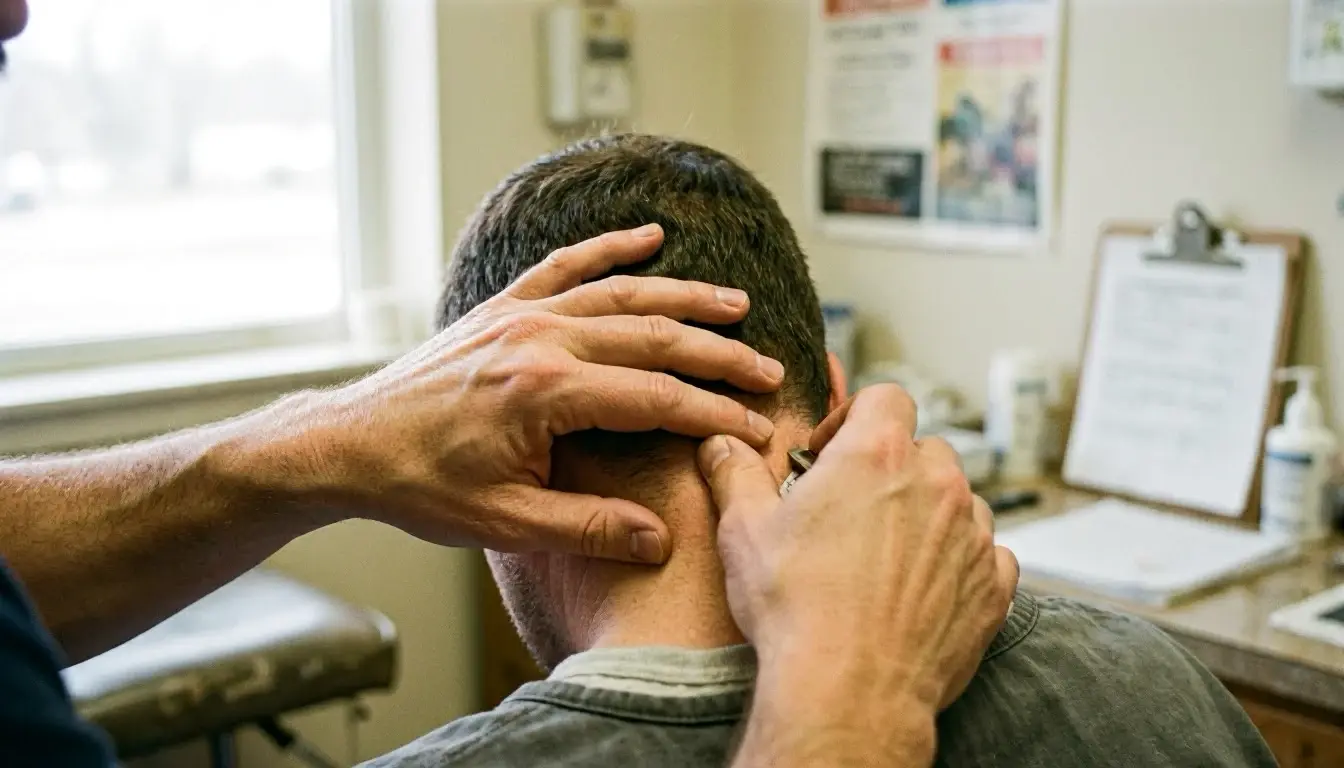
Grade I whiplash is mild. But treating it fast helps avoid problems. Without care, pain may last longer.
It can also limit movement. Early care helps the body heal. It lowers the risk of long-term pain.
It can cause headaches or muscle tension. Documenting it helps with insurance. This is key after car crashes.
Athletes and workers need to watch for this. Neck pain can limit sports or jobs. It can make daily tasks hard.
Treating it early helps people return to normal. They can go back to work or play sooner. There's less disruption.
When Grade I whiplash Matters Most?
Treat Grade I whiplash right after an injury. This could be a car crash or fall. Waiting can make symptoms worse.
It can take longer to get better. It also helps with insurance claims. This ensures coverage for treatment.
For legal cases, a clear diagnosis helps. It shows the injury's extent. It supports fair compensation.
Most cases get better fast. But if pain lasts weeks, see a doctor. It may mean a bigger problem.
A chiropractor can check for other issues. They may find disc problems. Or they may find spinal misalignment.