Understanding Grade III whiplash
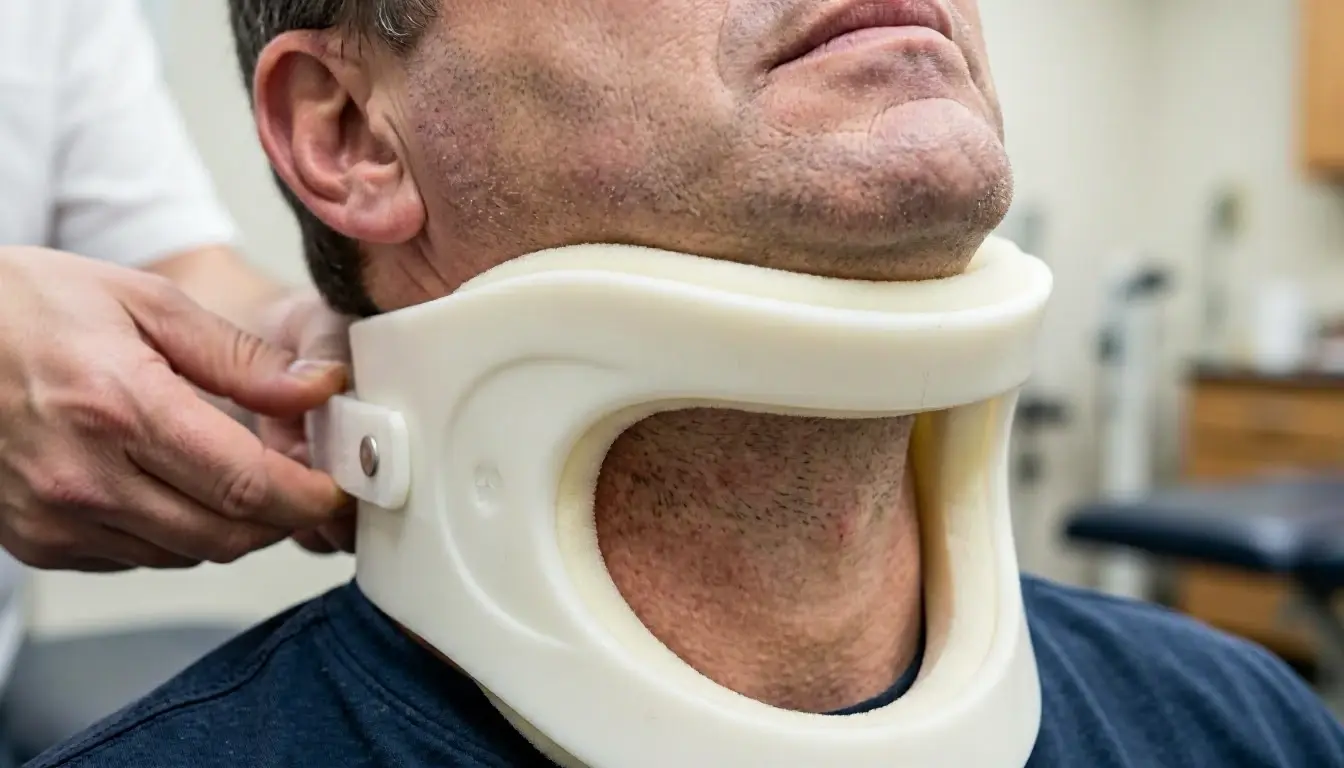
Grade III whiplash is part of a classification system used by healthcare providers to describe the severity of neck injuries caused by sudden acceleration-deceleration forces. These forces commonly occur during motor vehicle accidents, sports collisions. Or falls. The grading system ranges from Grade 0 (no injury) to Grade IV (fracture or dislocation). Grade III specifically indicates a moderate to severe injury involving both musculoskeletal damage and neurological symptoms.
The sudden jerking motion strains muscles, ligaments. And joints in the neck, leading to pain, stiffness. And reduced mobility. Unlike milder forms of whiplash, Grade III also includes nerve-related symptoms such as numbness, tingling. Or weakness in the arms or hands. These symptoms suggest potential damage to nerves or spinal structures, which may require imaging studies like X-rays or MRI scans to confirm.
How Grade III whiplash Is Diagnosed and Classified?
Healthcare providers diagnose Grade III whiplash using a combination of patient history, physical examination. And diagnostic tests. During the exam, the provider checks for signs of reduced range of motion, muscle spasms. And neurological deficits. For example, they may test reflexes, muscle strength. And sensation in the arms to identify nerve involvement. Imaging studies, such as X-rays, CT scans. Or MRIs, help rule out fractures, disc herniations. Or other structural damage.
The Quebec Task Force classification system is commonly used to grade whiplash injuries. Grade III whiplash falls between Grade II (musculoskeletal signs without neurological symptoms) and Grade IV (fractures or dislocations). This grading helps guide treatment decisions and predict recovery timelines. For instance, Grade III injuries often require more intensive care, such as physical therapy or chiropractic adjustments, to restore function and reduce pain.
Why Grade III whiplash Matters?

Grade III whiplash matters because it can significantly impact a person’s daily life and long-term health. The combination of musculoskeletal and neurological symptoms often leads to prolonged pain, limited mobility. And difficulty performing routine tasks. For example, numbness or weakness in the arms may interfere with work, driving. Or household activities. Without proper treatment, these symptoms can persist for months or even become chronic, affecting quality of life.
And Grade III whiplash may indicate underlying damage that could worsen if left untreated. Nerve compression or disc injuries, for instance, may lead to further complications if not addressed promptly. Early intervention, such as chiropractic care or physical therapy, can help reduce inflammation, restore movement. And prevent long-term disability.
When Grade III whiplash Matters Most?
Grade III whiplash matters most in situations where immediate and ongoing care is needed to prevent complications. For example, after a car accident, symptoms may not appear right away but can develop over the next 24-48 hours. Seeking medical attention early ensures proper diagnosis and timely treatment, which can improve outcomes. Delaying care may allow inflammation or nerve damage to worsen, leading to longer recovery times.
This injury also becomes critical when legal or insurance claims are involved. Documentation from a healthcare provider, including imaging results and treatment plans, is often required for personal injury protection (PIP) or workers' compensation claims. In Hermitage, TN, chiropractors frequently work with patients who have sustained Grade III whiplash from motor vehicle accidents, providing the necessary care and documentation to support their recovery and claims process.