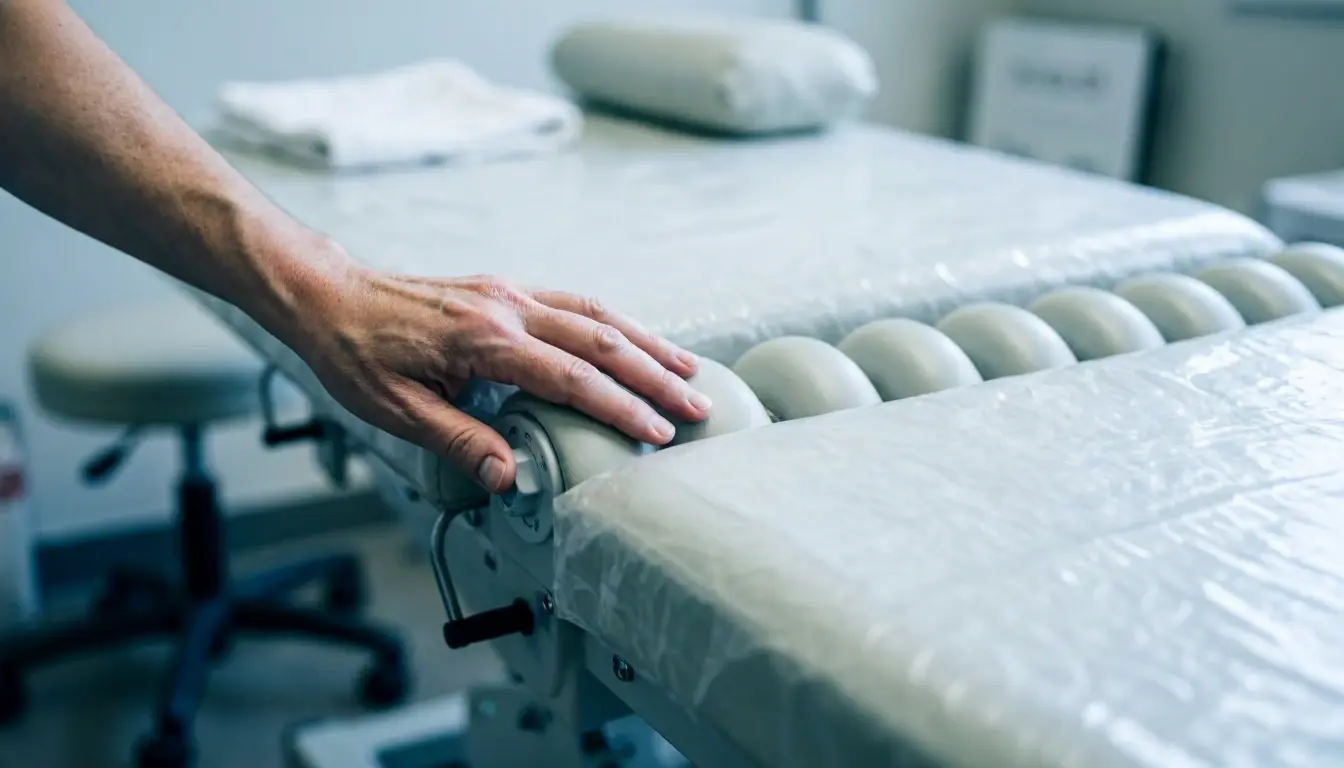
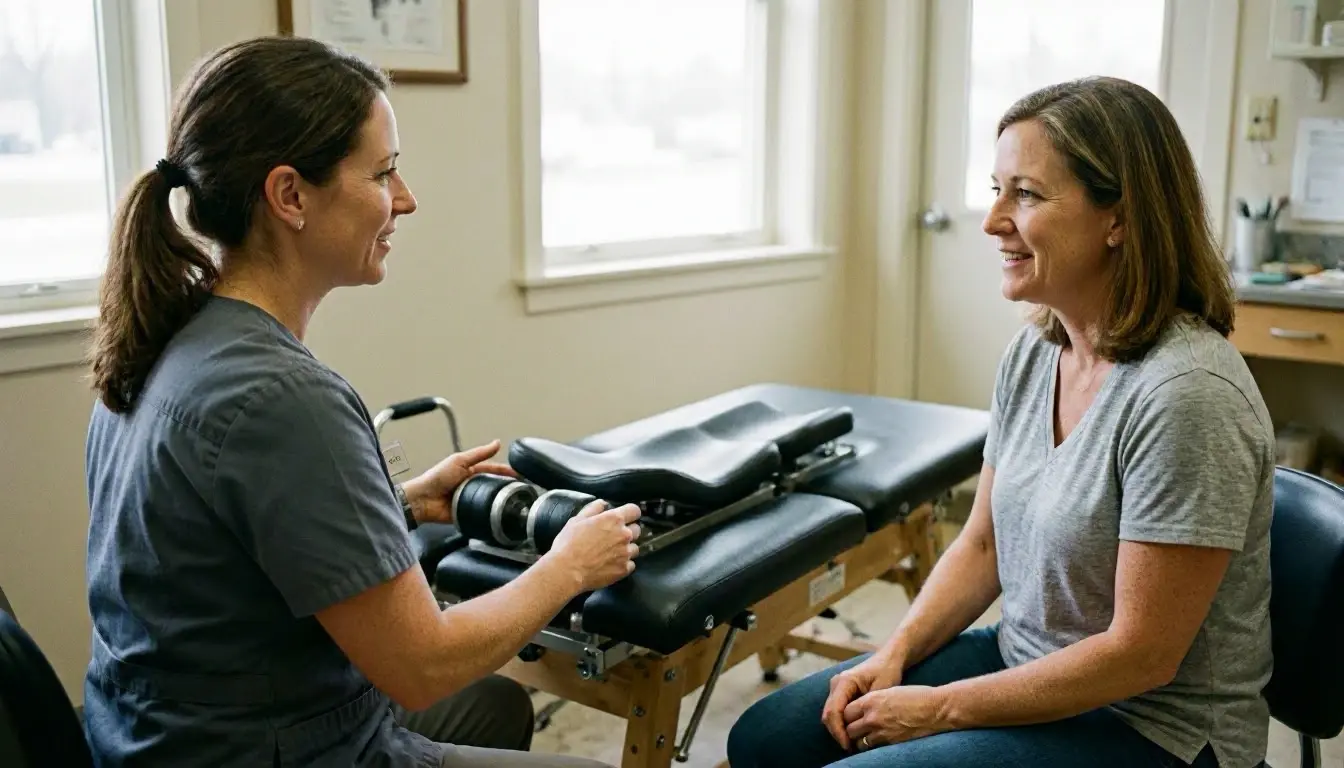
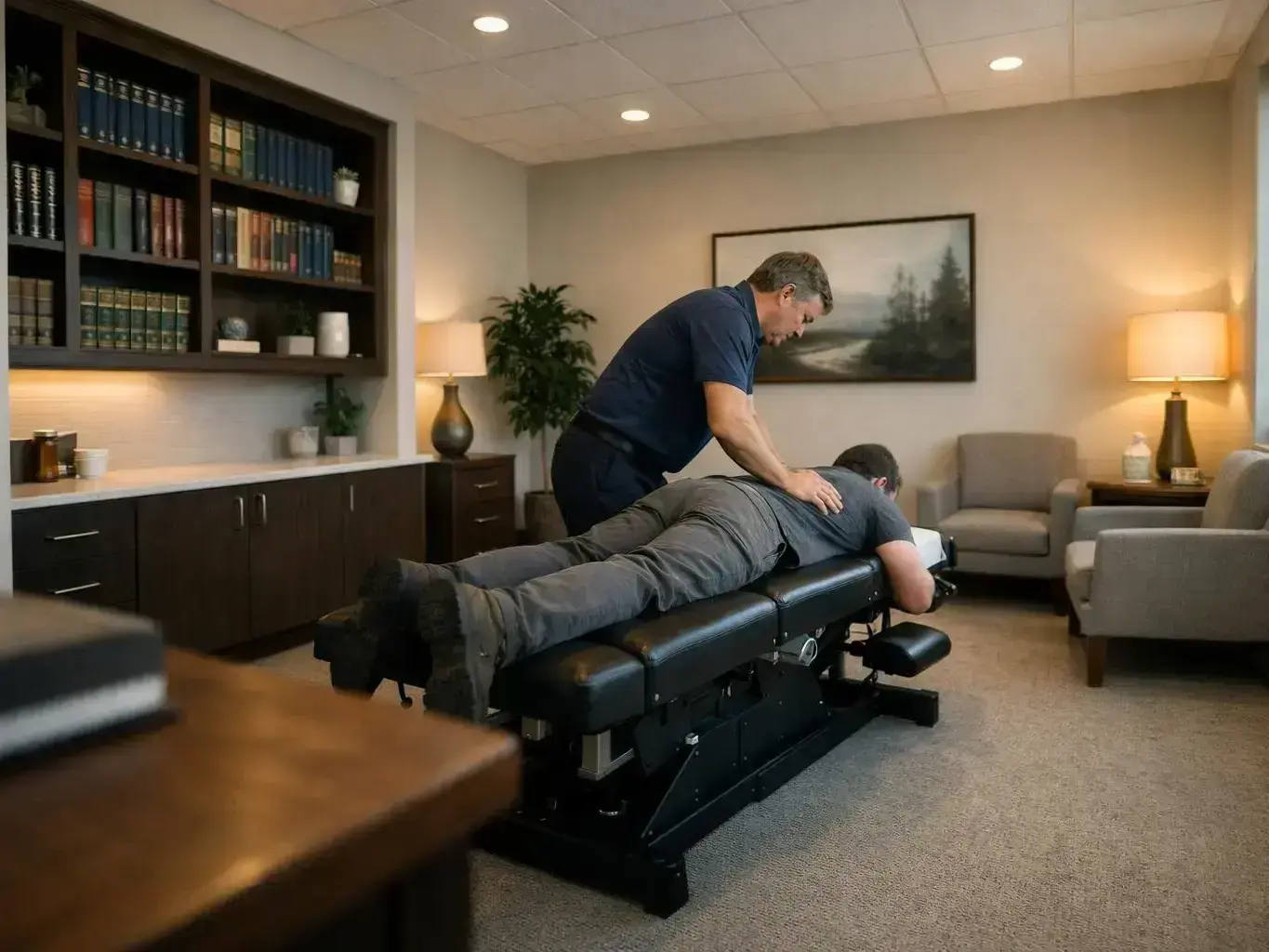
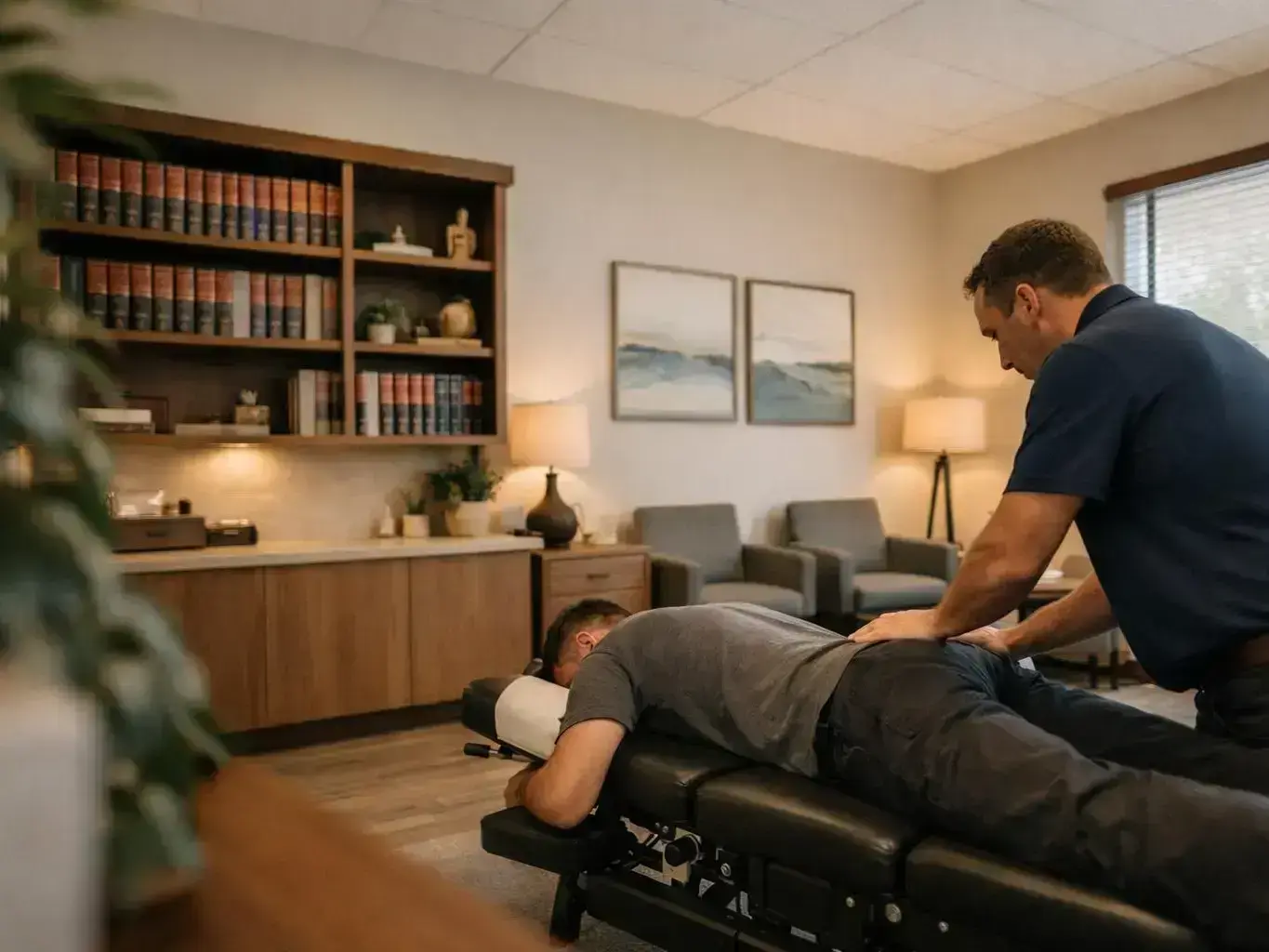
Intersegmental Traction is a chiropractic therapy that gently stretches and mobilizes the spine using a specialized table with rolling rollers. This passive treatment aims to improve spinal motion, reduce stiffness. And enhance circulation between vertebrae without manual adjustments or cracking.
Category
Chiropractic therapy
Used for
Spinal stiffness, postural stress. And muscle tension
Common confusion
Often mistaken for spinal decompression or manual adjustments
Also called
Roller Table Therapy, Spinal Mobilization Therapy
Often discussed with
Back Pain Treatment, Neck Pain Treatment

Intersegmental Traction is a non-invasive chiropractic technique designed to improve spinal function by gently stretching and mobilizing the vertebrae. Unlike manual adjustments that use sudden force, this therapy relies on a motorized table equipped with rolling mechanisms. These rollers move along the spine, creating a rhythmic stretching effect that targets individual spinal segments. The goal is to restore normal movement, reduce stiffness. And promote better circulation in the surrounding tissues.
Related glossary terms: Spinal Decompression, Chiropractic Adjustment, Flexion Distraction.
This therapy is often described as passive because the patient lies on the table while the rollers do the work. There is no need for active participation, making it suitable for individuals with limited mobility or those recovering from injuries. The stretching action helps decompress the spine, which can alleviate pressure on nerves and discs. Many patients report feeling relaxed during the session, similar to a gentle massage. But with a focus on spinal health rather than muscle tension alone.
The mechanism behind Intersegmental Traction involves the rolling action of the table’s mechanical rollers. As the patient lies face-up, the rollers move slowly along the length of the spine, applying a controlled stretch to each segment. This motion helps to separate the vertebrae slightly, which can reduce compression on spinal discs and nerves. The rhythmic movement also stimulates blood flow and lymphatic drainage, aiding in the delivery of nutrients to spinal tissues and the removal of waste products.
The table’s rollers can be adjusted to target specific areas of the spine, such as the lumbar or cervical regions, depending on the patient’s needs. The speed and intensity of the rollers are typically set to a comfortable level, ensuring the therapy remains gentle and non-invasive. Sessions usually last between 10 to 20 minutes. And patients may feel a mild stretching sensation but should not experience pain. The cumulative effect of multiple sessions can lead to improved spinal mobility and reduced discomfort over time.
Intersegmental Traction plays a valuable role in chiropractic care by addressing spinal stiffness and restricted motion, which are common contributors to back and neck pain. When the spine loses its natural flexibility, it can lead to compensatory movements, muscle imbalances. And increased stress on surrounding tissues. By gently mobilizing the spine, this therapy helps restore proper alignment and function, which can reduce pain and improve overall mobility. It's particularly beneficial for individuals who spend long hours sitting or engaging in repetitive motions, as these activities often lead to postural stress and spinal rigidity.
Another key benefit of Intersegmental Traction is its ability to complement other chiropractic treatments. For example, it can be used before manual adjustments to relax the spine and prepare the muscles for manipulation. It can also be used after adjustments to help maintain the improvements achieved during the session. Because the therapy is passive and non-forceful, it is well-suited for patients who may be hesitant about manual adjustments or those with conditions that make forceful techniques less desirable, such as osteoporosis or acute inflammation.
Intersegmental Traction is most beneficial for individuals experiencing spinal stiffness, chronic back or neck pain. Or postural imbalances. It is often recommended for patients recovering from injuries, such as whiplash or muscle strains, as it helps restore normal spinal motion without placing additional stress on healing tissues. The therapy is also useful for those with degenerative conditions, such as osteoarthritis, where spinal mobility may be compromised due to wear and tear on the joints. By improving circulation and reducing stiffness, Intersegmental Traction can help slow the progression of these conditions and improve quality of life.
This therapy is also valuable for individuals who spend extended periods sitting or performing repetitive tasks, such as office workers, drivers. Or athletes. These activities can lead to muscle imbalances and spinal misalignments, which may contribute to discomfort or injury over time. Regular sessions of Intersegmental Traction can help counteract these effects by promoting flexibility and reducing tension in the spine. And it can be a useful preventive measure for maintaining spinal health, especially for those with a history of back problems or a sedentary lifestyle.
Spinal Decompression uses a traction table to stretch the spine under computer control, often for disc-related issues. While Intersegmental Traction uses rolling rollers for general spinal mobility.
Flexion Distraction involves manual stretching of the spine by a chiropractor, often for disc herniations, whereas Intersegmental Traction is a passive, machine-driven therapy.
Intersegmental Traction is particularly effective for patients who need gentle mobilization but may not tolerate manual adjustments. It’s a low-risk therapy that can be tailored to individual comfort levels, making it a versatile option in chiropractic care.
A patient recovering from a car accident experiences stiffness in their lower back. Their chiropractor recommends Intersegmental Traction to gently mobilize the spine and reduce tension. After several sessions, the patient notices improved flexibility and less discomfort when sitting for long periods.
Spinal Decompression is a non-surgical treatment designed to relieve pressure on the spine and spinal nerves. It involves gently stretching the spine using a motorized table or traction device. This process helps create space between vertebrae, allowing herniated or bulging discs to retract and promoting healing by improving blood flow and nutrient exchange.
Chiropractic Adjustment is a precise manual procedure where a licensed chiropractor applies controlled force to a joint in the spine or other body part. The goal is to improve alignment, reduce pain. And restore normal movement. Adjustments are often performed using hands or specialized instruments and are tailored to each patient’s condition.
Flexion Distraction is a gentle, non-surgical chiropractic technique designed to relieve spinal pressure and treat conditions like disc herniation, sciatica. And back pain. It involves a specialized table that flexes and distracts the spine, creating negative pressure to decompress discs and improve mobility. This method is often used for patients who need a less forceful approach than traditional spinal adjustments.
Chiropractic Care is a health profession focused on diagnosing, treating. And preventing mechanical disorders of the musculoskeletal system, especially the spine. Chiropractic Care uses hands-on spinal manipulation and other alternative treatments to enable the body to heal itself without surgery or medication. The practice emphasizes the relationship between the spine and nervous system and its impact on overall health.
Herniated Disc is a spinal condition where the soft, gel-like center of a spinal disc pushes through a tear in the disc’s tough outer layer. This can irritate nearby nerves, causing pain, numbness. Or weakness in the back, legs. Or arms. Herniated discs often occur in the lower back or neck and may result from aging, injury.
Advanced Injury Care Clinic
Contact Advanced Injury Care Clinic for practical guidance on Intersegmental Traction and related chiropractor work in Hermitage.