Understanding Ligament Injury
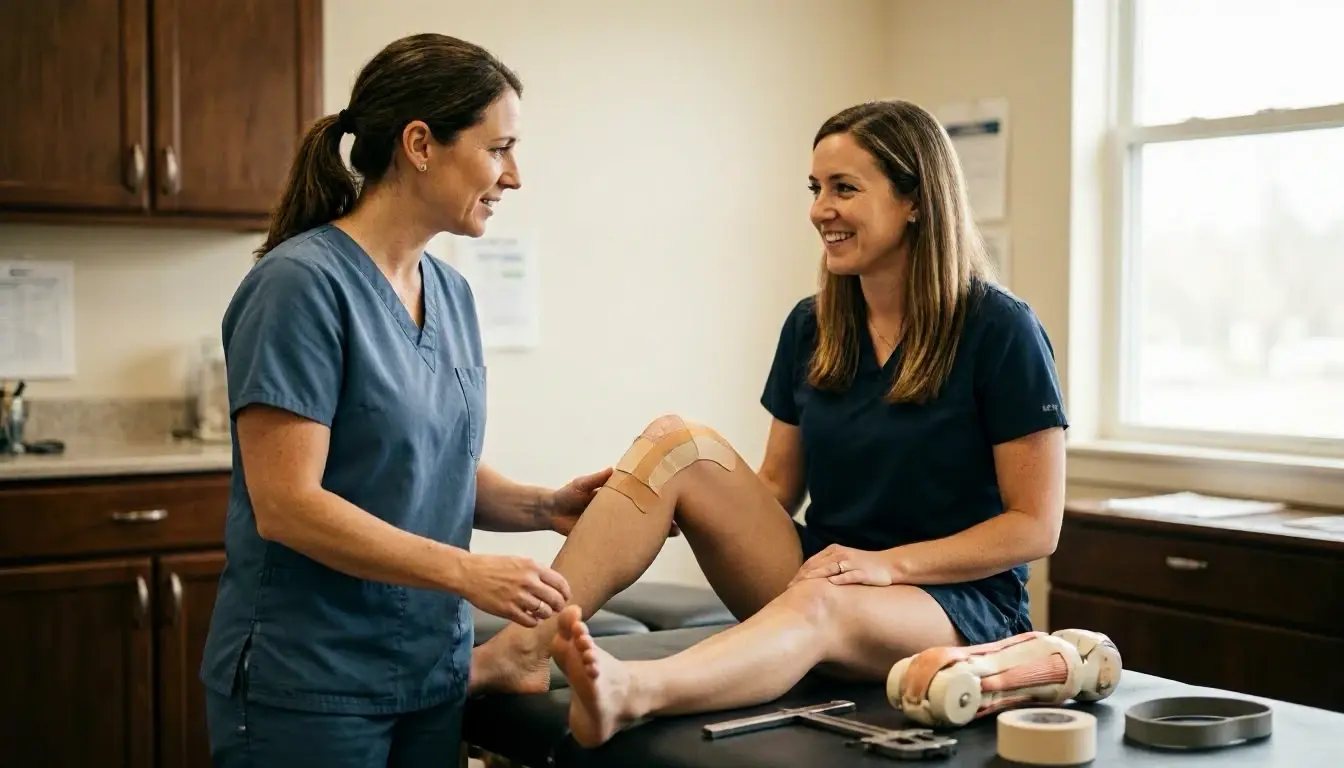
Ligaments are strong bands. They connect bones at joints. When hurt, they stretch or tear.
These injuries happen from sudden forces. A misstep or bad landing can cause them. They can also come from a collision.
Ligaments keep joints stable. They guide how joints move. When damaged, joints hurt or swell.
You may see bruising. The joint may feel loose. It might not work right.
Doctors grade ligament injuries. Grade I is mild. It means the ligament is stretched.
Grade III is a full tear. It is the worst kind. The ligament is completely torn.
Ligament injuries can happen anywhere. They are common in ankles, knees. And wrists. These joints bear weight.
An ankle sprain is common. It happens when the foot rolls inward. This hurts the ligaments on the ankle's side.
A knee twist can hurt the ACL. The ACL is a key knee ligament. It helps keep the knee stable.
Knowing how the injury happened helps. Doctors can find the hurt ligament. They can plan the right treatment.
How Ligament Injury Is Identified and Classified?
Doctors first check the injury. They look for swelling and pain. They test how stable the joint is.
They ask what happened. They want to know if you heard a pop. A pop can mean a tear.
X-rays rule out broken bones. MRIs show ligaments. They tell how bad the damage is.
Ultrasound can also help. It gives real-time pictures. It is often used in sports medicine.
Doctors use grades to plan treatment. Grade I is mild. It needs rest and ice.
Grade II is a partial tear. It has swelling and bruising. The joint may feel loose.
It often needs a brace. Physical therapy can help. Recovery takes longer.
Grade III is a full tear. The joint is very unstable. It may need a cast or surgery.
Recovery time varies. Mild sprains heal in weeks. Bad tears take months.
Why Ligament Injury Matters?
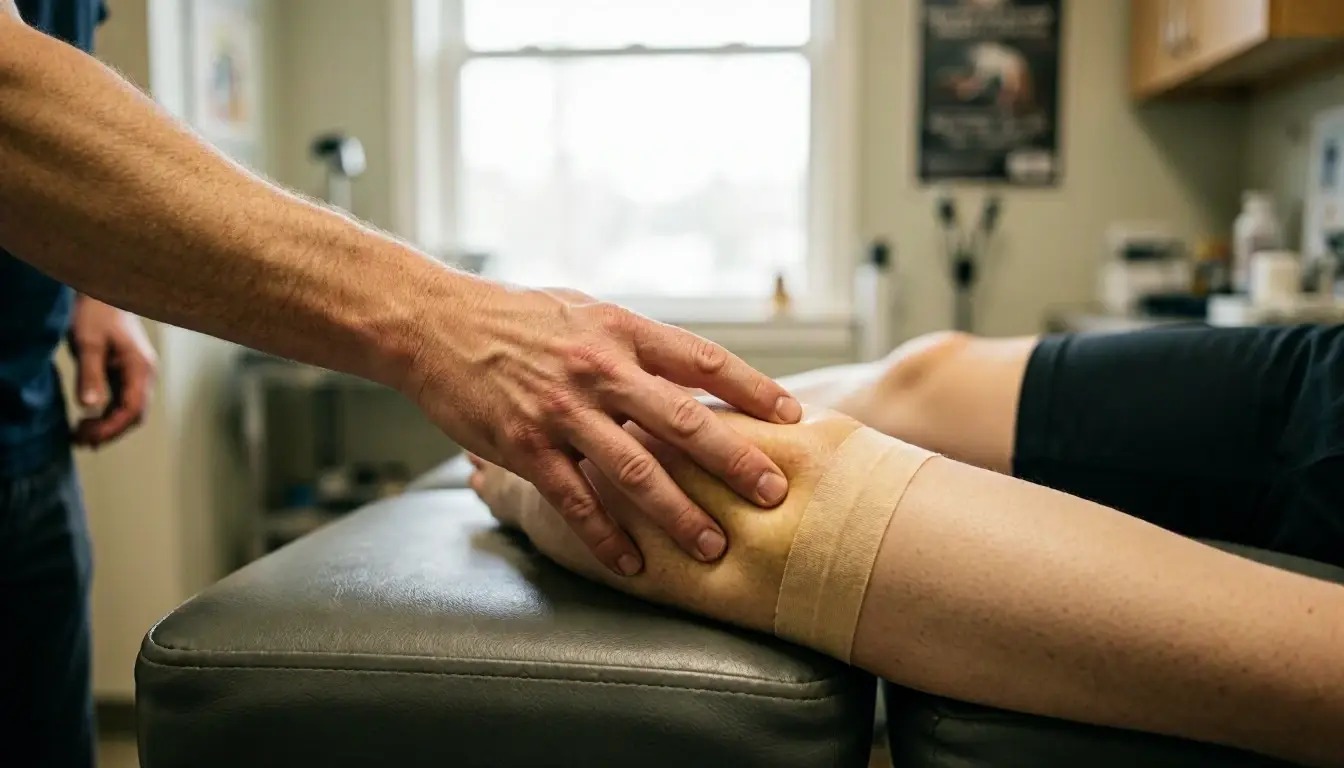
Ligament injuries matter a lot. They affect how you move. They can cause long-term problems.
Even a small sprain hurts. It can stop you from daily tasks. Sports or work may be hard.
A bad tear can cause lasting issues. It may lead to arthritis. It can cause more injuries.
Athletes may miss games. They may be out for weeks or months. This can hurt their career.
Untreated injuries can harm joints. They can damage cartilage or bones. Other ligaments may get hurt too.
Ligament injuries often come with other problems. These may be broken bones or dislocations. They need full care.
Early treatment helps. It reduces pain. It stops more problems later.
A knee injury can cause arthritis. But good care can stop this. A healed ankle sprain can be strong again.
Knowing this helps. It makes people get help fast. They will follow their recovery plan.
When Ligament Injury Matters Most?
Ligament injuries matter in active jobs. They matter in sports too. Accidents can cause them.
Sports like basketball and soccer have risks. Sudden stops or jumps can hurt ligaments. So can crashes.
Jobs can cause them too. Slips or falls can sprain ligaments. So can lifting heavy things.
Jobs like construction or nursing have risks. They need balance and movement. This can lead to sprains.
Everyday things can cause sprains. Stepping off a curb wrong can hurt. Everyone should know this.
Some people have more risk. Kids' ligaments are strong. But their bones are still growing.
A ligament can pull off a piece of bone. This is called an avulsion fracture. It is not a pure tear.
Older adults have weaker ligaments. They can get hurt easily. Their injuries heal slower.
People with past injuries have more risk. Scar tissue can make joints unstable. They can get hurt again.
Knowing these risks helps. People can take steps to stay safe. They can wear good shoes or braces.
Exercises can make joints stronger. This helps prevent sprains. It keeps people safe.