Understanding Magnetic Resonance Imaging
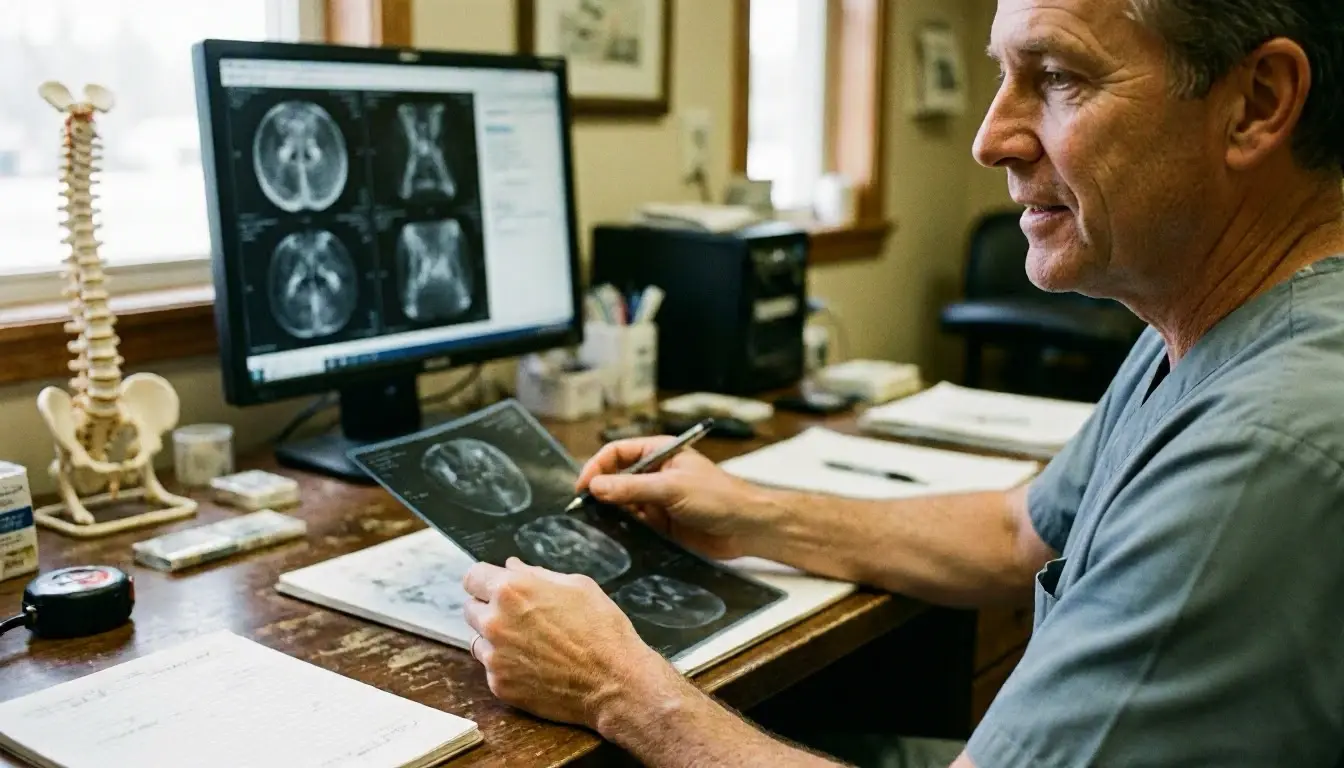
MRI is a way to see inside your body. It doesn't cut or hurt you. Doctors call it Magnetic Resonance Imaging.
It uses a big magnet, radio waves. And a computer. These make pictures of your organs, muscles. And nerves. The pictures show soft parts of your body.
MRI doesn't use radiation. So it's safer than X-rays or CT scans (another type of scan). It's best for looking at your spine, brain. Or joints.
The pictures can find problems other tests miss. These include disc herniation (a bulging disc), pinched nerves. Or muscle tears.
How Magnetic Resonance Imaging Works?
MRI machines are big and tube-shaped. You lie inside during the scan. The machine makes a strong magnetic field.
This field lines up water in your body. Radio waves then make these water parts send signals. The computer turns signals into pictures.
You won't feel pain. But the space is tight. The machine makes loud knocking sounds. You'll get earplugs or headphones for the noise.
The machine makes protons (tiny parts of water) line up. Radio waves make them spin. When they line up again, they send out energy.
The machine catches this energy. It uses it to make pictures. Different parts of your body send energy at different speeds.
This lets the MRI tell muscles from fat. It can also tell nerves from other parts. The pictures are like slices of bread.
Doctors can look at slices from many angles. They can see top to bottom, side to side. Or front to back. This gives them a full view.
For example, an MRI of your spine can show problems. It can find herniated discs or narrow spaces. It can also find pinched nerves causing back pain.
MRI pictures are very detailed. They make it easier to find conditions. These might not show up on X-rays or ultrasounds (another type of scan).
Some MRIs use a special dye. This dye is called a contrast agent. It goes into your blood to highlight certain areas.
The dye makes blood vessels and sore spots stand out. This makes them easier to see. Doctors often use it for brain, spine. Or joint scans.
It helps find tumors or infections. Not all MRIs need this dye. The doctor decides if you need it.
Why Magnetic Resonance Imaging Matters?
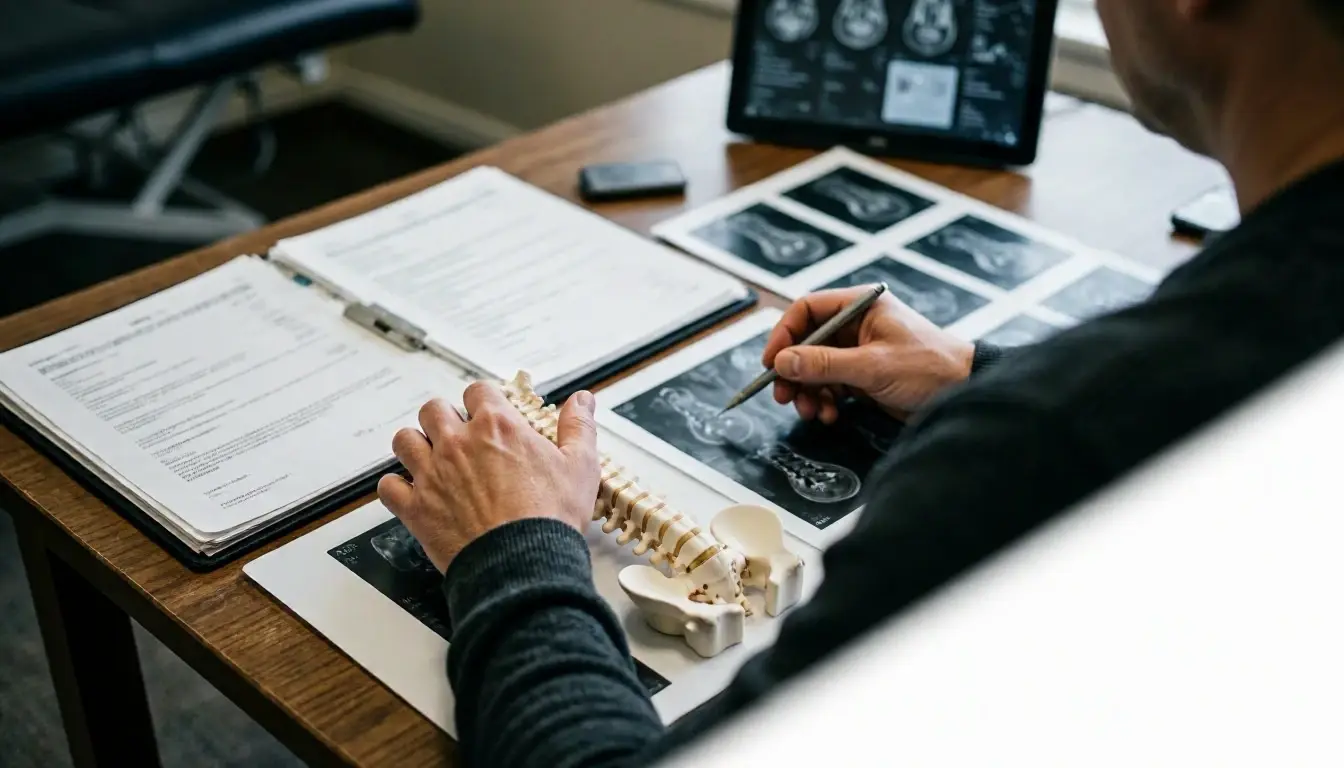
MRI helps find many health problems. It's great for soft parts of your body. Chiropractors (back doctors) use it often.
It can show why you hurt. It finds disc herniation, pinched nerves. Or muscle injuries. X-rays might miss these problems.
This helps doctors make better plans. You might need chiropractic care, therapy. Or surgery. Without MRI, some problems might not be found.
MRI is safer than other scans. It doesn't use radiation. So you can have it many times. This is good for long-term problems.
Doctors use it to watch conditions like multiple sclerosis (a nerve disease). It also checks spine wear and tear. MRI works on almost any body part.
It can scan your brain or knees. The detailed pictures help avoid unneeded surgeries. They show exactly where and how bad a problem is.
When Magnetic Resonance Imaging Matters Most?
Doctors suggest MRI when other tests don't help. X-rays or check-ups might not give enough answers. MRI can show more.
For example, if your back hurts a lot, MRI can help. It can show herniated discs or narrow spines. It can also show nerve damage.
MRI is used after injuries too. Car crashes or sports hits can hurt soft parts. These might not show on the outside. MRI can find them.
MRI is key for chiropractic care. It finds problems that chiropractors can fix. For instance, a crooked bone pressing on a nerve.
A chiropractor can adjust that spot. But MRI isn't always the first test. Doctors start with easier tests like X-rays.
They only order MRI if they need more details. MRI costs more and takes longer. So they think carefully before using it.
- After an injury to check for soft tissue damage.
- When numbness or weakness hints at nerve problems.
- To watch long-term issues like arthritis or disc wear.
- Before surgery to check where and how bad a problem is.
Some people can't have MRI. This includes those with metal in their body. People with pacemakers can't have it either.
If you're scared of tight spaces, it might not work. In these cases, doctors use other scans. These include CT scans or ultrasounds.
But for most people, MRI is safe and works well. It gives the clearest look inside your body.