Glossary

What is Spinal Manipulation?

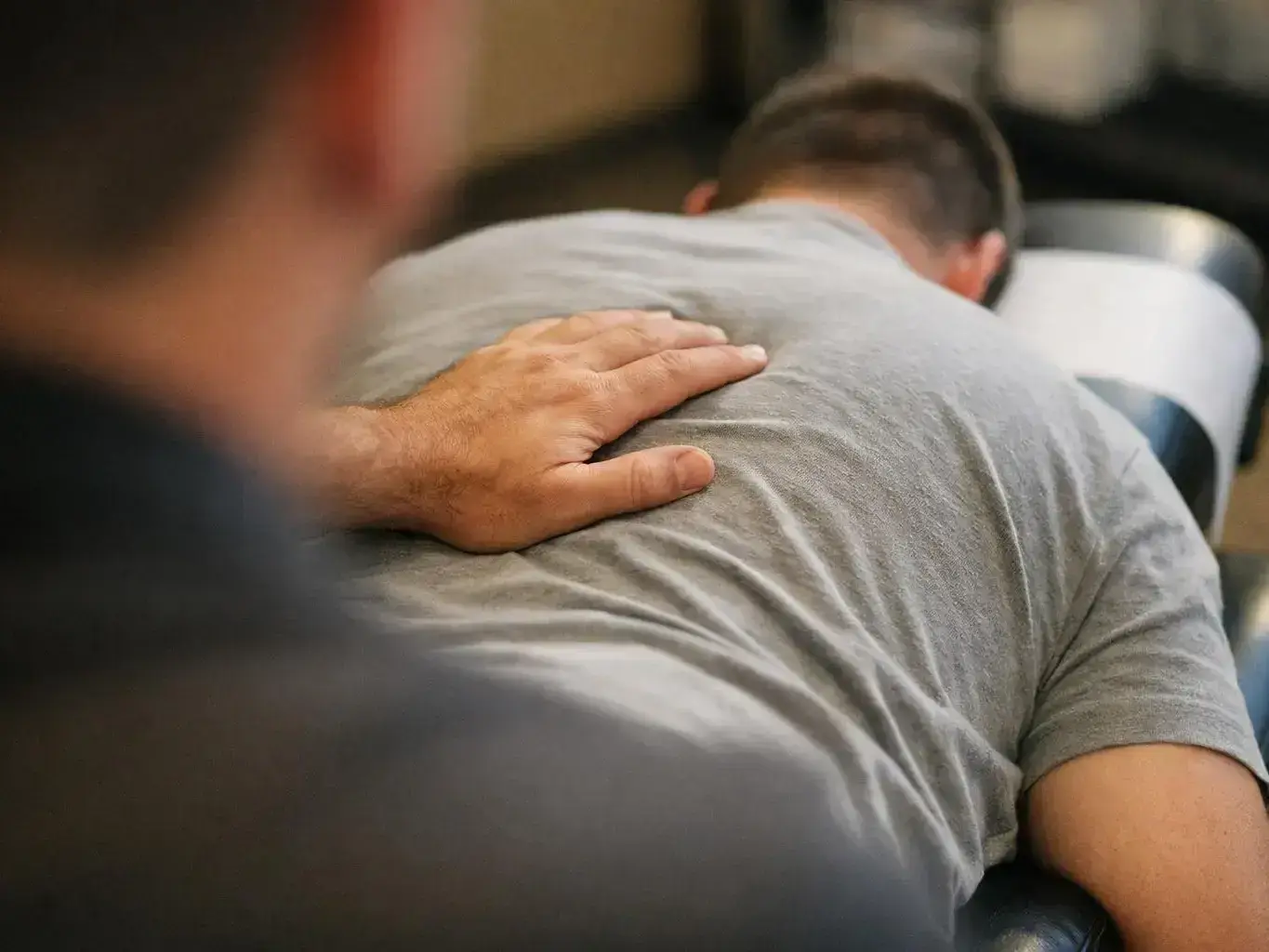
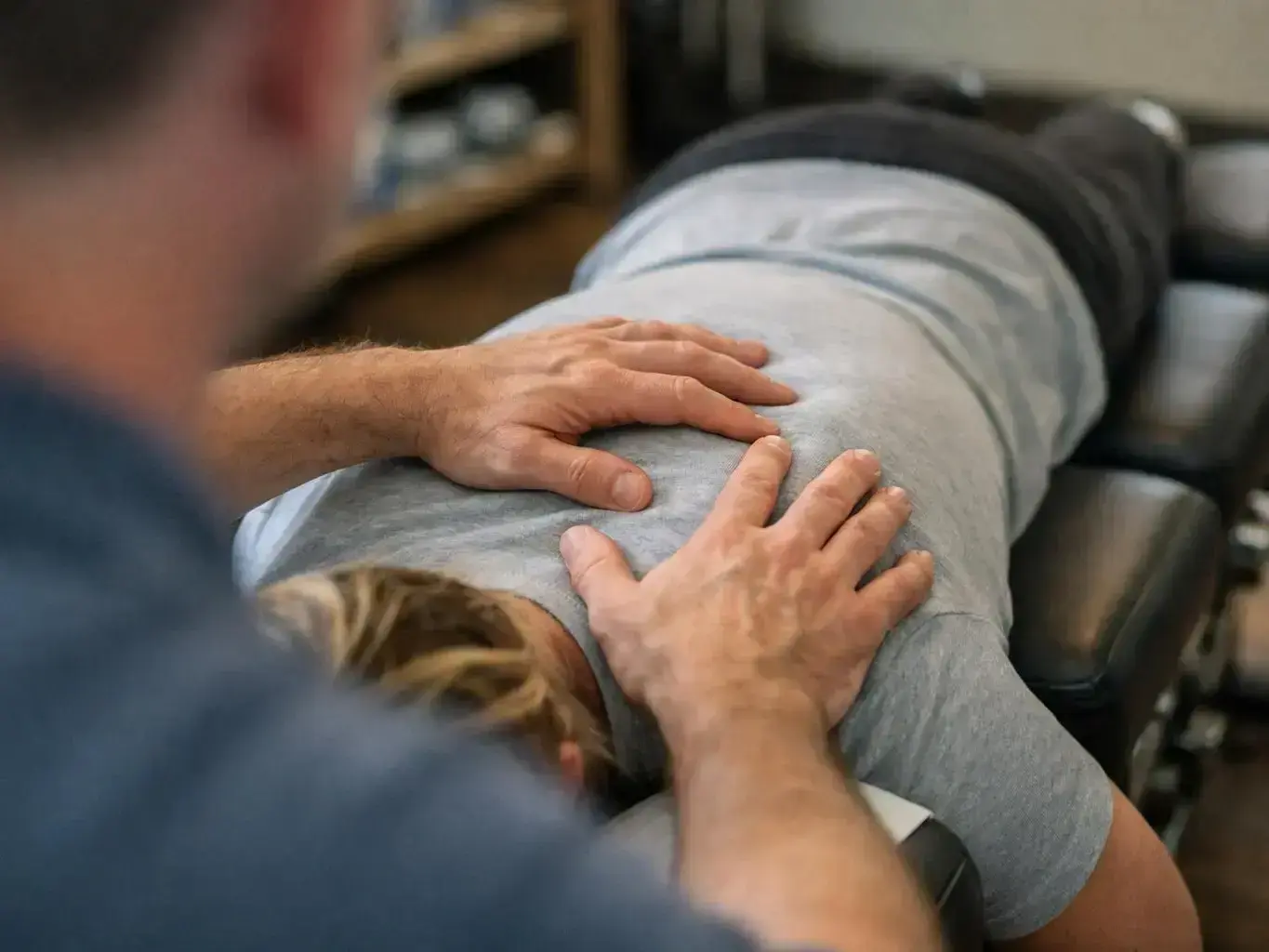
Spinal Manipulation is a hands-on treatment technique used by chiropractors and other trained healthcare providers to apply controlled force to a joint in the spine. This force helps improve spinal motion, reduce pain. And restore function by addressing stiffness, misalignments. Or nerve irritation. The procedure often produces a popping sound caused by gas releasing from the joint.

Reviewed by Advanced Injury Care ClinicSources reviewed: American Chiropractic Association, National Center for Complementary and Integrative Health

Quick Facts About Spinal Manipulation

Category

Chiropractic and manual therapy technique

Used for

Back pain, neck pain, headaches, joint dysfunction

Common confusion

Often mistaken for massage or spinal surgery

Also called

Spinal Adjustment, High-Velocity Low-Amplitude (HVLA) Technique

Often discussed with

Back Pain Treatment, Neck Pain Treatment

Key Takeaways About Spinal Manipulation

Understanding Spinal Manipulation
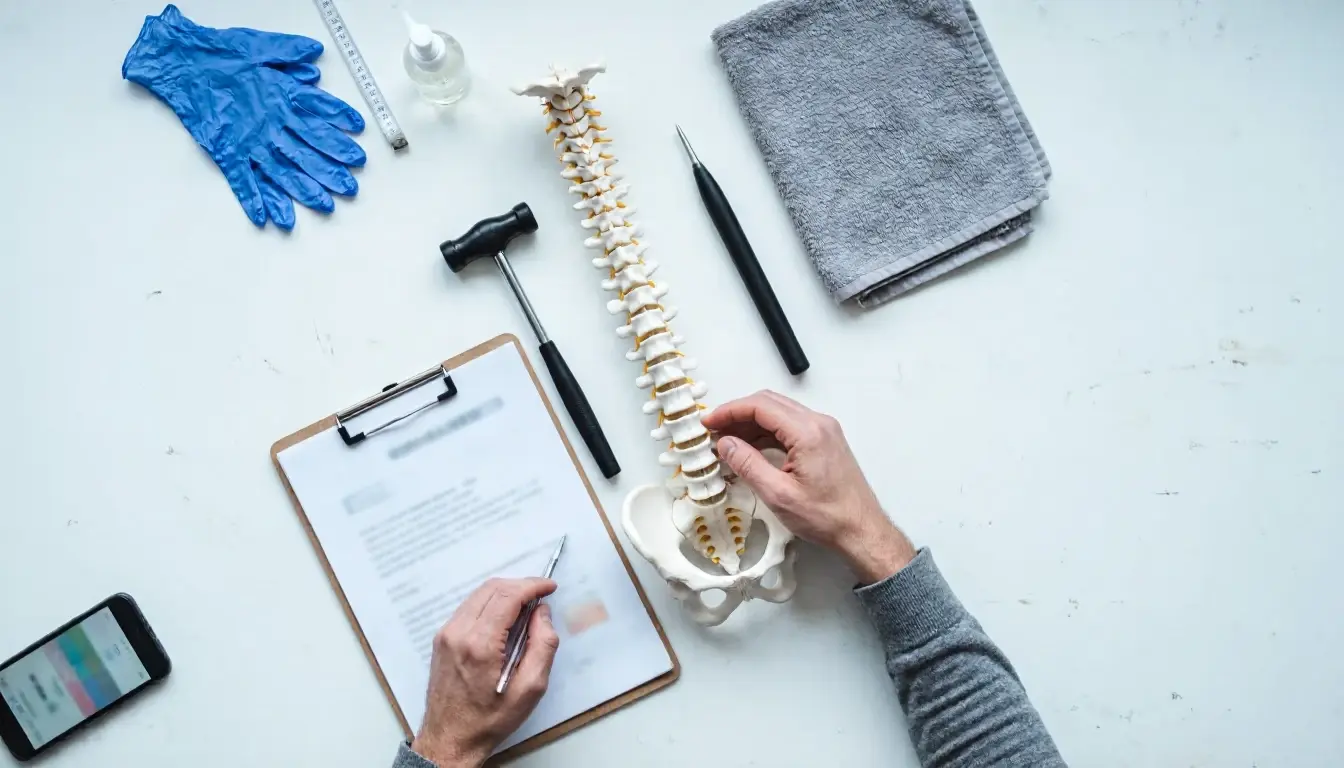
Spinal Manipulation in Chiropractor—Hermitage

Spinal Manipulation helps joints in your spine. A doctor gives a quick, gentle push. This push is called a force.

Related glossary terms: Chiropractic Adjustment, Chiropractic Care, Myofascial Release.

Chiropractors (spine doctors) do this most often. Some physical therapists and other doctors do it too. It helps your spine work better.

It can lower pain. It helps your body heal itself. It may sound scary but it doesn’t hurt.

The push stays inside how much your joint can move. You might hear a pop or crack sound. This sound comes from gas bubbles.

The bubbles are in the fluid around your joint. The sound is called cavitation (kuh-vih-TAY-shun). It is not bad. It doesn’t mean harm.

The joint just stretches a little. The sound can surprise you. But you don’t need it for the treatment to work.

Some people feel better right away. Others need a few visits. This is normal.

How Spinal Manipulation Works?

Spinal Manipulation puts your spine back in line. It helps joints move like they should. When joints get stiff, they can hurt.

They can bother nerves, muscles. And other parts. This causes pain. It can make moving hard.

The push helps put the joint back. It takes pressure off nerves. It lets muscles relax.

This helps blood flow better. It cuts down swelling. It helps the area heal.

Doctors only fix joints that don’t move right. They use their hands or small tools. They change how hard and where they push.

They do this for your comfort. They check you first. They ask about your health.

They might take pictures of your spine. This makes sure the treatment is safe for you.

Why Spinal Manipulation Matters?

Spinal Manipulation helps without surgery. It helps without medicine. This is good for many people.

It can help with back pain. It can help with neck pain. It can help with headaches.

Some people can’t take medicine. Some don’t want surgery. This treatment can help them.

It can make your body work better. Your spine helps you stand tall. It helps you move right.

It helps your nerves talk to your body. This can help with daily tasks. It can help with work and sports.

Fixing spine problems early can stop worse problems. It can keep you healthy longer.

When Spinal Manipulation Matters Most?

Spinal Manipulation helps with spine joint problems. It works for sudden pain. It works for long-term pain.

It can help with low back pain. It can help with neck pain. It can help with headaches.

Some migraines get better too. It can help shoulders and hips. But it mostly helps the spine.

Rest, medicine. And therapy don’t always work. This treatment might help then.

But it’s not for everyone. People with weak bones may need something else. So may people with broken spines.

People with infections or nerve problems should avoid it. Pregnant women should ask their doctor first.

People who had spine surgery should ask too. A chiropractor (spine doctor) will check you. They will see if it’s safe for you.

How to Evaluate Spinal Manipulation?

Related Concepts Compared

Spinal Manipulation vs. Chiropractic Adjustment

Chiropractic Adjustment is a broader term that includes spinal manipulation but may also involve other techniques like mobilization or soft tissue therapy.

Spinal Manipulation vs. Spinal Mobilization

Spinal Mobilization uses slower, gentler movements to stretch the spine. While Spinal Manipulation involves quick, controlled thrusts.

Spinal Manipulation vs. Massage Therapy

Massage Therapy focuses on muscles and soft tissues. While Spinal Manipulation targets joints and spinal alignment.

Expert Note

Spinal Manipulation is most effective when combined with other therapies like exercise, stretching. And lifestyle changes. A single session rarely resolves chronic issues. So consistency and follow-up care are key.

Common Mistakes or Myths About Spinal Manipulation

  • Believing spinal manipulation is the same as cracking your own back at home.
  • Assuming one session will resolve chronic pain permanently.
  • Ignoring the importance of follow-up care and at-home exercises.
  • Choosing a provider without verifying their license or training.

Spinal Manipulation in Practice: A Real-World Example

A patient with chronic lower back pain visits a chiropractor after months of stiffness and discomfort. The chiropractor performs spinal manipulation, focusing on the restricted joints in the lower spine. After a few sessions, the patient notices improved mobility and reduced pain, allowing them to return to daily activities with less difficulty.

Related Services

Related Terms

Chiropractic Adjustment

Chiropractic Adjustment is a precise manual procedure where a licensed chiropractor applies controlled force to a joint in the spine or other body part. The goal is to improve alignment, reduce pain. And restore normal movement. Adjustments are often performed using hands or specialized instruments and are tailored to each patient’s condition.

Chiropractic Care

Chiropractic Care is a health profession focused on diagnosing, treating. And preventing mechanical disorders of the musculoskeletal system, especially the spine. Chiropractic Care uses hands-on spinal manipulation and other alternative treatments to enable the body to heal itself without surgery or medication. The practice emphasizes the relationship between the spine and nervous system and its impact on overall health.

Myofascial Release

Myofascial Release is a hands-on therapy that gently stretches and releases tightness in the fascia, the connective tissue surrounding muscles, bones. And organs. This technique aims to relieve pain, improve mobility. And restore normal function by applying sustained pressure to areas of tension or restriction. It's commonly used for chronic pain, injuries. And postural issues.

Flexion Distraction

Flexion Distraction is a gentle, non-surgical chiropractic technique designed to relieve spinal pressure and treat conditions like disc herniation, sciatica. And back pain. It involves a specialized table that flexes and distracts the spine, creating negative pressure to decompress discs and improve mobility. This method is often used for patients who need a less forceful approach than traditional spinal adjustments.

Advanced Injury Care Clinic

Have Questions About Spinal Manipulation?

Contact Advanced Injury Care Clinic for practical guidance on Spinal Manipulation and related chiropractor work in Hermitage.

+1 615-777-0624