Understanding Spinal Stenosis
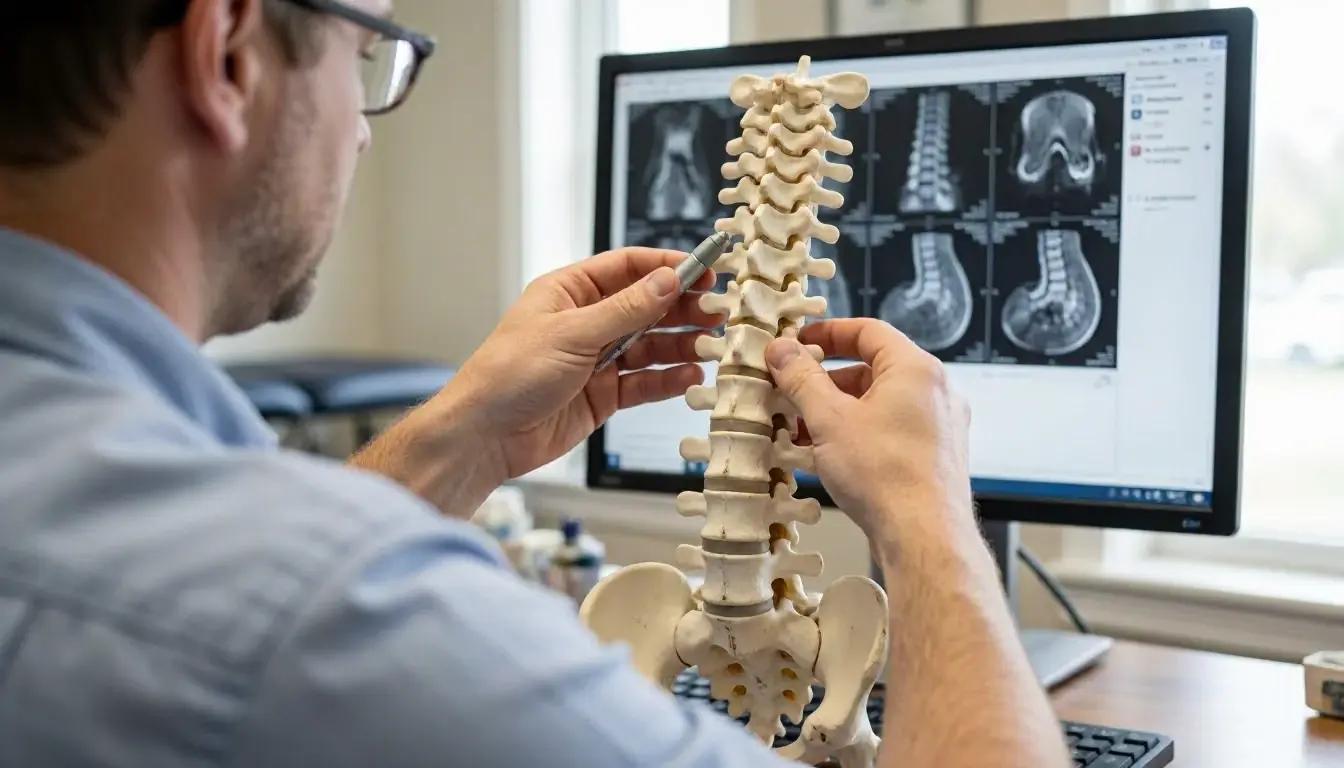
Spinal Stenosis is a medical condition where the spinal canal or the spaces between vertebrae become narrower. This narrowing can squeeze the spinal cord and the nerves branching out from it, leading to discomfort or dysfunction. The spine is designed to protect these nerves. But when the space around them shrinks, it can cause irritation, inflammation. Or compression. Most cases of Spinal Stenosis develop gradually over time, often due to aging, arthritis. Or wear-and-tear changes in the spine.
While Spinal Stenosis can occur anywhere along the spine, it's most common in two areas: the lumbar region (lower back) and the cervical region (neck). Lumbar stenosis often causes symptoms like pain, tingling. Or weakness in the legs. While cervical stenosis may affect the arms, hands. Or even balance. Some people with Spinal Stenosis experience no symptoms at all. While others may struggle with daily activities like walking or standing for long periods. The severity of symptoms depends on how much the nerves are compressed and where the narrowing occurs.
How Spinal Stenosis Works?
The spine is made up of bones called vertebrae, which stack on top of each other to form a protective tunnel for the spinal cord. Between each vertebra, discs act as cushions. And ligaments hold the bones together. Over time, these structures can change: discs may bulge, ligaments may thicken. And bones may develop spurs (small bony growths). These changes can reduce the space available for the spinal cord and nerves, leading to Spinal Stenosis.
As the space narrows, nerves can become pinched or irritated. This pressure disrupts the normal signals nerves send to the brain, causing symptoms like pain, numbness. Or muscle weakness. For example, lumbar Spinal Stenosis may cause sciatica—a sharp pain that radiates down the leg—while cervical stenosis might lead to tingling in the hands or difficulty with fine motor tasks. The body’s natural aging process is the most common cause. But injuries, tumors. Or inherited conditions (like a naturally narrow spinal canal) can also contribute.
In practice, Diagnosing Spinal Stenosis typically involves imaging tests like X-rays, MRI scans. Or CT scans. These tests allow healthcare providers to see the spine’s structure and identify areas of narrowing. A physical exam may also be performed to check for signs of nerve compression, such as reflex changes or muscle weakness. Understanding the location and severity of the narrowing helps guide treatment options.
Why Spinal Stenosis Matters?
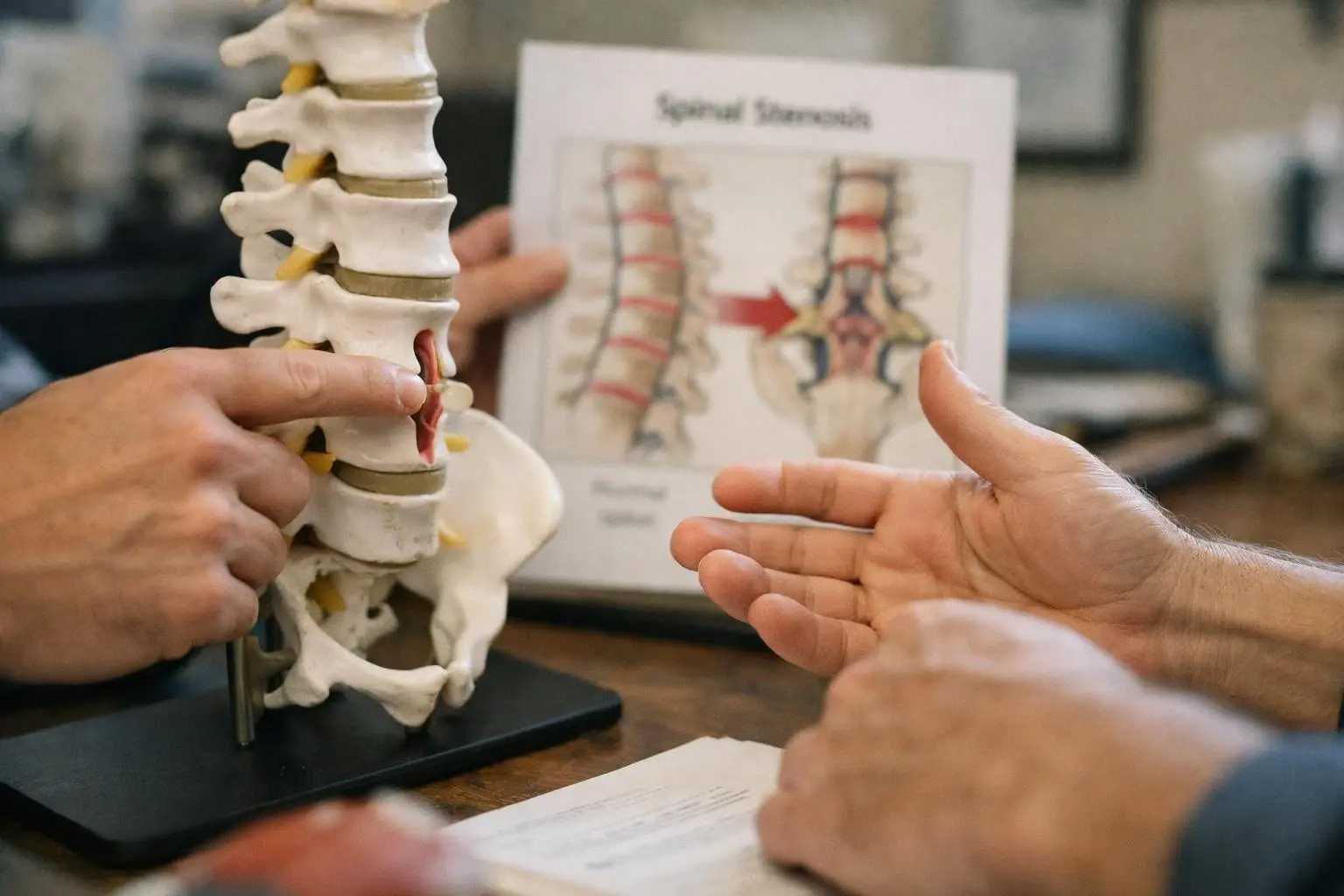
Spinal Stenosis matters because it can significantly impact a person’s quality of life. Chronic pain, numbness. Or weakness can make it difficult to perform everyday tasks, such as walking, standing. Or even sitting comfortably. In severe cases, Spinal Stenosis can lead to loss of bladder or bowel control, a condition called cauda equina syndrome, which requires emergency medical attention. Even mild cases can limit mobility and independence, especially in older adults.
Beyond physical symptoms, Spinal Stenosis can also affect mental health. Chronic pain and limited mobility can lead to frustration, anxiety. Or depression. Managing the condition effectively—whether through conservative treatments like exercise and chiropractic care or more invasive options like surgery - can help individuals maintain their independence and reduce discomfort. Early intervention often leads to better outcomes, making it important to recognize symptoms and seek evaluation.
When Spinal Stenosis Matters Most?
Spinal Stenosis becomes particularly important in certain situations. For example, older adults may notice symptoms worsening over time, especially if they have arthritis or a history of spinal injuries. People who engage in repetitive activities, such as heavy lifting or prolonged standing, may also experience earlier onset of symptoms. And individuals with jobs or hobbies that require frequent bending, twisting. Or carrying heavy loads may be at higher risk.
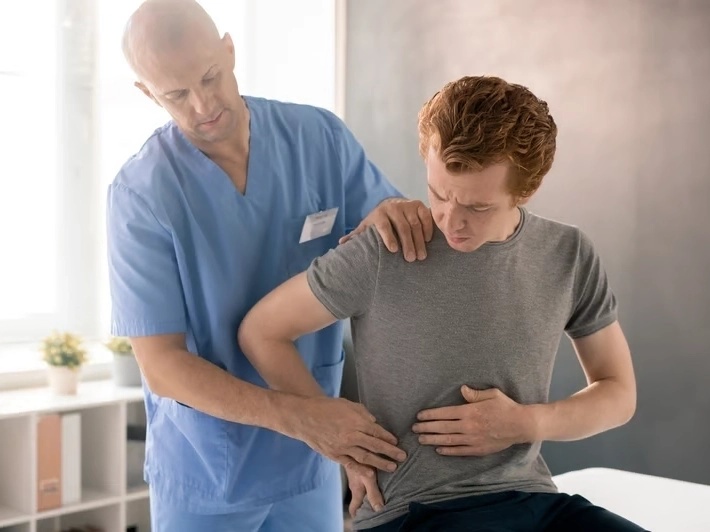
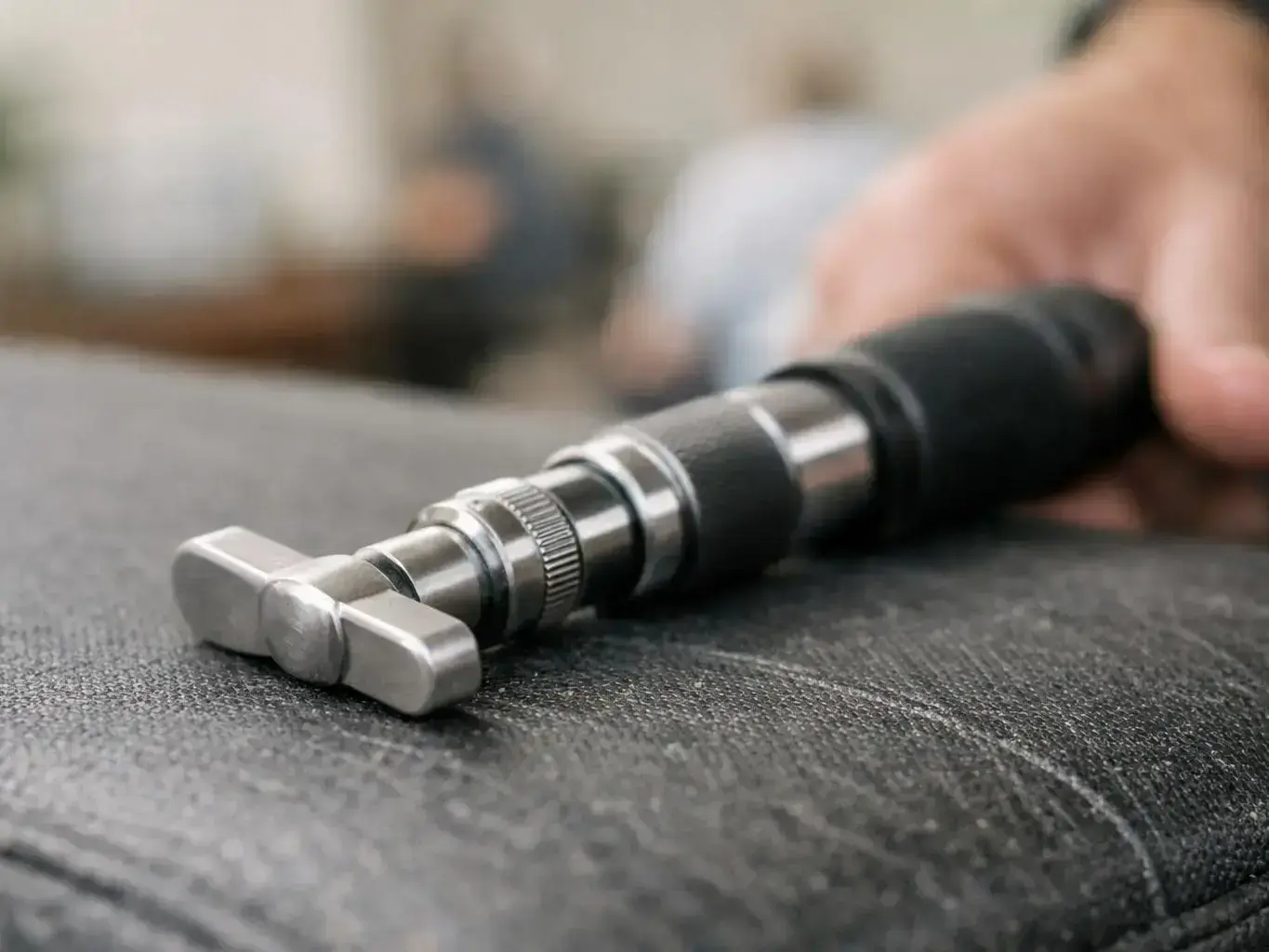
Spinal Stenosis also matters when considering treatment options. Mild cases may be managed with physical therapy, chiropractic adjustments. Or anti-inflammatory medications. More severe cases might require injections or surgery to relieve pressure on the nerves. For example, a procedure called laminectomy removes part of the vertebra to create more space for the spinal cord. Deciding on the right treatment depends on the severity of symptoms, overall health. And personal preferences. Regular check-ups with a healthcare provider can help monitor the condition and adjust treatment as needed.
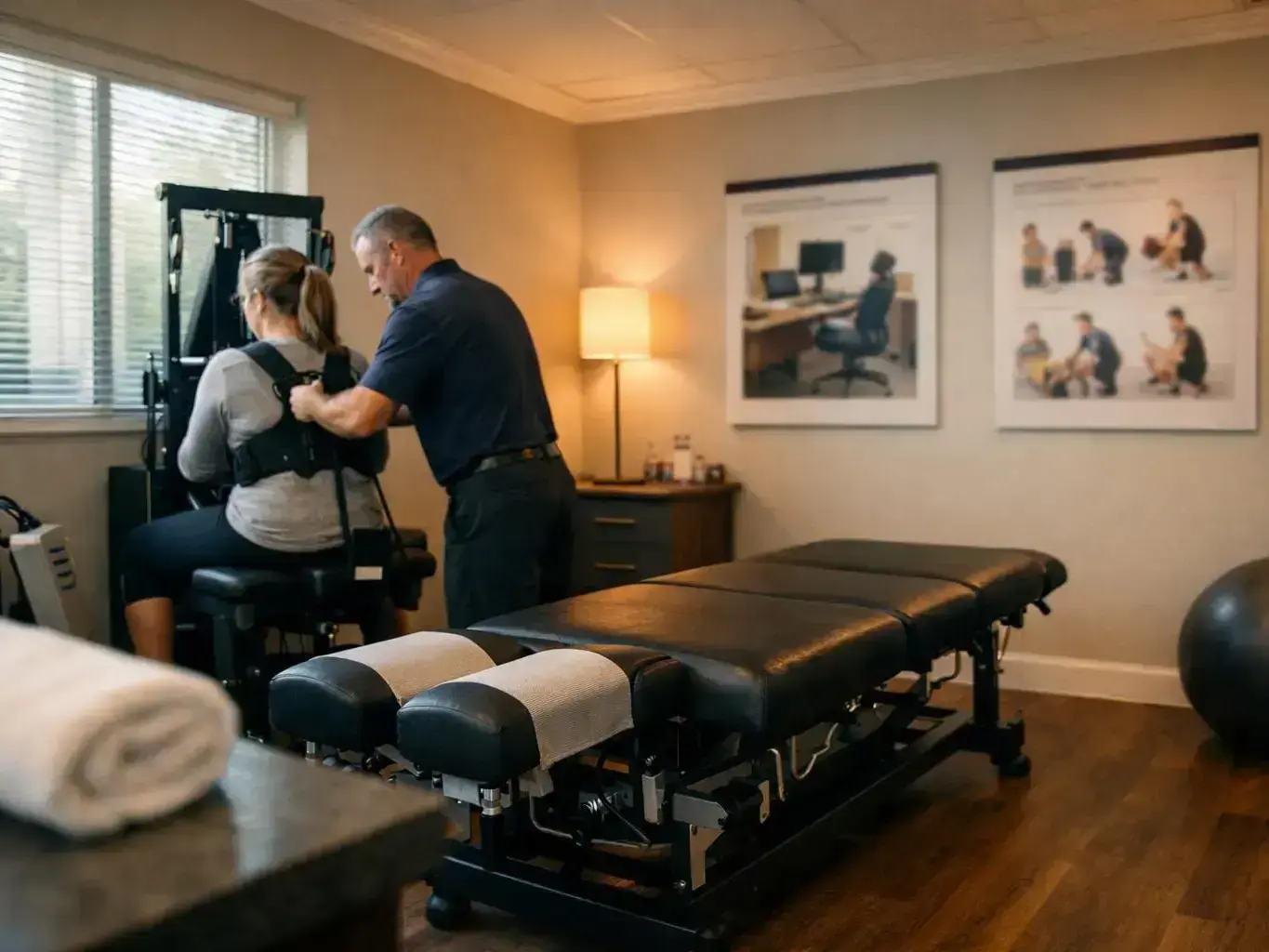
In Hermitage, TN, Spinal Stenosis is a common concern among patients seeking chiropractic care. Many individuals visit chiropractors for non-surgical options to manage pain and improve mobility. Chiropractic care may include spinal adjustments, decompression therapy. Or exercises to strengthen supporting muscles. That is the practical point. These approaches can help reduce symptoms and improve function without the need for invasive procedures.