Understanding Workers Compensation
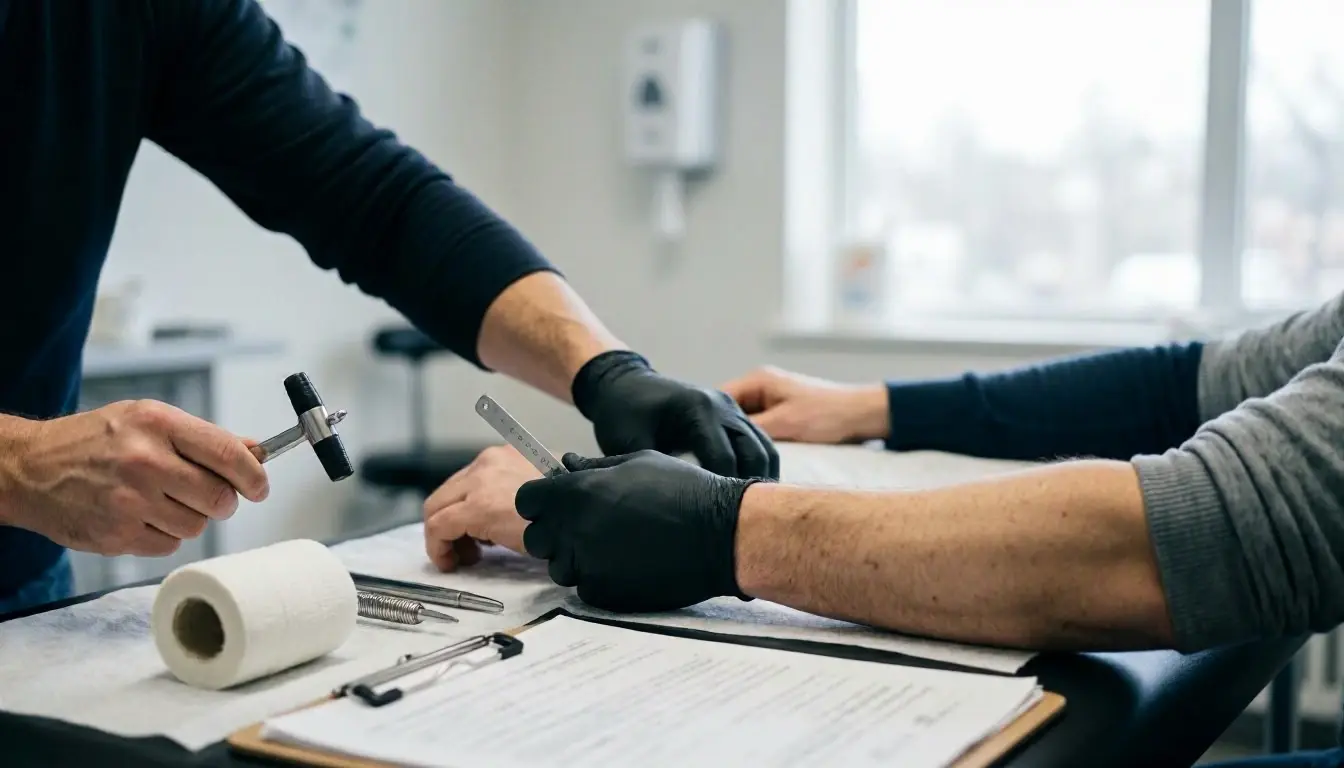
Workers Compensation is a legal safety net designed to protect both employees and employers when workplace injuries occur. The program requires employers to carry insurance that pays for medical treatment and a portion of lost wages if an employee gets hurt or sick because of their job. Unlike personal health insurance, Workers Compensation covers injuries regardless of who was at fault, which means employees don't need to prove their employer was negligent to receive benefits.
Each state sets its own rules for Workers Compensation, including which employers must carry coverage, what injuries qualify. And how much wage replacement is paid. In Tennessee, nearly all employers with five or more employees must provide Workers Compensation insurance. The program covers a wide range of injuries, from sudden accidents like falls or machinery mishaps to repetitive stress conditions like carpal tunnel syndrome or back strain from lifting.
How Workers Compensation Works?
When an employee is injured at work, the first step is to report the injury to the employer as soon as possible. The employer then files a claim with their Workers Compensation insurance carrier. The insurance company reviews the claim and decides whether to approve or deny benefits based on medical evidence and state laws. If approved, the injured worker receives coverage for doctor visits, hospital bills, prescription medications. And physical therapy.
Wage replacement benefits typically begin after the worker has been unable to work for a set number of days, often seven. The amount paid is usually a percentage of the worker’s average weekly wage, up to a state maximum. For example, Tennessee currently caps wage replacement at two-thirds of the worker’s average weekly earnings. Workers Compensation also covers vocational rehabilitation if the injury prevents the employee from returning to their previous job.
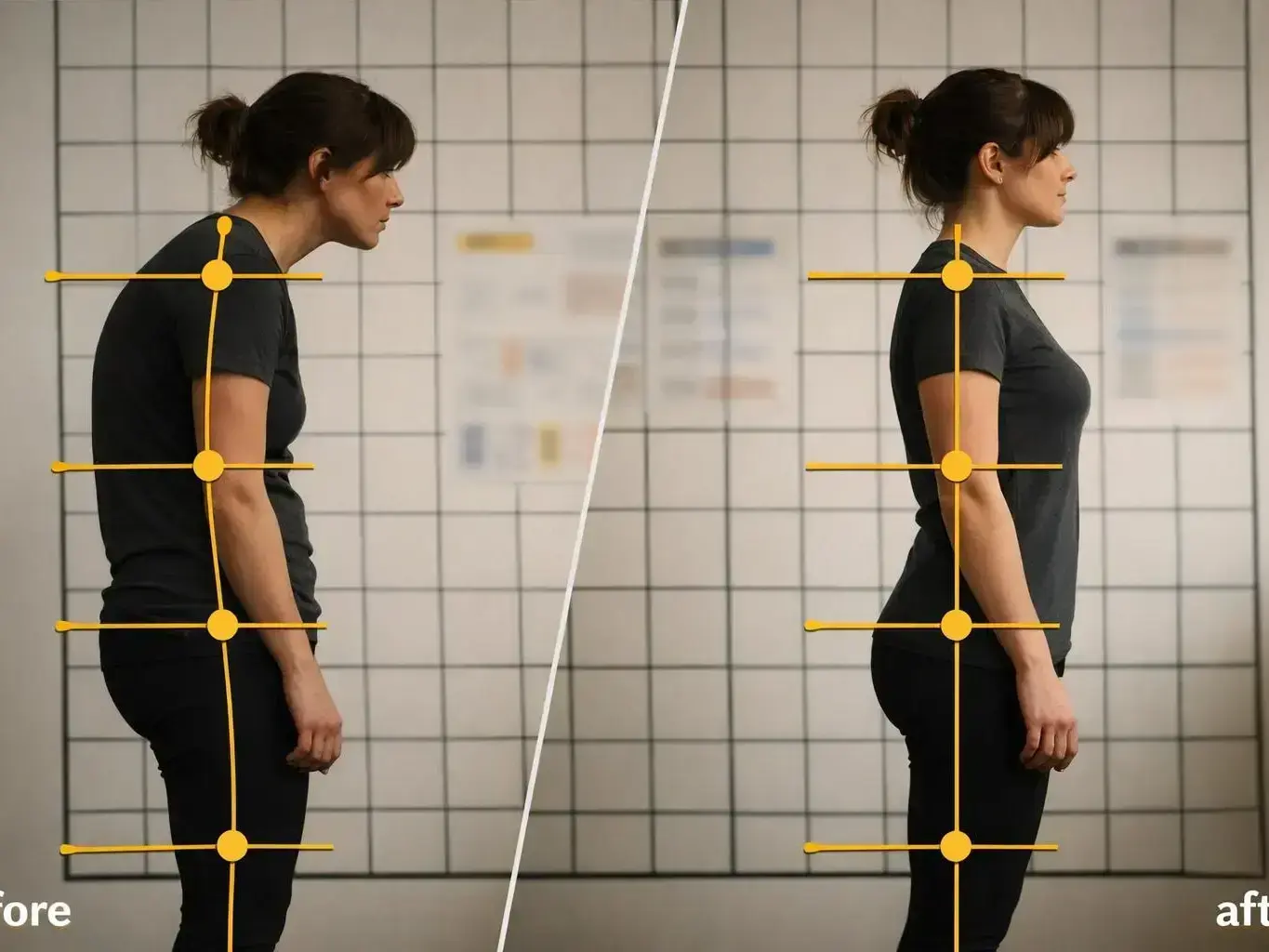
In practice, Chiropractic care is a common treatment option for musculoskeletal injuries like back pain, neck pain. Or joint problems caused by work activities. Many Workers Compensation insurance plans include chiropractic visits as part of the approved medical benefits, provided the treatment is deemed medically necessary by a licensed healthcare provider.
Why Workers Compensation Matters?

Workers Compensation provides critical financial and medical support to employees who might otherwise face overwhelming medical bills or lost income after a workplace injury. Without this program, injured workers would have to pay for their own care or sue their employer, which can be a lengthy and uncertain process. The program also benefits employers by limiting their liability and reducing the risk of costly lawsuits.
For businesses, carrying Workers Compensation insurance is not just a legal requirement—it’s a key part of workplace safety and risk management. Employers who invest in safety training and injury prevention often see lower Workers Compensation insurance premiums, which can save money over time. And a well-managed Workers Compensation program can help injured employees return to work faster, reducing downtime and maintaining productivity.
When Workers Compensation Matters Most?
Workers Compensation becomes especially important in situations where an injury requires ongoing medical care or prevents the employee from working for an extended period. For example, a construction worker who suffers a back injury from lifting heavy materials may need weeks or months of chiropractic care, physical therapy. And time off work to recover. Without Workers Compensation, the worker might struggle to afford treatment or face financial hardship due to lost wages.
The program also plays a crucial role in cases involving serious or permanent injuries, such as fractures, spinal cord damage. Or repetitive stress disorders. In these situations, Workers Compensation may cover long-term medical expenses, disability benefits. Or vocational training to help the worker transition to a new job. Employers and employees should understand their rights and responsibilities under Workers Compensation to ensure smooth claims processing and avoid disputes.
In Tennessee, Workers Compensation is particularly relevant for industries with higher injury risks, such as construction, manufacturing, healthcare. And transportation. Employers in these fields often work closely with medical providers, including chiropractors, to help injured workers recover and return to their jobs as safely and quickly as possible.