Sports Injury Treatment and Return-to-Activity Planning
Sports injury treatment and return-to-activity planning help connect chiropractic assessment, adjustment, massage therapy and soft tissue therapy with activity goals; Advanced Injury Care Clinic uses the evaluation to guide care and progression.
Request an Estimate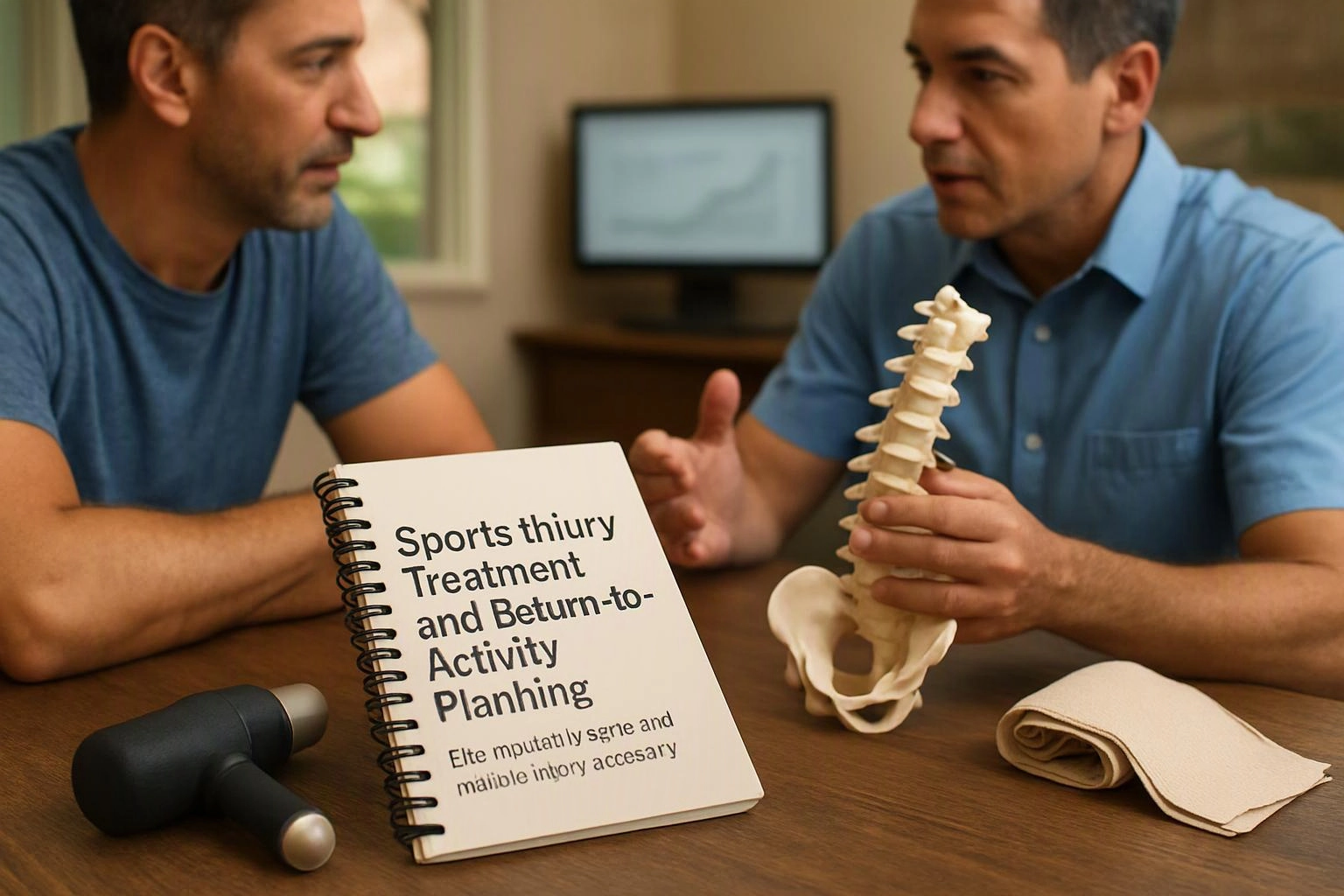
How Chiropractic Care Supports Sports Injury Recovery
Chiropractic care can support sports injury recovery by connecting the injury assessment with movement-focused treatment and a gradual return-to-activity plan.
Sports injuries can affect the musculoskeletal system, including joints, muscles, ligaments, tendons, fascia and the spine. We examine how the injury changes movement so our care supports useful activity goals rather than focusing only on pain.
What Signs and Symptoms Can Follow a Sports Injury?
Sports injury symptoms can affect comfort, movement and confidence during everyday tasks or training. Our team uses the symptom pattern to decide whether further assessment is appropriate.
Symptoms that worsen, limit normal function or keep returning deserve an injury assessment before activity increases.
What Commonly Causes Sports Injuries?
Sports injuries commonly develop when force, repetition or movement demands exceed the body’s current capacity. We connect the reported cause with the movement findings during assessment.
Sprains, strains, joint dysfunction and soft tissue injuries can have more than one contributing factor. Our care plan addresses the findings that may affect recovery and reinjury prevention.
How We Assess an Injury Before Treatment
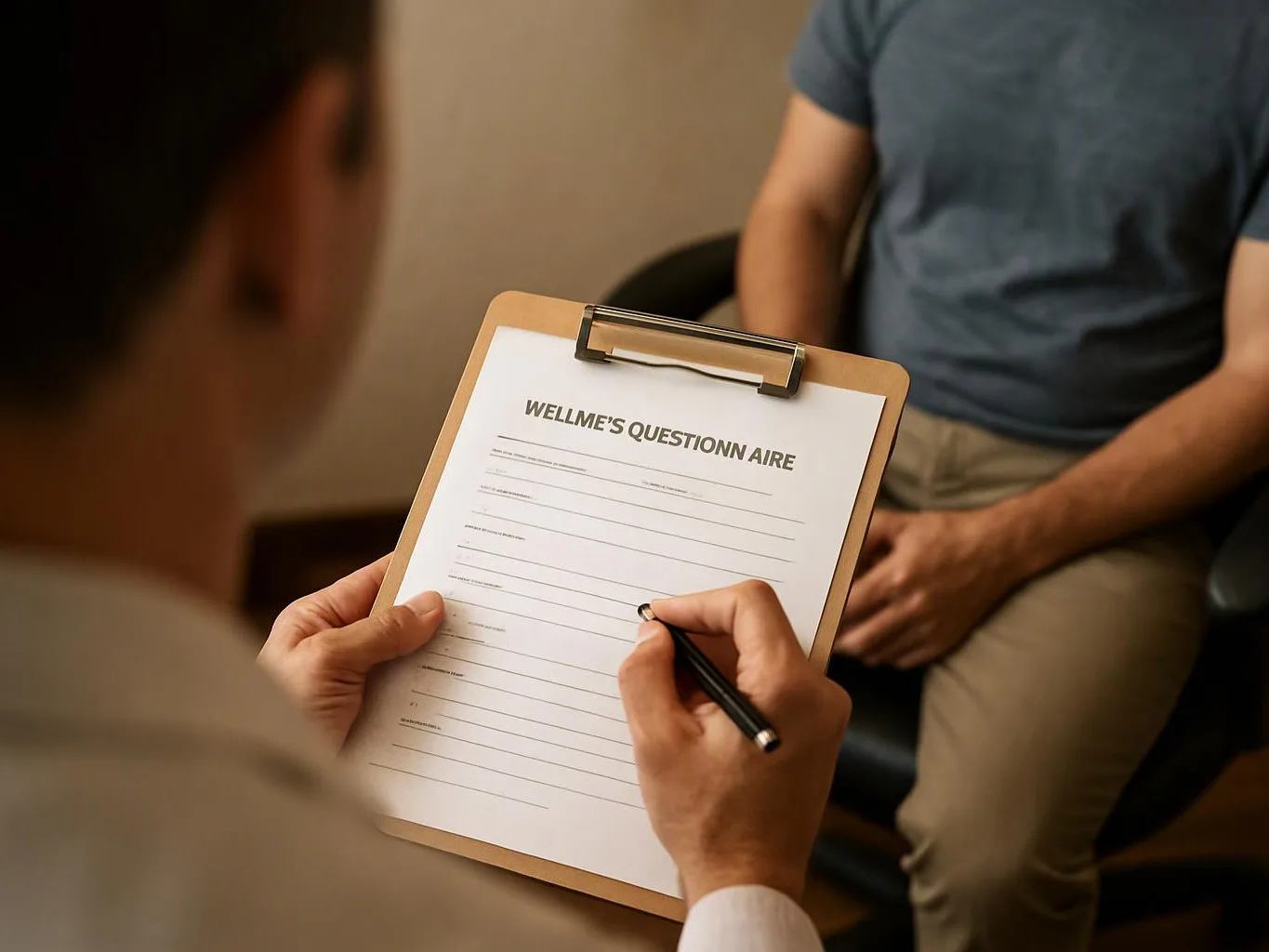
Our team assesses the injury history, symptoms, movement and activity demands before selecting care and setting return-to-activity milestones.
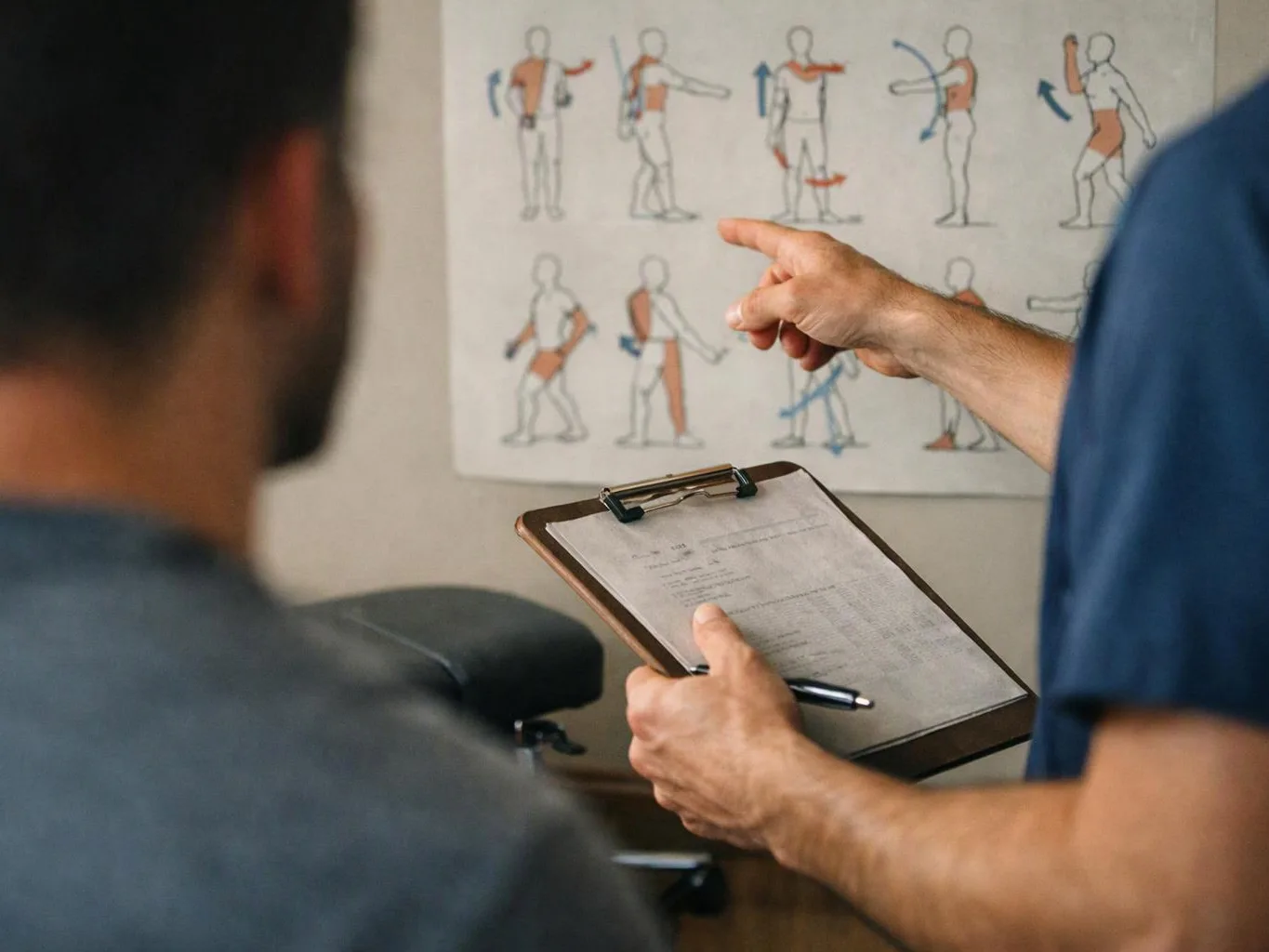
We review the injury history and symptom pattern, then examine range of motion, joint function and muscle function. We also discuss training demands, daily activities and return-to-activity goals so the plan fits the person and the sport.
This process helps us identify joint restriction, soft tissue restriction and movement habits that may affect recovery. We use those findings to guide care and activity modification.
Which Treatments Can Support Sports Injury Recovery?
Sports injury treatment may combine chiropractic adjustment, massage therapy and soft tissue therapy according to the injury findings, symptoms and movement goals.
Our team selects manual therapy based on the injury assessment and the person’s current tolerance. Treatment may support mobility, reduce muscle tension and improve joint movement while activity is progressed carefully.
When Chiropractic Adjustment May Fit the Plan
Chiropractic adjustment may fit a care plan when joint mobility is limited or a mechanical restriction affects movement.
We assess how the joint moves and whether spinal alignment or another joint restriction contributes to the person’s symptoms. An adjustment is selected only when it matches the assessment and the movement goal.
When Massage Therapy and Soft Tissue Therapy May Help
Massage therapy and soft tissue therapy may help when muscle tension, adhesions or other soft tissue restrictions affect movement.
We use targeted hands-on care to address areas that may limit range of motion or alter movement quality. The response to treatment helps guide the next stage of mobility and activity progression.
How We Plan a Gradual Return to Activity
Return-to-activity planning is built around symptom response, movement quality and the demands of the activity being resumed.
Our team uses gradual progression so each stage can be reviewed before training load increases. The plan may include the following steps:
Progress is based on how the body responds, not on a fixed schedule. We modify the plan when symptoms increase or movement quality declines.
How Can Athletes Help Prevent Another Sports Injury?
Sports injury prevention starts with preparation, controlled movement and enough recovery for the body’s current training load. We help connect these habits with the demands of the chosen activity.
Consistent attention to flexibility, strength and movement mechanics can support safer training. Our team can review recurring problems as part of injury care.
When Should an Injury Be Evaluated Before Returning to Sport?
An injury should be evaluated before returning to sport when pain, restricted movement, weakness or recurring symptoms affect normal activity or sport-specific movement.
Persistent pain, worsening symptoms, loss of function and recurrent injury can signal that the body is not ready for the current demand. We assess return-to-sport readiness by reviewing symptoms, range of motion, strength and movement quality.
Our team also considers whether the person can tolerate the activity without compensating. A return-to-sport plan should match the demands of the sport and the person’s current activity tolerance.
What Happens During an Initial Sports Injury Consultation?
A sports injury consultation reviews the injury, assesses movement, discusses goals and explains an appropriate care plan; Free Consultations are available.
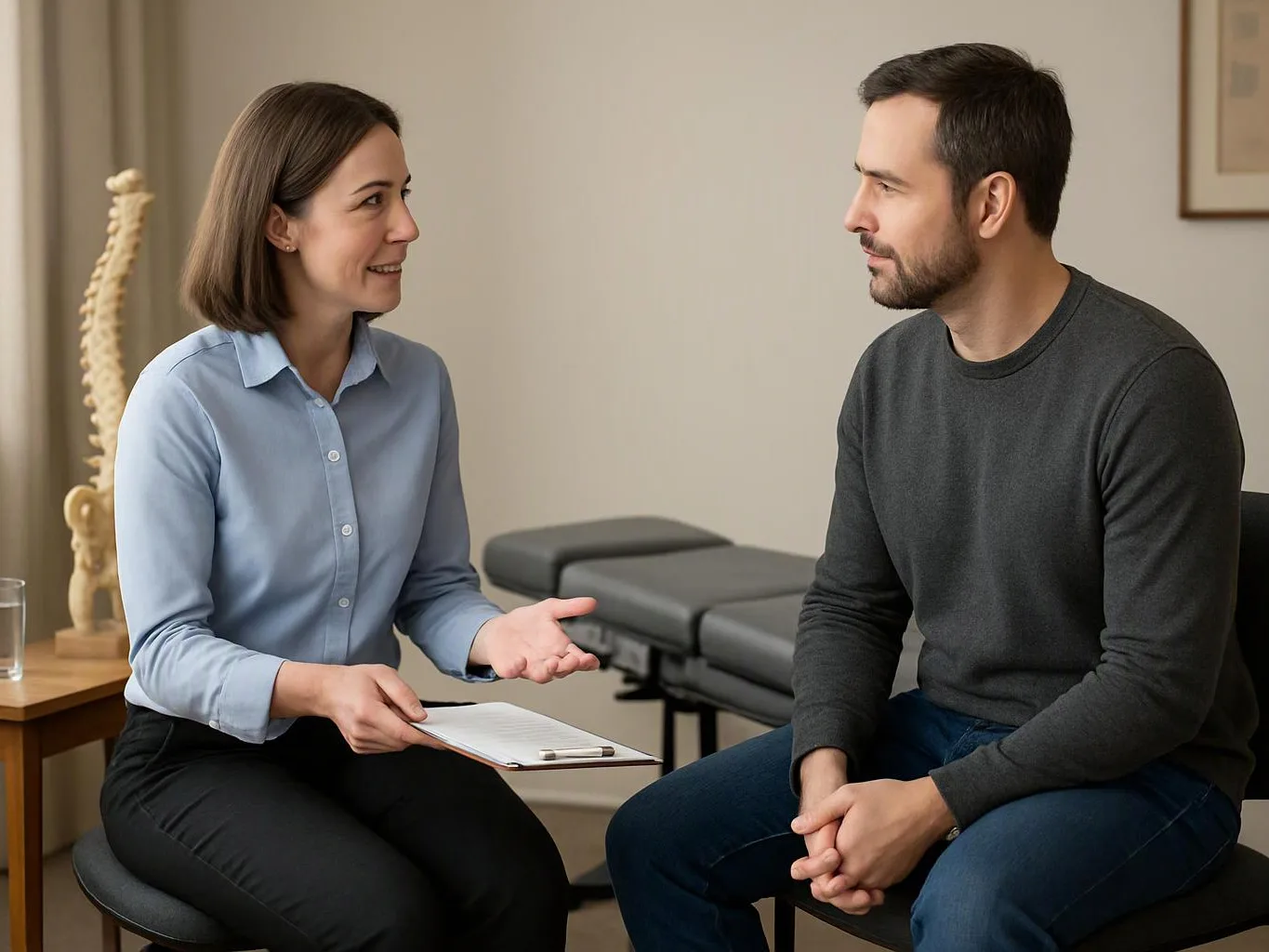
Advanced Injury Care Clinic begins with a clinical history and physical assessment. We discuss the injury mechanism, symptoms, activity demands and treatment goals before explaining the care options that fit the findings.
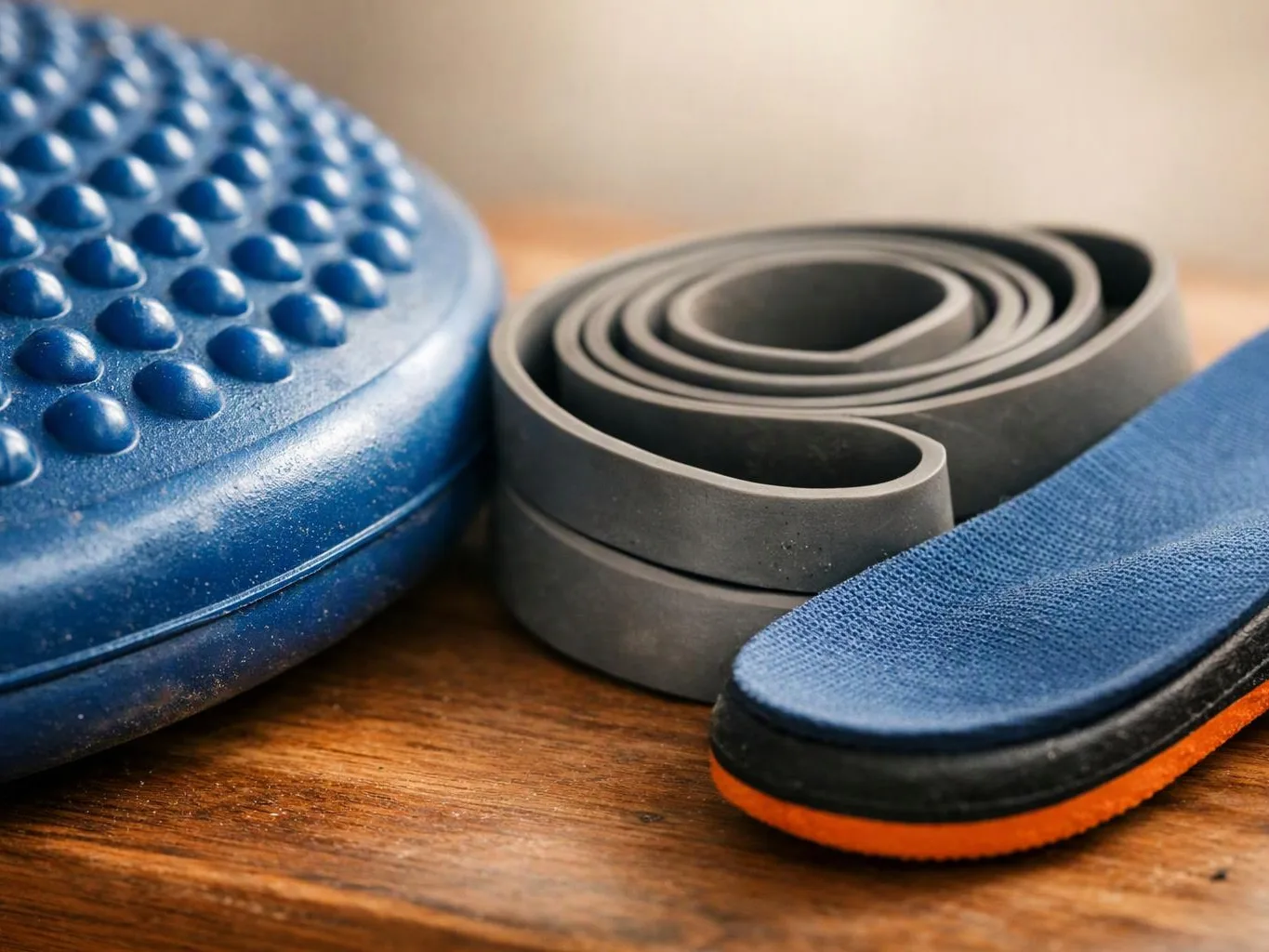
The care plan may include chiropractic adjustment, massage therapy, soft tissue therapy, mobility work and return-to-activity guidance. We explain what to monitor so the plan can be adjusted as recovery develops.
How Do We Review Progress During Recovery?
Reassessment shows whether pain response, range of motion, movement quality and activity tolerance are improving.
Our team compares current movement with the findings from the initial assessment. We review how the person responds to care and whether sport-specific movement remains controlled.
Care-plan adjustment may involve changing treatment, modifying activity or progressing strength and mobility work. We use this feedback to support a steady return to activity and reduce the risk of reinjury.
Questions About Sports Injury Recovery and Return to Activity
Can chiropractic care help with sports injury recovery?
Yes, chiropractic care can support sports injury recovery when the assessment shows movement or joint factors that may respond to care. Advanced Injury Care Clinic connects the findings with treatment and a gradual return-to-activity plan.
Can massage therapy be part of a sports injury recovery plan?
Yes, massage therapy can be part of sports injury recovery when muscle tension or soft tissue restriction affects movement. The treatment is guided by the injury assessment and the person’s activity goals.
What should I avoid when returning to activity after a sports injury?
You should avoid increasing training load when pain, weakness, restricted movement or poor movement quality is worsening. Activity should progress according to symptom response and control during sport-specific movement.
How do I know if I am ready to return to my sport?
Return-to-sport readiness depends on symptom control, useful range of motion, strength, movement quality and activity tolerance. An assessment can help confirm whether sport-specific movement is controlled enough for the next stage.
Can soft tissue therapy help restricted movement after a sports injury?
Yes, soft tissue therapy can help when muscle tension, adhesions or soft tissue restriction contributes to limited movement. Treatment is selected after assessing the affected area and the movement needed for recovery.
Advanced Injury Care Clinic can review your sports injury, explain the treatment options and guide your return to activity.
Get a Free Estimate