Skip to content

Soft Tissue Therapy in Hermitage, Tennessee

Our chiropractor uses soft tissue therapy to support movement after injury or during ongoing pain. Care starts with an individualized evaluation.

Upfront, Transparent PricingServing 18 CommunitiesMon-Fri: 9 am–7 pm, Sat: 9 am–2 pm, Sun: ClosedFast Scheduling
Soft Tissue Therapy helps people in Hermitage manage muscle tightness, soreness, and reduced movement after injury. Advanced Injury Care Clinic begins with an exam, explains the findings, and builds care around your needs. Treatment may include hands-on work, therapeutic exercises, posture guidance, and rehabilitation support. We also consider spinal adjustments when they fit your care plan.

What changes when tight muscles limit your movement

Soft tissue care may ease muscle tension that makes daily movement uncomfortable.

Therapeutic exercises can support the movement gained during hands-on treatment.

Posture guidance gives you practical ways to reduce strain during work and daily activity.

A linked care plan helps us address soft tissue concerns alongside injury recovery.

What Soft Tissue Therapy Covers

Soft Tissue Therapy is a hands-on treatment that addresses muscles and other soft tissues linked to pain or limited movement.
  • Soft tissue care differs from spinal adjustment because it targets muscle tension and tissue mobility, while an adjustment addresses joint movement.
  • The service requires an individualized evaluation so our team can match treatment with your condition and goals.
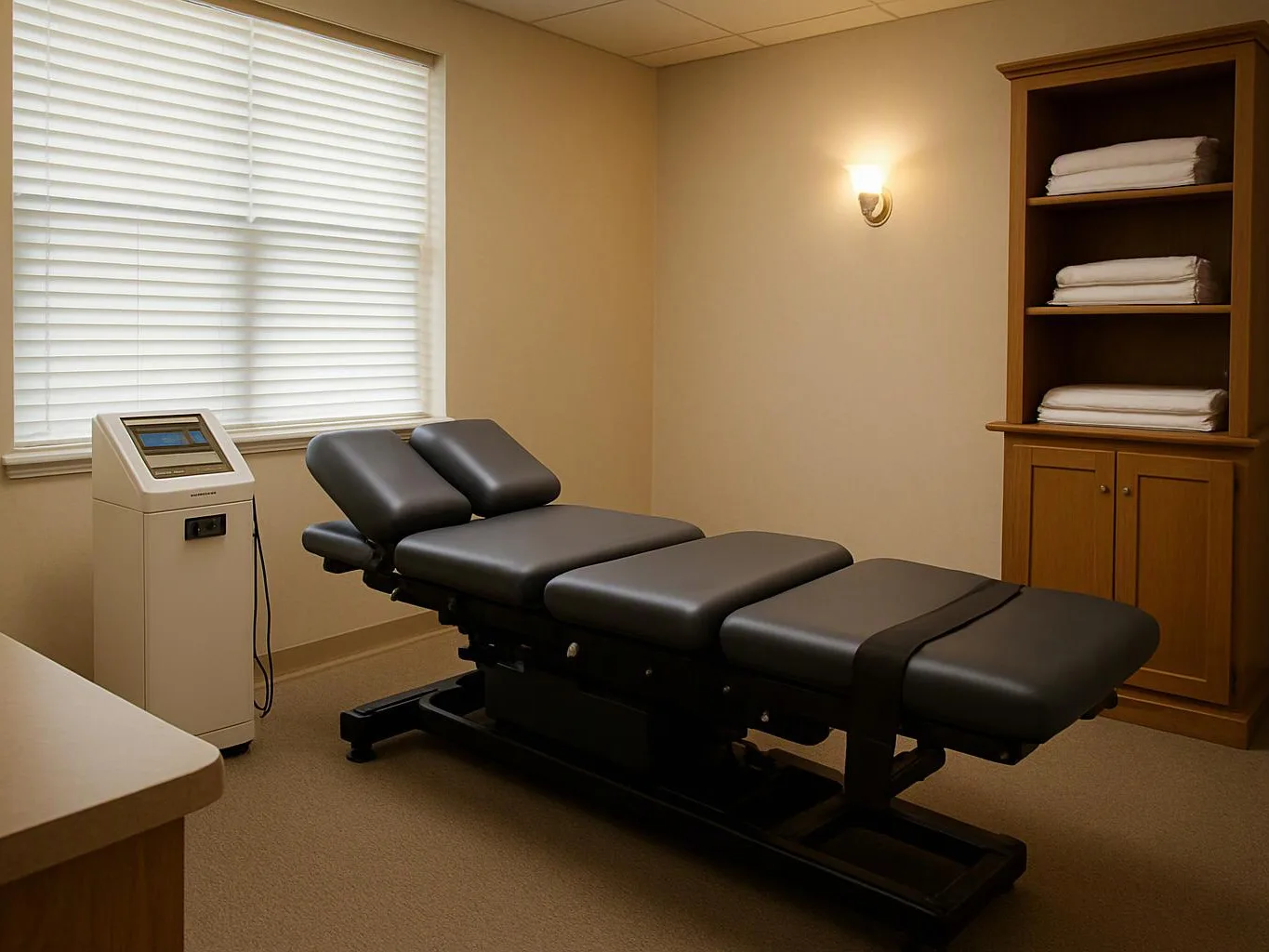
A quiet treatment room shows a padded exam table, towel shelves, and a window with blinds
About

How soft tissue care addresses tightness and limited movement

Soft tissue therapy focuses on muscles and related tissues that feel tight, sore, or hard to move. We use hands-on care to support tissue mobility, then connect that work with exercises or posture guidance when appropriate. The first visit starts with a health history and exam. We ask what changed, where symptoms appear, and which movements bring them on. Our team explains the findings before recommending care. A key risk is treating the painful spot without checking the movement around it. That approach can miss strain, joint limits, or symptoms that need another form of care. We check the full concern and monitor progress as treatment continues. Results vary by condition and individual response. Soft tissue therapy may support comfort and movement, but it doesn't replace medical care for symptoms outside our scope.

Process

How we deliver hands-on care for tight muscles

1

Review your symptoms and history

We discuss the injury, pain pattern, activity limits, and health history. This helps us identify factors that may affect treatment.

2

Check movement and tissue response

We assess the affected area and related movement. We look for tenderness, guarding, stiffness, and signs that another approach may be needed.

3

Explain the planned treatment

We explain the proposed soft tissue work before providing care. You can ask questions and take part in the decision.

4

Apply hands-on tissue care

We use hands-on techniques to address restricted movement and muscle tension. The treatment stays connected to your symptoms and goals.

5

Add movement and posture support

Your plan may include therapeutic exercises, posture guidance, or rehabilitation support to help maintain comfortable movement.

6

Monitor your response

We review progress throughout care. Increased soreness, unchanged movement, or new symptoms can change the next step.

What to prepare before hands-on soft tissue care

A few clear details help us assess your symptoms and plan treatment safely.

  • Bring a list of current symptoms and the movements that worsen them.
  • Share details about any auto accident, work injury, or sports injury.
  • Tell us about past treatment, current care, and relevant health conditions.
  • Wear clothing that allows comfortable movement during the exam.
  • Write down your main care goals before the appointment.

The Advanced Injury Care Clinic Standard

Assess Patient Condition

We assess muscle tension, movement limits, and related symptoms before recommending hands-on soft tissue care.

Tailored Care Plans

We tailor soft tissue treatment, exercises, and posture guidance to each patient’s condition and care goals.

Monitor Patient Progress

We monitor changes in soreness, movement, and comfort throughout care, then adjust the plan when findings change.

Questions about hands-on care for muscle tension

Who provides soft tissue therapy at Advanced Injury Care Clinic?

Advanced Injury Care Clinic provides soft tissue therapy after assessing each patient’s condition. We review symptoms, movement, and health history before recommending care. Treatment may include hands-on work, therapeutic exercises, posture guidance, and rehabilitation support. Our team explains the proposed care clearly and monitors your response throughout the plan.

What happens during a first soft tissue therapy visit?

The first visit includes a health history, movement exam, and discussion of your symptoms. We check the affected area and related movement before recommending care. An adjustment isn’t automatic because treatment depends on the findings. We explain whether hands-on work, exercises, posture guidance, or other chiropractic care fits your needs.

Can this care help after whiplash?

Soft tissue care may support neck and shoulder movement after whiplash when our evaluation finds it appropriate. We look for muscle guarding, tenderness, and movement limits before treatment. Tell us about the collision and any new symptoms. We’ll explain the care plan and when another form of medical evaluation may be needed.

What makes soft tissue treatment different from massage?

Soft tissue treatment at our clinic is tied to an evaluation, care plan, and progress checks. Massage may focus mainly on relaxation or general muscle comfort. Our approach may connect hands-on work with therapeutic exercises, posture guidance, spinal adjustments, or rehabilitation support when those options fit the findings.

What changes the cost of soft tissue care?

The cost depends on the evaluation, treatment needs, and care plan recommended for your condition. A collision injury may require a different assessment from ongoing muscle soreness. We explain the proposed care before treatment and provide pricing details when you request an appointment. We also offer free consultations.

Can I request soft tissue care for back pain?

Yes, back pain is one concern our chiropractic team evaluates for soft tissue care. We check whether muscle tension, movement limits, or related symptoms affect your back. Treatment may include hands-on work and exercises, while spinal adjustments may be considered when appropriate. Individual response differs, so we monitor progress.

Should I seek care after a work or sports injury?

An evaluation can help determine whether soft tissue care fits a work or sports injury. Share how the injury happened, which movements hurt, and whether symptoms are changing. We assess the affected area and explain practical next steps. New or severe symptoms may require medical attention beyond chiropractic care.
Contact

Discuss soft tissue care in Hermitage

Advanced Injury Care Clinic offers free consultations for people seeking help with muscle tightness, soreness, or injury-related movement limits. We’re open Monday through Friday from 9 am to 7 pm and Saturday from 9 am to 2 pm.

A person arranges folded linens on a padded massage table in a calm room
Scenarios

When Customers Call Us About Soft Tissue Therapy

1

Tightness After an Auto Accident

Neck, shoulder, or back muscles may tighten after a collision, even when the first concern feels mild. Soft tissue care should follow an exam that checks movement and related symptoms. Bring accident details and any records you have, then let our team explain whether hands-on treatment, exercises, or added chiropractic care fits the findings.

2

Work-Related Muscle Strain

Repeated lifting, reaching, or fixed posture can leave one area sore and guarded during the workday. The key question is whether the strain changes your movement or affects nearby joints. We assess the pattern, explain the likely care path, and build exercises or posture guidance around the tasks that bother you.

3

Sports Pain Before More Activity

A sports injury can leave muscle soreness that returns when activity increases. Pushing through that pattern may hide a movement limit or worsen guarding. Schedule an evaluation before resuming demanding activity, so we can check tissue response and discuss hands-on care, exercise, and follow-up needs.


Our Other Services

Chiropractic AdjustmentPersistent stiffness can make turning, lifting, or walking uncomfortable. Chiropractic adjustments use controlled spinal movements to improve joint motion and reduce strain affecting your back, neck, or shoulders.
Spinal Decompression TherapyBulging discs and compressed spinal joints can send pain into your back or legs. Spinal decompression therapy gently unloads affected areas and may improve comfort during sitting, standing, and daily movement.
Massage TherapyMuscle tension can limit movement after work, exercise, or an injury. Massage therapy uses hands-on pressure and focused strokes to ease tight muscles, improve circulation, and support easier movement.
Deep Tissue MassageDeep knots can keep sore shoulders, hips, or legs from relaxing. Deep tissue massage targets muscle layers and fascia with focused pressure, helping reduce stubborn tension and improve everyday mobility.
Prenatal MassagePregnancy can bring low back soreness, hip tension, and tired legs. Prenatal massage uses pregnancy-safe positioning and gentle hands-on work to ease muscle discomfort while supporting safer, more comfortable movement.
Auto Accident Injury TreatmentAfter a collision in Hermitage, pain may appear in the neck, back, or shoulders hours later. We assess whiplash, sprains, and muscle strain, then build care around mobility, symptom relief, and recovery.

The health and wellness information on this website is for general informational purposes only and is not medical advice. It does not create a provider-patient relationship. Always consult a qualified licensed provider in Hermitage, Tennessee, United States about your specific condition before making care decisions. Individual results vary.

(615) 265-0412