Sciatica Treatment Questions and Care Options to Discuss
Sciatica treatment questions help you ask about symptom causes, diagnosis, chiropractic adjustment, spinal decompression therapy, safety, and next steps; Advanced Injury Care Clinic uses the discussion to help identify appropriate care options.
Request an EstimateOptions at a Glance
Sciatica care depends on the symptom pattern, examination findings, and your care goals. We use these factors to discuss which option may fit your condition and treatment plan.
Care Options at a Glance
These care options address different clinical questions. We discuss the possible role of each option after reviewing your symptom history and physical examination.
| Option / System | Best For | Typical Lifespan / Turnaround | Key Trade-Offs |
|---|---|---|---|
| Symptom and movement assessment | Clarifying symptom patterns and care goals | Depends on the clinical visit and findings | Findings may indicate that another type of medical evaluation is needed |
| Chiropractic adjustment | Selected movement-related concerns | Determined by treatment suitability and response | Not appropriate for every cause or symptom pattern |
| Spinal decompression therapy | Selected disc-related symptoms and nerve pressure concerns | Determined by the treatment plan and symptom response | Requires review of suitability before treatment planning |
| Medical referral | Red flags and severe or worsening symptoms | Based on the urgency of the symptoms | Chiropractic care may need to wait for medical evaluation |
What Should You Ask About Sciatica Symptoms?
Sciatica symptoms can include pain, numbness, tingling, or weakness that travels from the lower back or hip into the leg.
We ask when symptoms began, what changes them, and how they affect daily movement. This symptom history helps connect your concerns with the examination.
What Can Cause Sciatica Symptoms?
Sciatica symptoms can result from irritation or compression of a spinal nerve, and the underlying cause guides the care discussion.
These causes can produce similar symptoms, so the symptom pattern alone does not establish a diagnosis. We use the examination findings to discuss suitable next steps.
What Will the Sciatica Evaluation Examine?
A sciatica evaluation examines symptoms, movement, strength, sensation, reflexes, and warning signs before care options are discussed.
We review your medical history and perform a physical examination. Our movement assessment may include range of motion, muscle strength, reflexes, and sensory changes related to the lumbar spine.
We also screen for red flags that may call for medical referral. The findings help us decide whether chiropractic care fits your treatment goals.
Which Questions Should You Bring to Your Appointment?
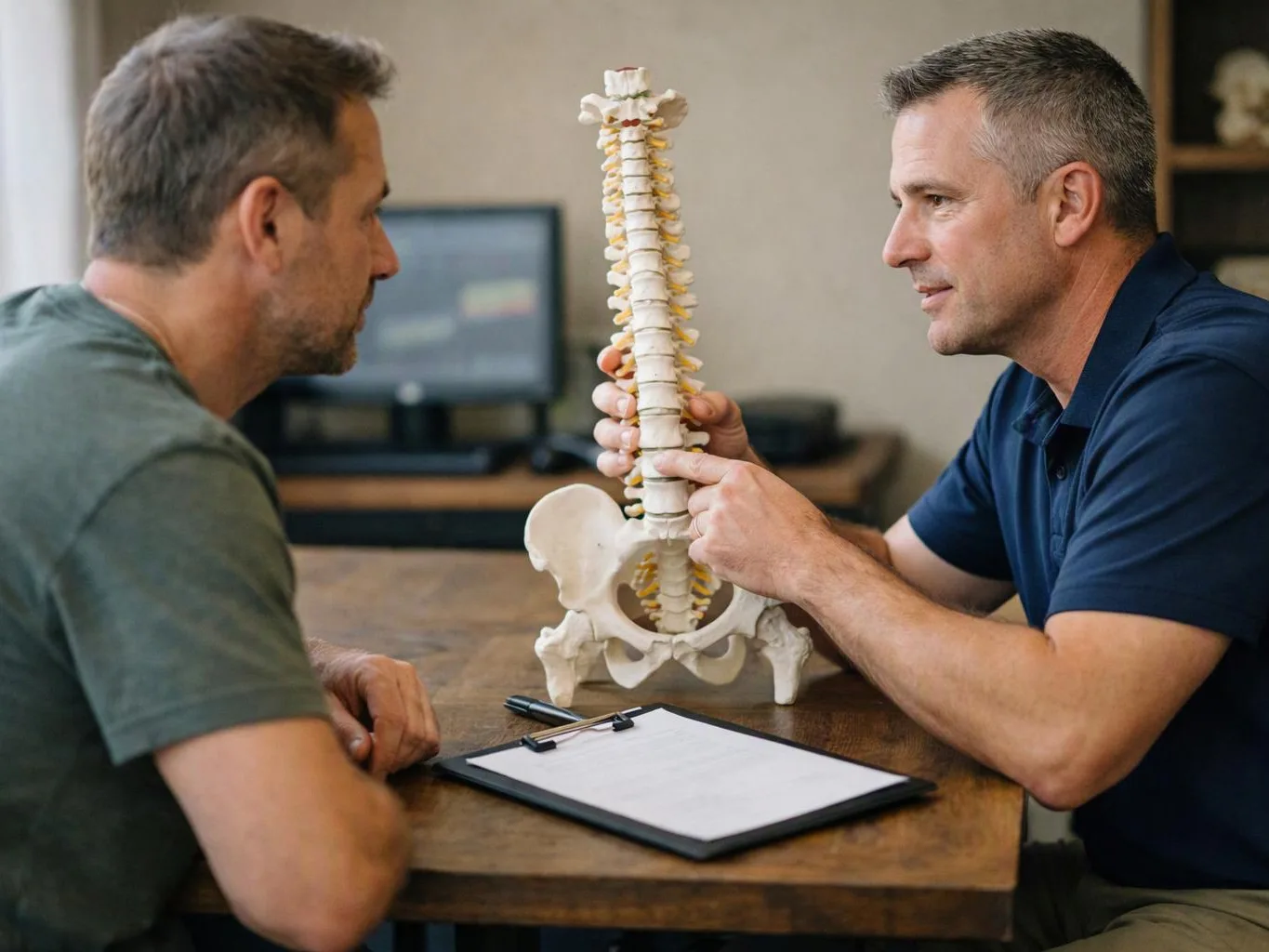
The most useful appointment questions ask what may be causing the symptoms, what each care option is intended to do, and how progress will be assessed.
Bring a clear description of your symptoms and any questions about nerve pain. We use your answers to keep the treatment plan focused and understandable.
How Can Chiropractic Adjustment Fit Into Sciatica Care?
Chiropractic adjustment may be discussed when examination findings suggest that improving spinal or joint movement could support the person's care goals.

Chiropractic adjustment applies a controlled technique to selected spinal joints. We consider mobility, mechanical stress, symptom behavior, and treatment suitability before discussing this option.
Our team explains the intended purpose of care and monitors symptom changes. Chiropractic adjustment does not fit every cause of sciatica, including some patterns that require medical referral.
When Is Spinal Decompression Therapy Discussed?
Spinal decompression therapy may be discussed when the evaluation indicates that a controlled decompression approach could fit the person's symptoms and treatment plan.
Spinal decompression therapy uses controlled loading and unloading concepts to address selected concerns involving the lumbar spine. We review disc-related symptoms, possible nerve pressure, and treatment goals before including it in treatment planning.
Our team tracks symptom changes and reassesses whether the approach remains suitable. You can review our Sciatica Treatment service when preparing for that conversation.
What Safety Questions Should You Ask About Sciatica Care?
Safety questions should address symptoms that require prompt medical evaluation and whether a planned chiropractic approach is appropriate for the individual's condition.
Ask about progressive weakness, loss of bladder control, loss of bowel control, saddle numbness, and severe or worsening symptoms. These nerve compression warning signs may require prompt medical referral.
We review these concerns before care begins. Tell our team about new or rapidly changing symptoms so we can discuss the safest next step.
What Can Help Prevent Sciatica Flare-Ups?
Sciatica flare-up prevention focuses on managing spinal strain, maintaining practical movement habits, and following the care plan discussed during the appointment.
Prevention steps should match your symptoms and movement assessment. We adjust recommendations when your symptom pattern changes.
How Do You Prepare for the Next Care Decision?
Advanced Injury Care Clinic uses Free Consultations to discuss symptoms, relevant history, care goals, and suitable next steps before a treatment plan is selected.
Bring a symptom diary, medication history, previous imaging, and a clear description of your treatment goals. We review these details with the examination findings to shape follow-up care.
Our team explains the care plan in direct language and identifies what symptom changes should be reported. This process helps connect the next decision with your needs.
How to Choose the Next Sciatica Care Option
The next care decision should reflect your symptoms, examination findings, and safety needs. We help you verify the important details before care is selected.
Questions About Sciatica Treatment Choices
Can chiropractic adjustment help every case of sciatica?
Advanced Injury Care Clinic does not use chiropractic adjustment for every case of sciatica; suitability depends on the examination, symptom pattern, and safety findings.
Is spinal decompression therapy appropriate for sciatica caused by a disc problem?
Spinal decompression therapy may be appropriate for selected disc-related sciatica, but the evaluation must confirm that the approach fits the symptoms and treatment plan.
What information should I bring to a sciatica appointment?
A sciatica appointment benefits from a symptom diary, medication history, previous imaging, and a clear description of treatment goals.
When should sciatica symptoms receive urgent medical attention?
Sciatica symptoms should receive prompt medical attention when they include progressive weakness, loss of bladder or bowel control, saddle numbness, or severe or worsening symptoms.
Advanced Injury Care Clinic offers Free Consultations to discuss your sciatica symptoms, examination findings, and suitable care options. Contact our team to begin the discussion.
Contact Advanced Injury Care Clinic
Get a Free EstimateRelated Resources
Chiropractic Adjustment and Massage Therapy: When Combining Them Helps
What Goes With ItSpinal Decompression or Chiropractic Adjustment: Which Comes First?
When You Need ItWhen Back Pain Needs a Chiropractic Adjustment
When You Need ItSciatica Warning Signs That May Require Professional Treatment