
Skip to content

Spinal Decompression Therapy in Hermitage, Tennessee

Our team uses a careful assessment and personalized care plan for spinal decompression therapy. We explain each step before treatment begins.

Upfront, Transparent PricingServing 18 CommunitiesMon-Fri: 9 am–7 pm, Sat: 9 am–2 pm, Sun: ClosedFast Scheduling
Spinal Decompression Therapy supports people in Hermitage with back pain, neck pain, sciatica, or disc-related symptoms. We begin with an individualized evaluation, explain the findings, and decide whether this approach fits your needs.

What decompression care may change for daily movement

It may reduce pressure-related discomfort in the back or neck.

It may support better movement when stiffness limits normal activity.

It gives our team another non-surgical option within a broader chiropractic care plan.

What Spinal Decompression Therapy Covers

Spinal decompression therapy is a non-surgical treatment that applies controlled traction to support the spine and reduce pressure-related discomfort.
  • Spinal decompression therapy differs from a chiropractic adjustment because it uses traction-based care instead of a directed joint adjustment.
  • The service covers assessment, treatment planning, decompression care, and progress checks for patients served by our clinic.
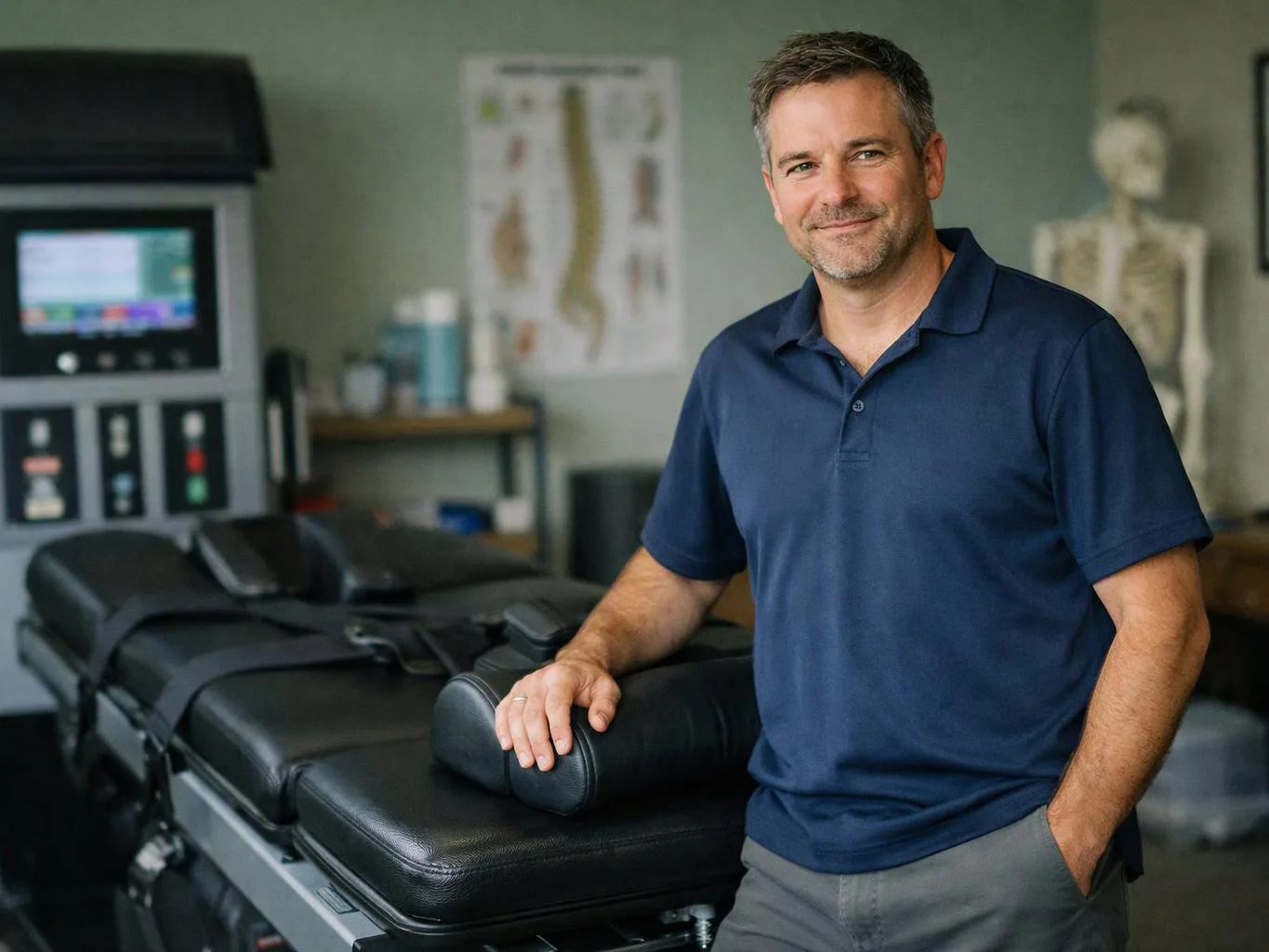
A smiling man stands beside a black treatment table in a clinic room with anatomy posters and a skeleton model
About

How spinal decompression therapy fits back and neck care

Spinal decompression therapy uses controlled traction to address symptoms linked to pressure, stiffness, or irritated spinal structures. It may be considered for back pain, neck pain, sciatica, or symptoms associated with a herniated disc. The process starts with a health history and exam. We review your symptoms, movement, and goals, then explain whether decompression belongs in your personalized care plan. The plan may also include spinal adjustments, soft tissue therapy, therapeutic exercises, posture guidance, or rehabilitation support. Results vary from person to person. We monitor changes in comfort, movement, and daily function instead of judging progress by symptoms alone. A progress re-examination helps us decide whether to continue, adjust, or reconsider the treatment approach.

Process

How our team delivers spinal decompression care

1

Review symptoms and health history

We discuss your pain, injury history, daily limits, and treatment goals. This gives the evaluation a clear clinical starting point.

2

Complete an individualized exam

We assess movement and physical findings before recommending traction-based care. X-rays may be considered when clinically indicated.

3

Explain the proposed care plan

We describe how decompression may fit your needs and explain any related adjustments, soft tissue therapy, or exercises.

4

Apply the planned decompression treatment

We provide spinal decompression therapy as part of the agreed care plan and prioritize comfort and informed participation.

5

Monitor function and symptoms

We track changes in comfort, movement, and daily function. A progress re-examination helps guide ongoing care.

What to prepare before spinal decompression care

A few details can help us assess whether traction-based care fits your condition.

  • Bring a list of current symptoms and when they began.
  • Share details about any auto accident, work injury, or sports injury.
  • Bring relevant medical records or imaging if you already have them.
  • Note which movements, positions, or daily tasks increase discomfort.
  • Write down your main care goal, such as better movement or focused comfort.

The Advanced Injury Care Clinic Standard

Assess Patient Condition

We assess symptoms, movement, and health history before recommending traction-based spinal decompression care.

Tailored Care Plans

We tailor decompression plans to each patient’s symptoms, movement goals, and response during care.

Monitor Patient Progress

We monitor comfort, movement, and daily function so progress checks guide the next treatment step.

Questions about spinal decompression treatment

Who provides spinal decompression therapy in Hermitage?

Advanced Injury Care Clinic provides spinal decompression therapy in Hermitage. We begin with an individualized evaluation and explain the proposed care before treatment. Your plan may include traction-based care with spinal adjustments, soft tissue therapy, exercises, or rehabilitation support. The combination depends on your symptoms, exam findings, and goals.

What happens during a first visit for decompression care?

The first visit includes a health history, exam, and discussion of your care goals. We review pain patterns, movement limits, and injury details. X-rays may be considered when clinically indicated. We then explain whether spinal decompression belongs in your plan, along with any related treatment choices.

Can spinal decompression help a herniated disc?

Spinal decompression may help some people with symptoms linked to a herniated disc. Fit depends on the condition, symptom pattern, and exam findings. We explain what the evaluation shows before recommending care. Individual response differs, so we monitor movement and comfort throughout treatment.

How does decompression differ from a chiropractic adjustment?

Spinal decompression uses controlled traction, while a chiropractic adjustment applies a directed force to a joint. Both approaches can appear in a personalized care plan, but they serve different treatment purposes. We explain which method fits your findings before providing care.

What has to be reviewed before the price of spinal decompression care is set?

The cost depends on the evaluation, treatment needs, and services included in your care plan. Related adjustments, soft tissue therapy, exercises, or rehabilitation support can change what the visit involves. We explain the proposed care and pricing during the consultation, and the owner offers free consultations.

Do I need a referral before scheduling decompression care?

A referral is not stated as a requirement for scheduling care with our clinic. We still begin with an individualized evaluation before recommending treatment. Bring relevant records or imaging if you have them, especially after an auto accident or work injury.

How do you measure progress with this treatment?

Progress is measured through symptom changes, movement, and daily function. Our team monitors these areas throughout care and completes a progress re-examination when needed. We use the findings to guide the plan, explain the next step, and support informed participation.
Contact

Discuss spinal decompression therapy in Hermitage

Your first deliverable is an individualized evaluation and a clear explanation of suitable care. Contact Advanced Injury Care Clinic to discuss your symptoms, goals, and next step.

A person arranges folded linens on a padded massage table in a calm room
Scenarios

When Customers Call Us About Spinal Decompression Therapy

1

Back Discomfort After a Hermitage Collision

After a collision near Hermitage, Tennessee, back or neck discomfort can make ordinary movement feel uncertain. Spinal decompression therapy may require a careful assessment of symptoms, injury history, and suitability before treatment planning begins. An initial consultation can help determine whether this approach fits your condition and what follow-up care may involve. Bring collision details and any existing medical information to your appointment.

2

Questions About Persistent Back or Leg Symptoms

Persistent leg or back symptoms can raise questions about their source. An individualized evaluation at Advanced Injury Care Clinic can connect your symptoms with relevant history, movement findings, and care goals. Suitability for spinal decompression therapy depends on that assessment, so treatment should follow a clear plan based on your needs. Ask what the examination covers, how progress will be followed, and which aftercare steps support daily activity in Hermitage.

3

Comparing Non-Invasive Care in Middle Tennessee

People comparing non-invasive care in Middle Tennessee often need practical details before booking. Our team begins with an individualized evaluation and may build a plan around spinal decompression therapy, therapeutic exercises, posture guidance, or other chiropractic care. Ask how the plan fits your symptoms, work routine, and follow-up needs. That discussion supports an informed choice before starting care at our Hermitage clinic.

Our Other Services

Chiropractic AdjustmentPersistent stiffness can make turning, lifting, or walking uncomfortable. Chiropractic adjustments use controlled spinal movements to improve joint motion and reduce strain affecting your back, neck, or shoulders.
Massage TherapyMuscle tension can limit movement after work, exercise, or an injury. Massage therapy uses hands-on pressure and focused strokes to ease tight muscles, improve circulation, and support easier movement.
Deep Tissue MassageDeep knots can keep sore shoulders, hips, or legs from relaxing. Deep tissue massage targets muscle layers and fascia with focused pressure, helping reduce stubborn tension and improve everyday mobility.
Prenatal MassagePregnancy can bring low back soreness, hip tension, and tired legs. Prenatal massage uses pregnancy-safe positioning and gentle hands-on work to ease muscle discomfort while supporting safer, more comfortable movement.
Auto Accident Injury TreatmentAfter a collision in Hermitage, pain may appear in the neck, back, or shoulders hours later. We assess whiplash, sprains, and muscle strain, then build care around mobility, symptom relief, and recovery.
Whiplash TreatmentWhiplash can cause neck stiffness, headaches, shoulder pain, and reduced turning after a crash. We evaluate cervical motion and affected muscles, then use adjustments, soft tissue work, and exercises to support recovery.

The health and wellness information on this website is for general informational purposes only and is not medical advice. It does not create a provider-patient relationship. Always consult a qualified licensed provider in Hermitage, Tennessee, United States about your specific condition before making care decisions. Individual results vary.

(615) 265-0412