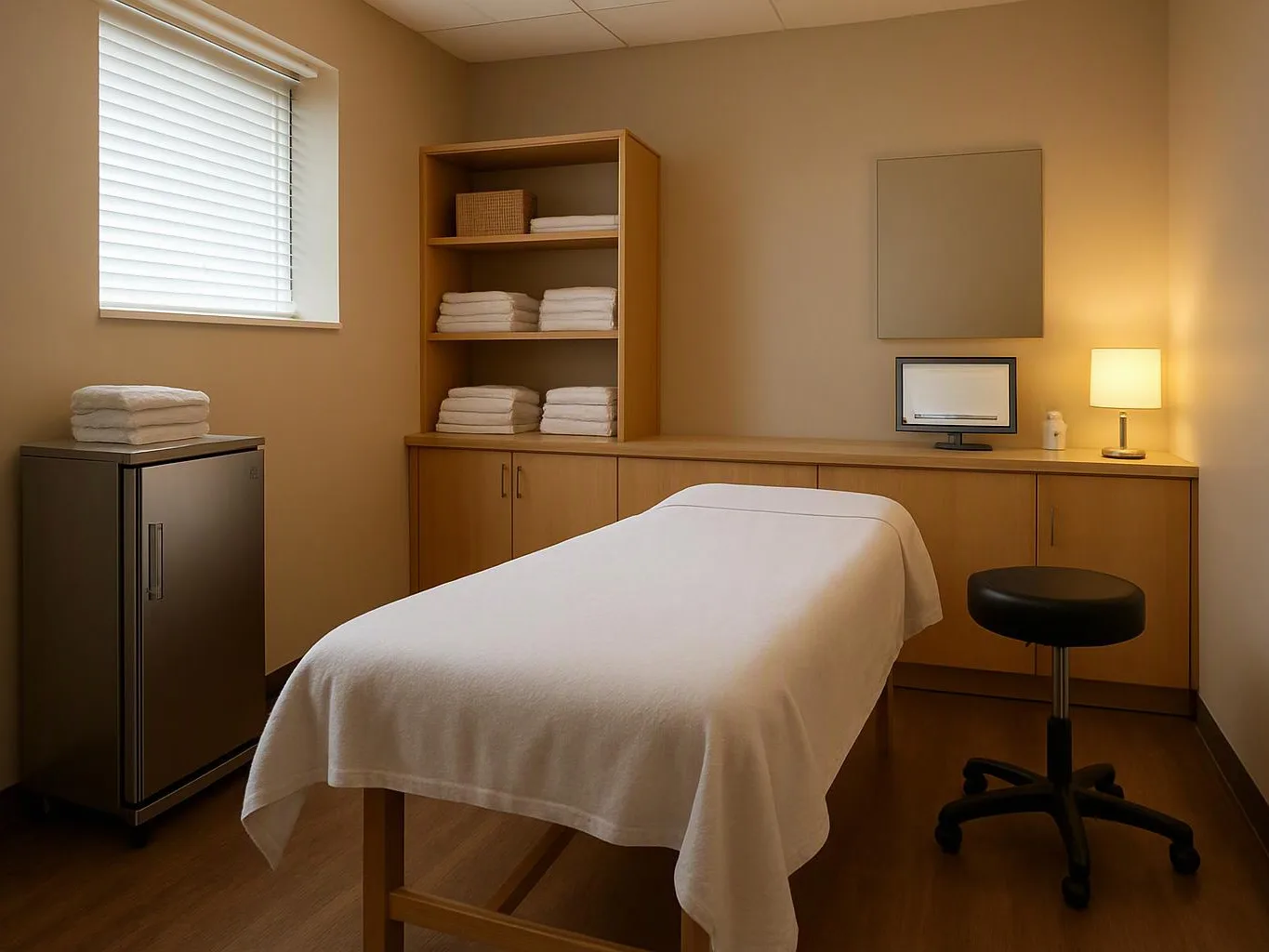
Spinal Decompression Therapy: Process, Preparation, and Candidate Questions
Spinal decompression therapy is a chiropractic treatment approach that uses controlled spinal unloading to address selected back or leg pain patterns, and Advanced Injury Care Clinic evaluates whether it fits your symptoms, health history, and care goals.
Request an EstimateWhat Is Spinal Decompression Therapy?
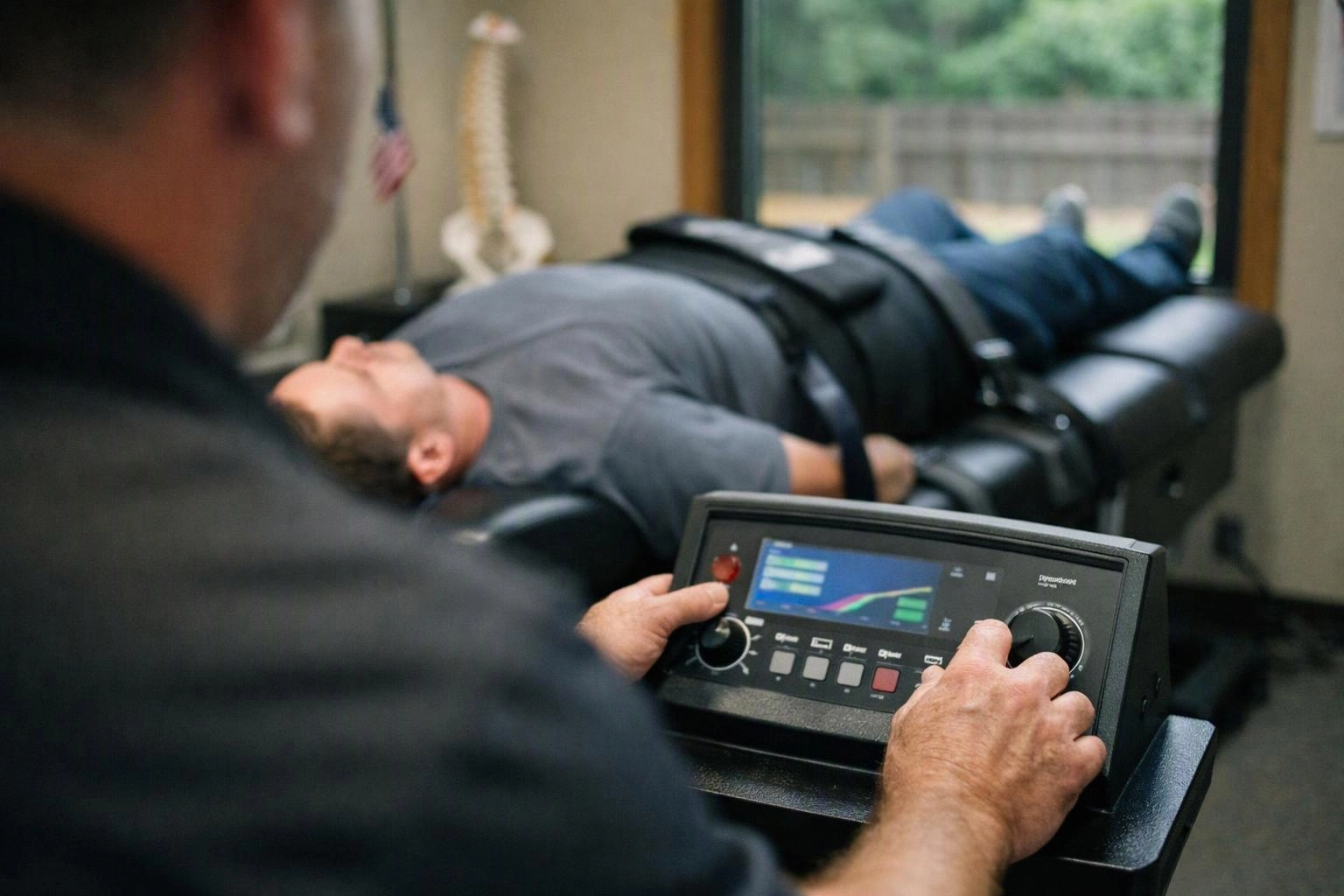
Spinal decompression therapy is a chiropractic treatment approach that uses controlled changes in spinal loading while you rest on a specialized table.
Spinal decompression therapy uses a spinal decompression table to create controlled spinal unloading. The approach may change how pressure is placed on parts of the spine, including the intervertebral discs.
Our team reviews your symptoms and health history before deciding whether this form of chiropractic care fits your back pain. We may discuss lumbar decompression therapy, cervical decompression therapy, or other conservative care options based on your presentation.
Which Symptoms May Lead Someone to Consider Care?
Back or leg symptoms that may prompt an evaluation include pain, stiffness, radiating discomfort, tingling, numbness, and movement-related limitations.
Symptoms can affect the low back, neck, or a connected area such as the leg. Our team uses your symptom pattern to guide the spinal assessment.
What Common Causes Can Contribute to These Symptoms?
Spinal symptoms can arise from disc changes, narrowing around spinal nerves, repetitive strain, or mechanical stress.
Our team considers the possible cause because the same symptom can have different sources. A candidate evaluation helps connect your symptoms with a safe and suitable treatment plan.
How Does a Spinal Decompression Therapy Session Work?
A spinal decompression therapy session begins with an assessment and continues with positioning, controlled table movement, and monitoring of your response.
Our team adjusts the session to your symptoms, treatment goals, and health history. The process is guided by your response rather than by a preset approach.
How Should You Prepare for Spinal Decompression Therapy?
You can prepare for spinal decompression therapy by sharing your health history, describing your symptoms clearly, wearing comfortable clothing, and bringing treatment questions.
Treatment preparation gives our team information needed for safe treatment positioning and a useful spinal assessment. Tell us about changes in symptoms before care begins.
What Should You Do After a Session?
After spinal decompression therapy, follow the activity and follow-up guidance provided by Advanced Injury Care Clinic and report unexpected or worsening symptoms.
Aftercare helps our team understand your post-treatment response. Your guidance may change based on symptom tracking and how your body responds.
Who May Consider Spinal Decompression Therapy?
People with selected back pain or sciatica-related symptoms may consider spinal decompression therapy after an individualized evaluation determines that the approach is appropriate.
Candidate evaluation considers disc-related symptoms, nerve irritation, health history, contraindications, and treatment goals. Our team may recommend another approach when spinal decompression does not match the findings or your needs.
Back pain or sciatica alone does not determine candidacy. We connect the examination findings with your goals before building a care plan.
How Can Spinal Decompression Support Back Pain and Sciatica Care?
Spinal decompression therapy can be considered as one part of chiropractic back pain or sciatica care when the evaluation connects the symptoms with a suitable spinal condition.
Back pain treatment may address spinal mechanics, movement tolerance, and contributing habits. Sciatica treatment may also consider nerve irritation and the pattern of radiating symptoms.
Our team may combine decompression therapy with other parts of multimodal chiropractic care when they support your treatment goals. We explain how each part of the plan relates to your findings.
Which Prevention Steps Can Help Protect Your Back?
Back-care habits can include improving body mechanics, changing positions regularly, using safe lifting technique, and progressing activity gradually.
Prevention steps cannot remove every cause of back pain. Our team can help you connect daily movement choices with your symptoms and treatment goals.
What Questions Should You Ask Before Starting?
Before starting, ask how the evaluation relates to your symptoms, what the treatment is intended to address, what sensations to expect, and how follow-up decisions are made.
Clear questions help you understand the plan and take part in care decisions. Our team will discuss options that relate to your findings and goals.
How Can You Discuss Your Options With Advanced Injury Care Clinic?
Advanced Injury Care Clinic can review your symptoms, health history, and treatment goals during a consultation to discuss whether spinal decompression therapy belongs in your care plan.
We use an individualized consultation to discuss back pain treatment, sciatica treatment, preparation, session expectations, and aftercare. Cost depends on the evaluation and care plan, so we explain what is included and how to obtain an exact quote from us.
Advanced Injury Care Clinic offers Free Consultations for discussing your concerns and care options.
Contact us to arrange an individualized consultation and discuss whether spinal decompression therapy fits your needs.
Questions About Spinal Decompression Therapy
Is spinal decompression therapy painful?
Spinal decompression therapy should be discussed with Advanced Injury Care Clinic if you feel discomfort during treatment. We monitor your response, adjust positioning when appropriate, and review unexpected or worsening symptoms.
Is spinal decompression therapy suitable for sciatica?
Spinal decompression therapy may be suitable for sciatica when an individualized evaluation connects the symptoms with a condition that may respond to controlled spinal unloading. Candidacy depends on your examination, health history, contraindications, and treatment goals.
Can spinal decompression therapy help with a herniated disc?
Spinal decompression therapy may be considered for symptoms related to a herniated disc after our evaluation identifies a suitable care approach. A herniated disc does not automatically make someone a candidate.
What should I tell the clinic before spinal decompression therapy?
Tell the clinic about your current symptoms, health history, medications, prior injuries, prior treatment, and treatment goals. Include changes in pain, numbness, tingling, stiffness, or radiating symptoms.
What symptoms should be reported after spinal decompression therapy?
Report unexpected or worsening pain, numbness, tingling, weakness, or other warning symptoms after spinal decompression therapy. Follow the aftercare and follow-up guidance provided for your care.