What techniques are used for headache treatment?
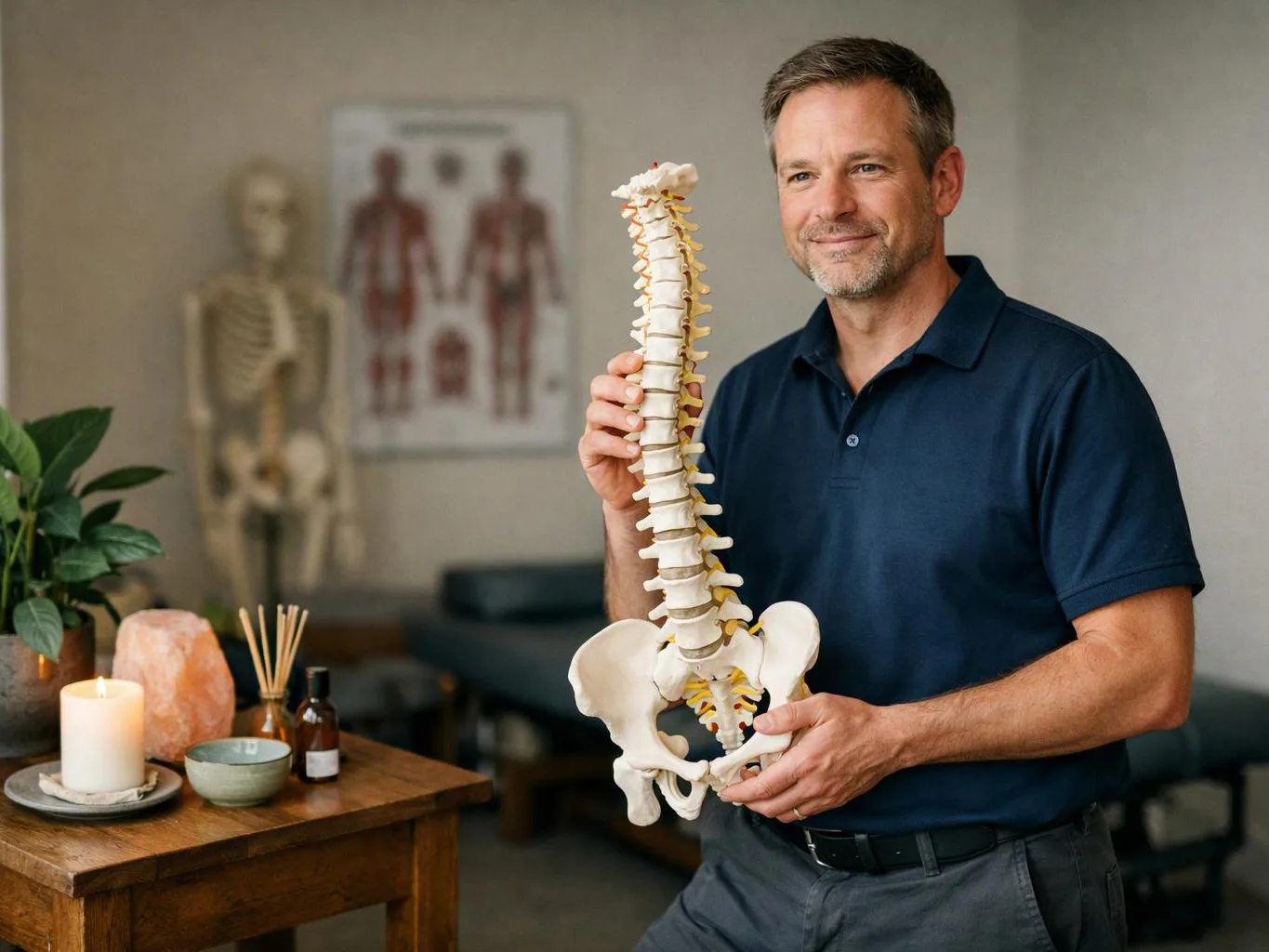
Massage therapy is one technique used for headache care, along with spinal adjustments, stretching exercises, posture training, and trigger point therapy. The evaluation guides the selection. Neck movement, muscle tension, posture, and health history all shape the plan. Individual response differs, so we explain the purpose of each method before applying it.
How does a headache visit move from the first call to the last step?
The visit moves from consultation to intake, examination, findings, treatment planning, and follow-up guidance. The new patient intake records symptoms and health history. The exam checks posture, movement, and related tissue tension. We then explain the plan and discuss self-care steps such as stretching or posture changes.
What should I bring to my first visit after an injury?
Your injury details, current symptoms, health history, and any relevant medical records help guide the first evaluation. A clear account of when the headache began also matters. We use that information with movement and posture findings to plan appropriate chiropractic care.
Which part of the body decides the scope of headache care?
The neck, upper back, shoulders, and related muscles often shape the scope of care. Restricted movement or focused trigger points may call for different methods. Our team also reviews the headache pattern and health history, because body findings alone do not determine the full plan.
When does headache care need medical evaluation first?
A severe, sudden, unusual, or changing headache needs medical evaluation before routine musculoskeletal care. New symptoms after a serious injury also deserve prompt medical attention. Chiropractic care addresses findings that fit our scope, but it does not replace medical assessment for warning signs.
Why might posture training be part of a headache plan?
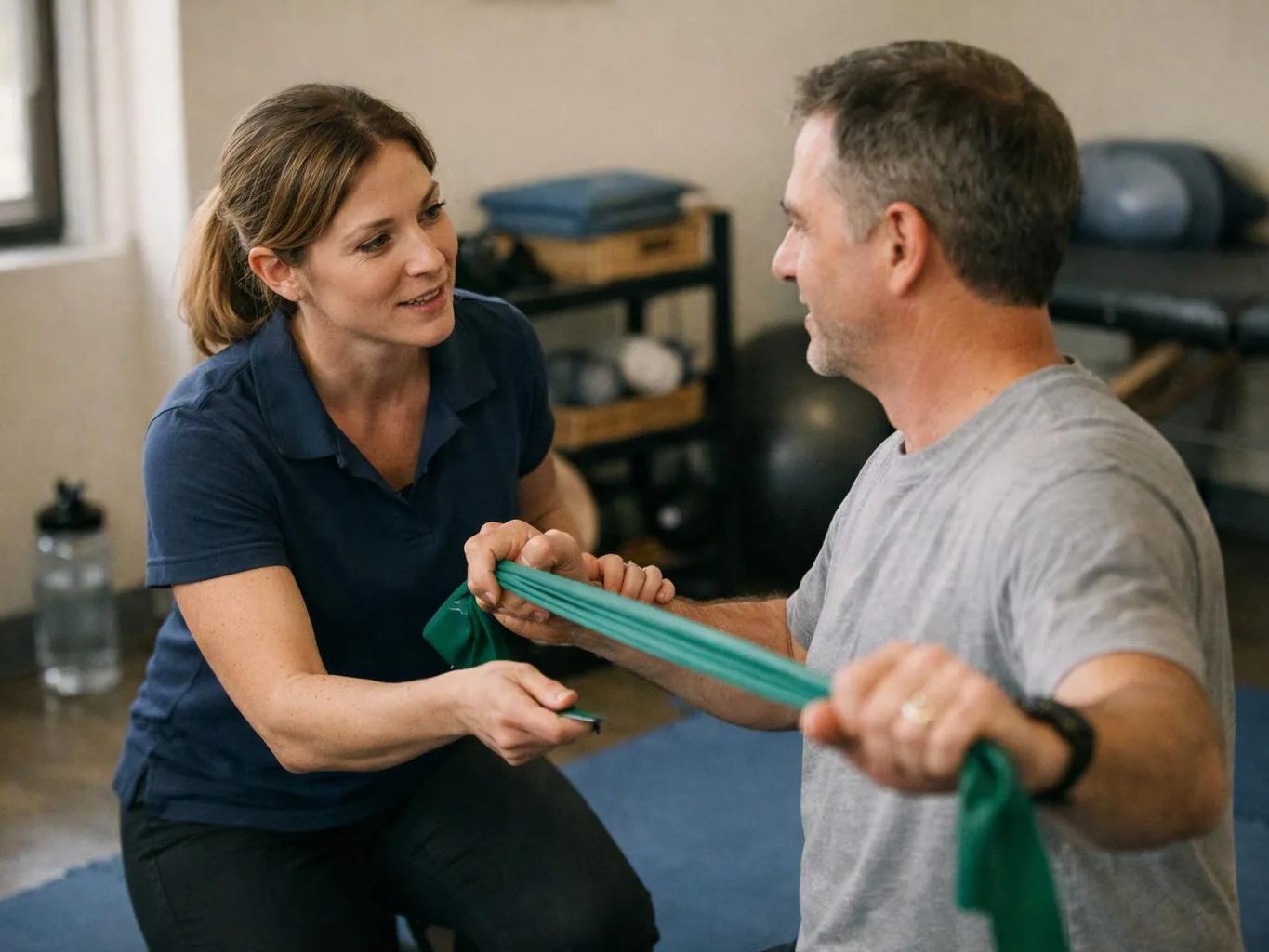
Posture training may be included when daily positions add strain to the neck and upper back. We review how you sit, work, rest, and move, then suggest practical changes. Stretching exercises may support those changes between appointments, but individual response differs.
How does the consultation help decide whether care fits?
The consultation helps determine whether headache symptoms fit an individualized chiropractic care plan. We review your history, symptoms, movement, posture, and related muscle tension. If the findings point outside our scope, the appropriate next step is medical evaluation.