

Skip to content

Trigger Point Therapy in Hermitage, Tennessee

We use focused soft tissue care to address painful muscle knots and related movement limits. Our team builds each visit around your symptoms and goals.

Upfront, Transparent PricingServing 18 CommunitiesMon-Fri: 9 am–7 pm, Sat: 9 am–2 pm, Sun: ClosedFast Scheduling
Trigger point therapy helps people in Hermitage manage painful muscle tension and restricted movement. We begin with an individualized evaluation, then explain the care plan before treatment. Our approach may include soft tissue therapy, therapeutic exercises, posture guidance, and rehabilitation support. We also consider related back pain, neck pain, headaches, whiplash, and injury concerns.

What patients notice from focused muscle care

Focused attention on tender muscle areas can support easier movement.

Soft tissue care may help reduce the effect of muscle tension on daily activity.

Posture guidance and exercises give you practical steps between visits.

What Trigger Point Therapy Covers

Trigger point therapy is a soft tissue treatment that targets tender muscle areas linked with pain and limited movement.

  • Trigger point therapy differs from spinal adjustment because it focuses on muscle tension and soft tissue sensitivity.
  • The Hermitage location changes coverage, not the assessment and treatment steps used for this service.
A hand rests on a black massage ball atop folded towels on a wooden table
About

How trigger point care addresses muscle knots

Trigger point therapy focuses on tender muscle areas that may refer pain to another part of the body. We look at the painful spot, your symptoms, and how movement affects the area. The workflow starts with a health history and exam. We explain what we find, then tailor care to your needs and goals. Treatment may include soft tissue therapy, therapeutic exercises, posture guidance, and rehabilitation support. This service does not replace evaluation of every possible cause of pain. If your symptoms involve an auto accident, work injury, sports injury, headaches, whiplash, or ongoing back pain, share that history before treatment. It helps us choose a safer and more useful care plan.

Process

What happens during trigger point therapy

1

Share the pain pattern

You describe where pain starts, where it travels, and what activities affect it. We also review injury history and related symptoms.

2

Complete the muscle assessment

We assess tender areas, movement, posture, and nearby tissues. This step helps us decide whether focused soft tissue care fits your needs.

3

Review the care plan

We explain the proposed treatment before care begins. Your plan may include soft tissue therapy, therapeutic exercises, or posture guidance.

4

Apply focused soft tissue care

We work on the identified muscle areas with a measured approach. We prioritize comfort, communication, and informed participation during treatment.

5

Check movement and next steps

We review how the area responds and discuss useful follow-up steps. Rehabilitation support may help you practice better movement between visits.

What to prepare before trigger point care

A few details can help us assess the painful area and plan treatment with you.

  • Bring a list of current symptoms and where pain travels.
  • Describe any auto accident, work injury, or sports injury linked to the pain.
  • Wear clothing that allows comfortable movement during the assessment.
  • Share activities, postures, or exercises that increase muscle tension.

The Advanced Injury Care Clinic Standard

Assess Patient Condition

We assess tender muscles, movement, posture, and injury history before recommending focused soft tissue care.

Tailored Care Plans

We tailor trigger point care, exercises, and posture guidance to each patient’s symptoms and movement goals.

Clear Treatment Explanations

We explain the target muscle areas, proposed hands-on care, and supporting exercises before treatment begins.

Questions about trigger point therapy and muscle pain

Who provides trigger point therapy at your clinic?

Advanced Injury Care Clinic provides trigger point therapy after assessing each patient’s condition. Care may include soft tissue therapy, therapeutic exercises, and posture guidance. We explain the proposed treatment before providing care, and we tailor the plan to your symptoms, goals, and injury history.

What happens during a first trigger point therapy visit?

The first visit includes a health history, symptom review, movement assessment, and treatment discussion. We identify tender areas and review how pain affects daily activity. Treatment may begin after the assessment when it fits your needs. We explain the plan clearly before any hands-on care.

Can trigger point therapy help pain that spreads from a muscle?

Referred muscle pain can improve when care addresses the tender area and related movement limits. We assess where symptoms begin and where they travel. Soft tissue therapy may be paired with exercises or posture guidance. Individual responses differ, so we review progress throughout care.

What can change the cost of trigger point therapy?

The treatment plan, number of areas assessed, related injuries, and added rehabilitation support can affect the cost. Advanced Injury Care Clinic can explain the expected services before care begins. Ask about your specific needs during the consultation, since no business price is supplied here.

Does insurance pay for myofascial or trigger point care?

Insurance coverage depends on your plan, diagnosis, and benefit rules. Our team can discuss the care being considered and the information needed for benefits questions. Coverage for soft tissue therapy may differ from coverage for chiropractic treatment, so confirm details with your insurer before an appointment.

What are possible downsides of trigger point therapy?

Temporary tenderness or soreness can occur after focused muscle treatment. Tell us about sharp pain, worsening symptoms, or discomfort during care so we can reassess the approach. We review your condition first and prioritize comfort, communication, and informed participation throughout the visit.

Can this care support recurring muscle knots?

Trigger point therapy may support recurring muscle tension when the plan also addresses movement and posture. We assess repeated strain and may add therapeutic exercises or posture guidance. Regular maintenance can be discussed when it fits your goals, but results vary between patients.

Key Points About Trigger Point Therapy

  • Tender muscle points can refer pain beyond the sore area.
  • An individualized evaluation comes before treatment recommendations.
  • Soft tissue therapy may pair with exercises and posture guidance.
  • Injury history helps shape safe treatment choices.
  • Progress checks guide later care decisions.
Contact

Discuss trigger point therapy in Hermitage

Are recurring knots, injury-related tension, or referred muscle pain affecting your day? Advanced Injury Care Clinic invites you to request an appointment and discuss your symptoms, goals, and care options.
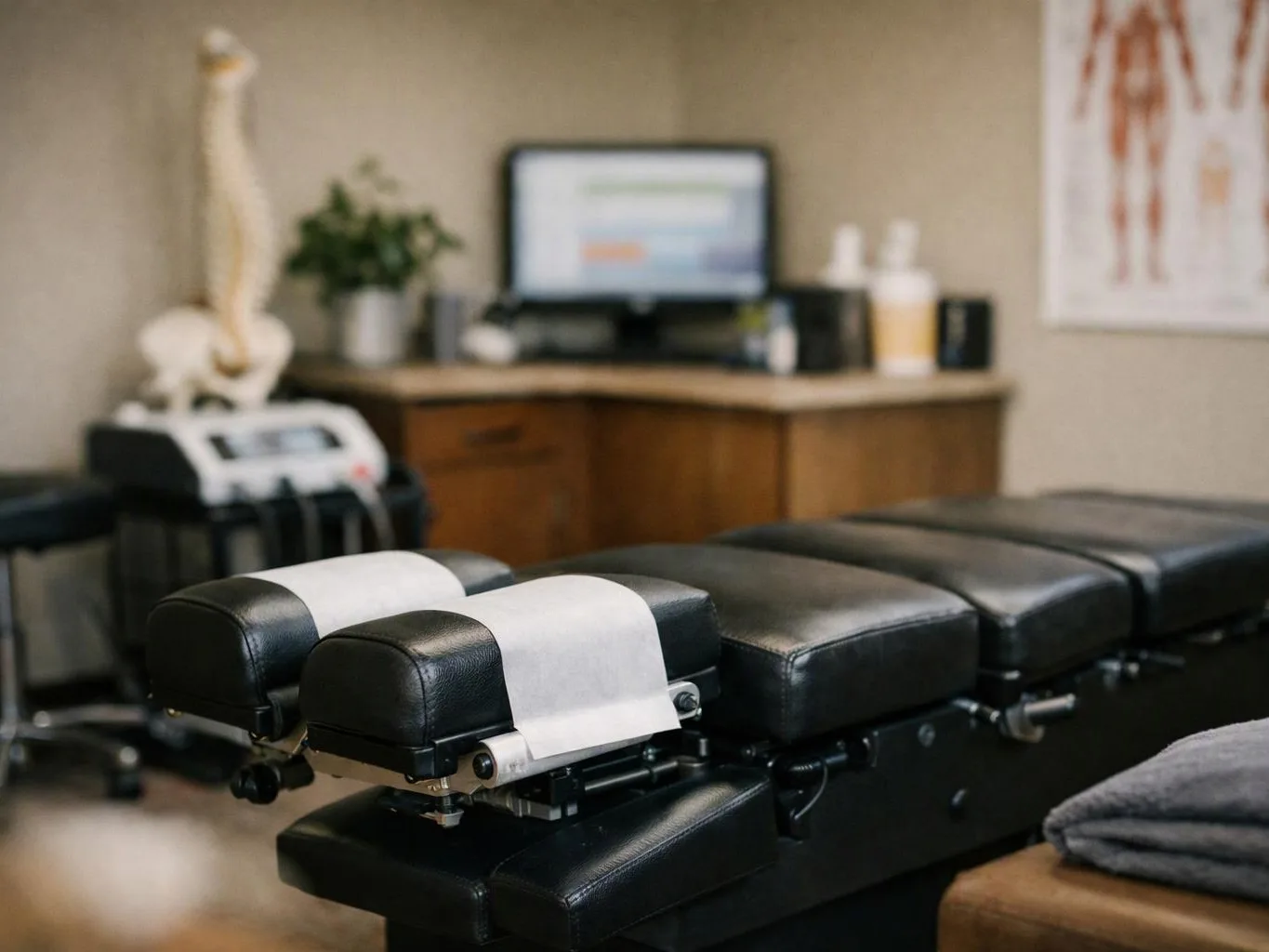
A chiropractic treatment table sits in a clinic room with a computer, anatomical poster, and therapy equipment nearby
Scenarios

When Customers Call Us About Trigger Point Therapy

1

Pain That Travels From One Knot

A sore spot in the neck, shoulder, or back can send pain beyond the tight muscle. The pain pattern matters because the tender area may not be the only tissue involved. We’ll review your symptoms, movement, and injury history before choosing soft tissue care or adding posture guidance and exercises.

2

Tension After An Injury

Muscles may stay guarded after a collision, work injury, or sports strain. Trigger point care needs a careful history so treatment matches the injury and current symptoms. Bring those details to your appointment, and we’ll assess the area before explaining a personalized care plan.

3

Knots That Keep Returning

Repeated muscle tightness can follow the same posture or movement pattern each day. Hands-on care may help, but long-term progress also depends on what keeps loading the area. We’ll check movement and discuss exercises or posture changes that support your self-care goals between appointments.


Our Other Services

Chiropractic AdjustmentPersistent stiffness can make turning, lifting, or walking uncomfortable. Chiropractic adjustments use controlled spinal movements to improve joint motion and reduce strain affecting your back, neck, or shoulders.
Spinal Decompression TherapyBulging discs and compressed spinal joints can send pain into your back or legs. Spinal decompression therapy gently unloads affected areas and may improve comfort during sitting, standing, and daily movement.
Massage TherapyMuscle tension can limit movement after work, exercise, or an injury. Massage therapy uses hands-on pressure and focused strokes to ease tight muscles, improve circulation, and support easier movement.
Deep Tissue MassageDeep knots can keep sore shoulders, hips, or legs from relaxing. Deep tissue massage targets muscle layers and fascia with focused pressure, helping reduce stubborn tension and improve everyday mobility.
Prenatal MassagePregnancy can bring low back soreness, hip tension, and tired legs. Prenatal massage uses pregnancy-safe positioning and gentle hands-on work to ease muscle discomfort while supporting safer, more comfortable movement.
Auto Accident Injury TreatmentAfter a collision in Hermitage, pain may appear in the neck, back, or shoulders hours later. We assess whiplash, sprains, and muscle strain, then build care around mobility, symptom relief, and recovery.

The health and wellness information on this website is for general informational purposes only and is not medical advice. It does not create a provider-patient relationship. Always consult a qualified licensed provider in Hermitage, Tennessee, United States about your specific condition before making care decisions. Individual results vary.

(615) 265-0412