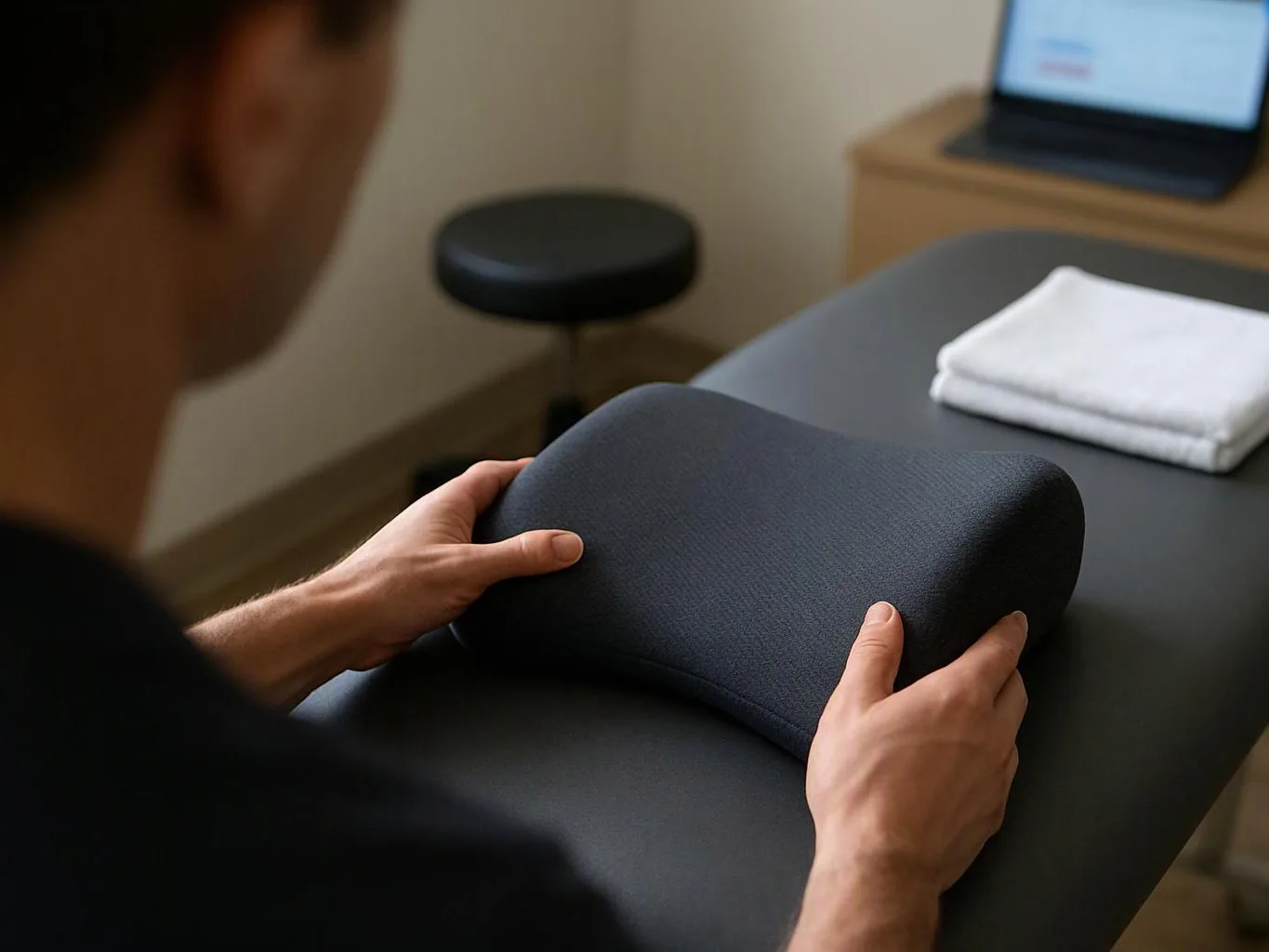
How can massage therapy reduce everyday muscle tension?
Soft tissue massage therapy may reduce everyday muscle tension by working with tight muscles and supporting relaxation. Muscle knots can form when posture, repeated activity, or stress keeps tissue tense. We review the area and movement pattern first, then apply hands-on care that matches your comfort and goals. Results vary, and individual response differs.
What should be checked before massage therapy is scheduled?
A symptom review should come before massage therapy is scheduled. We discuss the affected area, injury history, health concerns, activity pattern, and movement limits. That review helps identify whether hands-on care fits. It also helps us explain when chiropractic treatment, rehabilitation support, or medical evaluation deserves attention first.
Who is a good fit for massage therapy, and who needs a different service?
Massage therapy may suit people with muscle tension, tender knots, or movement limits linked to soft tissue discomfort. Severe unexplained symptoms, major injury concerns, or signs outside muscle care need another evaluation. We assess the concern and explain whether hands-on treatment, chiropractic care, exercise guidance, or medical care is the better next step.
What happens at each stage of massage therapy?
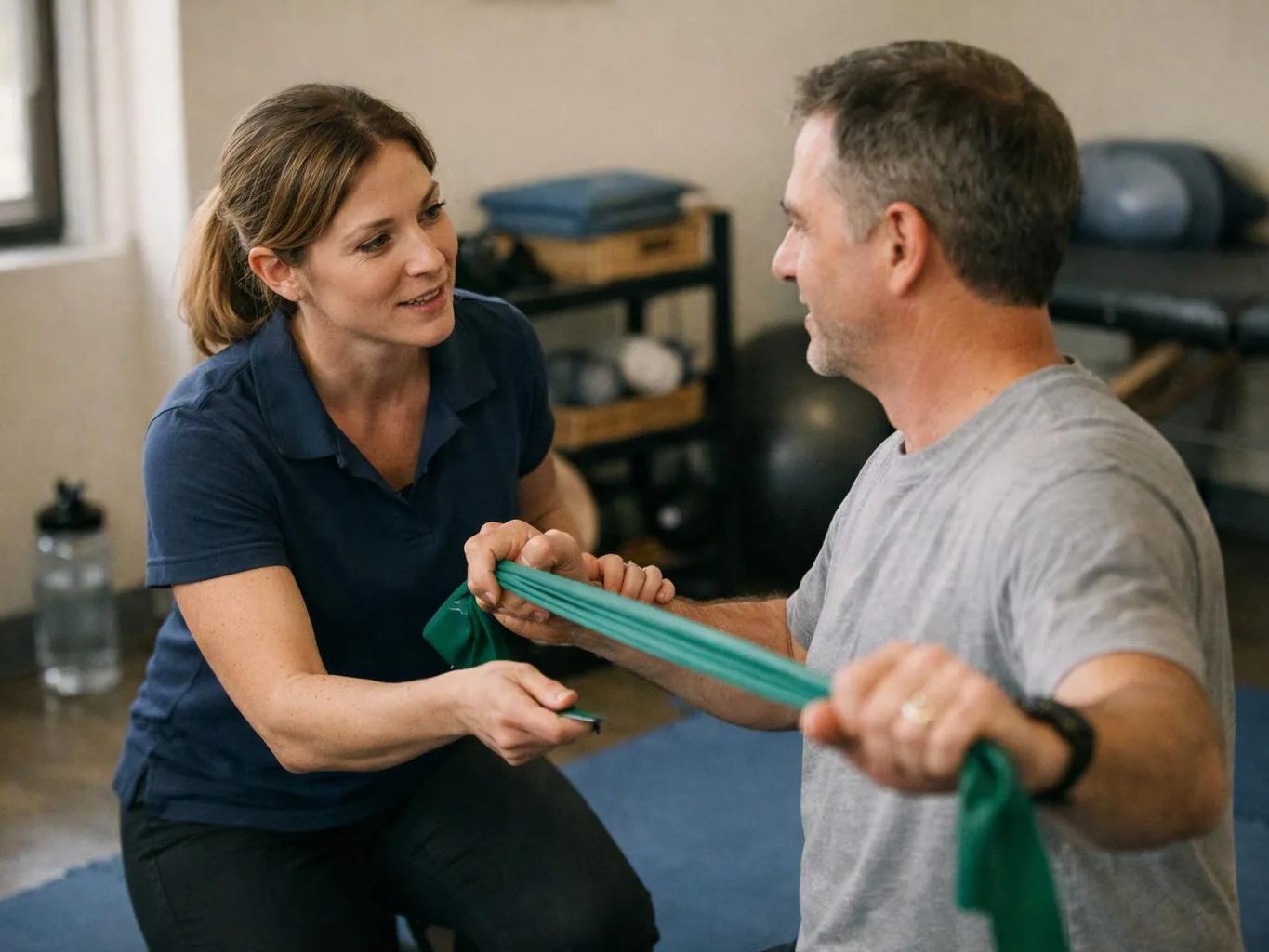
Massage therapy begins with a discussion of symptoms and goals, followed by a movement and tissue check. The visit then includes focused hands-on care and an explanation of next steps. We may connect the treatment with posture guidance, therapeutic exercise, or chiropractic care when those services fit the concern.
Which daily habits can keep muscle knots coming back?
Repeated posture, one-sided activity, and limited movement can keep muscle knots returning. We ask about work tasks, exercise, sleep position, and other habits that load the same area. Massage therapy may address the tense tissue, while posture guidance and therapeutic exercises may support better movement between visits.
When should neck or back tension receive more than massage therapy?
Neck or back tension deserves broader evaluation when it follows a collision, work injury, or sports injury, or when symptoms spread beyond the sore muscle. Our team reviews the injury pattern and movement limits. Chiropractic treatment, rehabilitation support, or medical evaluation may fit better when the concern reaches beyond soft tissue.
Why might relaxation matter during muscle treatment?
Relaxation matters because guarded muscles can stay tense during hands-on treatment. A calmer response may make it easier to work within a comfortable range of motion. We adjust pressure and focus to your symptoms, then explain how posture, movement, and regular maintenance may affect returning tension.