Skip to content

Spinal Decompression Therapy in Shackle Island, Tennessee

Herniated disc symptoms can affect daily movement in Shackle Island. We offer free consultations and licensed chiropractic care to assess whether spinal decompression fits your needs.

Upfront, Transparent PricingServing 18 CommunitiesMon-Fri: 9 am–7 pm, Sat: 9 am–2 pm, Sun: ClosedFast Scheduling

Quick Summary: Spinal Decompression Therapy in Shackle Island, Tennessee

Spinal decompression therapy in Shackle Island is provided by Advanced Injury Care Clinic for disc-related back pain, nerve pressure, and mobility concerns. We serve Hermitage and nearby Middle Tennessee communities with individualized, evidence-informed care.

  • What we do: Advanced Injury Care Clinic provides spinal decompression therapy for eligible patients in Shackle Island, Tennessee, after an individualized evaluation.
  • What is included: Evaluation, spinal decompression, soft tissue therapy, therapeutic exercise, posture guidance, and rehabilitation support.
  • What you get: The patient receives a clear care plan that addresses disc pressure, nerve symptoms, and movement goals.

Why does disc pain keep causing leg symptoms?

Disc pain may irritate or compress nearby nerves, which can send symptoms into the hip or leg. A chiropractic evaluation helps identify the pattern and decide whether spinal decompression therapy fits.

Spinal Decompression Therapy for Herniated Disc Concerns in Shackle Island, Tennessee

Spinal decompression therapy focuses on patients whose back pain may involve disc pressure or nerve irritation. The service is not a diagnosis by itself, so we begin with a health history, physical exam, and clear review of your symptoms.

A herniated disc can affect nearby nerves, but similar symptoms can come from other spinal problems. Our chiropractor checks movement, posture, and pain patterns before discussing traction force or related care.

The key decision is fit. Some patients may benefit from a plan that includes decompression, soft tissue therapy, therapeutic exercises, and posture guidance. Others may need a different type of care or further medical assessment.

  • Bring a list of current symptoms, past injuries, and relevant health concerns.
  • Ask how disc pressure and nerve compression relate to your symptoms.
  • Discuss whether traction force fits your evaluation findings.
  • Review how progress will be checked during care.
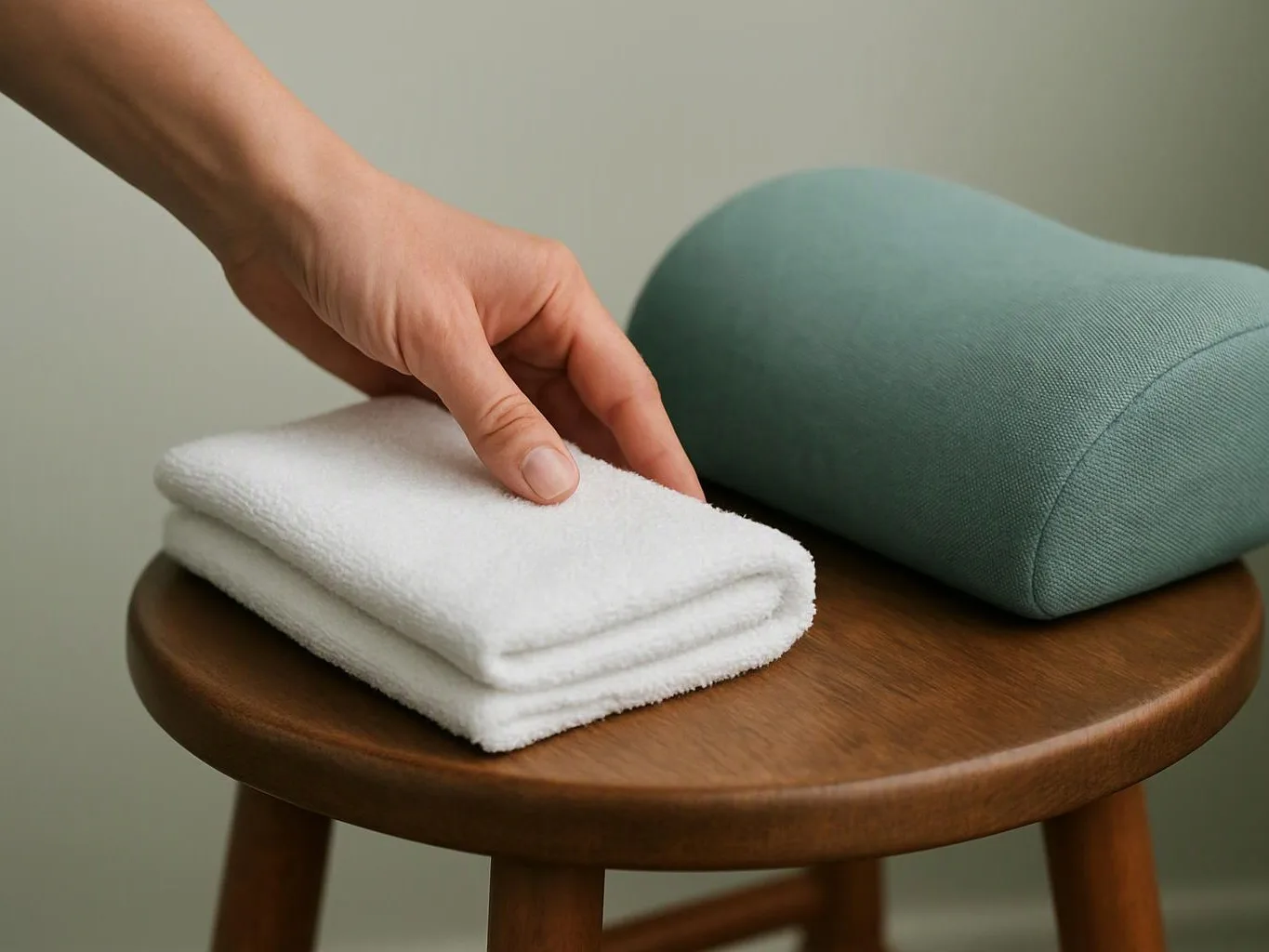
A hand reaches toward folded white towels on a wooden stool beside a green cushion

Service Overview

Spinal decompression therapy is a non-invasive treatment that applies controlled traction to help reduce stress around spinal discs.

  • Unlike a spinal adjustment, decompression uses a gradual pulling force instead of a quick joint movement.
  • We provide this care for patients in Shackle Island and nearby Middle Tennessee communities.

What Spinal Decompression Therapy Includes for Your Care

Advanced Injury Care Clinic provides comprehensive Spinal Decompression Therapy in Shackle Island. Here's what you get:

  • We complete a new patient intake that records your symptoms and health history.
  • We perform an individualized evaluation of movement, posture, and spinal function.
  • We explain whether spinal decompression is suitable for your current concerns.
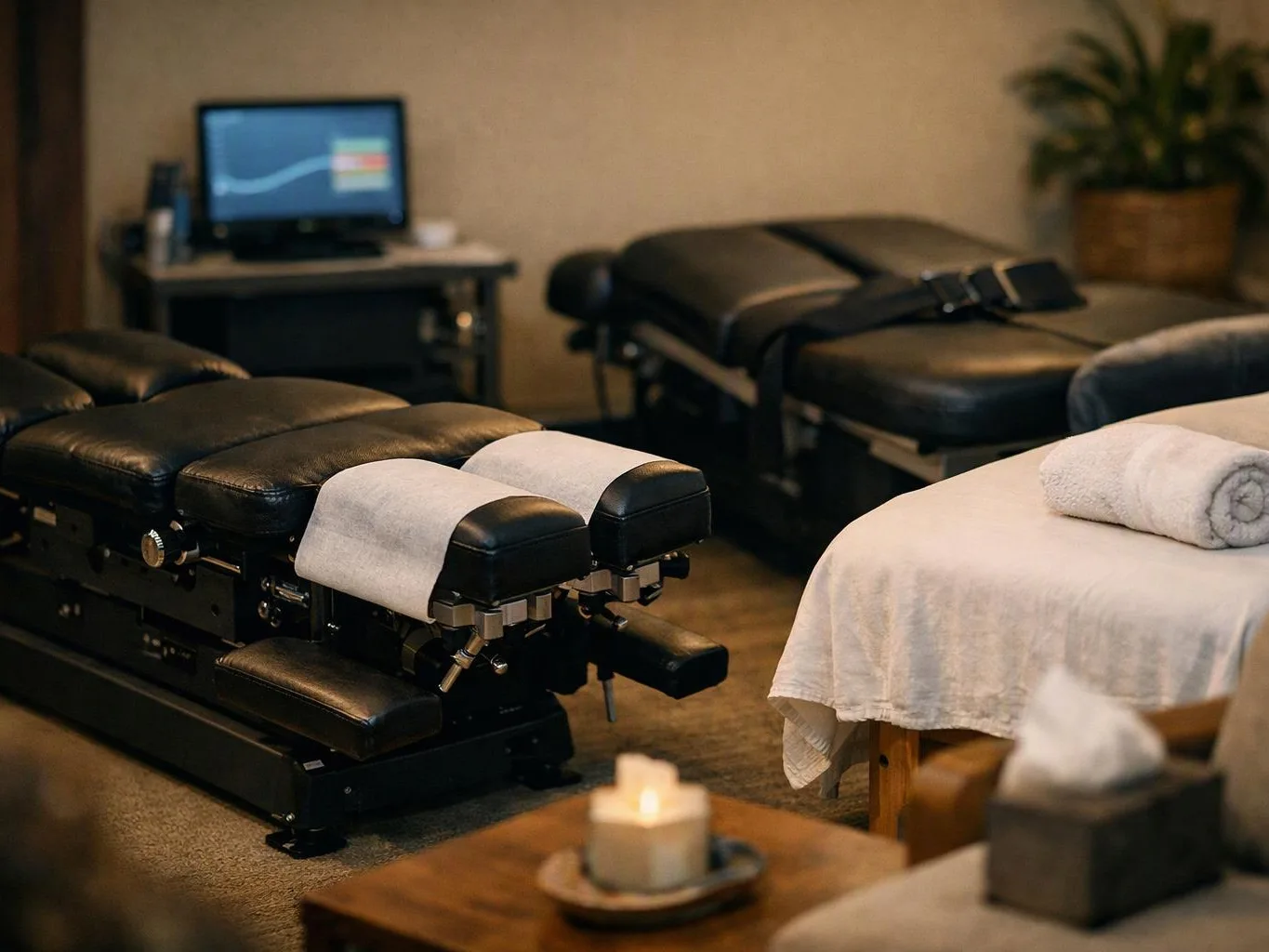
  • We use controlled traction on a spinal decompression table when the plan supports it.
  • We may add soft tissue therapy, therapeutic exercises, or posture guidance.
  • We review progress and adjust the care plan as your response develops.

How We Approach Disc-Related Spinal Care

Start with the symptom pattern

Leg pain, numbness, and back pain can point to different causes. We review the pattern before choosing traction or another treatment.

Explain each care choice

Our licensed chiropractor explains the findings and treatment options in plain language. You can ask what each step is meant to address.

Know when decompression is not the fit

Spinal decompression is not the right job for every symptom. Severe or changing symptoms need careful assessment, and we may recommend medical follow-up when appropriate.

Process

How We Plan and Provide Spinal Decompression Care

1

Complete the new patient intake

We record your health history, symptoms, prior injuries, and treatment goals before making a care decision.

2

Check movement and nerve symptoms

The evaluation looks at posture, spinal movement, pain patterns, and signs that may relate to nerve compression.

3

Review the findings

We explain what the assessment shows and discuss whether traction force suits your needs.

4

Apply controlled traction

When appropriate, we use a spinal decompression table as part of the personalized treatment plan.

5

Add supportive care

The plan may include soft tissue therapy, exercises, posture guidance, or rehabilitation support.

6

Recheck progress

We review your response and update the plan when your symptoms or movement needs change.

What This Treatment May Change for Daily Movement

Controlled traction may help reduce stress around irritated spinal structures.

A clear assessment helps connect back symptoms with nerve compression or movement limits.

A personalized care plan gives you practical steps for exercise and posture.

Soft tissue therapy may support movement when tight muscles add strain.

Progress checks help show whether the current treatment direction still fits.

Regular maintenance may support mobility after the main concern has settled.

Spinal Decompression and Related Treatment Options

These options use different methods, so the evaluation helps determine which approach fits.

Treatment optionMain methodWhen it may fit
Spinal decompressionControlled traction on a spinal decompression tableDisc pressure or nerve-related symptoms when the evaluation supports it
Spinal adjustmentA controlled joint movementMovement restrictions that fit an adjustment-based plan
Soft tissue therapyHands-on work for muscle and connective tissueMuscle tension that affects movement or comfort

The Advanced Injury Care Clinic Standard

  • Assess Patient Condition
  • Tailored Care Plans
  • Clear Treatment Explanations
  • Monitor Patient Progress

Questions About Spinal Decompression Therapy and Disc Pain

How can spinal decompression therapy help a herniated disc?

Spinal decompression therapy may reduce stress around a herniated disc through controlled traction. Advanced Injury Care Clinic first checks symptoms, movement, and nerve signs before recommending care. Results vary, and treatment does not promise a cure. The plan may also include exercises, posture guidance, or soft tissue therapy.

What does the first visit include before traction?

The first visit includes a new patient intake, health history, and physical evaluation. We review your symptoms, posture, movement, and treatment goals. X-rays may be considered when clinically indicated. The visit ends with an explanation of findings and a personalized treatment plan.

Which material changes how long treatment takes?

The treatment plan changes with your symptoms, examination findings, and response to care, not with a single material. A spinal decompression table provides the traction surface, while exercises and soft tissue therapy may support the plan. We review progress before changing the next step.

How does a visit move from the first call to the last step?

A visit moves from intake and evaluation to findings, treatment planning, care, and progress review. Our team records your concerns, checks spinal movement, explains the options, and uses traction only when appropriate. Follow-up care may include exercises or posture guidance.

Why might spinal decompression not fit my symptoms?

Spinal decompression may not fit symptoms that need urgent medical assessment or a different treatment approach. We review warning signs, nerve symptoms, movement limits, and your health history first. If the findings point elsewhere, we explain the concern and discuss an appropriate next step.

Which records should I bring after an auto accident?

Bring available medical records, imaging reports, medication details, and a written symptom list after an auto accident. These details help us understand prior findings and current concerns. You can still ask about care if some records are not available.

How does a chiropractic adjustment differ from decompression?

A chiropractic adjustment uses a controlled joint movement, while decompression uses gradual traction. The two approaches address different treatment goals and are not interchangeable. We choose care after reviewing your symptoms, movement, and health history.

Contact

Discuss Spinal Decompression Therapy in Shackle Island

Advanced Injury Care Clinic can review your disc-related symptoms and discuss a personalized care plan. Book a free consultation to learn whether spinal decompression fits your evaluation.

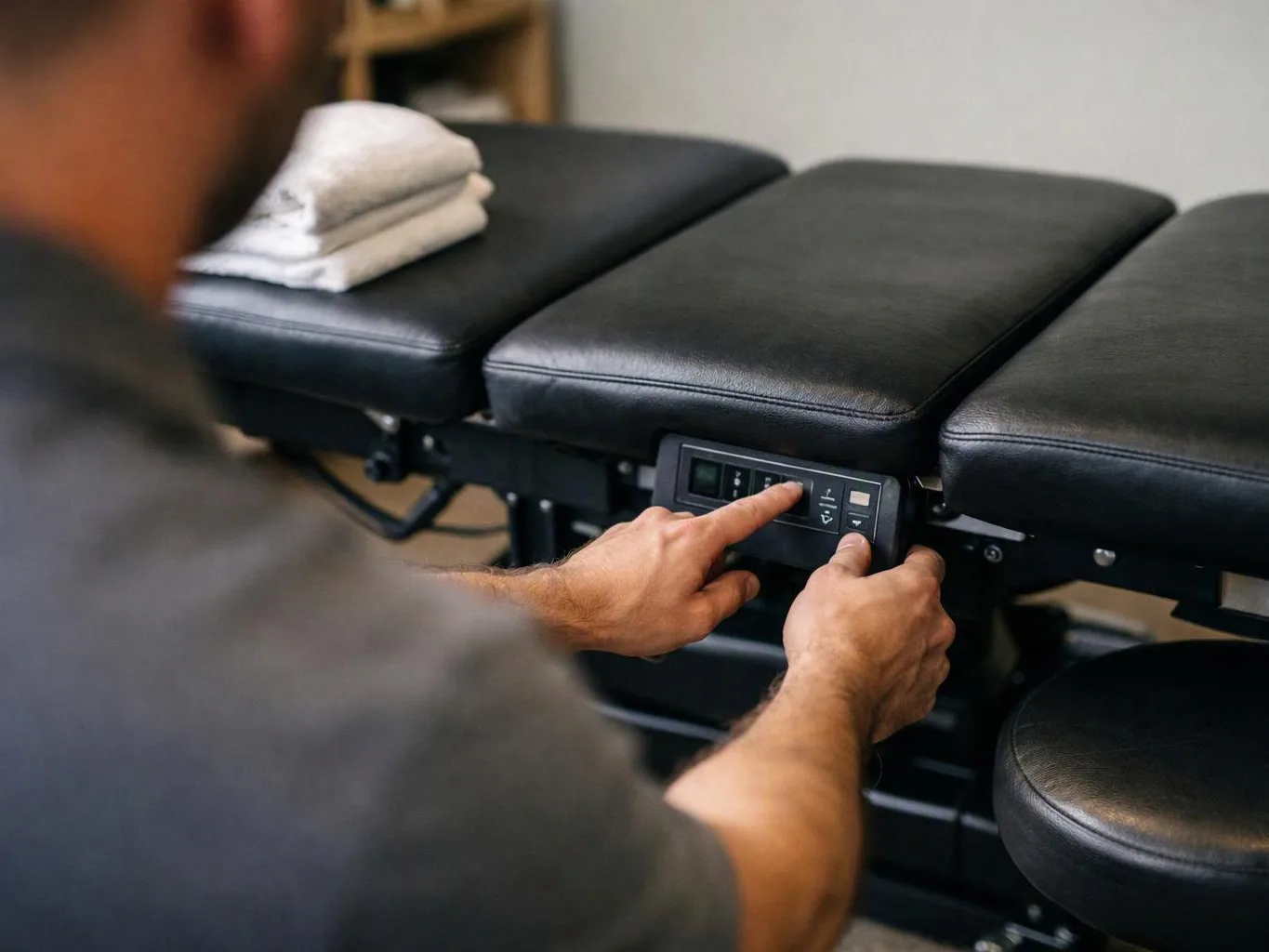
A person adjusts the controls on a black padded treatment table in a quiet room

Spinal Decompression Therapy in Other Areas

The health and wellness information on this website is for general informational purposes only and is not medical advice. It does not create a provider-patient relationship. Always consult a qualified licensed provider in Hermitage, Tennessee, United States about your specific condition before making care decisions. Individual results vary.

(615) 265-0412