Skip to content

Posture Correction in Gallatin, Tennessee

Safety comes first, so spinal alignment in Gallatin begins with an individualized evaluation. We connect posture guidance with care for neck pain, back pain, and reduced mobility.

Upfront, Transparent PricingServing 18 CommunitiesMon-Fri: 9 am–7 pm, Sat: 9 am–2 pm, Sun: ClosedFast Scheduling

Quick Summary: Posture Care in Gallatin, Tennessee

Posture Correction in Gallatin is provided by Advanced Injury Care Clinic for people managing daily neck or back strain. Care includes an individualized evaluation, posture guidance, and a plan that may include spinal adjustments, soft tissue therapy, or therapeutic exercises.

  • What we do: Advanced Injury Care Clinic provides Posture Correction for Gallatin, Tennessee patients with posture-related neck and back strain.
  • What is included: Individualized evaluation, postural assessment, spinal adjustments, soft tissue therapy, therapeutic exercises, and posture guidance.
  • What you get: The customer receives a clear care plan that supports better movement and more comfortable daily activity.

Why does daily neck and back strain keep returning?

Daily neck and back strain can relate to repeated posture habits, muscle imbalance, or limited movement. A postural assessment helps identify patterns and guides a personalized treatment plan.


Posture Correction for Daily Strain in Gallatin

Posture correction is for people whose neck or back strain follows desk work, driving, phone use, exercise, or other repeated habits. The goal is to understand the movement pattern before choosing care.

Our team checks posture, joint movement, muscle balance, and symptoms during an individualized evaluation. We may also discuss forward head position, shoulder tension, or low back strain when those concerns fit your history.

This service isn't a promise of permanent relief. Results vary, and some symptoms need medical assessment or another form of care. We explain what we find so you can make an informed choice about treatment.

  • Discuss when neck or back strain appears during work, travel, exercise, or rest.
  • Review posture, movement, muscle balance, and relevant injury history.
  • Ask which parts of the care plan support daily self-care.
  • Share any prior imaging, treatment records, or changes in symptoms.
A spine model stands beside folded towels, a notebook, and an hourglass on a wooden table

Service Overview

Posture correction is a chiropractic service that assesses body position and supports healthier movement habits.

  • Posture guidance focuses on alignment and movement patterns, while rehabilitation support adds exercises that build control and strength.
  • We provide this care in Gallatin and serve nearby Middle Tennessee communities, including Mount Juliet, Donelson, Antioch, and Nashville.

What Better Posture Support Can Change

Posture guidance gives you a clearer way to manage habits that place strain on your neck or back.

A care plan may support better mobility during work, driving, exercise, or household tasks.

Muscle balance work can help you understand why certain positions feel tiring or uncomfortable.

Regular maintenance may help you keep practicing movement habits after the main concern settles.

Care after an injury can connect posture findings with whiplash, back pain, or other musculoskeletal concerns.

What Posture Care Includes for Your Visit

Advanced Injury Care Clinic provides comprehensive Posture Correction in Gallatin. Here's what you get:

  • An individualized evaluation reviews your health history, symptoms, posture, and movement.
  • A postural assessment looks for patterns linked with daily neck or back strain.
  • Posture guidance explains practical ways to change repeated movement habits.
  • Spinal adjustments may support joint movement when they fit the evaluation.
  • Soft tissue therapy may address muscle tension that affects movement.
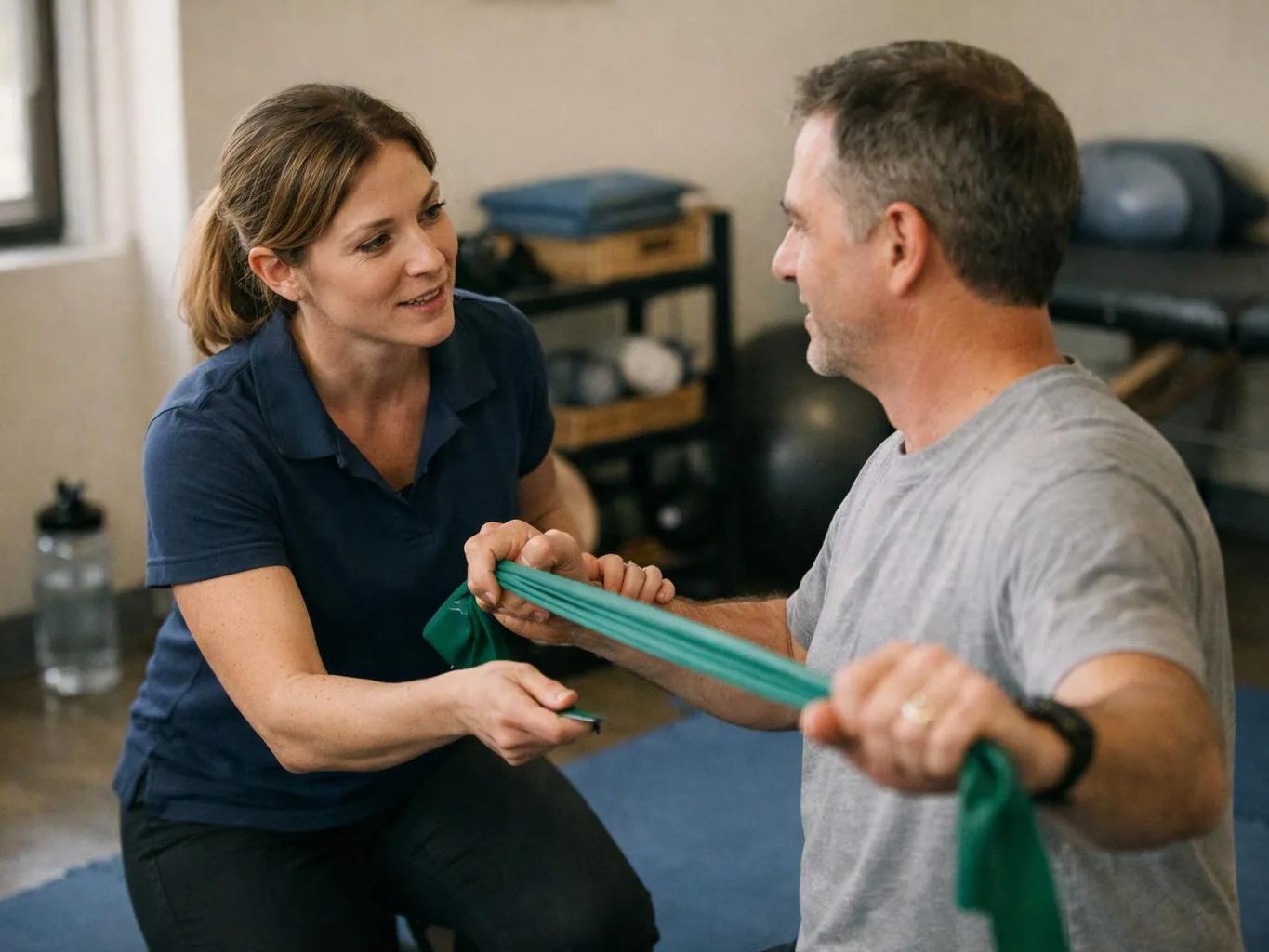
  • Therapeutic exercises and rehabilitation support help you practice improved movement.
Process

How We Build Your Posture Care Plan

1

Review your history and symptoms

The new patient intake covers your health history, current strain, past injuries, and daily activities that affect posture.

2

Complete the postural assessment

We examine posture, movement, joint function, and muscle balance. X-rays are considered only when clinically indicated.

3

Explain the findings

A report of findings connects the assessment with your symptoms and outlines suitable care options in clear terms.

4

Apply matched treatment

Your plan may include spinal adjustments, soft tissue therapy, posture guidance, or therapeutic exercises.

5

Review movement and progress

Follow-up care checks how your symptoms and movement respond, then updates the plan when your needs change.

What You Get From Our Posture Approach

A clear starting assessment

The first step is a health history and exam that links your symptoms with movement and posture findings. We explain the care plan in plain language.

Treatment matched to your findings

Spinal adjustments, soft tissue therapy, and exercises are considered according to your needs. We don't treat every posture concern with the same method.

A realistic boundary for care

Posture correction may be the wrong fit when symptoms point to a condition that needs urgent medical care or a different specialist. We use the evaluation to guide that decision.

Choosing Care for Posture-Related Strain

This comparison shows how common care options address different parts of a posture concern.

Care optionMain focusWhen it may fit
Postural assessmentPosture, movement, and muscle balanceWhen you need to understand patterns linked with daily strain
Spinal adjustmentsJoint movement and spinal mobilityWhen the evaluation supports hands-on chiropractic care
Therapeutic exercisesMovement control and daily practiceWhen you need active work between appointments

The Advanced Injury Care Clinic Standard

  • Assess Patient Condition
  • Tailored Care Plans
  • Clear Treatment Explanations
  • Monitor Patient Progress

Questions About Posture Care and Daily Strain

How can posture correction help relieve daily neck and back strain?

Spinal alignment can help relieve daily neck and back strain when posture habits and movement limits contribute to symptoms. Advanced Injury Care Clinic begins with a postural assessment, then may use spinal adjustments, soft tissue therapy, and therapeutic exercises. Individual response differs, so the care plan follows your findings and health history.

What should be ready before posture correction starts?

Your symptom history, injury details, and daily activity patterns should be ready before posture care starts. Bring available medical records or imaging if they relate to your concern. A new patient intake and health history help our team decide which assessment and treatment options fit your needs.

What should I ask before agreeing to posture care?

Ask which findings support the recommended treatment and how you can practice the plan between visits. Our team explains whether the plan includes spinal adjustments, soft tissue therapy, exercises, or posture guidance. You can also ask how progress will be reviewed and when another type of care may be more suitable.

Which condition changes the time needed for a posture assessment?

The complexity of your symptoms, injury history, and movement limits changes the time needed for an assessment. A simple posture concern may require fewer questions than symptoms linked with whiplash or ongoing back pain. We set the visit details after reviewing your health history and reason for care.

When should neck or back strain receive medical attention first?

Neck or back strain should receive medical attention first when symptoms are severe, sudden, or linked with serious injury signs. Our team reviews your history and explains whether chiropractic assessment fits. Seek urgent medical care for symptoms that feel severe or threaten normal function.

Why might forward head posture affect daily comfort?

Forward head posture can increase strain on neck muscles and change how the upper back moves. A postural assessment checks head position, shoulder motion, and muscle balance. Our care plan may include posture guidance, soft tissue therapy, and exercises that support better movement habits.

Which care may follow posture concerns after an auto accident?

Care after an auto accident may include an individualized evaluation for whiplash, neck pain, back pain, and movement changes. We review the injury history before choosing treatment. Spinal adjustments, soft tissue therapy, and rehabilitation support may be considered when they fit the findings.
Contact

Book a Free Consultation for Posture Care in Gallatin

Start with a free consultation about your daily neck or back strain. Advanced Injury Care Clinic will discuss the first assessment, explain suitable care options, and help you decide whether posture guidance fits your needs.

A hand holds a blank appointment card with body icons and a pen in a waiting room chair area

ZIP Codes We Serve in Gallatin, Tennessee

37066

The health and wellness information on this website is for general informational purposes only and is not medical advice. It does not create a provider-patient relationship. Always consult a qualified licensed provider in Hermitage, Tennessee, United States about your specific condition before making care decisions. Individual results vary.

(615) 265-0412