Skip to content

Spinal Decompression Therapy in Gallatin, Tennessee

A herniated disc requires a careful clinical evaluation in Gallatin. Our licensed chiropractor may use spinal decompression therapy as part of a personalized care plan.

Upfront, Transparent PricingServing 18 CommunitiesMon-Fri: 9 am–7 pm, Sat: 9 am–2 pm, Sun: ClosedFast Scheduling

Quick Summary: spinal decompression therapy in Gallatin, Tennessee

Spinal decompression therapy in Gallatin is provided by Advanced Injury Care Clinic for disc-related back pain, nerve pressure, and reduced mobility. Care includes an individualized evaluation and a plan that may combine decompression, soft tissue therapy, and exercises.

  • What we do: Advanced Injury Care Clinic provides spinal decompression therapy for eligible Gallatin, Tennessee patients after an individualized evaluation.
  • What is included: Evaluation, spinal decompression, soft tissue therapy, therapeutic exercise, posture guidance, and rehabilitation support.
  • What you get: The treatment plan identifies suitable care steps that support better movement and comfort.

Why does a herniated disc keep causing back or leg symptoms?

A herniated disc can irritate nearby nerves and limit comfortable movement. Spinal decompression therapy may help reduce mechanical stress for some patients, but an exam must guide care. New weakness, loss of bladder or bowel control, or severe numbness needs prompt medical attention.
Spinal Decompression Therapy in Gallatin, Tennessee for Disc Pressure

Spinal decompression therapy gives patients a focused option when disc pressure, nerve compression, and restricted movement affect daily tasks. The decision starts with a health history, exam, and clear discussion of what the findings suggest.

The treatment does not fit every cause of back or leg pain. We review symptoms, posture, spinal alignment, and any available records before recommending a plan. A progress re-examination helps guide later care.

For patients in Gallatin, the key choice is whether traction belongs in a broader plan. Our care may also include spinal adjustments, soft tissue therapy, therapeutic exercises, and posture guidance.

  • Discuss symptom location, triggers, and changes in movement.
  • Complete a health history and physical examination.
  • Review imaging or request X-rays when clinically indicated.
  • Ask how traction fits with adjustments, exercises, and rehabilitation support.
  • Report new weakness, severe numbness, or bladder and bowel changes promptly.
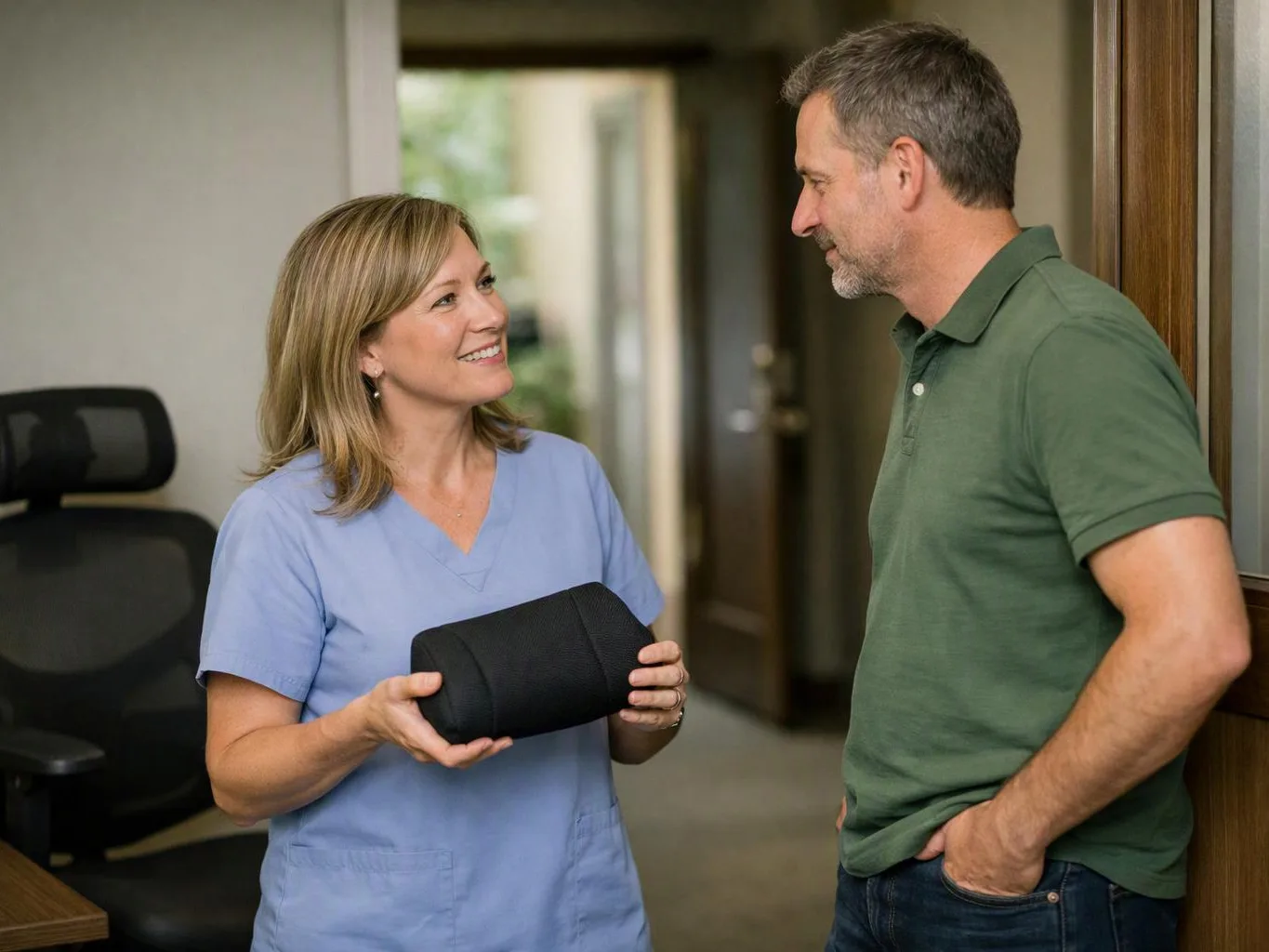
A woman in blue scrubs shows a black knee brace to a man in a hallway

Service Overview

Spinal decompression therapy is a non-invasive treatment that uses controlled traction to reduce stress through parts of the spine.

  • Unlike a spinal adjustment, decompression focuses on traction and unloading, while adjustments use a directed movement to influence joint motion.
  • Advanced Injury Care Clinic provides this care for Gallatin patients and nearby Middle Tennessee communities.

A client scenario this service addresses

A person in Gallatin with back pain and leg symptoms may seek traction after daily movement becomes difficult. We first check the symptom pattern, strength, sensation, and spinal motion, then explain whether decompression belongs in the care plan. The consultation helps separate a traction question from symptoms that need prompt medical assessment.

How we approach spinal decompression decisions

Match traction to the exam

The examination guides whether traction belongs in the plan. Disc pressure, nerve signs, and movement limits shape that decision.

Explain each care step

A clear report of findings links the exam to spinal decompression, soft tissue therapy, or exercises. Our licensed chiropractor explains why each step is included.

Use a broader care plan

Spinal decompression can sit beside adjustments, posture guidance, and rehabilitation support. We review progress and change the plan when the findings call for it.

Know when another evaluation fits

Severe or changing neurological symptoms can make this service the wrong first step. We direct urgent concerns toward appropriate medical care.

Process

How spinal decompression therapy is done

1

Complete the health history

The new patient intake records symptoms, prior injuries, health concerns, and current goals.

2

Check movement and nerve signs

The examination reviews posture, spinal motion, strength, sensation, and symptom patterns.

3

Explain the findings

The report of findings connects the exam with possible care options and answers your questions.

4

Set the care plan

We decide whether controlled traction, spinal adjustments, soft tissue therapy, or exercises fit the findings.

5

Review progress

A progress re-examination checks movement and symptoms before the plan continues or changes.

6

Discuss the consultation cost

Free Consultations let you discuss the assessment and care options before deciding on treatment.

What spinal decompression therapy includes

Advanced Injury Care Clinic provides comprehensive Spinal Decompression Therapy in Gallatin. Here's what you get:

  • A new patient intake covers health history, symptoms, and current concerns.
  • An individualized examination checks movement, posture, and nerve-related signs.
  • A report of findings explains the suspected source of discomfort and suitable care options.
  • Controlled traction is provided when it fits the clinical assessment.
  • Soft tissue therapy, therapeutic exercises, or posture guidance may support the plan.
  • Follow-up review helps assess movement and guide ongoing care.

What this care may change for you

Controlled traction may reduce mechanical stress through sensitive spinal areas.

A focused exam helps connect symptoms with movement and nerve findings.

Exercise and posture guidance can support better movement between visits.

A broader plan may address soft tissue tension along with spinal mechanics.

Clear explanations help you decide whether decompression fits your care goals.

Decompression and adjustment methods

These approaches differ in how they apply care, so the examination guides the choice.

Care optionMain actionHow we decide
Spinal decompressionUses controlled tractionFits the findings and symptoms
Spinal adjustmentUses a directed movementFits joint motion and examination findings
Therapeutic exerciseBuilds movement and supportFits strength, posture, and rehabilitation goals

The Advanced Injury Care Clinic Standard

  • Assess Patient Condition
  • Tailored Care Plans
  • Clear Treatment Explanations
  • Monitor Patient Progress

Questions about spinal decompression care

How can spinal decompression therapy help a herniated disc?

A herniated disc may respond to controlled traction when disc pressure and nerve irritation affect movement. The examination determines whether decompression fits your symptoms. We may combine it with therapeutic exercise, posture guidance, or soft tissue therapy. Results vary, so the plan is reviewed through follow-up assessment.

What should be ready before treatment starts?

Your health history, symptom details, medication list, and relevant imaging should be ready before treatment.

  • Bring medical records when available.
  • Note what movements worsen symptoms.
  • Report numbness, weakness, or changes in bladder and bowel control.

These details help our team plan a safe evaluation.

Which symptoms need medical attention before traction?

Severe weakness, loss of bladder or bowel control, or rapidly worsening numbness needs prompt medical attention before traction. Sudden changes can signal a problem that requires medical assessment. Tell our team about new or changing symptoms during intake so the next step is clear.

When should I ask whether traction fits my back pain?

Traction is worth discussing when back pain limits movement and the examination suggests mechanical or nerve-related stress. The clinical exam decides whether it belongs in your plan. We also consider posture, spinal motion, prior injuries, and your response to movement before recommending care.

What should a customer ask before agreeing to treatment?

Ask what the examination found, why traction fits, and how progress will be reviewed.

  • Ask which symptoms the plan addresses.
  • Ask what other care may be included.
  • Ask when another medical evaluation would be needed.

Clear answers help you make an informed treatment choice.

Why might adjustments be included with decompression?

Spinal adjustments and decompression use different approaches, so a plan may include both when the examination supports them. Decompression uses controlled traction, while an adjustment uses a directed movement. Our team explains the reason for each method and does not treat every patient with the same plan.

How does the clinic serve patients around Gallatin?

Advanced Injury Care Clinic provides spinal decompression therapy for Gallatin and nearby Middle Tennessee communities. The clinic also serves Mount Juliet, Donelson, Antioch, and Nashville. A consultation starts with an individualized evaluation, followed by a discussion of suitable treatment options.
Contact

Discuss spinal decompression therapy in Gallatin

Start with an individualized evaluation of your symptoms, movement, and care goals. Advanced Injury Care Clinic offers Free Consultations so you can discuss suitable next steps.

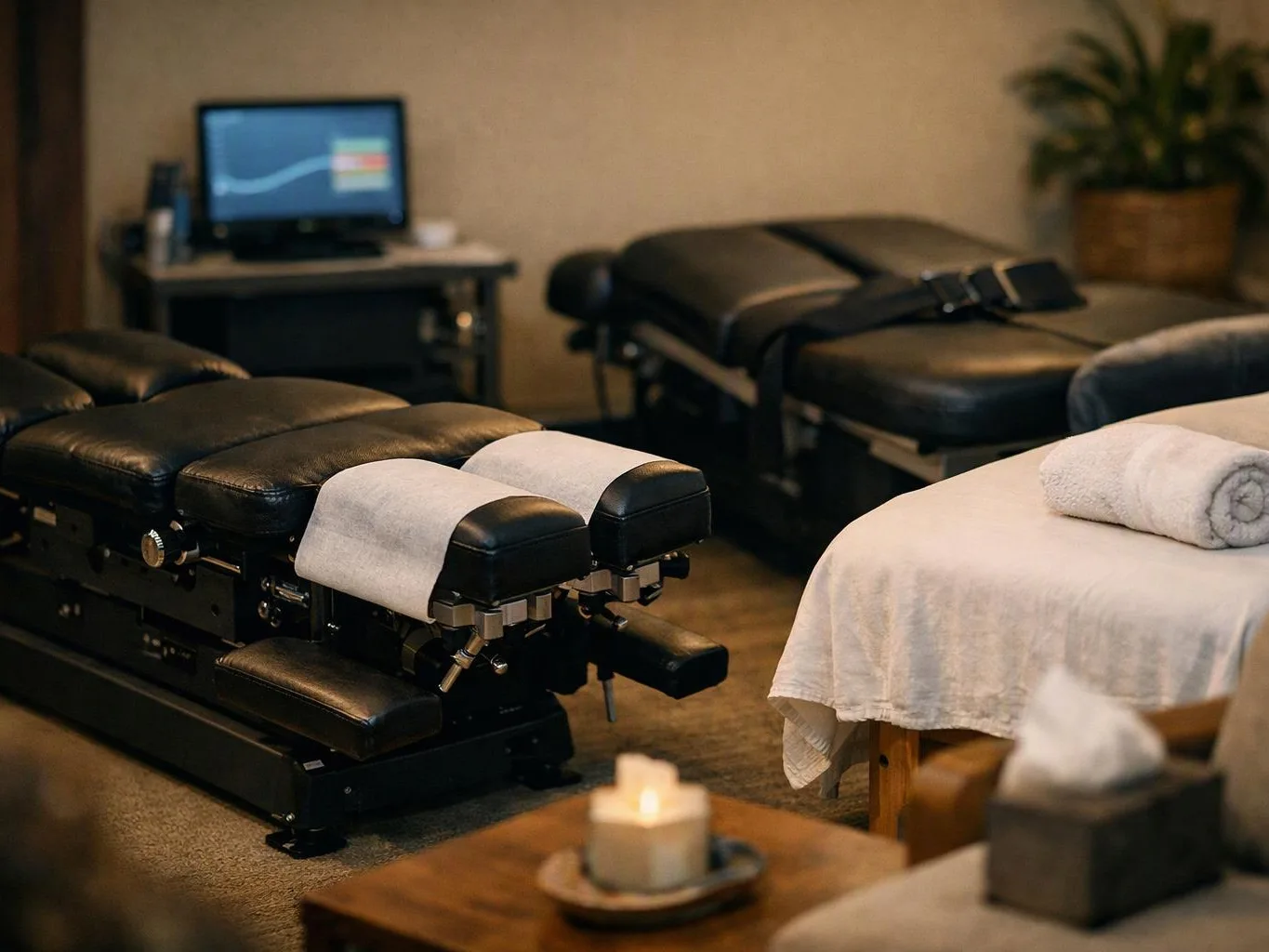
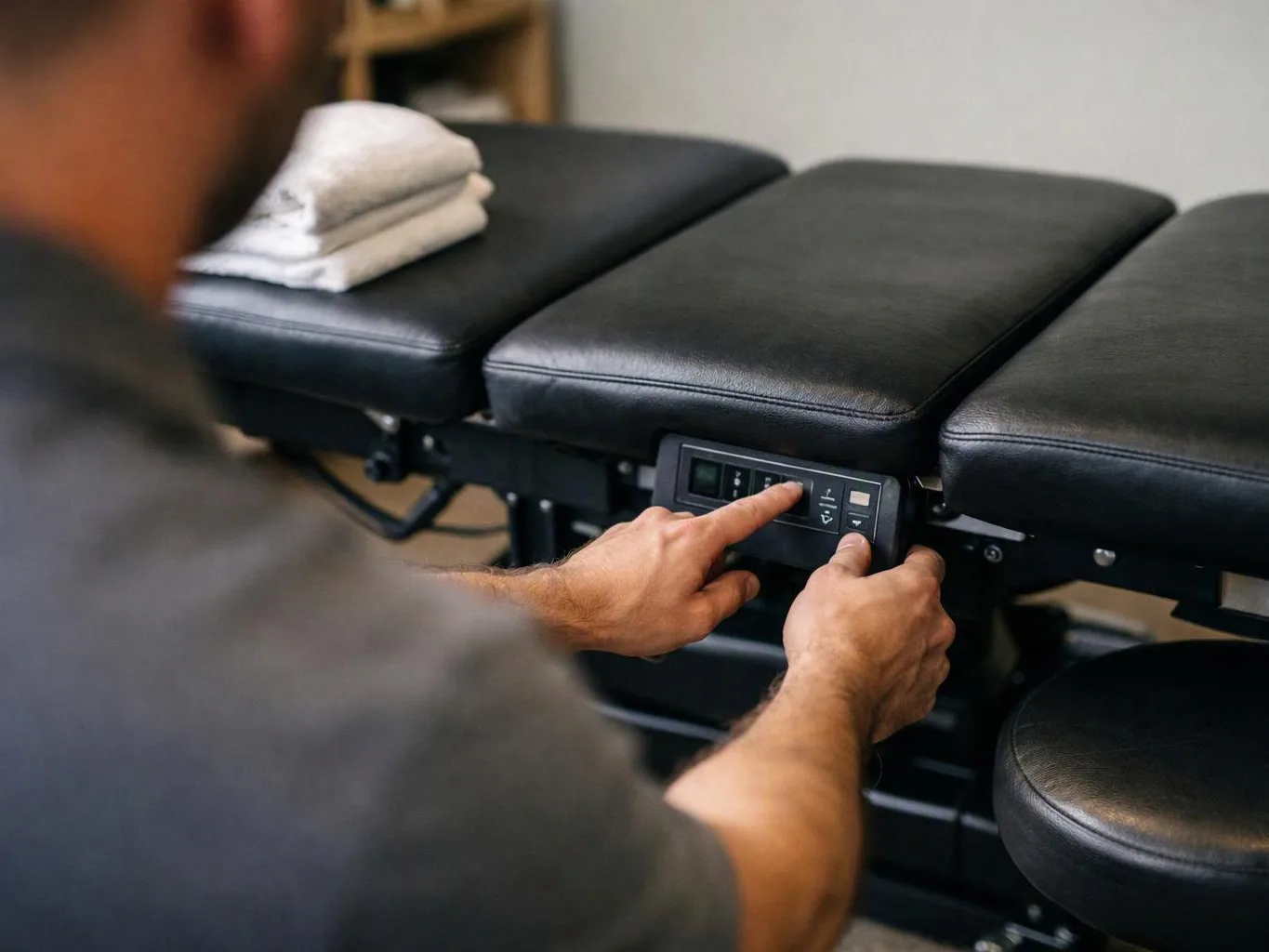
A person adjusts the controls on a black padded treatment table in a quiet room

ZIP Codes We Serve in Gallatin, Tennessee

37066

Spinal Decompression Therapy in Other Areas

The health and wellness information on this website is for general informational purposes only and is not medical advice. It does not create a provider-patient relationship. Always consult a qualified licensed provider in Hermitage, Tennessee, United States about your specific condition before making care decisions. Individual results vary.

(615) 265-0412