How is scoliosis care tailored to each person?
Pain levels guide the plan, while curve pattern, age, mobility, and treatment goals shape the full assessment. Advanced Injury Care Clinic reviews those factors before recommending care. The plan may include spinal adjustments, soft tissue therapy, therapeutic exercises, and posture guidance. Individual response differs, so follow-up findings help guide later decisions.
What does the clinician look at first?
The first assessment looks at your health history, posture, spinal motion, muscle tension, and functional movement. We also discuss activities that increase or ease symptoms. X-rays may be considered when clinically indicated. These findings help us decide whether chiropractic care fits and which goals should guide treatment.
Who is a good fit for this care, and who needs another service?
People with scoliosis-related discomfort, movement limits, or posture concerns may be a fit for chiropractic care. Severe neurological changes, serious trauma, or urgent symptoms need medical evaluation first. We review the history and examination findings before choosing a care path. That keeps the plan tied to safety and suitability.
What happens at each stage of treatment?
Each stage moves from assessment to explanation, care planning, treatment, and progress review. The visit may include history, movement checks, spinal adjustments, soft tissue therapy, or exercises. We explain why each part is included. Follow-up findings help determine whether the plan still matches your function and goals.
Which exercises may support scoliosis care?
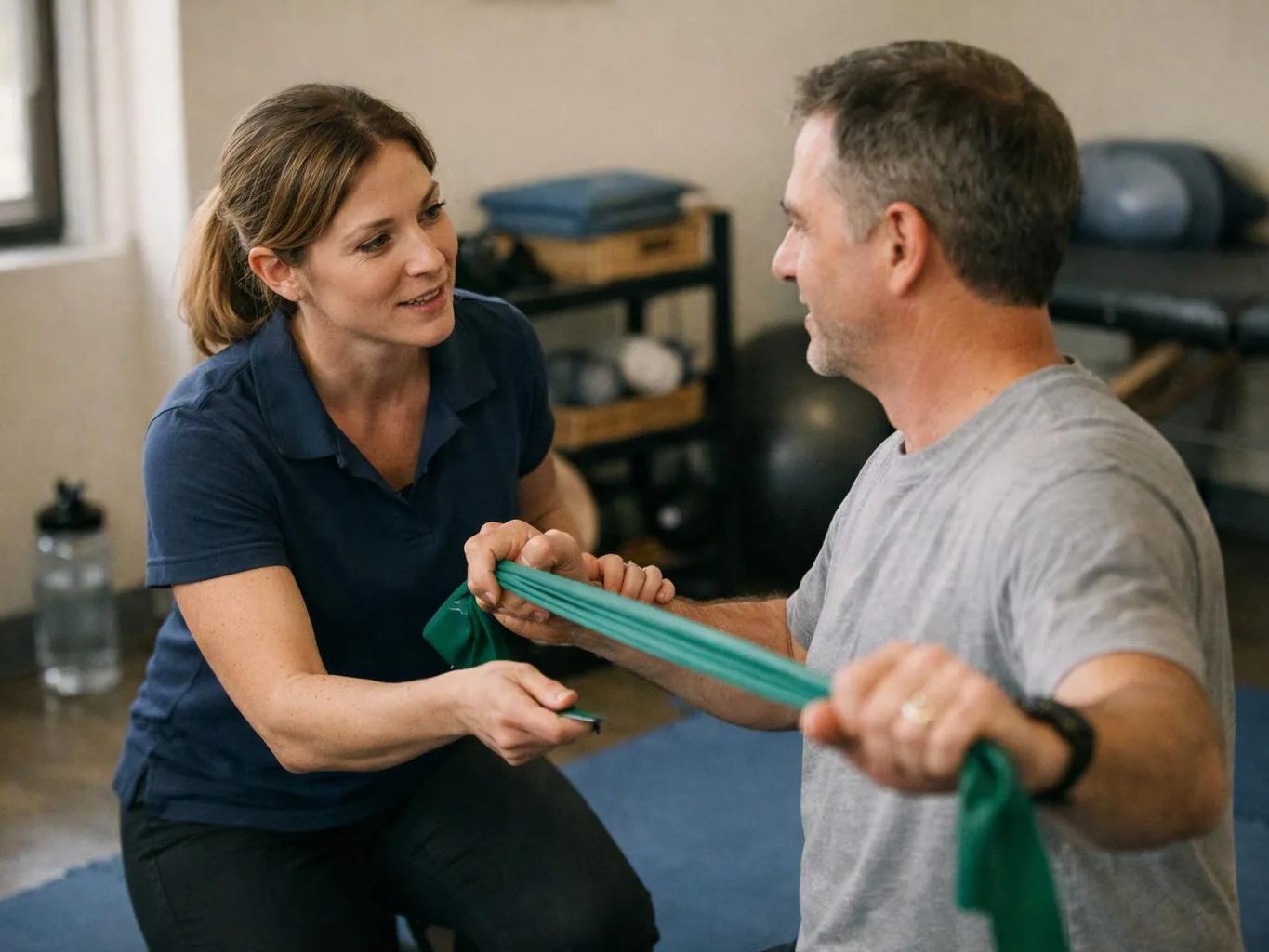
Therapeutic exercises may support posture, mobility, strength, and movement control. The right choices depend on the exam, age, curve pattern, symptoms, and current ability. We explain how to perform the exercises and how they connect with daily tasks. Do not start a new exercise plan when movement causes sharp or worsening symptoms.
When should scoliosis symptoms receive medical attention?
Sudden weakness, numbness, loss of bowel or bladder control, severe trauma, or rapidly worsening symptoms need prompt medical attention. Chiropractic care does not replace urgent medical assessment. We discuss the symptom history and help identify when another level of care should come first.
Why might posture guidance be part of care?
Posture guidance helps identify daily positions and movement habits that may add strain. We connect the advice with work, rest, and activity patterns from your history. The goal is practical movement support, not a promise to change the spinal curve. Follow-up discussions help refine the advice.