Skip to content

Spinal Decompression Therapy in Ridgetop, Tennessee

Because chronic back pain needs an individualized exam, Ridgetop patients receive a focused review before spinal decompression therapy. Our care plan considers symptoms, health history, and mobility goals.

Upfront, Transparent PricingServing 18 CommunitiesMon-Fri: 9 am–7 pm, Sat: 9 am–2 pm, Sun: ClosedFast Scheduling

Quick Summary: Spinal decompression care in Ridgetop, Tennessee

Spinal Decompression Therapy in Ridgetop is provided by Advanced Injury Care Clinic for back pain, sciatica symptoms, and selected disc-related concerns. Care includes an individualized evaluation and a treatment plan that may include spinal adjustments, soft tissue therapy, and rehabilitation support.

  • What we do: Advanced Injury Care Clinic provides Spinal Decompression Therapy for patients in Ridgetop, Tennessee, after an individualized evaluation.
  • What is included: Individualized evaluation, spinal decompression, spinal adjustments, soft tissue therapy, therapeutic exercises, posture guidance, and rehabilitation support.
  • What you get: Patients receive a clear care plan that supports better mobility and focused comfort goals.

Who may benefit from spinal decompression therapy for chronic back pain?

People with chronic back pain, sciatica symptoms, bulging discs, degenerative discs, or spinal stenosis may benefit after an individualized evaluation. Suitability depends on the exam, health history, symptoms, and treatment goals.

Spinal Decompression Therapy for Chronic Back Pain in Ridgetop

Spinal decompression therapy is a focused option for people with chronic back pain and related symptoms. The deeper decision is whether the treatment fits the findings, not whether the service sounds right from a symptom list.

Our team reviews health history, movement, pain patterns, and functional limits. Sciatica symptoms, bulging discs, degenerative discs, and spinal stenosis can present differently, so the plan must match the person.

Patients in Ridgetop can request an assessment through Advanced Injury Care Clinic. The evaluation helps decide whether decompression belongs in the care plan or whether another treatment approach better fits the findings.

  • Review your health history and current symptoms before treatment begins.
  • Ask how the findings relate to spinal decompression therapy.
  • Discuss whether spinal adjustments, soft tissue therapy, or exercises belong in the plan.
  • Confirm how progress will be reviewed during care.
  • Share prior imaging or medical records when they are available.
A smiling man in a blue shirt stands in a softly lit hallway beside a green plant wall

Service Overview

Spinal Decompression Therapy is a non-invasive treatment approach that applies controlled unloading to help address selected spine-related symptoms.

  • It differs from spinal adjustments because decompression focuses on unloading, while an adjustment uses a specific hands-on technique to influence joint movement.
  • Advanced Injury Care Clinic provides this care for patients in Ridgetop through an evaluation-led treatment plan.

What spinal decompression therapy includes

Advanced Injury Care Clinic provides comprehensive Spinal Decompression Therapy in Ridgetop. Here's what you get:

  • An individualized evaluation reviews symptoms, movement, and relevant health history.
  • A clear explanation connects the examination findings with the proposed care plan.
  • Spinal decompression is provided as part of a treatment plan when it fits the assessment.
  • Spinal adjustments may support the plan when they suit the patient’s needs.
  • Soft tissue therapy may address involved muscles and surrounding tissues.
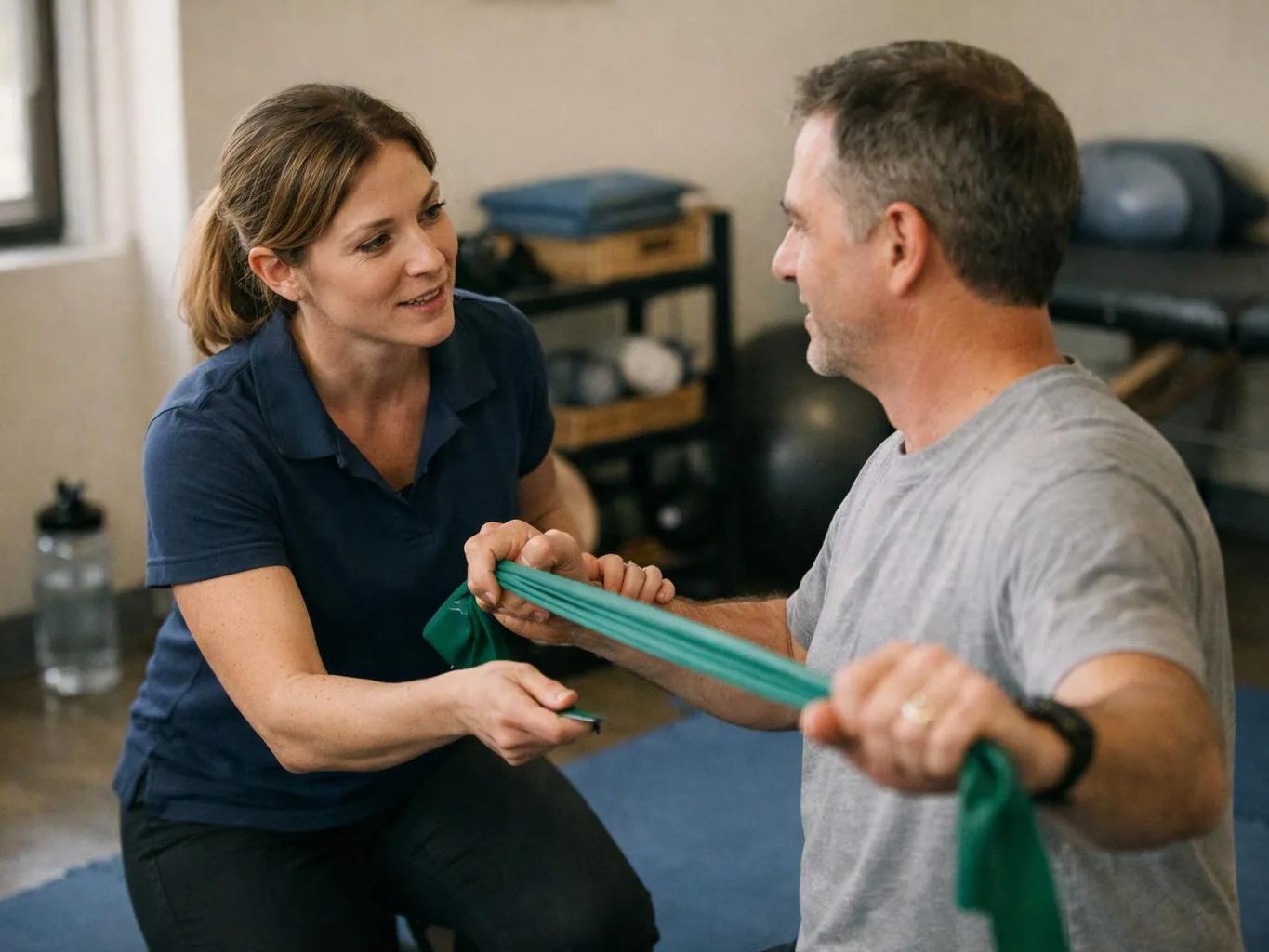
  • Therapeutic exercises, posture guidance, or rehabilitation support may be added.

How to judge whether spinal decompression fits

Start with the examination

The first decision comes from the health history, exam, symptoms, and movement findings. The proposed treatment should connect to those findings, not a general symptom label.

Ask for plain explanations

Our team explains the diagnosis and care plan in clear language. You should understand what spinal decompression is meant to address before agreeing to treatment.

Know the treatment limit

Spinal decompression therapy isn't the right fit for every cause of back or leg pain. The evaluation may point toward another form of care or a need for medical follow-up.

Review the full plan

A care plan may combine decompression with spinal adjustments, soft tissue therapy, posture guidance, and exercises when those services fit the findings.

A client scenario this service addresses

A person in Ridgetop with ongoing back pain and leg symptoms may ask whether decompression is suitable. Our team reviews the symptom pattern, health history, and movement limits before choosing a treatment approach.

Process

How we plan and provide spinal decompression care

1

Complete the new patient intake

The intake records your health history, symptoms, prior care, and main movement concerns.

2

Review the examination findings

Our team assesses movement and symptoms, then explains the findings in plain language.

3

Set the personalized treatment plan

The plan identifies whether spinal decompression fits and whether adjustments, soft tissue therapy, or exercises should support it.

4

Provide the selected care

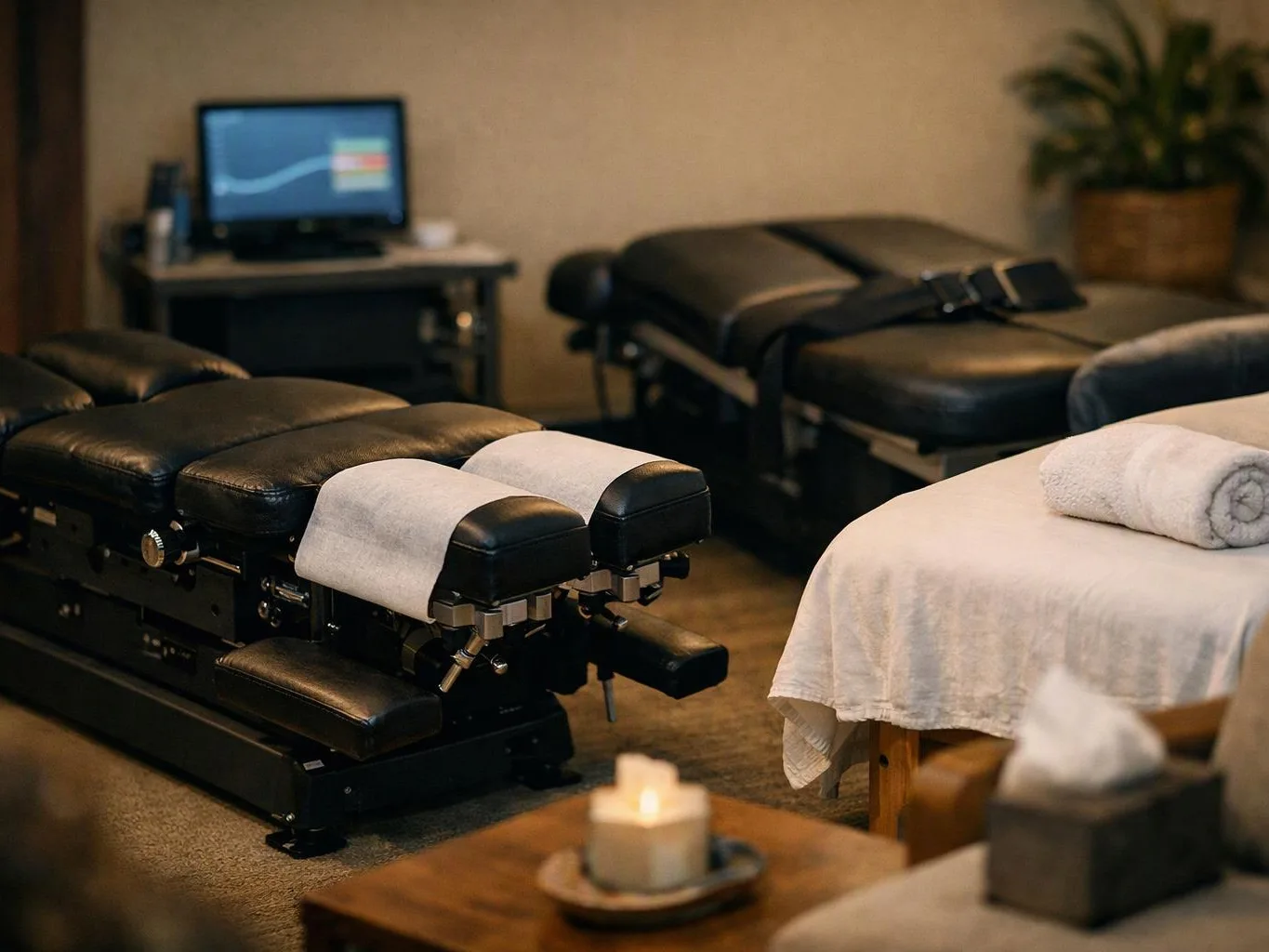
Spinal decompression is provided with a spinal decompression table when the evaluation supports its use.

5

Check progress and adjust care

Progress re-examination helps determine whether the plan still matches your symptoms, movement, and goals.

What this treatment may help you work toward

A focused plan may support better mobility when back symptoms limit daily movement.

Care may address pressure-related symptoms that affect the back or legs.

The evaluation gives you a clearer basis for choosing treatment.

Therapeutic exercises can support movement between clinic visits.

Regular maintenance may help some patients stay engaged with mobility goals after active care.

How spine care methods differ

These methods address different parts of a personalized care plan.

Treatment methodMain focusHow it may fit
Spinal decompressionControlled unloading of the spineMay fit selected spine-related symptoms after an evaluation
Spinal adjustmentSpecific hands-on joint movement techniqueMay support mobility when the examination supports it
Therapeutic exerciseMovement, strength, and functionMay support rehabilitation between visits

The Advanced Injury Care Clinic Standard

  • Assess Patient Condition
  • Tailored Care Plans
  • Clear Treatment Explanations
  • Monitor Patient Progress

Questions about spinal decompression therapy

Who may benefit from spinal decompression therapy?

Advanced Injury Care Clinic provides this care for people with chronic back pain, sciatica symptoms, and selected disc-related concerns. Suitability depends on the examination, health history, movement findings, and goals. Bulging discs, degenerative discs, and spinal stenosis can require different care plans. Individual response differs, so the evaluation comes before treatment.

What should I ask before agreeing to spinal decompression therapy?

The treatment goal, examination findings, alternatives, and progress checks are key questions to ask. Ask which symptoms the plan addresses and why decompression fits those findings. Our team explains the care plan in plain language. You should also ask when another form of care or medical follow-up is more appropriate.

How is treatment matched to my symptoms before care starts?

The treatment plan is matched through a health history, examination, symptom review, and discussion of your goals. Movement limits and leg symptoms help shape the decision. Our team may include spinal adjustments, soft tissue therapy, posture guidance, or exercises when they fit the findings. The plan is individualized.

Which condition can change the treatment plan?

Spinal stenosis, disc changes, leg symptoms, and movement limits can change the treatment plan. These findings do not automatically decide whether decompression is suitable. Our team reviews the full picture and explains the reason for each recommended service. Prior imaging can help, but the examination still guides care.

When should I bring medical records or imaging?

Medical records and imaging are useful when they describe your current symptoms or prior spine care. Bring available reports to the evaluation, especially if another clinician ordered them. Our team reviews relevant information with your health history and examination. You don't need to decide which treatment fits before the visit.

Why might an adjustment be included with decompression?

A spinal adjustment may be included when the examination shows that joint movement care supports the treatment plan. Decompression focuses on controlled unloading, while an adjustment uses a specific hands-on technique. Our team explains the purpose of each service before adding it. The plan depends on your findings and goals.

What changes the cost of this treatment?

The evaluation, recommended services, and treatment plan shape the cost of spinal decompression care. Related services may include adjustments, soft tissue therapy, or therapeutic exercises. Advanced Injury Care Clinic offers Free Consultations for discussing the plan. Ask for the care details that apply to your symptoms before treatment begins.

Spinal Decompression Therapy in Other Areas

Contact

Discuss spinal decompression therapy in Ridgetop

A Ridgetop patient receives a clearer treatment decision after an individualized evaluation. Contact Advanced Injury Care Clinic to discuss spinal decompression therapy, symptoms, and care goals.

A clinician holds a clipboard questionnaire and writes while a seated man waits across from them

ZIP Codes We Serve in Ridgetop, Tennessee

37152

The health and wellness information on this website is for general informational purposes only and is not medical advice. It does not create a provider-patient relationship. Always consult a qualified licensed provider in Hermitage, Tennessee, United States about your specific condition before making care decisions. Individual results vary.

(615) 265-0412