Skip to content

Trigger Point Therapy in Hendersonville, Tennessee

Home exercises change the plan when muscle tension needs lasting support in Hendersonville. We pair hands-on care with movement guidance that fits your daily routine.

Upfront, Transparent PricingServing 18 CommunitiesMon-Fri: 9 am–7 pm, Sat: 9 am–2 pm, Sun: ClosedFast Scheduling

Quick Summary: trigger point therapy in Hendersonville, Tennessee

Trigger point therapy in Hendersonville is provided by Advanced Injury Care Clinic for muscle tension, movement limits, and recurring knots. Care includes an individualized evaluation and may include soft tissue therapy, posture guidance, therapeutic exercises, and rehabilitation support.

  • What we do: Advanced Injury Care Clinic provides trigger point therapy in Hendersonville, Tennessee, as part of individualized chiropractic care for muscle tension and movement concerns.
  • What is included: Focused soft tissue therapy, movement assessment, posture guidance, therapeutic exercises, and rehabilitation support.
  • What you get: Trigger point therapy helps identify tension patterns and supports better movement through a personalized care plan.

Can trigger point therapy help prevent recurring muscle knots?

Yes, trigger point therapy may help reduce recurring muscle knots when treatment also addresses movement habits, postural stress, and recovery. Home exercises give you practical ways to support the work between visits. Results vary, so Advanced Injury Care Clinic reviews your symptoms and progress before adjusting the care plan.

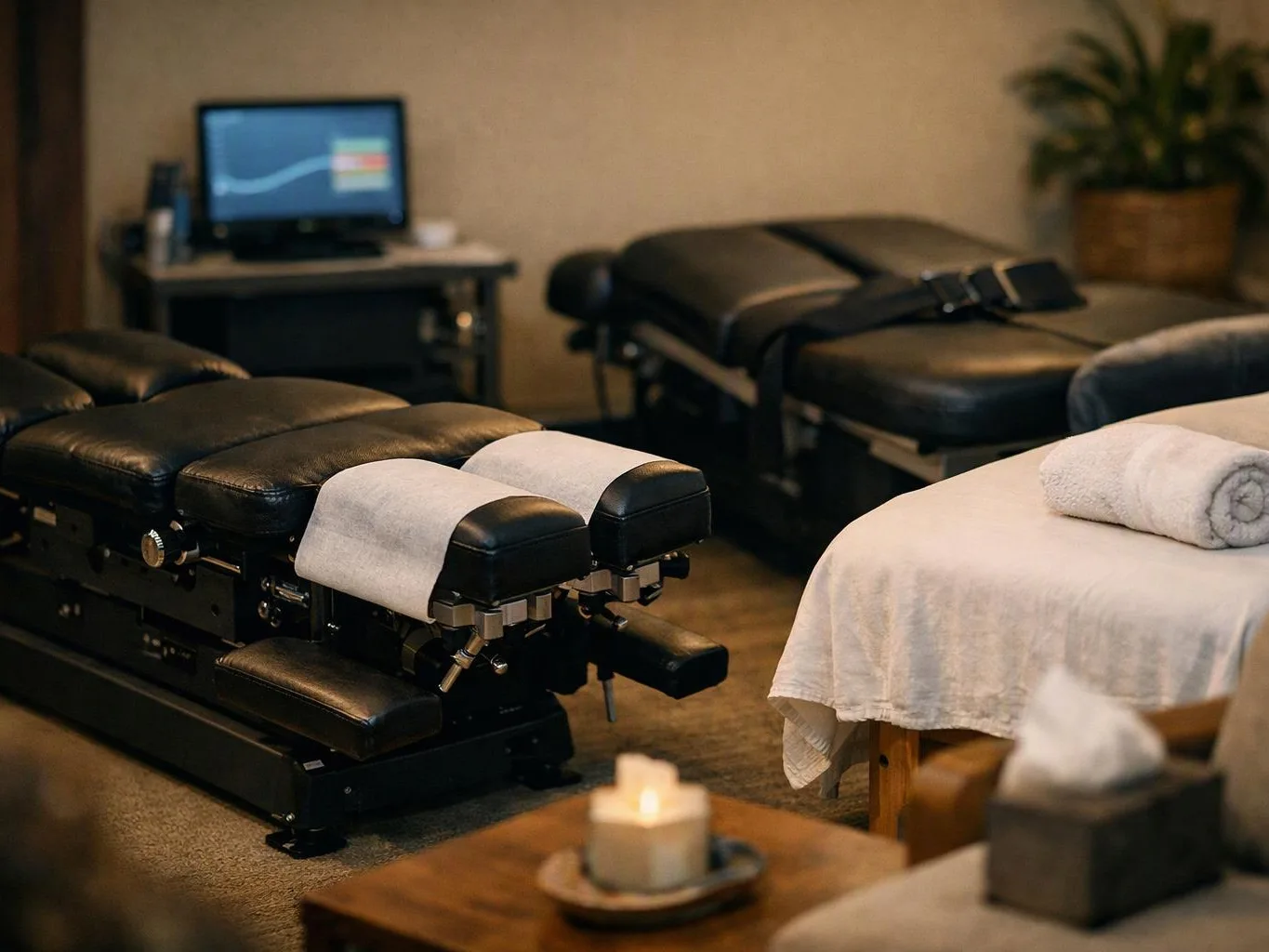
Trigger point therapy for recurring muscle tension in Hendersonville

Trigger point therapy focuses on tight muscle bands that feel sore when pressed and may affect nearby movement. Customers often seek it after an injury, during ongoing back or neck pain, or when the same knot returns after daily activity.

The key decision is whether muscle tension is the main issue or one part of a wider condition. We assess your health history, symptoms, posture, and movement before choosing soft tissue therapy, therapeutic exercises, spinal adjustments, or rehabilitation support.

This page is for people who want to understand the prevention side of care. Treating a tender spot may help, but lasting comfort also depends on how you sit, lift, train, rest, and recover between visits.

  • Review where the knot appears and which movements make it worse.
  • Check posture, movement habits, and related neck, back, shoulder, or hip symptoms.
  • Discuss whether soft tissue therapy fits the wider care plan.
  • Learn which exercises and recovery steps support the treatment between visits.
A cozy waiting area has gray chairs, a round wood table, a water dispenser, and a coffee machine

Service Overview

Trigger point therapy is a soft tissue treatment that targets tight, tender muscle areas linked with limited movement or discomfort.

  • Unlike spinal adjustments, this work focuses on muscle tension and surrounding soft tissue, though both may appear in one personalized care plan.
  • Advanced Injury Care Clinic provides this care for patients in Hendersonville and nearby Middle Tennessee communities.

What this muscle tension care can change

Focused soft tissue work may support easier movement around a tight area.

A wider assessment helps connect recurring knots with posture, training, work, or recovery habits.

Therapeutic exercises give you an active role between appointments.

Clear explanations help you understand why a treatment step is included.

Regular maintenance may support better movement when the same strain pattern keeps returning.

Process

How we provide care for recurring muscle knots

1

Review your symptoms and history

We discuss where the tension occurs, what brings it on, and whether an injury or activity change came first.

2

Check movement and muscle tension

Our team assesses posture, range of motion, and tender areas to understand how the knot affects nearby movement.

3

Choose the suitable treatment

We may use focused soft tissue therapy, spinal adjustments, therapeutic exercises, or rehabilitation support based on the evaluation.

4

Explain care between visits

You receive practical guidance about posture, movement habits, recovery, and exercises that match the care plan.

5

Review progress and adjust care

We discuss changes in symptoms and movement so the plan can stay suited to your needs.

How we approach recurring muscle knots

A plan built around your symptoms

Recurring knots can have more than one cause. We connect the tender area with posture, movement, and related symptoms before selecting care.

Clear treatment decisions

You receive an explanation of the proposed care, including whether soft tissue therapy, spinal adjustments, exercises, or rehabilitation support fit your needs.

A useful limit to know

Trigger point therapy may not be the right service when symptoms point to a condition that needs another type of medical assessment. We discuss that concern during evaluation.

What trigger point therapy includes for recurring muscle knots

Advanced Injury Care Clinic provides comprehensive Trigger Point Therapy in Hendersonville. Here's what you get:

  • We begin with an individualized evaluation of your symptoms, movement, and health history.
  • We locate areas of muscle tension and assess how they affect nearby movement.
  • We provide focused soft tissue therapy for suitable muscle and connective tissue concerns.
  • We explain how posture and movement habits may add stress to the affected area.
  • We may add therapeutic exercises or rehabilitation support to your care plan.
  • We review progress and adjust the plan when your symptoms or movement change.

Choosing care for recurring muscle tension

These options address different parts of a muscle and movement concern, so the evaluation guides the choice.

Care optionMain focusWhen it may fit
Soft tissue therapyTight or tender muscle areasMuscle tension affects comfort or movement
Therapeutic exercisesActive movement and strengthYou need support between appointments
Spinal adjustmentsJoint movement and spinal functionThe evaluation identifies a related joint concern

The Advanced Injury Care Clinic Standard

  • Assess Patient Condition
  • Tailored Care Plans
  • Clear Treatment Explanations
  • Monitor Patient Progress

Questions about recurring muscle knots and soft tissue care

How does a visit move from the first call to the last step?

The visit moves from an intake and evaluation to treatment planning, care, and progress review. We first discuss your health history and symptoms. Next, we check movement and muscle tension, explain the recommended approach, and provide follow-up guidance that may include exercises or posture changes.

Which material changes how long trigger point therapy takes?

The main time factor is the treatment area and the findings from your evaluation, not a specific material. Muscle tension, related movement limits, and the need for exercises can change the care required. We explain the next step after reviewing your symptoms and treatment goals.

How can I tell whether trigger point therapy fits my condition?

Trigger point therapy fits conditions where focused muscle tension contributes to tenderness or limited movement. A health history and movement exam help us check that fit. Pain after an injury, recurring knots, or related neck and back symptoms may call for a broader plan that includes rehabilitation support.

What should I bring to a first visit after an injury?

Your injury history, current symptoms, and list of health concerns help us plan the first evaluation. Bring any records or imaging you already have if they relate to the problem. We use the intake, exam, and your goals to explain whether soft tissue therapy belongs in your care plan.

Why do muscle knots return after treatment?

Muscle knots may return when the same posture, movement habit, training load, or recovery issue continues. Treatment can address the tight area, while exercises and posture guidance support changes between visits. We look for the pattern behind the tension instead of focusing on the tender spot alone.

Which care should follow soft tissue therapy?

Therapeutic exercises or rehabilitation support may follow soft tissue therapy when movement remains limited. The right next step depends on your exam and response to care. Our team explains how to move, rest, and resume activity in ways that match your treatment plan.
Contact

Discuss trigger point therapy in Hendersonville

Are recurring knots affecting your movement or comfort? Contact Advanced Injury Care Clinic to discuss your symptoms, treatment fit, and a personalized care plan. Free consultations are available.

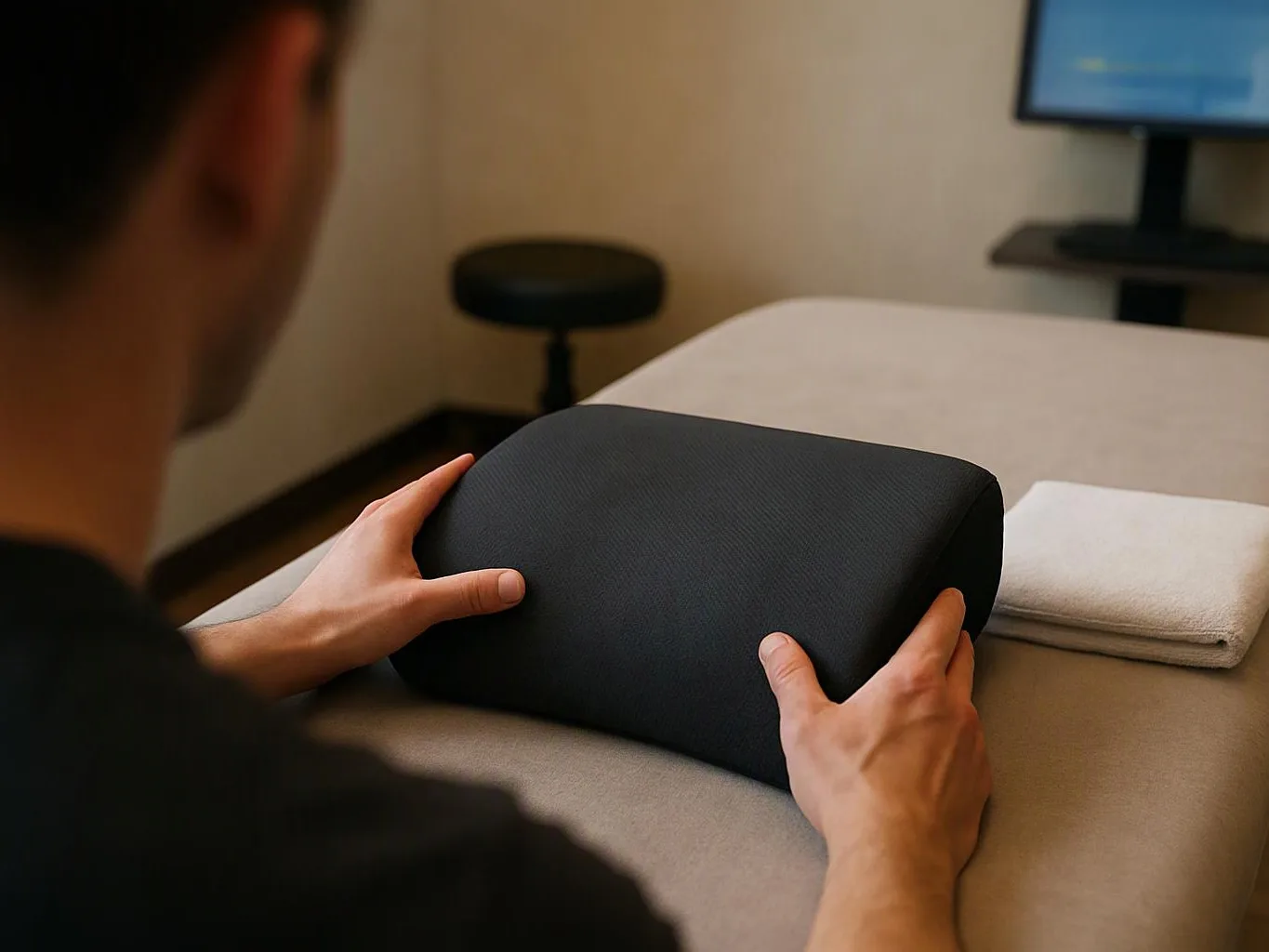
A person steadies a black cushion on a treatment table in a quiet room

ZIP Codes We Serve in Hendersonville, Tennessee

3707537077

The health and wellness information on this website is for general informational purposes only and is not medical advice. It does not create a provider-patient relationship. Always consult a qualified licensed provider in Hermitage, Tennessee, United States about your specific condition before making care decisions. Individual results vary.

(615) 265-0412