

Skip to content

Whiplash Treatment in Lakewood, Tennessee

Headaches after a collision need careful review in Lakewood. We assess neck movement, shoulder pain, dizziness, and related symptoms before planning care.

Upfront, Transparent PricingServing 18 CommunitiesMon-Fri: 9 am–7 pm, Sat: 9 am–2 pm, Sun: ClosedFast Scheduling

Quick Summary: Care for whiplash in Lakewood, Tennessee

Whiplash Treatment in Lakewood is provided by Advanced Injury Care Clinic for collision-related neck strain, headaches, stiffness, and related symptoms. Care covers Lakewood, Hermitage, Mount Juliet, Donelson, Antioch, and Nashville, with an individualized evaluation and evidence-informed care plan.

  • What we do: Advanced Injury Care Clinic provides Whiplash Treatment for patients in Lakewood, Tennessee, after auto accidents and other injuries.
  • What is included: Individualized evaluations, spinal adjustments, soft tissue therapy, therapeutic exercises, posture guidance, and rehabilitation support.
  • What you get: The patient receives a clear assessment and care plan focused on better neck function and comfort.

What symptoms may require whiplash treatment?

Headaches after a collision may require whiplash treatment, especially when neck stiffness, shoulder pain, dizziness, or arm tingling also appears. These symptoms can follow a neck injury, but they can also signal a condition needing medical assessment. We review the health history and examine movement before recommending care. Severe or worsening symptoms need prompt medical attention.

Whiplash Treatment in Lakewood for Collision-Related Symptoms

Whiplash treatment addresses symptoms that can follow a rear-end crash, sports impact, work injury, or sudden jolt. The work is suited to people with neck pain, stiffness, headaches, shoulder pain, dizziness, or arm tingling after an injury.

The key decision is whether chiropractic care fits the symptoms and current health needs. Our team reviews the health history, checks neck and joint movement, and explains whether spinal adjustments, soft tissue therapy, exercises, posture guidance, or rehabilitation support belong in the plan. Individual results vary, and urgent symptoms may call for medical care before chiropractic treatment.

  • Record when symptoms began and what injury caused them.
  • Note changes in neck movement, shoulder pain, dizziness, or arm tingling.
  • Bring relevant medical records or imaging when available.
  • Ask how each recommended technique supports the care plan.
  • Report any symptom that is severe, worsening, or new.
A man sits in a chair holding a glass of water while talking with a woman in a bright living room

Service Overview

Whiplash treatment is a form of injury care that assesses and supports the neck after a sudden force.

  • This care differs from general wellness visits because it begins with an injury history, symptom review, and focused examination.
  • Lakewood patients can receive this care through our clinic, which also serves nearby Middle Tennessee communities.

How Whiplash Care Supports Better Movement

A focused assessment connects the injury event with current symptoms.

Clear explanations help you understand the reason for each recommended treatment.

Gentle movement work may support neck mobility when stiffness limits daily tasks.

Exercise and posture guidance give you practical ways to support care outside the clinic.

A personalized care plan keeps treatment tied to your symptoms and progress.

Process

How Whiplash Injury Care Moves From Assessment To Follow-Up

1

Review the injury and symptoms

We begin with a new patient intake and health history. You describe the collision or other injury, symptom changes, prior care, and daily limits.

2

Examine movement and function

Our team checks neck motion, related joint function, muscle tension, posture, and symptoms such as dizziness or arm tingling.

3

Explain the findings

We provide a clear explanation of the assessment. You learn which findings matter and whether chiropractic care fits your needs.

4

Build the care plan

The plan may include spinal adjustments, soft tissue therapy, therapeutic exercises, posture guidance, and rehabilitation support.

5

Review progress and next steps

Follow-up care looks at symptom changes and movement. We adjust the plan when the clinical picture or your goals change.

How We Approach Injury-Related Neck Care

A symptom-LED starting point

The first visit centers on your injury history, symptoms, and movement findings. Customers who have dizziness, arm tingling, or worsening pain need a careful assessment before treatment choices are made.

Plain explanations of findings

We explain the assessment and care plan in clear language. You can ask what a spinal adjustment, soft tissue therapy session, or exercise is intended to address.

Evidence-informed treatment planning

Our licensed chiropractor uses an individualized, evidence-informed plan. Whiplash care is the wrong fit for symptoms that need urgent medical assessment or a different type of clinical treatment.

When this service is the right fit

A person in Lakewood develops neck stiffness, headaches, and arm tingling after a traffic collision. We review the injury history, examine movement and related symptoms, and explain whether chiropractic care fits the findings. Severe or worsening symptoms require medical assessment before routine treatment.

What Whiplash Care Includes After an Injury

Advanced Injury Care Clinic provides comprehensive Whiplash Treatment in Lakewood. Here's what you get:

  • The first visit includes an individualized health history and physical evaluation.
  • We assess neck movement, related joint function, and symptoms linked to the injury.
  • The care plan may include spinal adjustments based on the clinical findings.
  • Soft tissue therapy may address muscle tension around the neck and shoulders.
  • Therapeutic exercises and posture guidance may support movement between visits.
  • Rehabilitation support helps patients understand practical steps during recovery.

Choosing The Next Step After A Neck Injury

This comparison separates common care paths by the situation that guides the next decision.

Care pathWhen it fitsWhat happens next
Chiropractic evaluationNeck symptoms follow an injury and the patient wants a focused movement assessment.We review the history, examine function, and explain a personalized care plan.
Medical assessmentSymptoms are severe, worsening, unusual, or include concerning neurological changes.The patient seeks prompt medical evaluation before routine chiropractic care.
Follow-up careThe patient already has a care plan and needs progress reviewed.We reassess symptoms and movement, then discuss suitable next steps.

The Advanced Injury Care Clinic Standard

  • Assess Patient Condition
  • Tailored Care Plans
  • Clear Treatment Explanations
  • Monitor Patient Progress

Questions About Care After Whiplash

How does a whiplash visit move from the first call to the last step?

The visit moves from intake and examination to findings, care planning, treatment, and progress review. The first assessment covers the injury history, current symptoms, movement, posture, and related function. Our team then explains suitable options, which may include spinal adjustments, soft tissue therapy, or exercises. Follow-up checks how symptoms and movement change.

What should I bring to my first visit after an auto accident?

Medical records, imaging reports, and a clear account of the collision can help guide the first evaluation. Patients should also note when symptoms began and what actions make them worse. Our team uses that information with the exam findings to build a suitable plan. Bring a list of current medicines when relevant.

Which part of the injury decides the care plan?

The injury history, symptom pattern, and movement findings decide which care options fit. Neck stiffness may call for different support than arm tingling or dizziness. We review each concern and explain the reason for any recommended adjustment, soft tissue therapy, or exercise. The plan can change when follow-up findings change.

When should I seek medical care before chiropractic treatment?

Severe, worsening, or unusual symptoms should receive medical assessment before routine chiropractic treatment. New weakness, serious balance problems, or rapidly changing symptoms deserve prompt attention. Our team reviews your history and can explain whether the presentation fits chiropractic care. Patients should not delay urgent medical help while waiting for a clinic visit.

Why does neck stiffness continue after a collision?

Neck stiffness can continue because muscles, joints, posture, and movement patterns may change after sudden force. The symptom alone does not show which structure needs care. We examine motion and related symptoms before choosing treatment. Patients should describe changes in stiffness, shoulder pain, dizziness, or arm tingling during the evaluation.
Contact

Discuss Whiplash Care In Lakewood

Advanced Injury Care Clinic offers free consultations for people with collision-related neck symptoms in Lakewood and nearby communities. Schedule a visit to discuss your symptoms, evaluation, and care options.

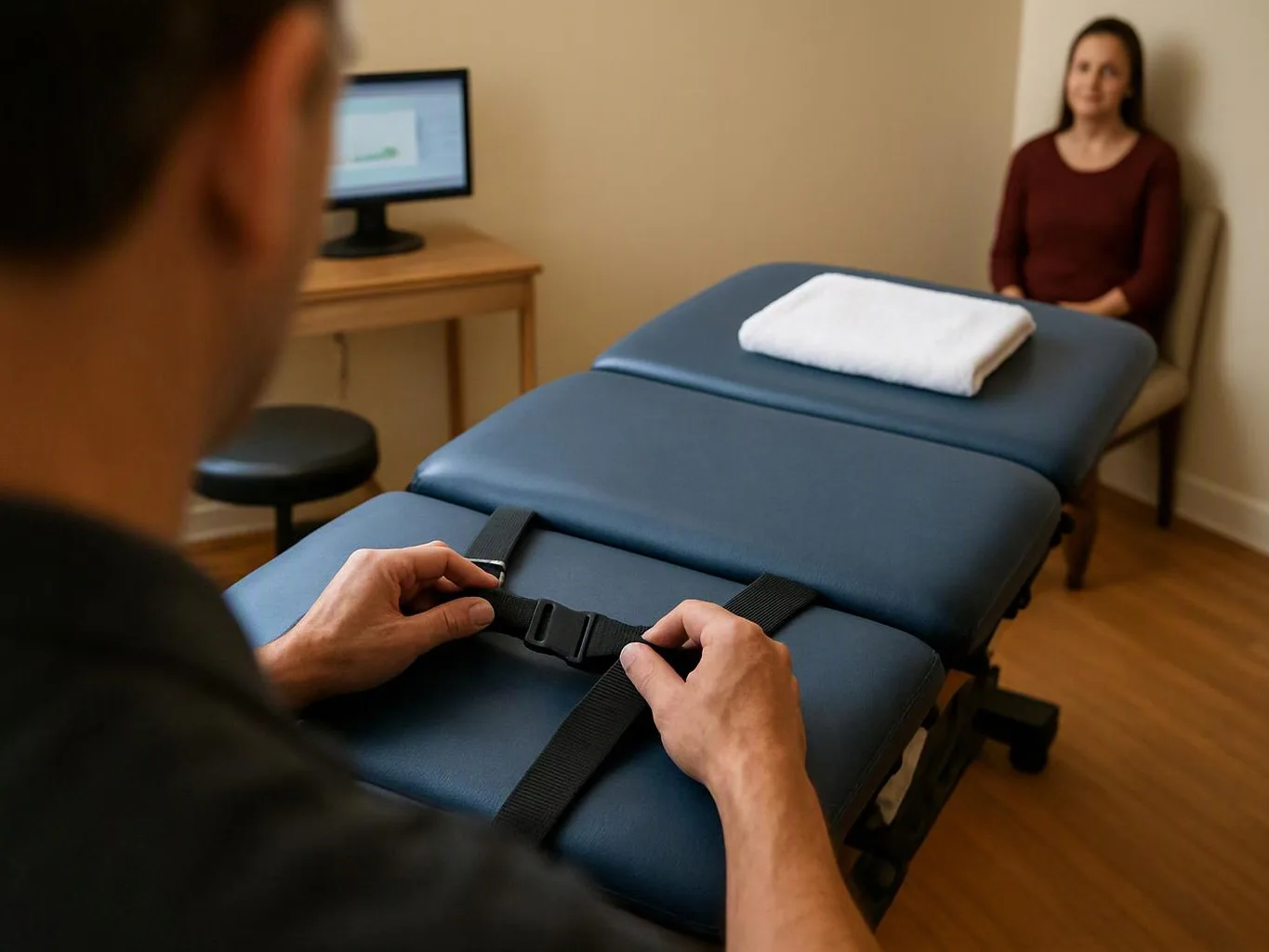
A person fastens a strap on a padded treatment table while a woman waits in a small exam room

The health and wellness information on this website is for general informational purposes only and is not medical advice. It does not create a provider-patient relationship. Always consult a qualified licensed provider in Hermitage, Tennessee, United States about your specific condition before making care decisions. Individual results vary.

(615) 265-0412