
What Is the Pelvic Floor?
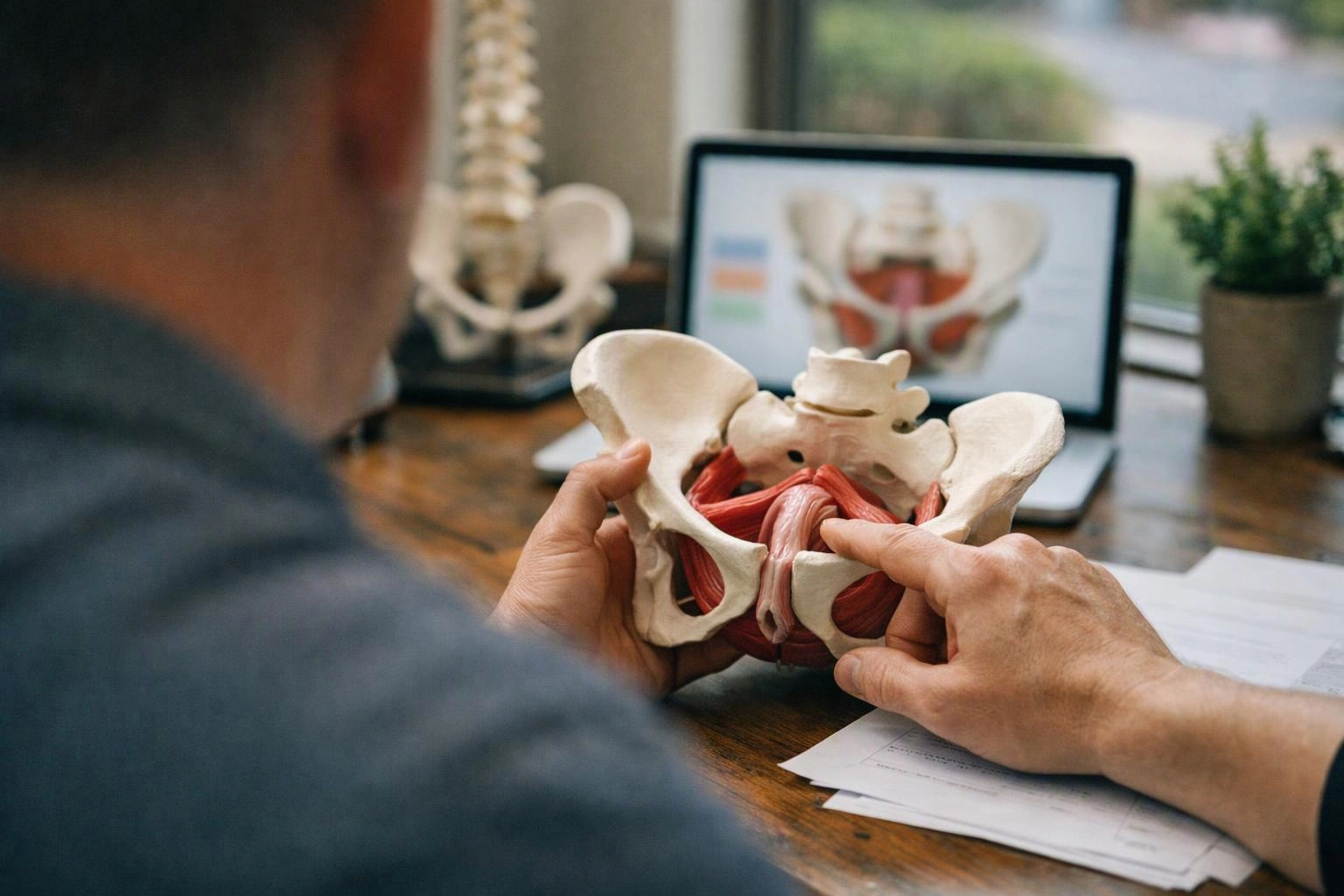
The pelvic floor is a group of muscles and connective tissues that spans the bottom of the pelvis. These structures support pelvic organs, help control bladder and bowel function, and contribute to spinal and hip stability. Their activity changes with breathing, movement, posture, pregnancy, and childbirth.
Quick Facts About Pelvic Floor
Category
Muscle and connective tissue system
Used for
Pelvic support and movement coordination
Common confusion
It is not a pelvic bone
Also called
Pelvic floor muscles
Often discussed with
Prenatal Chiropractic Care
Key Takeaways About Pelvic Floor
- It includes muscles and connective tissues beneath the pelvis.
- Its activity changes during movement, breathing, and pregnancy.
- The pelvic floor is not the same as the pelvic bones.
How Pelvic Floor Works
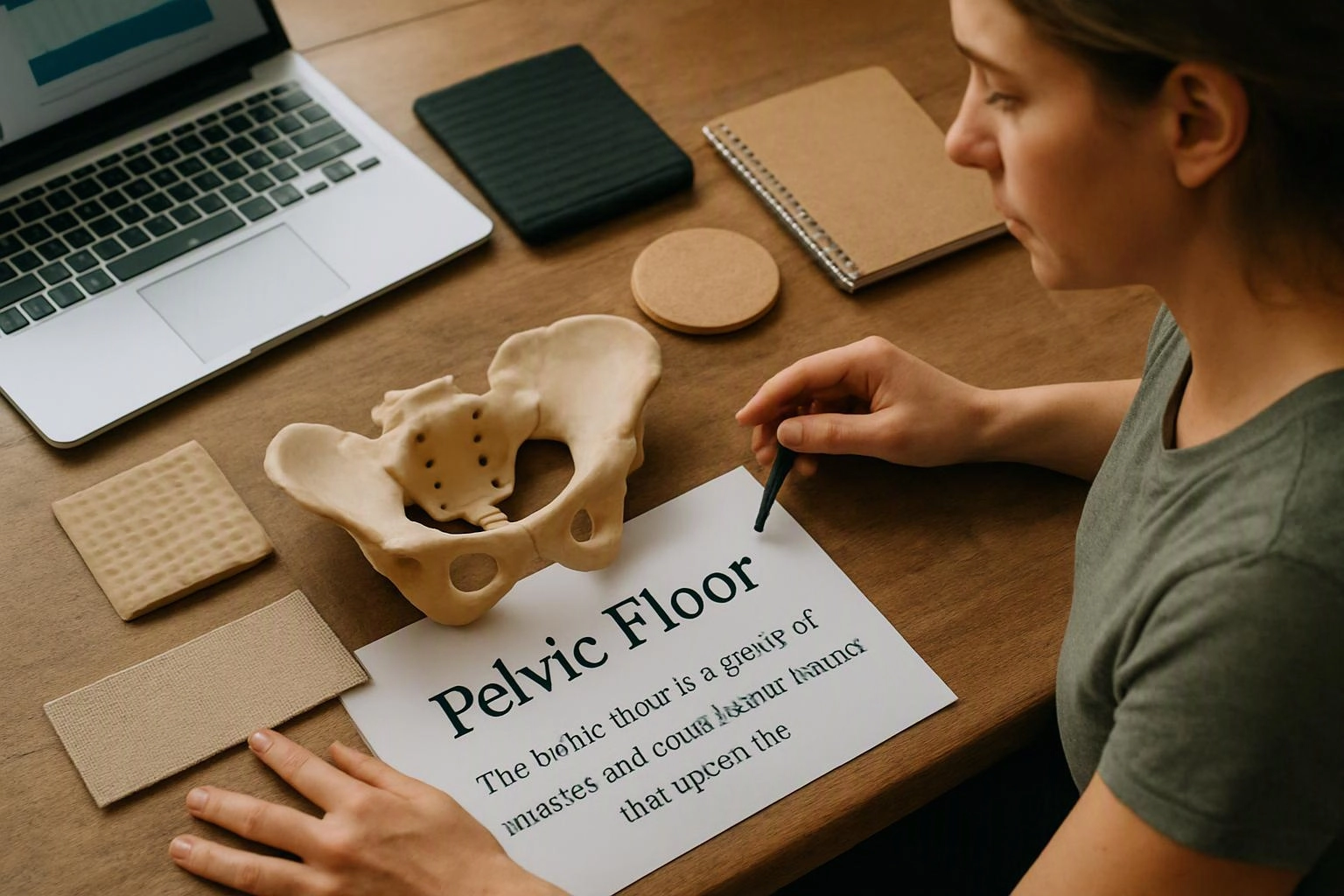
The pelvic floor works with the abdominal wall, diaphragm, spine, and hips to manage pressure and support movement. During breathing, the diaphragm and pelvic floor respond to changes in pressure. The pelvic floor also adjusts its tension as you walk, stand, lift, or change position.
Related glossary terms: Sacroiliac Joint, Lumbar Spine, Anterior Pelvic Tilt.
Pregnancy changes the demands placed on this system as the abdomen and pelvis adapt to a growing baby. A chiropractor may consider pelvic floor function alongside the sacroiliac joint and lumbar spine when reviewing posture, balance, and movement. This broader view helps distinguish muscle coordination concerns from joint or soft-tissue restrictions.
From the Advanced Injury Care Clinic team
When we provide Prenatal Chiropractic Care, we consider pelvic floor function as part of the client’s movement and posture pattern. We observe how the pelvis, hips, spine, and breathing coordinate during comfortable movements. Our team uses that information to guide care within the client’s prenatal needs and clinical presentation.
Pelvic Floor in Practice: A Real-World Example
During Prenatal Chiropractic Care, a pregnant client may report pelvic pressure when changing position or walking. We may examine how the pelvis, hips, spine, and breathing coordinate before selecting appropriate care.
Related Services
Related Terms
Sacroiliac Joint
Sacroiliac Joint is the connection between the sacrum at the base of the spine and the…
Lumbar Spine
Lumbar Spine is the lower section of the vertebral column, located between the thoracic spine and…
Anterior Pelvic Tilt
Anterior Pelvic Tilt is a postural position in which the front of the pelvis rotates forward…
Diastasis Recti
Diastasis Recti is a separation and thinning of the connective tissue along the midline of the…
Advanced Injury Care Clinic
Have Questions About Pelvic Floor?
Contact Advanced Injury Care Clinic for practical guidance on Pelvic Floor and related chiropractor work in Hermitage.