Understanding Workers Compensation Board

A Workers Compensation Board is a government group. It runs workers' comp (compensation) laws. These laws help workers hurt on the job.
Related glossary terms: Worker's Compensation, Impairment Rating, Maximum Medical Improvement.
Bosses must give benefits to hurt workers. The board makes sure workers get medical care. It also gives money for lost pay. This keeps bosses safe from lawsuits.
Each state or province has its own board. The board makes rules. It handles claims. It fixes fights over benefits.
How Workers Compensation Board Works?
The board stays fair for both sides. Workers get medical help fast. They don't have to prove whose fault it was. Bosses don't get sued most of the time.
This system keeps jobs steady. It helps hurt workers get better. Then they can go back to work.
A worker hurt at work files a claim. The board checks if the injury is work-related. It sees if the worker can get help.
They need medical papers. They need accident reports. They need what witnesses say. If the board says yes, the boss's insurance pays.
The insurance pays doctor bills. It pays part of the worker's lost pay. If the claim is denied, the worker can ask again.
The board holds a meeting. Both sides show proof. A judge or group makes a final call.
They can keep, change. Or drop the first decision. This makes sure laws are followed. The board also checks on bosses.
It makes sure they have the right insurance. It makes sure they follow safety rules.
Why Workers Compensation Board Matters?
The Workers Compensation Board helps workers and bosses. Workers get help when hurt. They get medical care and money.
Without this, hurt workers might struggle. They might fight long legal battles. Bosses face fewer lawsuits with this system.
The board makes bosses follow safety rules. This keeps jobs safer for everyone.
The board builds trust at work. Workers know they're safe if hurt. Bosses know what to expect.
This keeps legal fights from surprising them. The system helps bosses do the right thing. Workers tell about injuries fast.
This helps them heal quicker. It causes fewer problems later.
When Workers Compensation Board Matters Most?
The board helps most with big injuries. It helps when claims are fought. It helps if a boss has no insurance.
Some injuries need lots of care. Some cause lasting harm. The board makes sure workers keep getting help.
If a boss says no to a claim, the board steps in. If a boss has no insurance, the board protects the worker. The worker won't lose money.
Bosses need to follow the board's rules. If not, they get in trouble. They might pay fines.
They might face legal trouble. Their business might even shut down. The board tells bosses what they must do.
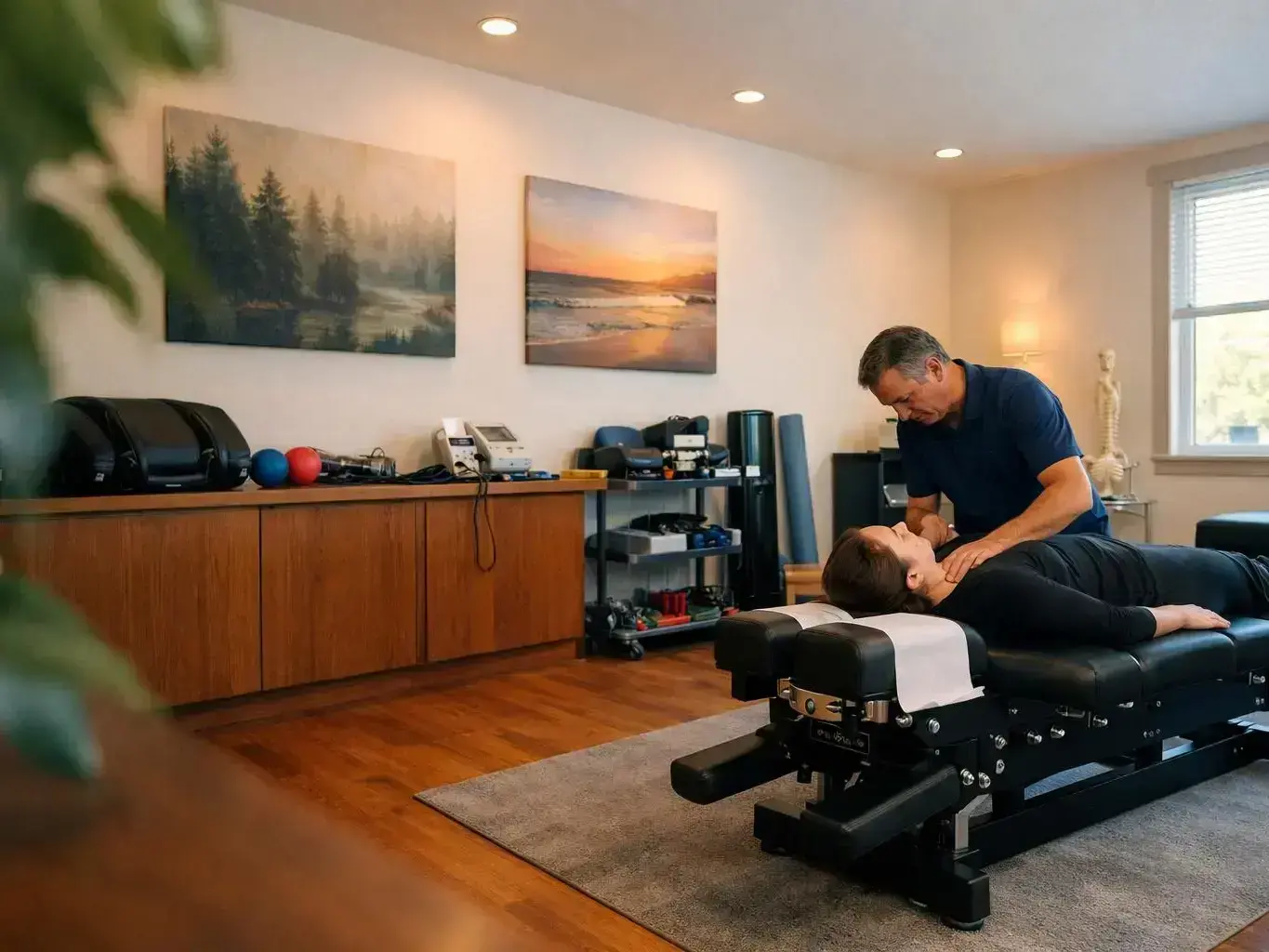
This helps bosses avoid big mistakes. In Hermitage, TN, chiropractors work with the board. They give approved care to hurt workers.
This makes sure treatments follow state rules.