Back Pain Treatment Options and Questions for Your Provider
Back pain treatment options include evaluation, chiropractic adjustment, spinal decompression therapy, soft tissue therapy, and massage therapy. Advanced Injury Care Clinic helps patients discuss suitable choices based on symptoms, causes, health history, and treatment goals.
Request an EstimateWhat Back Pain Symptoms Should You Discuss With a Provider?
Back pain symptoms can help guide the examination and treatment discussion. We review how symptoms started, what changes them, and whether they affect daily movement.
What Commonly Causes Back Pain?
Back pain causes can involve muscles, joints, discs, posture, or repeated loading. We connect the reported symptoms with movement findings before discussing care.
How Is Back Pain Evaluated Before Treatment?
Back pain evaluation identifies symptom patterns, movement limitations, and relevant health factors before treatment options are discussed.
We begin with your health history and a review of pain symptoms, including when they began and how they affect activity. Our physical examination may assess posture, range of motion, joint movement, muscle response, and neurological signs.
We also discuss treatment goals, such as improving movement, reducing discomfort, or returning to specific activities. These findings help shape a care plan based on your presentation.
Which Back Pain Treatment Options Can You Discuss?
Back pain treatment options differ by the symptoms, movement findings, suspected pain source, and goals identified during evaluation. Conservative care may use one approach or combine approaches when the findings support that plan.
Options at a Glance
| Option / System | Best For | Typical Lifespan / Turnaround | Key Trade-Offs |
|---|---|---|---|
| Chiropractic adjustment | Restricted joint movement and mechanical back pain | Depends on examination findings and response | Not suited to every symptom pattern |
| Spinal decompression therapy | Selected disc-related symptoms and radiating discomfort | Depends on the care plan and clinical response | Requires suitability screening |
| Soft tissue or massage therapy | Muscle tension and soft tissue restriction | Depends on tissue response and movement goals | May not address every underlying source |
| Conservative care plan | People seeking non-surgical care matched to findings | Reviewed through progress monitoring | Needs active participation and reassessment |
1. Chiropractic Adjustment for Restricted Movement
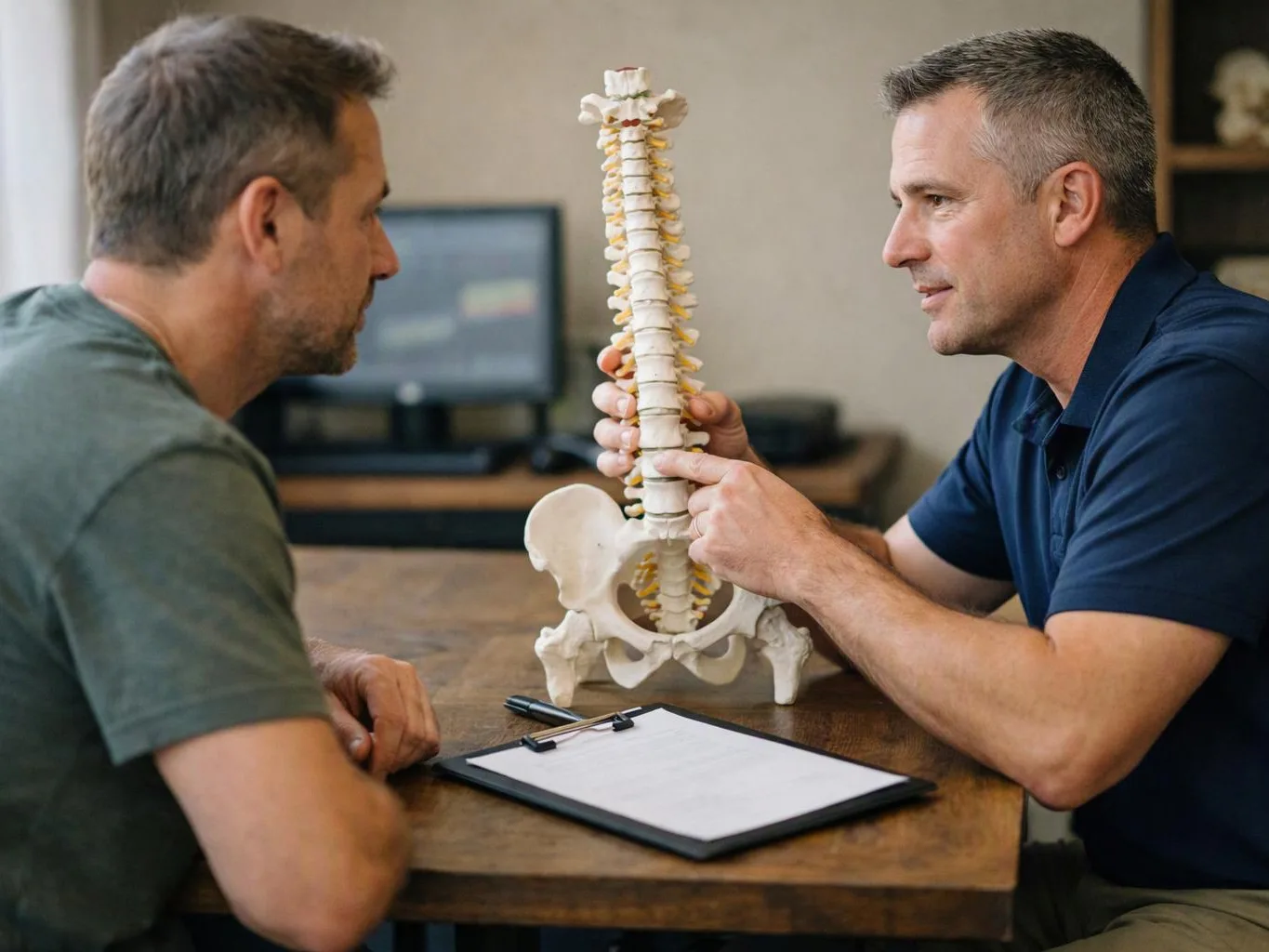
Chiropractic adjustment uses controlled manual techniques to address restricted spinal joint movement when examination findings support that approach. The goal is to improve joint mobility that may contribute to mechanical back pain.
We discuss suitability after reviewing the spinal joints, movement assessment, health history, and treatment goals.
2. Spinal Decompression Therapy for Selected Symptoms
Spinal decompression therapy may be discussed when the evaluation indicates that reducing spinal loading could support the care plan. The discussion may include disc-related symptoms and radiating discomfort.
We review symptom behavior and neurological findings before deciding whether this approach fits.
3. Soft Tissue and Massage Therapy for Muscle Tension
Soft tissue therapy and massage therapy address muscle tension and soft tissue restrictions that may contribute to back discomfort or limited movement. These approaches may support relaxed muscles, circulation, and easier movement.
We match the technique to the tissues involved and the person’s movement goals.
4. Advanced Injury Care Clinic Back Pain Care
Advanced Injury Care Clinic provides Back Pain Treatment, Chiropractic Adjustment, Spinal Decompression Therapy, Soft Tissue Therapy, and Massage Therapy for patients in Hermitage.
Our team reviews symptoms and goals before explaining which options may fit the care plan.
How Can Chiropractic Adjustment Address Back Pain?
Chiropractic adjustment uses controlled manual techniques to address restricted spinal joint movement when examination findings support that approach.
Restricted spinal joints may affect joint mobility and contribute to mechanical back pain. We use the physical examination and movement assessment to decide whether an adjustment belongs in the treatment plan.
When Might Spinal Decompression Therapy Be Discussed?
Spinal decompression therapy may be discussed when the evaluation indicates that reducing spinal loading could support the care plan.

We consider the pattern of disc-related symptoms, radiating discomfort, movement limits, and neurological signs. The treatment discussion remains focused on suitability for the individual presentation.
How Do Soft Tissue and Massage Therapy Fit Into Back Pain Care?
Soft tissue therapy and massage therapy address muscle tension and soft tissue restrictions that may contribute to back discomfort or limited movement.
We may discuss these approaches when muscles, fascia, or related soft tissues affect comfort or movement. The care plan can also include self-care guidance and movement changes.
What Questions Should You Ask About Your Back Pain Treatment Plan?
Provider questions help you understand the diagnosis, treatment goals, and next steps before care begins. We welcome questions about why an option fits your examination findings.
How to Choose a Back Pain Care Plan
A suitable back pain care plan connects the examination findings with your goals. We encourage you to confirm the scope of care before starting.
What Can Help Prevent Recurring Back Pain?
Recurring back pain may be reduced by improving daily movement habits and responding to early changes. We can discuss practical prevention steps that match your activities and examination findings.
How Does Advanced Injury Care Clinic Help You Discuss Back Pain Care?
Advanced Injury Care Clinic reviews your symptoms and goals, explains relevant treatment options, and offers Free Consultations for discussing back pain care.
We use your health history, physical examination, range of motion, and treatment goals to support care planning. Our team can explain chiropractic care, spinal decompression therapy, soft tissue therapy, and massage therapy in clear terms.
For service information and to request a consultation, visit our Back Pain Treatment service page.
Questions About Back Pain Treatment Choices
Can chiropractic adjustment help with lower back pain?
Yes, chiropractic adjustment may help selected cases of lower back pain when examination findings show restricted spinal joint movement. Advanced Injury Care Clinic reviews your symptoms, health history, and movement before discussing whether this approach fits.
Is spinal decompression therapy appropriate for every type of back pain?
No, spinal decompression therapy is not appropriate for every type of back pain. Suitability depends on the symptom pattern, examination findings, suspected pain source, and treatment goals.
What should I bring to a back pain appointment?
Bring a clear description of your pain symptoms, relevant health history, current medications, prior imaging or treatment information, and questions about your treatment goals. These details help us understand your concerns and plan the physical examination.
When should back pain symptoms receive urgent medical attention?
Back pain symptoms need urgent medical attention when they occur with new loss of bladder or bowel control, severe or worsening weakness, major trauma, fever, or unexplained illness. Seek urgent care when these warning signs appear.
Related Resources
Chiropractic Adjustment and Massage Therapy: When Combining Them Helps
What Goes With ItSpinal Decompression or Chiropractic Adjustment: Which Comes First?
When You Need ItWhen Back Pain Needs a Chiropractic Adjustment
When You Need ItSciatica Warning Signs That May Require Professional Treatment