Skip to content

Massage Therapy in Belle Meade, Tennessee

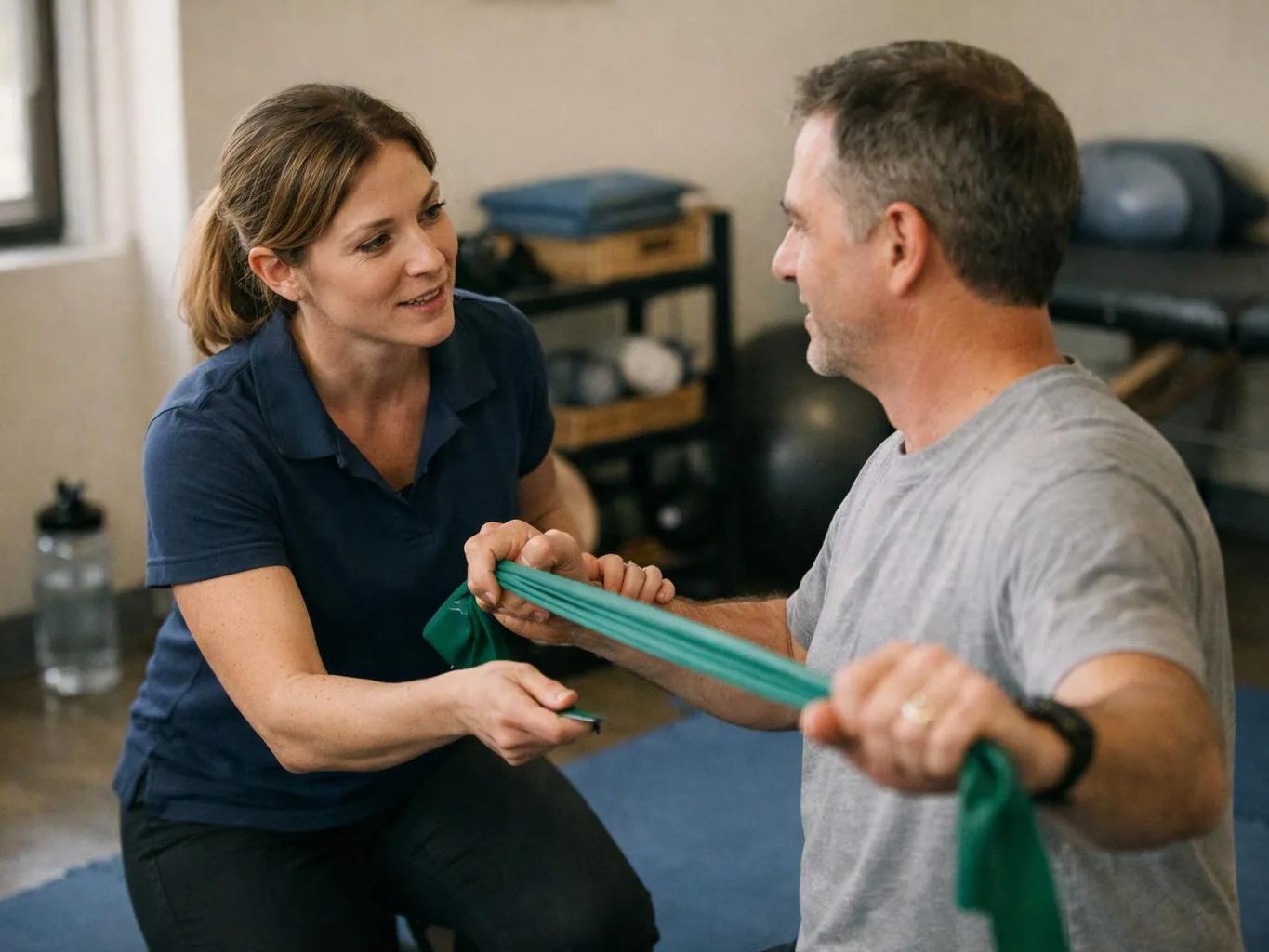
Soft tissue is checked in Belle Meade before massage therapy begins. Our care plan supports muscle comfort, movement, and recovery goals.

Upfront, Transparent PricingServing 18 CommunitiesMon-Fri: 9 am–7 pm, Sat: 9 am–2 pm, Sun: ClosedFast Scheduling

Quick Summary: massage therapy in Belle Meade, Tennessee

Massage Therapy in Belle Meade is provided by Advanced Injury Care Clinic for muscle tension, knots, pain after activity, and reduced mobility. Care includes an individualized evaluation and may include soft tissue therapy, therapeutic exercises, posture guidance, and rehabilitation support.

  • What we do: Advanced Injury Care Clinic provides Massage Therapy in Belle Meade, Tennessee, with soft tissue work for muscle tension and movement concerns.
  • What is included: The service covers soft tissue therapy, muscle knot care, movement checks, relaxation support, and guidance for ongoing self-care.
  • What you get: Massage therapy helps reduce muscle tension and supports more comfortable movement during daily activities.

Why does everyday muscle tension keep coming back after massage therapy?

Recurring tension often reflects posture, repeated activity, stress, or limited movement. Massage therapy can ease tight tissue, while an evaluation helps identify habits that may keep the problem active.
Massage Therapy for Everyday Muscle Tension in Belle Meade, Tennessee

Massage therapy suits people who feel tight after work, exercise, travel, or repeated daily tasks. The main decision is whether muscle tension is the only concern or part of a wider movement problem.

Our team checks the painful area, how it moves, and what activities make tension worse. We may then use soft tissue therapy with therapeutic exercises or posture guidance when those steps fit your care plan.

This service has limits. Severe injury symptoms, sudden weakness, major swelling, or unexplained pain need medical attention before massage therapy. A licensed chiropractor can explain whether a broader evaluation is appropriate.

  • Identify where muscle tension or knots limit daily movement.
  • Check posture, range of motion, and activity-related strain.
  • Match hands-on care with the stated treatment goal.
  • Discuss self-care steps that support regular maintenance.
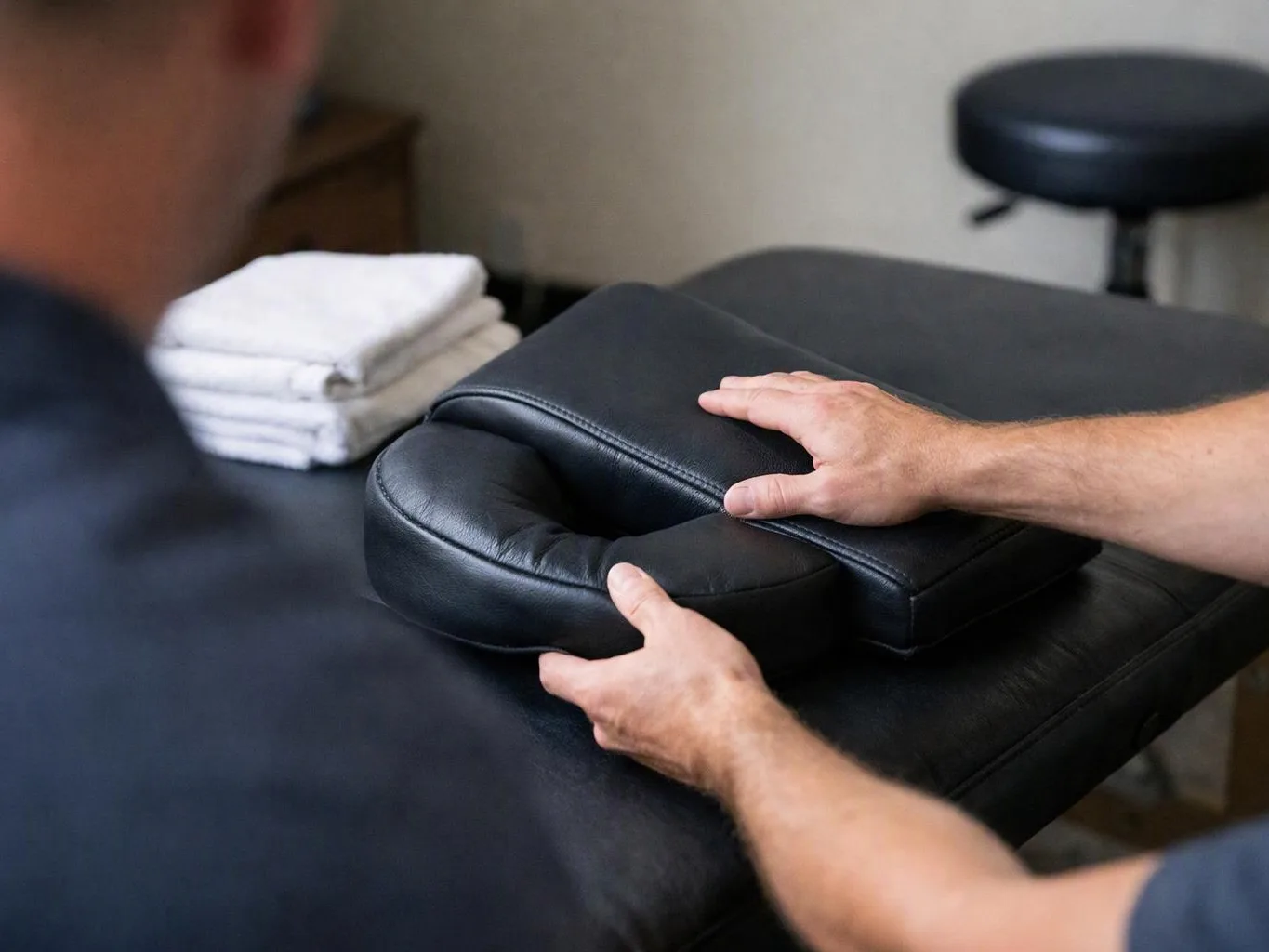
Two hands adjust a black cushioned pad on a treatment table in a quiet room

Service Overview

Massage therapy is a hands-on treatment that works on tight muscles and soft tissue to support comfort and movement.

  • Massage therapy focuses on muscle and soft tissue concerns, while chiropractic care also assesses joint motion and may include spinal adjustments.
  • Advanced Injury Care Clinic provides massage therapy for Belle Meade patients and nearby Middle Tennessee communities.

How massage therapy changes daily movement

Massage therapy may reduce the feeling of tightness around overworked muscles.

Soft tissue work may help loosen muscle knots that restrict comfortable movement.

Improved relaxation can make it easier to notice and manage stress-related tension.

Movement checks help connect muscle discomfort with posture and daily habits.

Regular maintenance may support ongoing comfort when repeated activities keep causing strain.

What to consider before choosing massage therapy

Match the treatment to the problem

The first visit connects your symptoms with a focused care plan. Massage therapy may fit muscle tension and knots, but severe symptoms or suspected injury need a broader clinical assessment.

Receive clear care explanations

We explain why hands-on work, movement checks, or exercises appear in your plan. You can ask how each step relates to your daily activities.

Connect care with regular habits

Posture guidance and simple movement work can support the changes made during treatment. Our team discusses maintenance when recurring tasks keep stressing the same muscles.

A situation this service fits

A person who works at a desk in Belle Meade may notice neck, shoulder, or back tension after repeated screen use. We check the affected tissue and movement pattern, then discuss massage therapy alongside posture guidance when the findings support that approach.

Process

How massage therapy moves from assessment to aftercare

1

Discuss symptoms and daily strain

We ask where tension occurs, what activities affect it, and how it changes your movement or comfort.

2

Check tissue and movement

The assessment reviews tender soft tissue, muscle knots, posture, and range of motion around the affected area.

3

Apply focused hands-on care

Massage therapy uses pressure and motion suited to the area, your symptoms, and the agreed treatment goal.

4

Review exercises and posture

We explain any therapeutic exercises or posture changes that may support comfort between visits.

5

Plan follow-up care

The care plan identifies what to watch, how regular maintenance may fit, and when a wider evaluation is needed.

What massage therapy includes for muscle tension

Advanced Injury Care Clinic provides comprehensive Massage Therapy in Belle Meade. Here's what you get:

  • A focused discussion of your symptoms, activities, and care goals.
  • A hands-on assessment of tight muscles and tender soft tissue.
  • Massage techniques selected for the area and level of tension.
  • Movement checks that show where stiffness affects daily activity.
  • Plain-language guidance about posture, gentle exercise, and aftercare.
  • A care plan that may connect massage therapy with chiropractic treatment.

Choosing care for muscle tension

This table separates common care goals so you can discuss the right starting point.

Care optionMain focusWhen to discuss it
Massage therapyTight muscles, knots, and soft tissue comfortWhen muscle tension is the main concern
Chiropractic evaluationJoint motion, spinal alignment, and broader injury concernsWhen pain follows an injury or affects movement beyond one muscle area
Therapeutic exerciseStrength, posture, and movement habitsWhen daily activity keeps bringing tension back

The Advanced Injury Care Clinic Standard

  • Assess Patient Condition
  • Tailored Care Plans
  • Clear Treatment Explanations
  • Monitor Patient Progress

Questions about massage therapy and muscle tension

How can massage therapy reduce everyday muscle tension?

Soft tissue massage therapy may reduce everyday muscle tension by working on tight muscles and supporting relaxation. Advanced Injury Care Clinic first checks the painful area and its movement. Care may then combine hands-on pressure with posture guidance or therapeutic exercises. Results vary, and recurring tension deserves attention to the daily activity that keeps straining the same tissue.

What happens during the first massage therapy visit?

The first visit includes a symptom discussion, focused assessment, and review of your care goals. The assessment checks tender tissue, muscle knots, posture, and range of motion. Treatment may begin when the findings support it. Your care plan can also include exercises or rehabilitation support.

Which part of the body decides the massage therapy scope?

The affected body area helps set the scope because each region has different muscles, movement patterns, and pressure needs. Neck and shoulder tension may call for posture and movement checks. Back or hip concerns may need a wider review. We match the hands-on work to the findings.

Which material changes how long massage therapy takes?

No material determines massage therapy time because this treatment works on tissue, not building materials. The affected area, muscle tension, symptoms, and related care needs shape the visit. Our team discusses the assessment and treatment focus during your consultation instead of promising a fixed duration.

When should muscle tension receive a wider evaluation?

Muscle tension needs a wider evaluation when it follows a major injury or comes with sudden weakness, severe swelling, or unexplained pain. Those signs can point beyond routine muscle tightness. We review your symptoms and explain whether chiropractic assessment or medical care should come first.

Why do muscle knots return after hands-on treatment?

Muscle knots can return when posture, repeated activity, stress, or limited movement keeps loading the same tissue. Massage therapy may ease the tight area, but lasting comfort also depends on the cause. Our plan may include posture guidance, therapeutic exercises, and regular maintenance.

How does a massage therapy visit move from the first call to the last step?

A massage therapy visit moves from consultation to assessment, hands-on care, and aftercare guidance. We begin by discussing symptoms and goals. Next, we check tissue and movement, provide care when appropriate, and explain exercises or posture steps. Free Consultations support a clear discussion before treatment.
Contact

Discuss massage therapy in Belle Meade

Advanced Injury Care Clinic starts with a focused assessment of your soft tissue, symptoms, and movement goals. Book a Free Consultation to discuss the right next step.

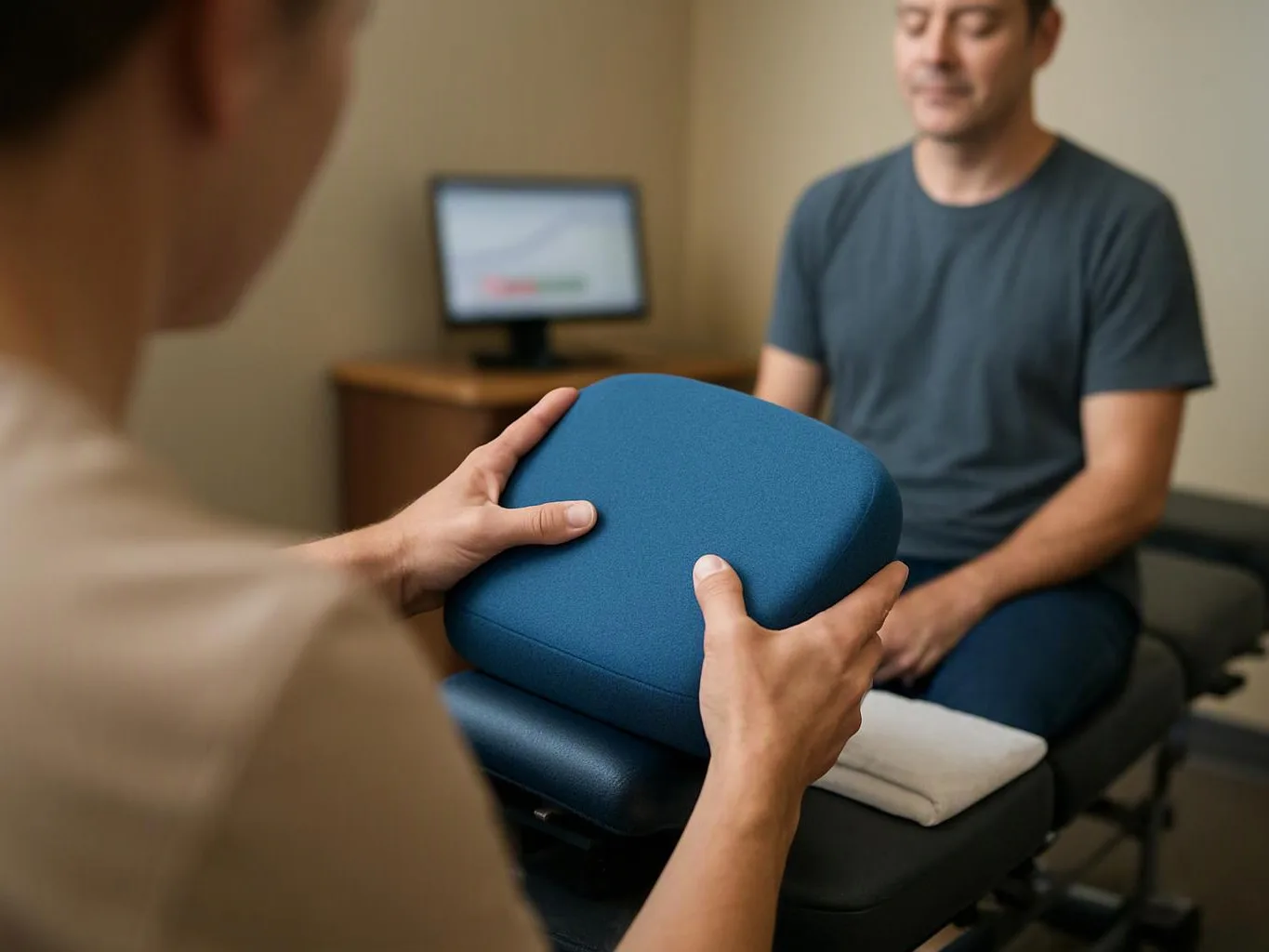
A therapist holds a blue foam block while a seated man waits in a clinic room

The health and wellness information on this website is for general informational purposes only and is not medical advice. It does not create a provider-patient relationship. Always consult a qualified licensed provider in Hermitage, Tennessee, United States about your specific condition before making care decisions. Individual results vary.

(615) 265-0412