Skip to content

Spinal Decompression Therapy in Belle Meade, Tennessee

Herniated disc checks guide spinal decompression therapy in Belle Meade. We review your symptoms and exam findings before discussing care.

Upfront, Transparent PricingServing 18 CommunitiesMon-Fri: 9 am–7 pm, Sat: 9 am–2 pm, Sun: ClosedFast Scheduling

Quick Summary: Spinal decompression care in Belle Meade, Tennessee

Spinal Decompression Therapy in Belle Meade is provided by Advanced Injury Care Clinic for patients with back pain, neck pain, and related nerve symptoms. Care starts with an individualized evaluation and may include spinal decompression, soft tissue therapy, and therapeutic exercises.

  • What we do: Advanced Injury Care Clinic provides Spinal Decompression Therapy for patients in Belle Meade, Tennessee.
  • What is included: Individualized evaluations, spinal decompression, soft tissue therapy, therapeutic exercises, posture guidance, and rehabilitation support.
  • What you get: The patient receives a clear care plan for supporting mobility and focused comfort.

Why does back pain keep returning with a herniated disc?

Back pain can continue when disc pressure, nerve compression, movement habits, or nearby soft tissue remain involved. An evaluation helps identify the factors that shape your care plan. Seek urgent medical care for sudden weakness, loss of bladder or bowel control, or severe symptoms that rapidly worsen.

Spinal decompression therapy for disc pressure and nerve symptoms

Spinal decompression therapy uses controlled traction through a specialized table to address pressure around selected spinal segments. We consider your health history, exam findings, symptoms, and movement limits before deciding whether this approach fits.

Customers often want to know whether traction alone is enough. Our team may combine decompression with soft tissue therapy, therapeutic exercises, posture guidance, or rehabilitation support when those steps fit the evaluation.

This service isn't right for every complaint. Severe or changing neurological symptoms need medical assessment, and some conditions require care outside chiropractic treatment. We explain the next step when decompression isn't the right choice.

  • Bring a clear description of where symptoms start and where they travel.
  • Share prior imaging, diagnoses, and current treatment information when available.
  • Ask how traction, exercises, and follow-up checks fit the proposed care plan.
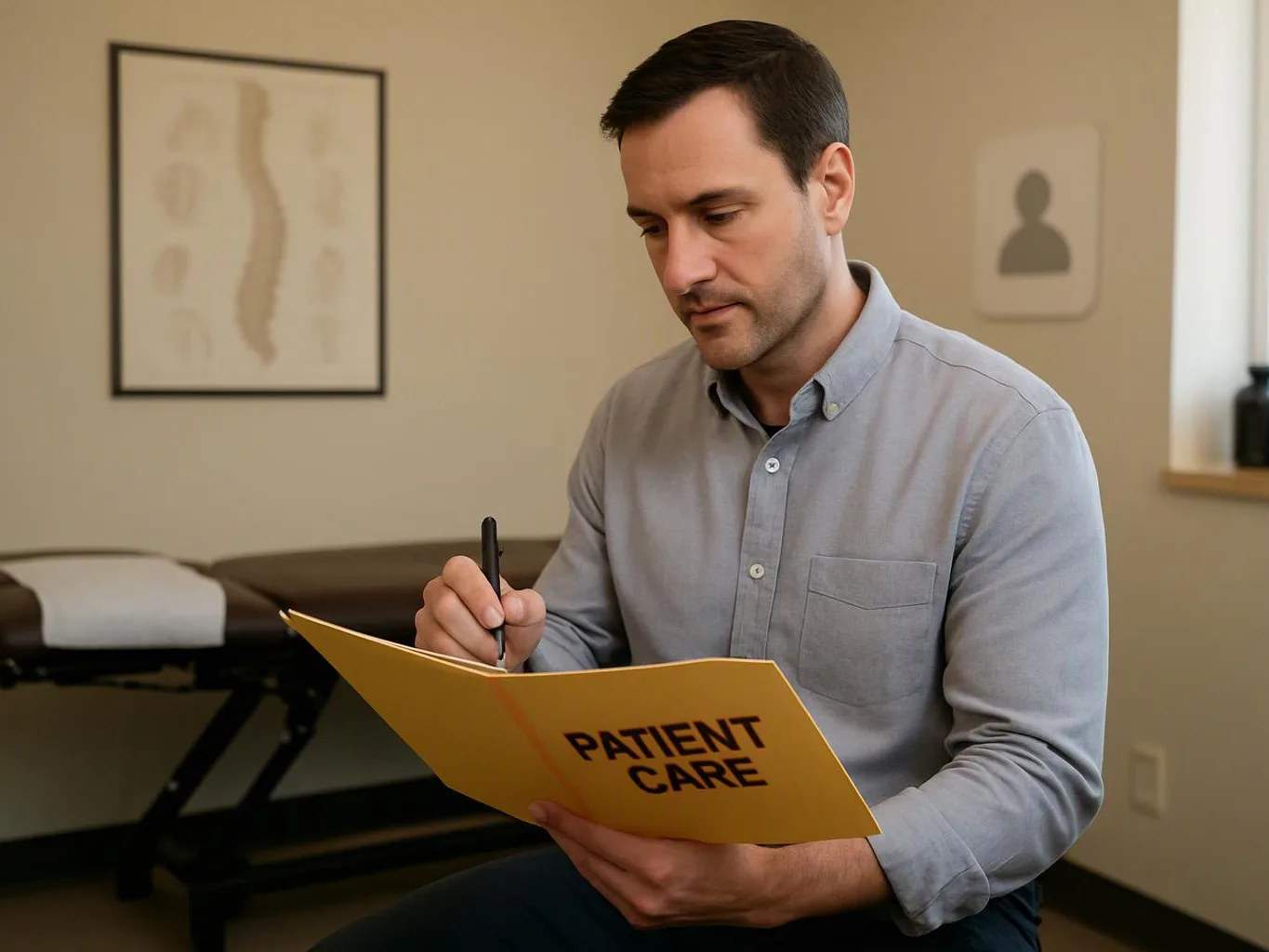
A man in a clinic writes on a yellow patient care folder while sitting beside an exam table

Service Overview

Spinal decompression therapy is a non-invasive treatment that applies controlled traction to reduce stress through targeted spinal segments.

  • It differs from spinal adjustments because decompression focuses on controlled traction, while adjustments use a directed manual force.
  • Advanced Injury Care Clinic provides this care for patients in Belle Meade.

What spinal decompression care includes

Advanced Injury Care Clinic provides comprehensive Spinal Decompression Therapy in Belle Meade. Here's what you get:

  • An individualized evaluation reviews your health history, symptoms, movement, and functional concerns.
  • A care plan explains whether controlled traction fits your needs.
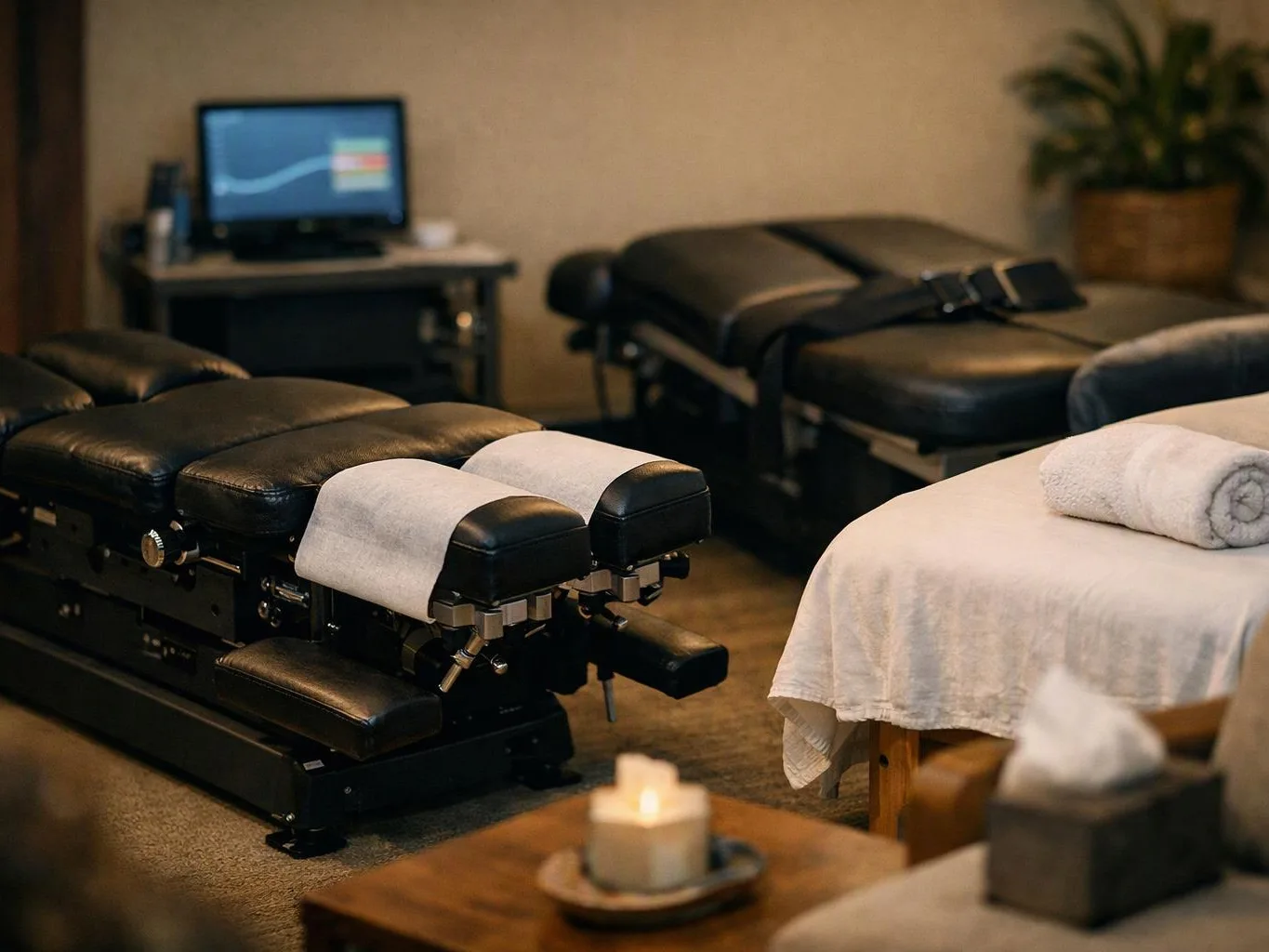
  • Spinal decompression uses a table to apply measured traction to selected spinal areas.
  • Soft tissue therapy may address related muscle tension.
  • Therapeutic exercises may support strength, movement, and control.
  • Posture guidance and rehabilitation support help you apply care between visits.

What this care may change for daily movement

Controlled traction may help reduce mechanical stress around sensitive spinal areas.

A written care plan gives you a clearer path from assessment to follow-up.

Exercise and posture guidance may support better movement between appointments.

Combining hands-on care with active exercises addresses more than one part of a movement problem.

Process

How we plan and provide spinal decompression care

1

Review your health history

We discuss symptoms, prior injuries, medical history, and current concerns during the new patient intake.

2

Complete the physical exam

The exam checks movement, posture, strength, and symptom patterns so we can judge whether traction fits.

3

Explain the care plan

We review the findings and explain how spinal decompression, soft tissue therapy, or exercises may fit your goals.

4

Apply controlled traction

If appropriate, we use a spinal decompression table for controlled traction directed at the selected spinal area.

5

Review progress and next steps

Follow-up checks help us discuss your response and decide whether the care plan needs adjustment.

How we approach spinal decompression decisions

Start with a suitability check

We review your history and exam before choosing traction. Customers receive an explanation of what the treatment is meant to address.

Match care to your symptoms

Disc pressure, nerve symptoms, posture, and movement limits can point to different care needs. Our team adjusts the plan around those findings.

Know when another evaluation fits

Spinal decompression is the wrong job when symptoms suggest a condition that needs urgent medical care or another type of assessment.

Traction and adjustment choices for spinal care

These options differ by the method used and the concern each evaluation may address.

Care optionMain methodDecision point
Spinal decompressionControlled traction through a decompression tableConsidered when traction fits the exam findings
Spinal adjustmentDirected manual force through a selected jointConsidered when the exam supports an adjustment
Therapeutic exerciseActive movement and strength workUsed to support control and function

The Advanced Injury Care Clinic Standard

  • Assess Patient Condition
  • Tailored Care Plans
  • Clear Treatment Explanations
  • Monitor Patient Progress

Questions about spinal decompression care

How can spinal decompression therapy help a herniated disc?

A herniated disc may respond to controlled traction that reduces stress around the involved spinal area. Advanced Injury Care Clinic first reviews your history, symptoms, and exam findings. We then explain whether decompression fits your condition and whether exercises, posture guidance, or soft tissue therapy should support the plan. Individual response differs.

What should be ready before treatment starts?

Your symptom history, medication list, prior imaging, and relevant medical records help us prepare for the evaluation. Bring details about when symptoms began and what changes them. Our team uses that information with the physical exam to discuss suitability, treatment goals, and safe next steps.

Which condition changes the treatment plan?

Changing weakness, severe numbness, or loss of bladder or bowel control changes the plan and needs urgent medical assessment. Less urgent factors include symptom location, movement limits, prior injuries, and exam findings. We use these details to decide whether traction fits or whether another evaluation should come first.

How is traction matched to my symptoms?

Traction is matched to your symptoms through a health history, physical exam, and review of movement patterns. We consider where discomfort travels, how your spine moves, and whether nerve signs appear. The resulting care plan may include decompression, exercises, posture guidance, or another suitable chiropractic approach.

What does the first evaluation include?

The first evaluation includes a new patient intake, health history, physical exam, and clear discussion of your concerns. We review prior care and imaging when available. An adjustment isn't automatic because treatment depends on the findings and the plan that best fits your symptoms.

When should I ask about decompression after an injury?

Ask about decompression after an injury when pain, stiffness, or movement limits continue and you want a non-invasive care discussion. Auto accident, work-related, and sports injuries may need different assessments. Urgent symptoms require medical attention before chiropractic treatment is considered.

Who provides spinal decompression therapy in Belle Meade?

Advanced Injury Care Clinic provides spinal decompression therapy for patients in Belle Meade. We assess your symptoms before selecting traction and explain how related care may fit. The clinic also provides chiropractic treatment for injury recovery, back pain, neck pain, headaches, and other musculoskeletal concerns.

Contact

Discuss spinal decompression therapy in Belle Meade

Are back pain or nerve symptoms affecting your movement? Contact Advanced Injury Care Clinic to discuss a consultation and learn whether spinal decompression fits your evaluation.

Pregnant woman sits smiling in a chair while a man reads a folder beside a table with tissues and water

The health and wellness information on this website is for general informational purposes only and is not medical advice. It does not create a provider-patient relationship. Always consult a qualified licensed provider in Hermitage, Tennessee, United States about your specific condition before making care decisions. Individual results vary.

(615) 265-0412