

Skip to content

Myofascial Release Therapy in Forest Hills, Tennessee

Tingling can signal that pressure needs careful adjustment during treatment in Forest Hills. We use hands-on soft tissue therapy and explain each step.

Upfront, Transparent PricingServing 18 CommunitiesMon-Fri: 9 am–7 pm, Sat: 9 am–2 pm, Sun: ClosedFast Scheduling

Quick Summary: myofascial release therapy in Forest Hills, Tennessee

Myofascial Release Therapy in Forest Hills is provided by Advanced Injury Care Clinic for muscle tension, restricted tissue movement, and discomfort after injury. Care includes an individualized evaluation and evidence-informed soft tissue techniques for patients in Forest Hills and nearby Middle Tennessee communities.

  • What we do: Advanced Injury Care Clinic provides Myofascial Release Therapy in Forest Hills, Tennessee, through individualized assessment and hands-on soft tissue care.
  • What is included: symptom review, soft tissue therapy, treatment planning, posture guidance, therapeutic exercise, and rehabilitation support.
  • What you get: The treatment plan identifies suitable soft tissue care and supports better movement with realistic expectations.

Why does tingling happen during myofascial release therapy?

Tingling can occur when pressure affects sensitive tissue or a nearby nerve. Advanced Injury Care Clinic checks the sensation, adjusts the technique, and decides whether treatment should continue.

Myofascial Release Therapy in Forest Hills for Tingling and Tissue Tension

Myofascial release therapy addresses tight or sensitive soft tissue that can affect movement and comfort. The work may suit people managing back pain, neck pain, whiplash, sports injuries, or discomfort after a collision.

Tingling deserves careful attention during hands-on care. Our team asks where it starts, what brings it on, and whether it changes with pressure or movement. We then choose a suitable approach and explain its limits before treatment continues.

The key decision is fit. This therapy may support a broader chiropractic plan, but severe or unexplained symptoms need medical review before hands-on care.

  • Discuss where tingling, pressure, tenderness, or warmth occurs.
  • Review past injuries, current symptoms, and movement limits.
  • Ask how soft tissue work fits your personalized treatment plan.
  • Confirm what changes should be reported during treatment.
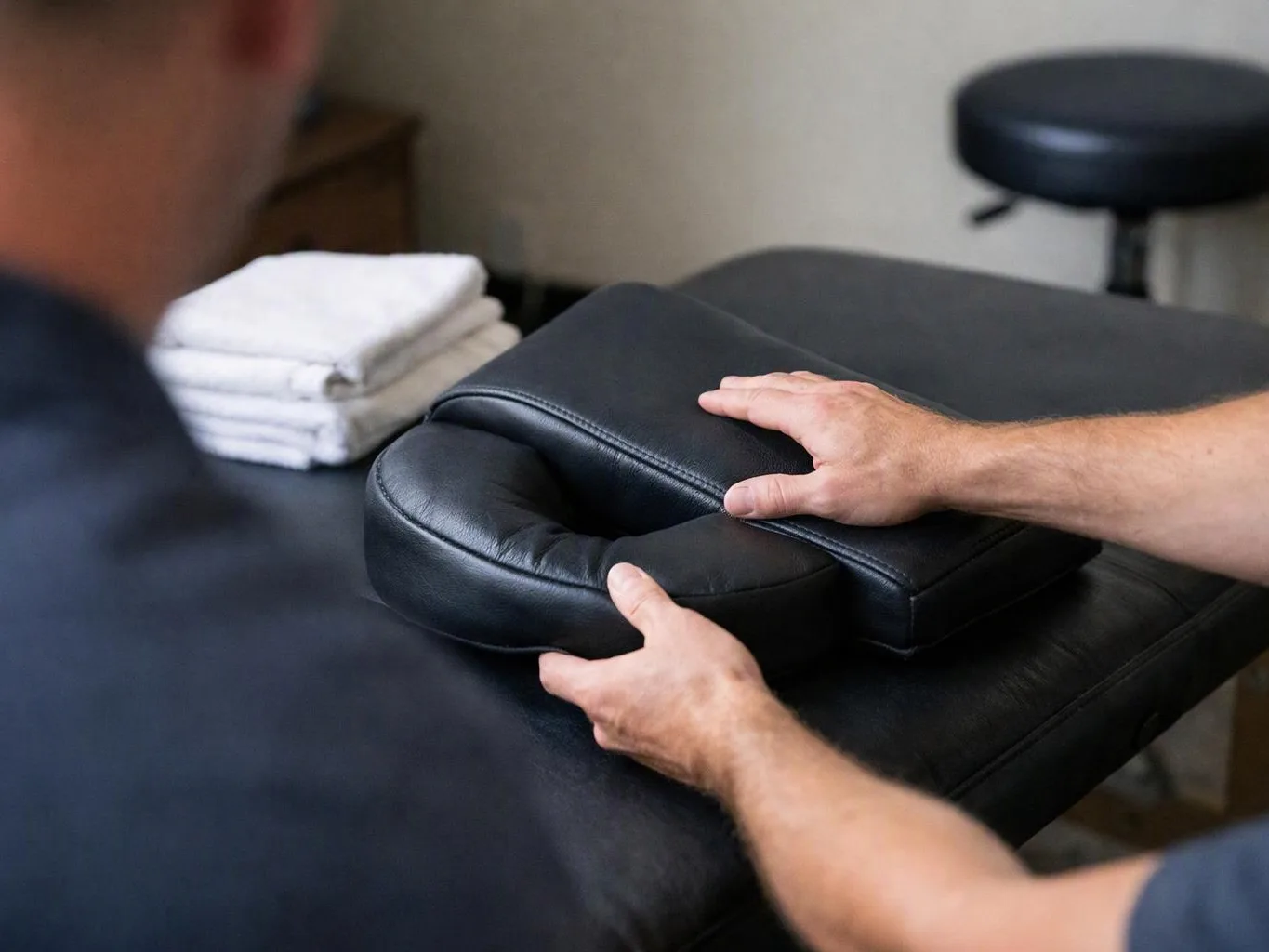
Two hands adjust a black cushioned pad on a treatment table in a quiet room

Service Overview

Myofascial Release Therapy is a hands-on treatment that works on tight fascia and nearby soft tissue.

  • Soft tissue therapy focuses on muscle and connective tissue, while spinal adjustments address joint motion and alignment.
  • Patients in Forest Hills can receive this care through Advanced Injury Care Clinic as part of an individualized chiropractic plan.

What Myofascial Release Therapy Includes for Your Care

Advanced Injury Care Clinic provides comprehensive Myofascial Release Therapy in Forest Hills. Here's what you get:

  • An individualized evaluation reviews your symptoms, health history, and movement concerns.
  • Hands-on pressure addresses tight fascia and related soft tissue.
  • The treatment plan explains the purpose and limits of each technique.
  • Posture guidance may support movement between appointments.
  • Therapeutic exercises may complement hands-on care when they fit your needs.
  • Rehabilitation support connects soft tissue care with injury recovery goals.

What to Consider Before Choosing Soft Tissue Care

Start with a symptom review

Your first discussion covers tingling, pressure, stretching, warmth, and tenderness. Licensed chiropractor credentials are displayed at the clinic, and our team explains the care plan in plain language.

Match the method to the goal

Hands-on release may fit tight fascia and muscle tension. Spinal adjustments, therapeutic exercise, or rehabilitation support may be added when the evaluation supports them.

Know when to pause

New weakness, severe numbness, worsening symptoms, or unexplained pain calls for medical assessment before hands-on treatment. This service isn't the right first step for every symptom.

Process

How We Approach Myofascial Release Therapy

1

Review symptoms and health history

We discuss tingling, pressure, stretching, warmth, tenderness, past injuries, and current movement limits.

2

Check movement and tissue response

The evaluation looks at posture, motion, sensitive areas, and how symptoms change with gentle contact.

3

Set the treatment approach

We explain which soft tissue methods fit your findings and how they may connect with chiropractic care.

4

Apply controlled hands-on pressure

Treatment uses measured contact while you report changes in comfort, tension, and sensation.

5

Review the next care step

We discuss posture guidance, therapeutic exercise, rehabilitation support, or regular maintenance when appropriate.

6

Discuss pricing before care

Free consultations let you discuss your concerns and care options before deciding on treatment.

How Soft Tissue Care May Support Better Movement

Gentle tissue work may support easier movement around tense muscles.

A clear care plan helps you understand why each technique is used.

Symptom checks help our team respond to changes during treatment.

The approach may complement care for whiplash, back pain, neck pain, and sports injuries.

Regular maintenance may help you stay aware of posture and movement habits.

Choosing Between Soft Tissue and Joint-Focused Care

This table shows how two common chiropractic approaches differ by the body area and treatment goal they address.

Care approachMain focusCommon role
Myofascial release therapyFascia and soft tissueAddress tissue tension and support movement
Spinal adjustmentSpinal or other joint motionAddress joint movement within a broader care plan

The Advanced Injury Care Clinic Standard

  • Assess Patient Condition
  • Tailored Care Plans
  • Clear Treatment Explanations
  • Monitor Patient Progress

Questions About Hands-On Tissue Release

What sensations are common during myofascial release therapy?

Advanced Injury Care Clinic expects patients to report pressure, stretching, warmth, tenderness, or tingling during care. Tingling can signal that pressure needs review, so our team checks the sensation and adjusts the technique. Comfortable communication matters throughout treatment. Individual response differs, and no sensation should be ignored if it feels sharp, severe, or unfamiliar.

What should be ready before treatment starts?

Your symptom history, injury details, current care information, and treatment goals should be ready before the first session. Bring any relevant medical records or imaging you already have. A clear note about tingling, tenderness, and movement limits helps our team plan the evaluation. You’ll also discuss your questions before hands-on care begins.

Which condition changes the time needed for this treatment?

The area treated, symptom pattern, tissue sensitivity, and need for evaluation can change the time needed for care. A recent collision or work injury may require a broader health history and movement check. Our team explains the planned steps after assessment. We don't promise a fixed duration before reviewing your condition.

How does this differ from a spinal adjustment?

Myofascial release therapy works on fascia and soft tissue, while a spinal adjustment focuses on joint motion. The two approaches can appear in the same personalized care plan when the evaluation supports both. Our team explains the reason for each method. One approach isn't automatically right for every symptom.

Why should I ask about tingling before agreeing to treatment?

Tingling matters because its location, pattern, and response to pressure can affect treatment choices. Tell our team when it began and whether movement changes it. The evaluation helps determine whether hands-on care fits your situation. New or worsening symptoms may need medical review before treatment continues.

What should I ask before choosing soft tissue care?

Ask which tissue the treatment targets, what sensations you should report, and how the work fits your care plan. You can also ask when exercise, posture guidance, or another clinical evaluation makes more sense. Clear answers help you make an informed choice. Our team explains the expected steps before care begins.
Contact

Discuss Myofascial Release Therapy in Forest Hills

Contact Advanced Injury Care Clinic to discuss your symptoms and arrange a consultation. The first conversation covers your goals, the evaluation process, and what happens next, without promising a result or fixed timeline.

A massage table with folded towels sits beside a lit cabinet and stool in a calm treatment room

Myofascial Release Therapy in Other Areas

The health and wellness information on this website is for general informational purposes only and is not medical advice. It does not create a provider-patient relationship. Always consult a qualified licensed provider in Hermitage, Tennessee, United States about your specific condition before making care decisions. Individual results vary.

(615) 265-0412