
Skip to content

Myofascial Release Therapy in Hermitage, Tennessee

Hands-on myofascial release therapy supports movement when tight tissue contributes to pain. We tailor care for Hermitage patients after injury or during ongoing discomfort.

Upfront, Transparent PricingServing 18 CommunitiesMon-Fri: 9 am–7 pm, Sat: 9 am–2 pm, Sun: ClosedFast Scheduling
Myofascial Release Therapy helps Hermitage patients address tight fascia and related muscle pain through focused soft tissue work. We begin with an evaluation, explain the care plan, and check how your body responds. Advanced Injury Care Clinic also provides chiropractic adjustments, therapeutic exercises, posture guidance, and rehabilitation support. Our licensed chiropractor credentials are prominently displayed, and we explain each proposed treatment before care begins.

What patients notice when tight fascia limits movement

Focused attention on restricted soft tissue

A care plan linked to movement and symptoms

Better understanding of how posture and muscle tension affect daily comfort

Support for movement after injury or during ongoing pain

What Myofascial Release Therapy Covers

Myofascial Release Therapy is a hands-on soft tissue treatment that applies focused pressure to restricted fascia and related muscle tissue.
  • Myofascial release therapy differs from a spinal adjustment because it targets soft tissue tension, while an adjustment addresses joint movement.
  • The Hermitage location serves local patients and nearby Middle Tennessee communities through scheduled clinic care.
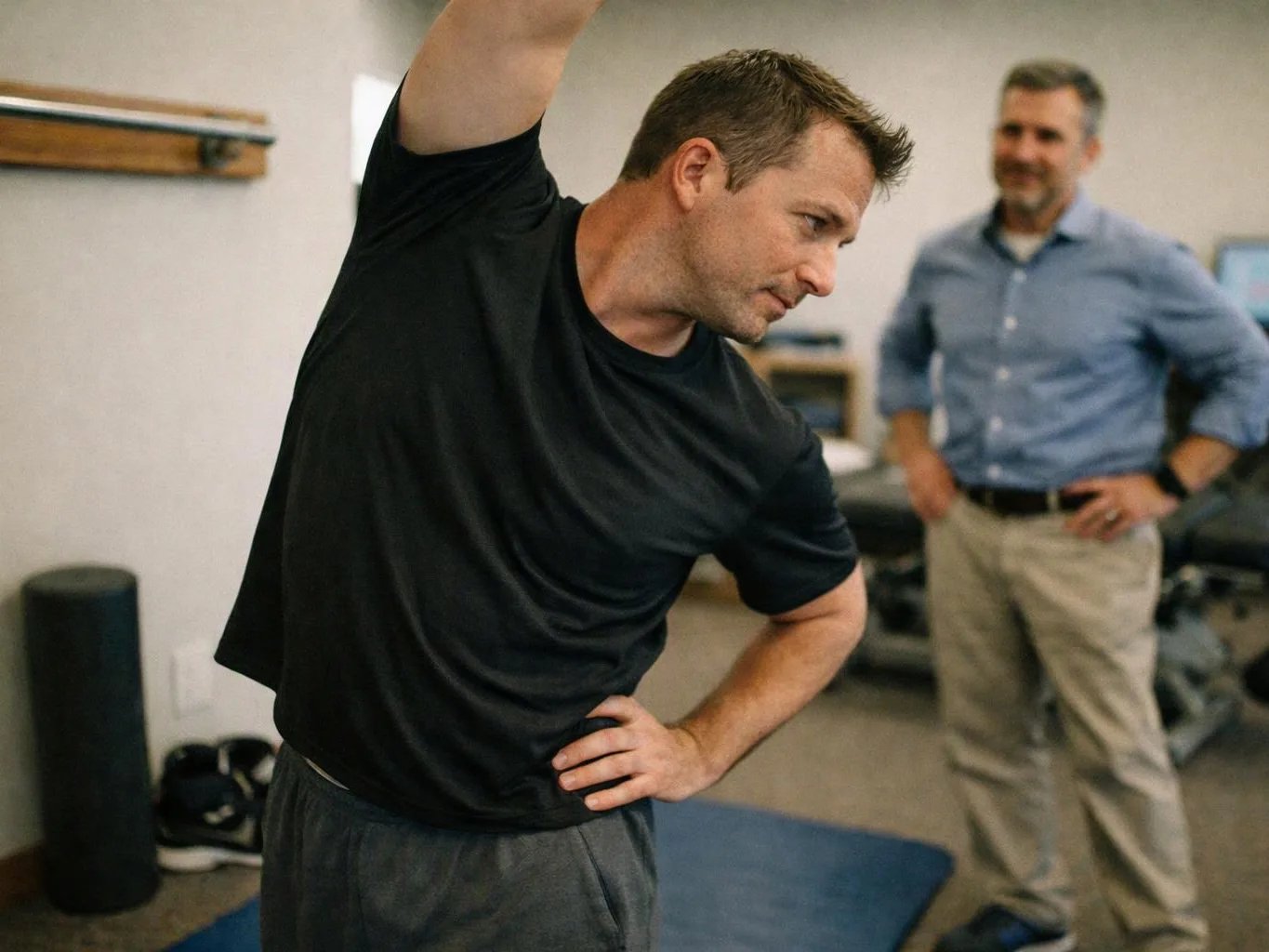
A man stretches with one arm raised while another man watches in a small exercise room
About

How myofascial release therapy addresses restricted movement

Myofascial release therapy focuses on fascia, the connective tissue around muscles and other body structures. Focused pressure and slow tissue work may help reduce the feeling of restriction and support smoother movement. We assess the patient’s condition before recommending care. That assessment can include a health history, movement checks, and discussion of symptoms after an auto accident, work injury, sports injury, or ongoing pain. Cost depends on the areas assessed, the number of concerns discussed, the care plan, and whether related services are included. Budgets are often wasted when care is chosen without an assessment, so we explain what each recommended treatment addresses before providing it. Results vary, and individual response differs. Myofascial release therapy may fit alongside chiropractic adjustments, therapeutic exercises, or rehabilitation support, but the care plan should match the patient’s findings and goals.

Process

What happens during myofascial release therapy

1

Share your symptoms and goals

We discuss pain, stiffness, injury history, movement limits, and your daily goals. This gives the visit a clear starting point.

2

Complete the soft tissue assessment

We assess movement and the condition of related muscles and fascia before recommending care. The findings help identify the areas that need attention.

3

Review the personalized care plan

We explain how myofascial release therapy fits your plan. The discussion may also cover chiropractic adjustments, exercises, posture guidance, or rehabilitation support.

4

Apply focused tissue work

We use hands-on soft tissue therapy directed at the areas identified during assessment. Pressure and treatment choices follow your comfort and clinical needs.

5

Monitor movement and response

We check your response during the course of care and adjust the plan when your symptoms or movement change.

What to prepare before myofascial release therapy

Bring details that help us connect your symptoms with movement, injury, and daily activity.

  • A list of current symptoms and when they began
  • Details about any auto accident, work injury, or sports injury
  • Medical records or imaging reports that relate to the treated area
  • Comfortable clothing that allows movement during assessment
  • Your questions about pressure, treatment areas, and follow-up care

The Advanced Injury Care Clinic Standard

Assess Patient Condition

We assess fascia tension, movement, symptoms, and injury history before recommending hands-on tissue care.

Tailored Care Plans

We tailor soft tissue treatment, exercises, and posture guidance to each patient’s needs and movement goals.

Prioritize Patient Participation

We adjust pressure around patient comfort and explain each treatment choice before focused tissue work begins.

Questions about myofascial release therapy

Who provides myofascial release therapy in Hermitage?

Advanced Injury Care Clinic provides myofascial release therapy in Hermitage through an individualized chiropractic care plan. We assess your condition before treatment and explain the proposed approach. The plan may include soft tissue therapy, therapeutic exercises, posture guidance, or rehabilitation support when those services fit your findings.

Who should avoid myofascial release therapy until an assessment?

People with unexplained, severe, or changing symptoms should receive an assessment before hands-on tissue work. We review your health history, injury details, and current symptoms first. That step helps identify whether myofascial release therapy fits or whether another form of evaluation should come first.

What are the downsides of myofascial release therapy?

Possible downsides include temporary tenderness, discomfort during pressure, or limited benefit when fascia tension is not the main cause. We discuss pressure and comfort during care. Individual response differs, so we monitor movement and symptoms instead of treating every complaint with the same technique.

How does fascia release differ from myofascial release?

Fascia release and myofascial release describe related soft tissue approaches, but the exact method depends on the practitioner and treatment plan. Our care focuses on assessed restrictions in fascia and nearby muscle tissue. We explain the area, pressure, and purpose before treatment begins.

What changes the cost of myofascial release therapy?

The treatment areas, assessment needs, related services, and care plan affect the cost. We discuss the recommended work before care and explain what each part addresses. Requesting a consultation gives you a clearer basis for an exact quote than choosing a treatment from a general description.

Do I need a referral before this treatment?

A referral is not stated as a requirement for requesting our consultation. We still assess your condition before recommending care. Bring related records if you have them, especially after an auto accident, work injury, or sports injury, so we can review the relevant history.

What should I wear for myofascial release therapy?

Comfortable clothing that allows movement is the best choice for assessment and hands-on care. Clothing should let you move without restricting the area being checked. We explain positioning and treatment areas before care, and you can discuss comfort concerns with our team.

Key Points About Myofascial Release Therapy

  • Fascia and muscle tension can affect comfortable movement.
  • We assess symptoms and movement before recommending hands-on care.
  • Treatment pressure follows findings, comfort, and patient feedback.
  • Therapeutic exercises may support tissue care between visits.
  • Cost depends on assessment needs, treatment areas, and related services.
Contact

Discuss myofascial release therapy in Hermitage

Advanced Injury Care Clinic can discuss your symptoms, injury history, and treatment goals. After you reach out, we’ll review the next appointment step, assess treatment fit, and explain the proposed care before beginning.

A person arranges folded linens on a padded massage table in a calm room
Scenarios

When Customers Call Us About Myofascial Release Therapy

1

Stiffness After an Auto Accident

Neck or back stiffness can persist after a collision, especially when movement feels guarded. The assessment should connect your symptoms with nearby muscle and fascia tension, while also checking for concerns that need another form of care. Bring accident details and any records to your consultation so we can explain the safest treatment path.

2

Pain During Workday Movement

Repeated reaching, sitting, or lifting can keep a tight area irritated during the workday. Myofascial release therapy may fit when the exam links restricted tissue with the movement that triggers discomfort. Note which tasks change your symptoms, then discuss those patterns during your visit in Hermitage.

3

Sports Injury With Limited Motion

A sports injury can leave one muscle group tight while nearby joints change how they move. Treatment planning should consider the injury history, current range of motion, and goals for activity. We can assess the area, explain whether focused soft tissue work fits, and add exercise guidance when appropriate.

Our Other Services

Chiropractic AdjustmentPersistent stiffness can make turning, lifting, or walking uncomfortable. Chiropractic adjustments use controlled spinal movements to improve joint motion and reduce strain affecting your back, neck, or shoulders.
Spinal Decompression TherapyBulging discs and compressed spinal joints can send pain into your back or legs. Spinal decompression therapy gently unloads affected areas and may improve comfort during sitting, standing, and daily movement.
Massage TherapyMuscle tension can limit movement after work, exercise, or an injury. Massage therapy uses hands-on pressure and focused strokes to ease tight muscles, improve circulation, and support easier movement.
Deep Tissue MassageDeep knots can keep sore shoulders, hips, or legs from relaxing. Deep tissue massage targets muscle layers and fascia with focused pressure, helping reduce stubborn tension and improve everyday mobility.
Prenatal MassagePregnancy can bring low back soreness, hip tension, and tired legs. Prenatal massage uses pregnancy-safe positioning and gentle hands-on work to ease muscle discomfort while supporting safer, more comfortable movement.
Auto Accident Injury TreatmentAfter a collision in Hermitage, pain may appear in the neck, back, or shoulders hours later. We assess whiplash, sprains, and muscle strain, then build care around mobility, symptom relief, and recovery.

The health and wellness information on this website is for general informational purposes only and is not medical advice. It does not create a provider-patient relationship. Always consult a qualified licensed provider in Hermitage, Tennessee, United States about your specific condition before making care decisions. Individual results vary.

(615) 265-0412