Skip to content

Posture Correction in Green Hill, Tennessee

Core weakness assessment guides posture correction in Green Hill. We use movement checks, posture guidance, and a free consultation to plan care.

Upfront, Transparent PricingServing 18 CommunitiesMon-Fri: 9 am–7 pm, Sat: 9 am–2 pm, Sun: ClosedFast Scheduling

Quick Summary: posture care in Green Hill, Tennessee

Posture Correction in Green Hill is provided by Advanced Injury Care Clinic for rounded shoulders, uneven hips, mobility concerns, and related posture patterns. Care includes an individualized evaluation, evidence-informed treatment planning, and support for patients in Hermitage and nearby Middle Tennessee communities.

  • What we do: Advanced Injury Care Clinic provides Posture Correction for Green Hill, Tennessee patients with rounded shoulders, uneven hips, limited mobility, or related movement concerns.
  • What is included: Capabilities include individualized evaluation, posture guidance, spinal adjustments, soft tissue therapy, therapeutic exercises, and rehabilitation support.
  • What you get: Posture Correction helps you understand the movement patterns affecting daily comfort and choose a care plan that supports better function.

Can posture correction address rounded shoulders and uneven hips?

Yes. Posture correction may address rounded shoulders and uneven hips when an assessment links them to movement patterns, core weakness, pelvic tilt, or limited shoulder mobility. Care starts with a health history and exam, then uses suitable treatment methods and exercises. Individual response differs, and some concerns need medical assessment outside chiropractic care.


Posture Correction for Green Hill movement concerns

Posture correction focuses on how your body moves, not only where discomfort appears. Rounded shoulders, uneven hips, pelvic tilt, and limited shoulder mobility can affect how you sit, stand, walk, or work.

The key decision is whether a movement-focused plan fits your concern. Our evaluation looks at posture, joint motion, muscle control, and gait patterns, then explains which parts of care may help.

This service has limits. Severe or unexplained symptoms, major weakness, or signs of a serious condition may need medical assessment before chiropractic treatment. We explain those concerns during the visit.

  • Ask whether rounded shoulders and uneven hips relate to movement or muscle control.
  • Bring a list of symptoms, past injuries, and current treatments.
  • Discuss work, sport, sitting, and daily habits that affect posture.
  • Request an assessment before choosing adjustments or exercises.
A man sits in a chair holding a glass of water while talking with a woman in a bright living room

Service Overview

Posture correction is a movement-focused service that assesses alignment, muscle balance, and habits affecting body position.

  • It differs from general pain care because it focuses on movement patterns, shoulder mobility, pelvic tilt, and gait patterns alongside symptoms.
  • Advanced Injury Care Clinic provides posture correction for patients in Green Hill and nearby Middle Tennessee communities.

What posture care can change for daily movement

A clear assessment helps connect rounded shoulders or uneven hips with specific movement patterns.

Better body awareness can support safer sitting, standing, lifting, and walking habits.

Shoulder mobility work may support easier arm movement when stiffness contributes to poor posture.

A personalized care plan keeps treatment tied to your symptoms and self-care goals.

Regular maintenance may help you keep practicing useful movement habits after active care.

How we approach posture and movement concerns

Evidence-informed care planning

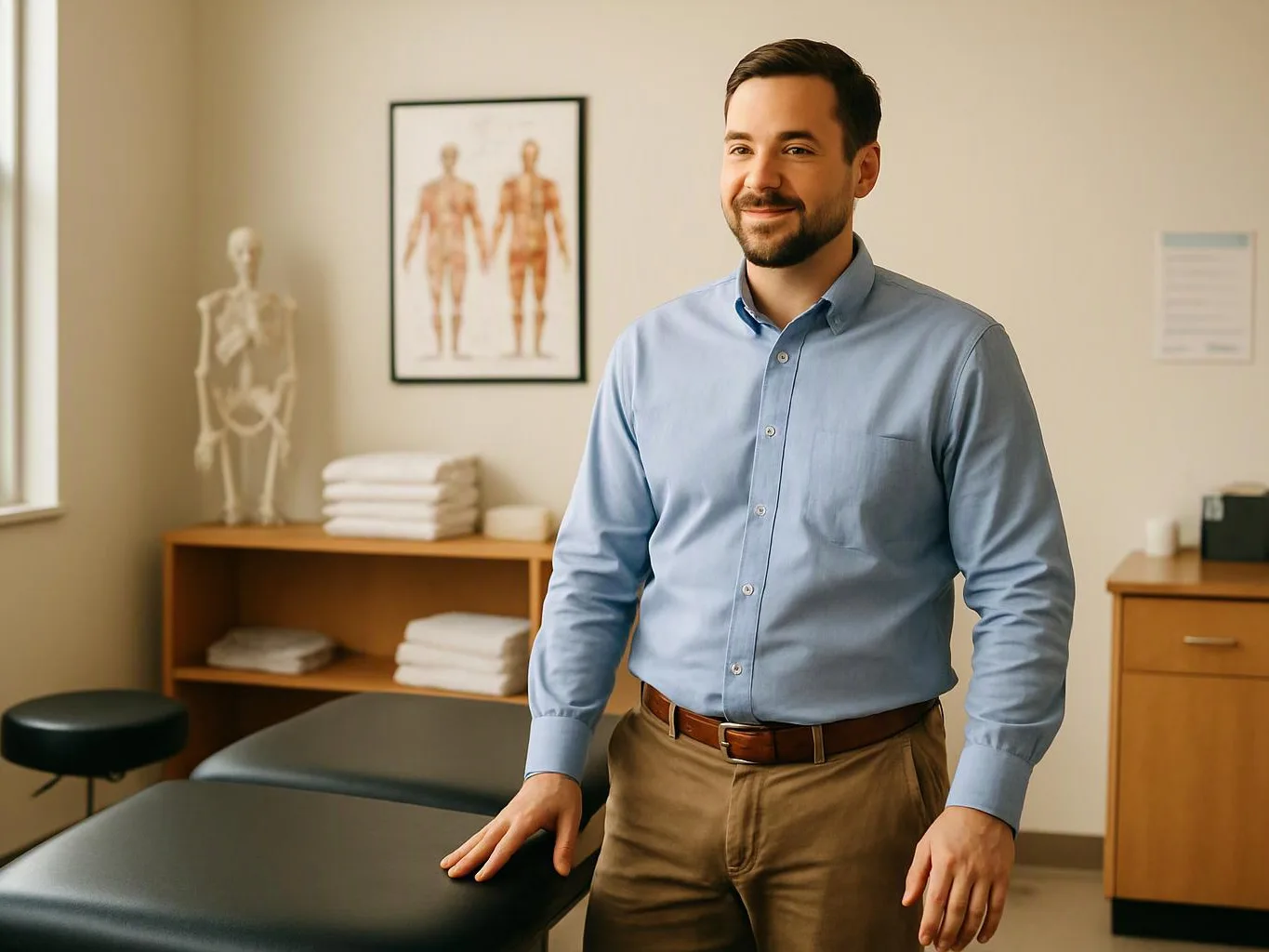
We use an individualized evaluation and explain why each recommended method fits your findings. A licensed chiropractor provides the care, and clear explanations guide your next choice.

Movement patterns before treatment

The assessment considers rounded shoulders, pelvic tilt, shoulder mobility, and gait patterns together. That wider view helps separate a posture concern from a problem that needs another type of care.

A clear limit on posture care

Posture correction is the wrong starting point when symptoms suggest a serious injury or another condition outside chiropractic care. We discuss those warning signs before treatment proceeds.

Process

How we build a posture care plan

1

Review your health history

The new patient intake covers symptoms, past injuries, current concerns, and your goals for care.

2

Check posture and movement

We assess alignment, shoulder mobility, pelvic motion, gait patterns, and joint function during the evaluation.

3

Explain the findings

Our team gives a clear report of findings and discusses which concerns relate to posture, mobility, or another issue.

4

Set the care plan

Treatment may include spinal adjustments, soft tissue therapy, therapeutic exercises, posture guidance, or rehabilitation support.

5

Review movement progress

Follow-up care checks how movement and symptoms respond, then adjusts the plan when the findings support a change.

What posture care includes for your movement goals

Advanced Injury Care Clinic provides comprehensive Posture Correction in Green Hill. Here's what you get:

  • A new patient intake covers your health history, symptoms, and care goals.
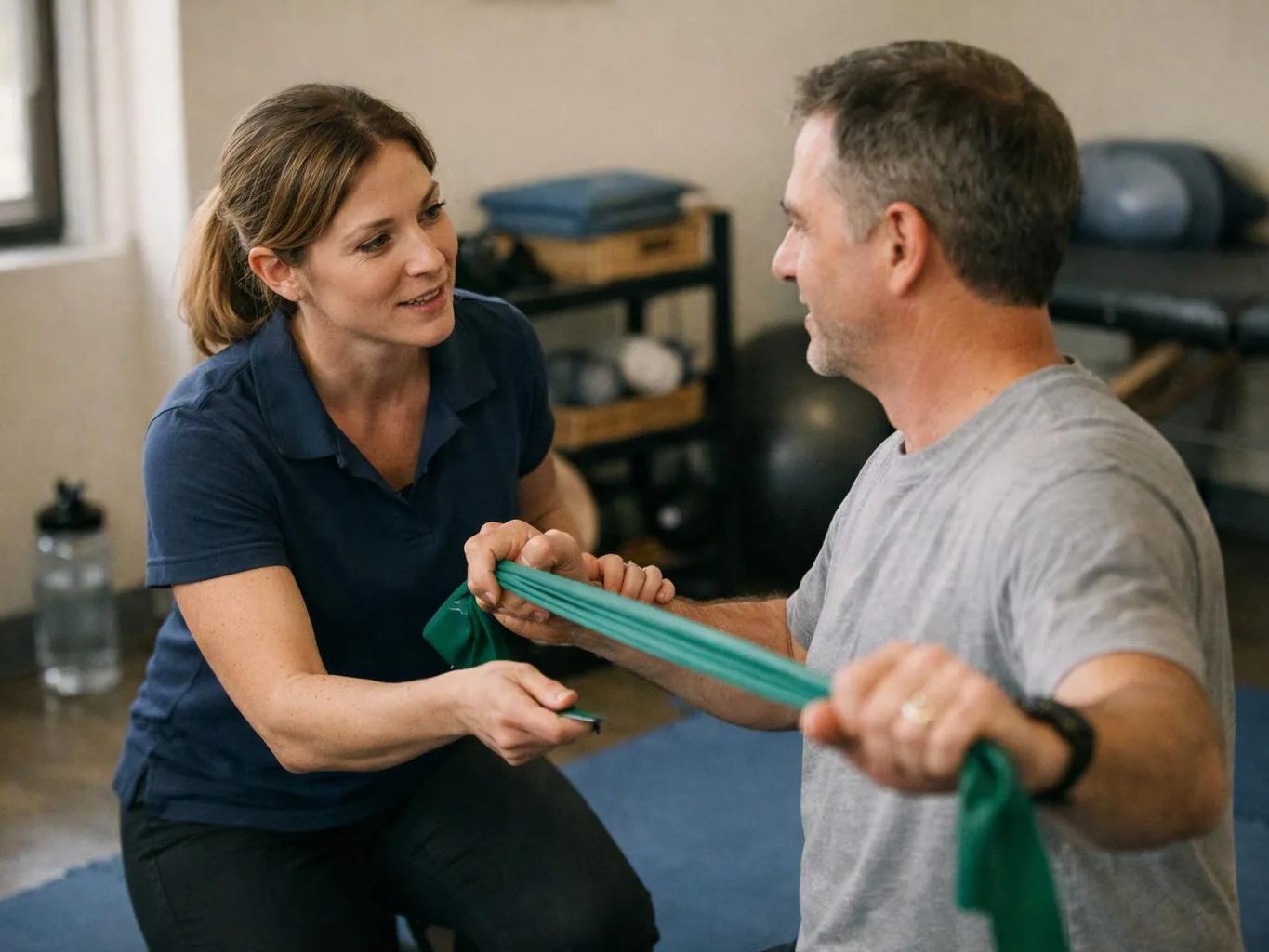
  • An individualized evaluation checks posture, joint motion, shoulder mobility, and movement control.
  • Posture guidance explains sitting, standing, and movement habits linked to your concerns.
  • Spinal adjustments may support joint motion when they fit the findings.
  • Soft tissue therapy may address muscle tension that affects movement.
  • Therapeutic exercises and rehabilitation support help you practice better movement between visits.

Choosing the right focus for your movement concern

These options describe different care focuses that may be considered after an evaluation.

Care focusWhat it examinesWhen it may fit
Posture and movement careAlignment, mobility, muscle control, and gaitRounded shoulders, uneven hips, or movement habits
Pain-focused chiropractic carePain location, joint motion, and related symptomsBack pain, neck pain, headaches, whiplash, or other musculoskeletal concerns
Rehabilitation supportStrength, control, mobility, and daily movementRecovery needs that call for guided exercises and progress review

The Advanced Injury Care Clinic Standard

  • Assess Patient Condition
  • Tailored Care Plans
  • Clear Treatment Explanations
  • Monitor Patient Progress

Questions about posture and movement care

What happens at each stage of posture correction?

The process moves from health history to movement assessment, findings, treatment planning, and follow-up.

  1. The intake records symptoms and goals.
  2. The exam checks posture, mobility, and gait.
  3. The report explains the findings.
  4. The plan selects suitable care methods.
  5. Follow-up reviews movement and symptoms.

Our team keeps each step tied to your stated goals.

What does the clinician look at first during posture care?

The first assessment reviews your health history and the movement limits linked to your concern. We then check shoulder mobility, pelvic motion, spinal movement, and gait patterns. Your symptoms and injury history help shape the exam. The findings guide care, so posture alone doesn't decide whether treatment is suitable.

What should be checked before posture care is scheduled?

A health history and symptom review should be checked before posture care is scheduled. Bring information about past injuries, current treatment, and symptoms that affect walking, sitting, or arm movement. We use that discussion to decide whether an evaluation is appropriate and whether another medical assessment should come first.

Which exercises may support better posture between visits?

Therapeutic exercises may support shoulder mobility, trunk control, and movement awareness between visits. We choose exercises after checking your strength, joint motion, symptoms, and goals. The plan may include posture guidance for sitting or standing. Follow the instructions given for your findings, since the same exercise doesn't fit every person.

Why might posture concerns continue after treatment starts?

Posture concerns may continue when daily habits, limited mobility, muscle control, or an underlying injury still affect movement. We review how you sit, stand, walk, and work, then compare those patterns with the exam findings. Follow-up care helps decide whether the plan needs more exercise, different guidance, or another assessment.

How does a free consultation help decide if posture care fits?

A free consultation gives you a chance to discuss symptoms, goals, and the type of assessment needed. We review health history and explain how posture care relates to your concern. The visit helps identify suitable next steps without promising a specific outcome. Individual results vary with the cause and response to care.
Contact

Discuss posture care in Green Hill

Contact Advanced Injury Care Clinic to discuss rounded shoulders, uneven hips, or related movement concerns. During the first days after reaching out, we can review your goals, arrange a free consultation, and explain what the evaluation covers.

A woman takes notes while talking with a man in a quiet room with a glass of water on a side table

The health and wellness information on this website is for general informational purposes only and is not medical advice. It does not create a provider-patient relationship. Always consult a qualified licensed provider in Hermitage, Tennessee, United States about your specific condition before making care decisions. Individual results vary.

(615) 265-0412