Skip to content

Posture Correction in Ridgetop, Tennessee

Core weakness is assessed before posture work begins in Ridgetop. We check movement patterns and build care around your findings.

Upfront, Transparent PricingServing 18 CommunitiesMon-Fri: 9 am–7 pm, Sat: 9 am–2 pm, Sun: ClosedFast Scheduling

Quick Summary: Posture correction in Ridgetop, Tennessee

Posture Correction in Ridgetop is provided by Advanced Injury Care Clinic for rounded shoulders, uneven hips, core weakness, and related movement concerns. Care includes an individualized evaluation, posture guidance, therapeutic exercises, and rehabilitation support across the Hermitage area and nearby Middle Tennessee communities.

  • What we do: Advanced Injury Care Clinic provides Posture Correction for patients in Ridgetop, Tennessee, using evaluation, posture guidance, therapeutic exercises, and rehabilitation support.
  • What is included: The service reviews posture, spinal alignment, shoulder mobility, pelvic position, gait patterns, and related musculoskeletal symptoms.
  • What you get: Posture Correction gives the customer a clearer care plan for improving movement, balance, and daily comfort.

Can posture correction address rounded shoulders and uneven hips?

Yes, posture correction can address rounded shoulders and uneven hips when an evaluation links them to movement patterns, muscle balance, or core weakness. The assessment checks shoulder mobility, pelvic position, gait patterns, and related pain. Care may include spinal adjustments, soft tissue therapy, therapeutic exercises, and posture guidance. Individual response differs, so findings guide the treatment plan.

Posture Correction in Ridgetop, Tennessee for Uneven Movement

Posture correction helps people who notice rounded shoulders, uneven hips, poor balance, or strain during daily movement. The work starts with an individualized evaluation, not a preset exercise list.

Our team checks shoulder mobility, pelvic tilt, gait patterns, spinal movement, and symptoms such as back pain or neck pain. These findings help decide whether posture guidance belongs in a broader chiropractic care plan.

This service suits people who want a clearer plan for movement habits and body control. It isn't the right stand-alone answer for every symptom, especially when severe or unexplained symptoms need medical assessment first.

  • Ask how rounded shoulders and uneven hips affect daily movement.
  • Review shoulder mobility, pelvic position, gait patterns, and related pain.
  • Discuss whether posture guidance fits the wider care plan.
  • Choose exercises and hands-on care that match the evaluation.
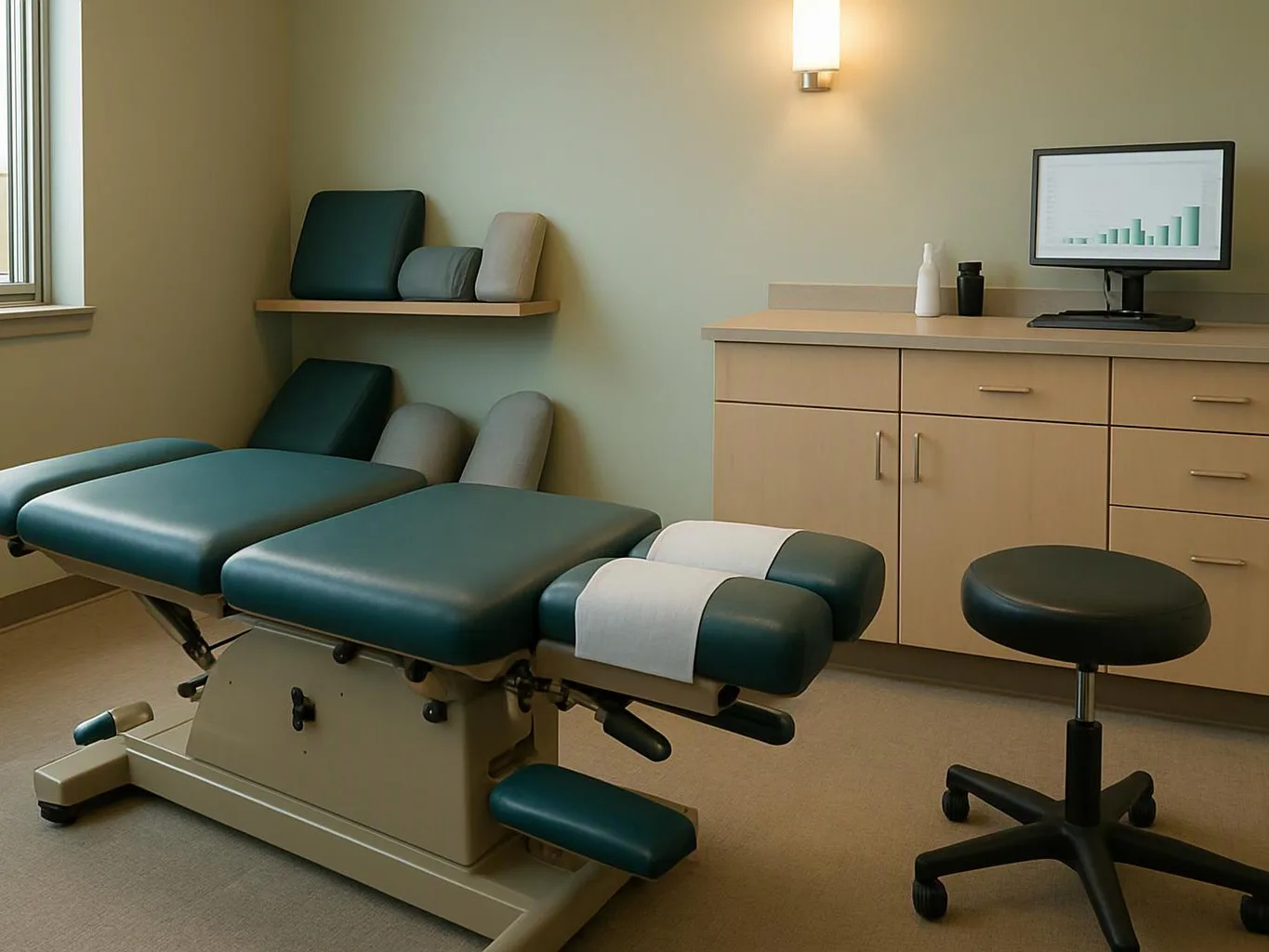
A chiropractic exam room shows an adjustable treatment table, cabinets, wall shelves, and a monitor with a bar chart

Service Overview

Posture correction is a care process that assesses alignment and movement, then supports better control through treatment and exercise.

  • Posture correction focuses on movement habits and body mechanics, while injury care addresses the pain or tissue problem that may limit those movements.
  • Advanced Injury Care Clinic provides this care for patients in Ridgetop through its Hermitage clinic and nearby Middle Tennessee coverage area.

What Better Posture Support Can Change

A clear assessment can show whether rounded shoulders relate to limited shoulder mobility or another movement issue.

Exercise guidance gives you practical steps for building better control during daily activity.

Reviewing pelvic tilt and gait patterns can make the care plan more specific.

Posture work may support better mobility and focused lasting comfort when it fits your findings.

Regular maintenance can help you keep practicing useful movement habits after active care.

Process

How We Assess and Treat Posture Concerns

1

Review Your Health History

The new patient intake covers symptoms, injury history, daily activity, and your main movement concern.

2

Check Posture and Movement

We assess shoulder mobility, pelvic position, gait patterns, spinal movement, and areas linked to pain or stiffness.

3

Explain the Findings

The report of findings connects the exam to your symptoms and explains which care options fit.

4

Build the Care Plan

The plan may include spinal adjustments, soft tissue therapy, posture guidance, therapeutic exercises, and rehabilitation support.

5

Review Your Progress

Follow-up checks help us discuss changes in movement, comfort, and daily function as care continues.

A client scenario this service addresses

A person in Ridgetop may notice one shoulder sits higher, one hip feels uneven, or clothing hangs differently. We assess posture during standing and movement, then check shoulder mobility, pelvic position, gait patterns, and symptoms. The result guides a personalized care plan, not a diagnosis based on appearance alone.

Why This Posture Care Fits a Personalized Treatment Plan

Findings guide the treatment choice

The evaluation checks movement before we choose adjustments, soft tissue therapy, or exercises. Licensed chiropractor credentials are prominently displayed. Severe or unexplained symptoms may require medical assessment beyond posture care.

Uneven hips get a wider review

Pelvic position is considered alongside gait patterns and shoulder movement. That wider view helps us avoid treating one visible sign without checking how the body moves as a whole.

You receive clear care explanations

We explain the diagnosis and care choices in plain language. You can ask how each treatment supports your stated mobility or comfort goal.

What Posture Correction Includes for Your Movement Goals

Advanced Injury Care Clinic provides comprehensive Posture Correction in Ridgetop. Here's what you get:

  • An individualized evaluation reviews posture, movement, and musculoskeletal symptoms.
  • Posture guidance explains how daily positions may affect comfort and function.
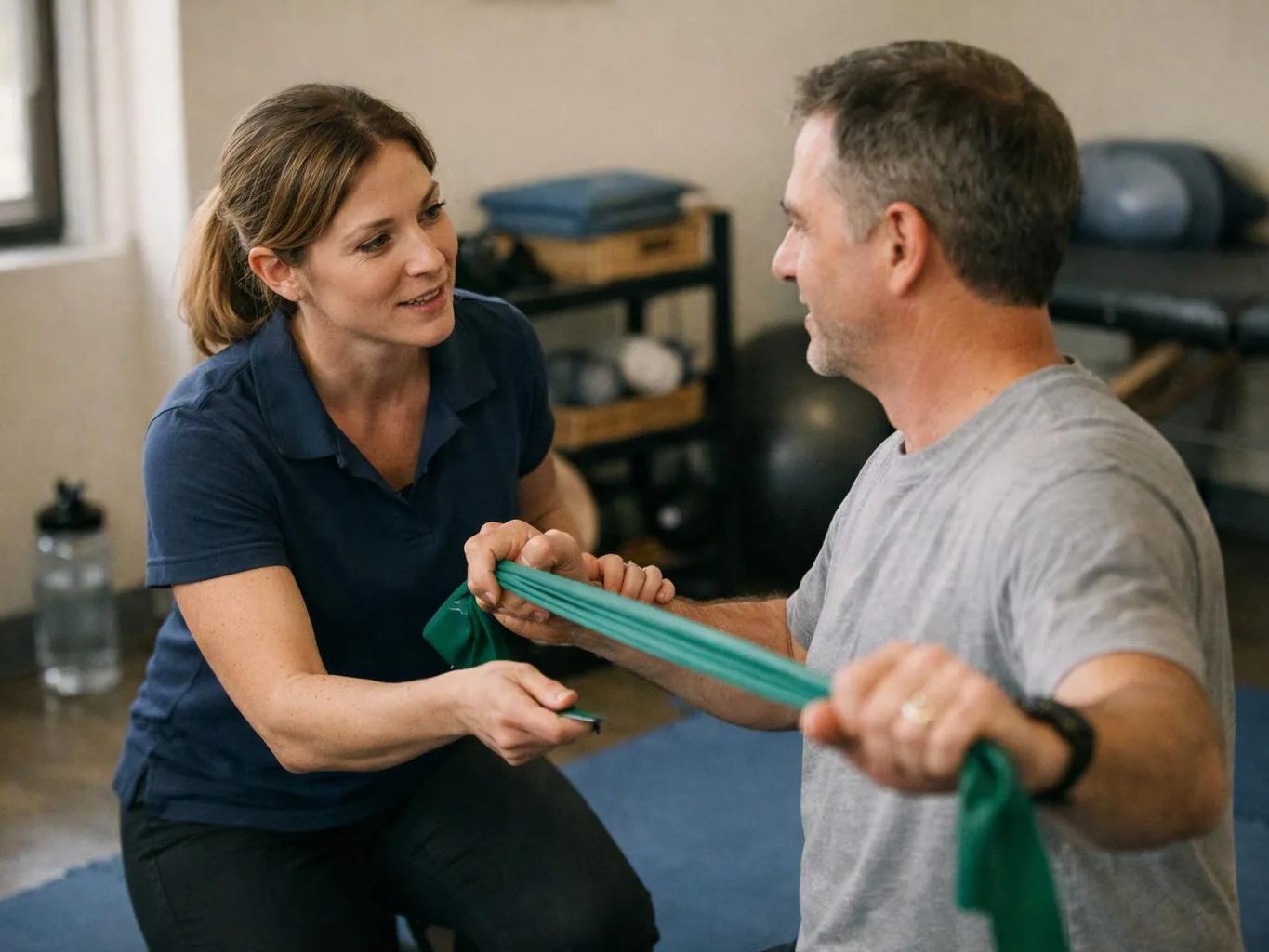
  • Therapeutic exercises support shoulder mobility, body control, and movement habits.
  • Soft tissue therapy may address tight areas that affect posture.
  • Spinal adjustments may be included when they fit the evaluation and care plan.
  • Rehabilitation support helps connect clinic care with practical daily movement.

Posture Guidance and Related Chiropractic Care

These options address different parts of movement and discomfort, so the evaluation helps decide which belongs in your plan.

Care focusWhat it addressesHow we decide
Posture guidanceMovement habits, alignment, and body controlPosture findings and daily activity goals
Spinal adjustmentsJoint movement and spinal mobilityExam findings and treatment suitability
Therapeutic exercisesStrength, mobility, and movement practiceYour movement limits and care goals

The Advanced Injury Care Clinic Standard

  • Assess Patient Condition
  • Tailored Care Plans
  • Clear Treatment Explanations
  • Monitor Patient Progress

Questions About Posture and Movement Care

How is posture correction matched to my body before treatment starts?

The evaluation matches posture care to your health history, symptoms, movement, and daily goals. We review the new patient intake, observe posture, and test relevant motion. The report of findings then explains which methods fit. That process helps separate a useful posture goal from a concern that needs another type of medical assessment.

Which condition on my body changes the time needed for posture care?

The condition that most changes the care plan is the movement limit found during the exam. Pain, restricted shoulder mobility, pelvic imbalance, gait changes, and injury history can each affect the work involved. We discuss the findings before care begins, so you understand which areas need attention and why.

What should be ready before posture care starts?

Your symptom history, injury details, daily movement concerns, and current treatment information should be ready before the first visit. Bring questions about rounded shoulders, uneven hips, or pain patterns. The new patient intake and health history help us connect those details to the physical exam.

When should I ask about posture support after an injury?

Posture support is worth discussing when an injury changes how you stand, walk, sit, or move a shoulder. We review the injury history and examine the affected movement before selecting care. Severe or unexplained symptoms may need medical assessment beyond chiropractic treatment.

Why might exercises be part of a posture care plan?

Therapeutic exercises help you practice the movement control that hands-on treatment alone cannot build. We choose exercises after checking mobility, strength, pelvic position, and gait patterns. The plan may also include posture guidance so daily habits support the work done in the clinic.
Contact

Start a Posture Conversation in Ridgetop

Advanced Injury Care Clinic begins with a consultation about your posture concerns, movement goals, and relevant symptoms. Request a free consultation so we can discuss the right first assessment for you.

Folded fabric bands and a round black cushion sit on a wooden table, with one band labeled “ALIGN”

ZIP Codes We Serve in Ridgetop, Tennessee

37152

The health and wellness information on this website is for general informational purposes only and is not medical advice. It does not create a provider-patient relationship. Always consult a qualified licensed provider in Hermitage, Tennessee, United States about your specific condition before making care decisions. Individual results vary.

(615) 265-0412