Skip to content

Posture Correction in La Vergne, Tennessee

Spinal alignment helps guide posture correction decisions in La Vergne. We assess movement, muscle balance, and daily strain before planning care.

Upfront, Transparent PricingServing 18 CommunitiesMon-Fri: 9 am–7 pm, Sat: 9 am–2 pm, Sun: ClosedFast Scheduling

Quick Summary: Posture correction in La Vergne, Tennessee

Posture correction in La Vergne is provided by Advanced Injury Care Clinic for people managing neck strain, back pain, or reduced mobility. Care includes an individualized evaluation and an evidence-informed plan that may use spinal adjustments, exercises, and posture guidance.

  • What we do: Advanced Injury Care Clinic provides Posture Correction for La Vergne, Tennessee, with assessment, spinal adjustments, posture guidance, and rehabilitation support.
  • What is included: Individualized evaluation, postural assessment, soft tissue therapy, therapeutic exercises, spinal adjustments, and clear care explanations.
  • What you get: Posture correction gives the customer a clearer care plan for better movement and less daily strain.

Why does daily neck and back strain keep returning in La Vergne?

Spinal alignment may help relieve daily neck and back strain when posture habits, muscle imbalance, or forward head posture add repeated stress. A clinical evaluation checks movement and symptoms before care is planned.

Posture Correction in La Vergne for Daily Neck and Back Strain

Posture correction focuses on how your head, shoulders, spine, and hips move during daily tasks. The work fits people who notice neck tension, back strain, headaches, or reduced mobility after sitting, driving, work, sports, or an injury.

The main decision is whether posture habits contribute to your symptoms. A postural assessment can review forward head position, muscle imbalance, joint motion, and painful movements. The plan may include spinal adjustments, soft tissue therapy, therapeutic exercises, and ergonomic training.

This service supports function, but it doesn't replace care for every medical problem. Severe symptoms, major trauma, or signs of a serious condition need medical attention. Individual response differs, so we explain what the findings support before treatment begins.

  • Ask whether posture habits add to your neck or back strain.
  • Bring details about work, driving, exercise, and past injuries.
  • Discuss headaches, whiplash, shoulder pain, or reduced mobility.
  • Review the care plan before treatment starts.
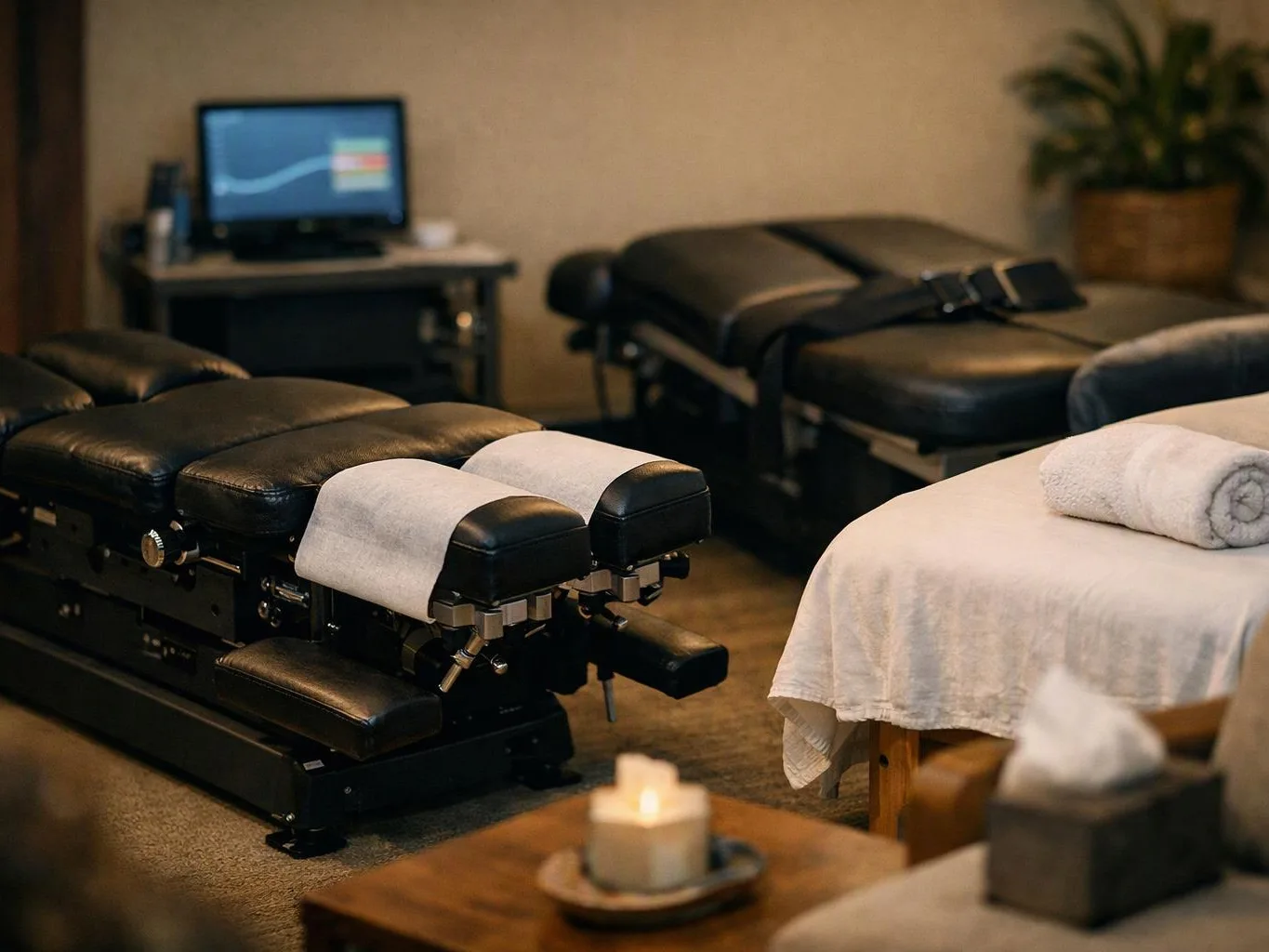
A woman stands beside a massage table, arranging a rolled towel in a calm treatment room

Service Overview

Posture correction is a care approach that checks body position and movement to reduce repeated strain.

  • Posture guidance focuses on movement habits and body control, while injury care may also address whiplash, joint pain, or tissue irritation.
  • Advanced Injury Care Clinic provides posture correction for patients in La Vergne through individualized evaluations and care plans.

What Posture Correction Includes for Your Daily Strain

Advanced Injury Care Clinic provides comprehensive Posture Correction in La Vergne. Here's what you get:

  • An individualized evaluation reviews your health history, posture, movement, and symptoms.
  • A postural assessment checks forward head position, muscle imbalance, and joint motion.
  • Spinal adjustments may support movement when the examination shows they fit your needs.
  • Soft tissue therapy may address tight or irritated muscles around the neck, shoulders, and back.
  • Therapeutic exercises help you practice safer movement and support better mobility.
  • Posture guidance connects treatment with work, driving, exercise, and other daily activities.

What Better Posture Support Can Change

Posture guidance may reduce repeated strain from sitting, standing, or driving.

Therapeutic exercises give you active ways to support neck and back movement.

A clear care explanation helps you understand why a treatment is being considered.

Regular maintenance may help you keep useful movement habits after active care.

Care can address posture concerns alongside back pain, neck pain, headaches, or whiplash.

Process

How We Build a Posture Correction Care Plan

1

Review your health history

The new patient intake covers symptoms, injuries, work habits, activity, and goals. This information helps frame the examination.

2

Check posture and movement

The health history and exam assess spinal motion, forward head position, muscle imbalance, and movements that bring on strain.

3

Explain the examination findings

We discuss what may contribute to your symptoms and answer questions about care. Clear explanations help you make an informed choice.

4

Apply suitable hands-on care

Spinal adjustments or soft tissue therapy may be used when they fit the examination and your goals.

5

Practice active movement

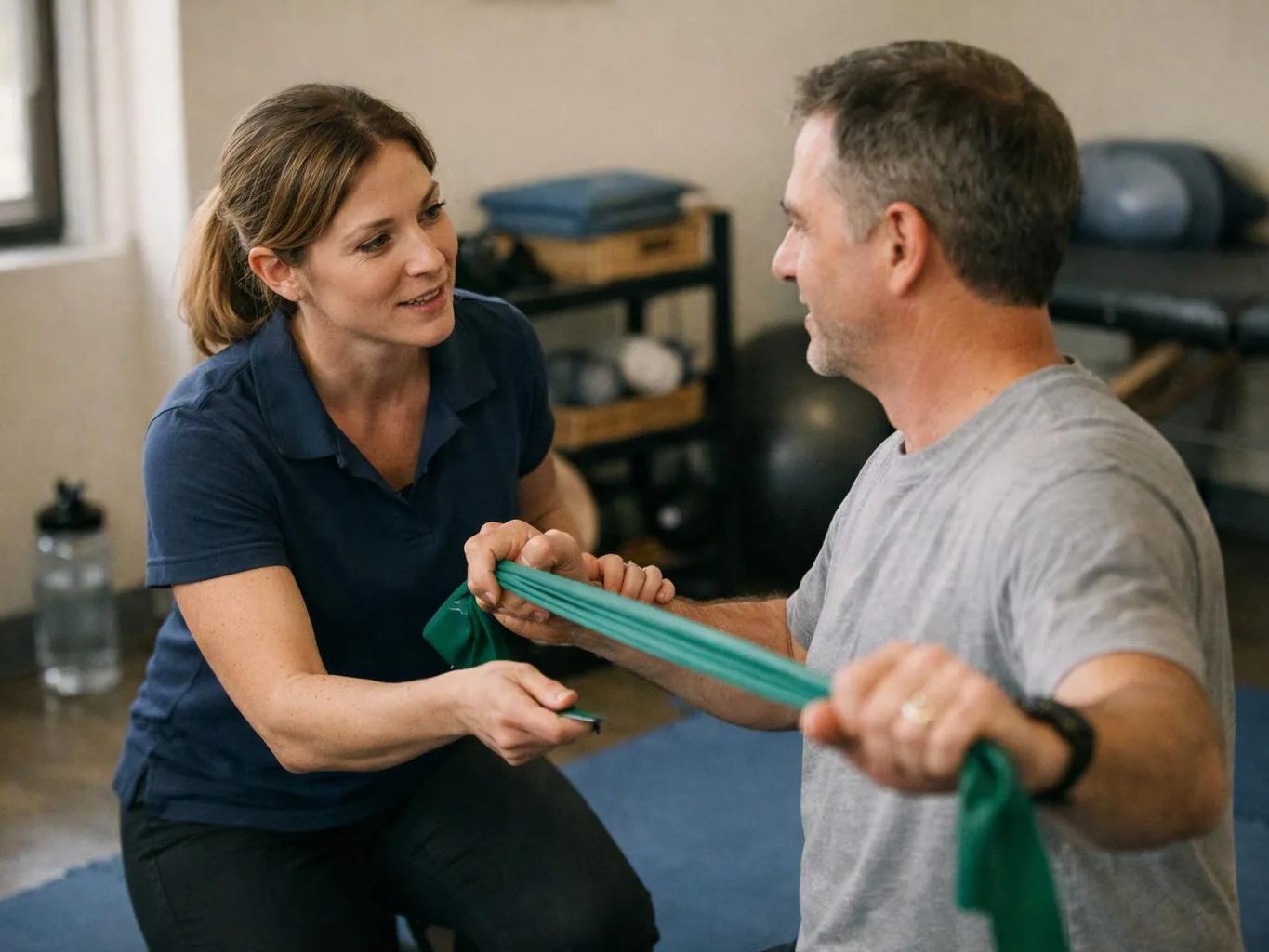
Therapeutic exercises and ergonomic training help connect treatment with work, driving, exercise, and home routines.

6

Review progress and next steps

Follow-up checks look at movement and symptoms. The care plan can be discussed as your needs change.

How We Approach Posture Correction Decisions

Find the pattern behind daily strain

The examination connects symptoms with posture, movement, and muscle balance. We explain the findings in plain language before choosing care.

Match treatment to the examination

Spinal adjustments, soft tissue therapy, and exercises are considered according to your findings and goals. We don't use one plan for every patient.

Know when another evaluation fits

Posture correction is the wrong starting point for severe symptoms, major trauma, or signs of a serious medical problem. We direct those concerns toward appropriate medical care.

The Advanced Injury Care Clinic Standard

  • Assess Patient Condition
  • Tailored Care Plans
  • Clear Treatment Explanations
  • Monitor Patient Progress

Questions About Posture Correction Care

How can spinal alignment help relieve daily neck and back strain?

Advanced Injury Care Clinic may use spinal alignment care to support movement when posture habits add daily neck or back strain. The assessment checks posture, joint motion, and muscle balance first. Care may include spinal adjustments, soft tissue therapy, and therapeutic exercises. Individual response differs, so the plan follows the examination.

What happens during a first posture assessment?

A first posture assessment reviews your health history, symptoms, movement, and daily habits. We check forward head position, muscle balance, and painful motion. The findings guide a discussion about suitable care. X-rays are considered only when clinically indicated, and the plan is explained before treatment.

Which daily habits can add to neck and back strain?

Daily sitting, driving, lifting, and screen use can add to neck and back strain when movement habits stay unchanged. Ergonomic training connects your posture with those tasks. We may suggest exercises or posture changes that fit your goals. The right focus depends on your examination and symptoms.

When should posture concerns receive medical attention?

Severe pain, major trauma, new weakness, loss of balance, or other serious symptoms need medical attention before routine posture care. Our evaluation can help identify whether posture correction fits your concern. Urgent symptoms should be addressed through appropriate medical services without waiting for a routine appointment.

Why do posture-related symptoms return after treatment?

Posture-related symptoms may return when daily movement habits continue to stress the same areas. Exercises and ergonomic training help you practice different movement patterns. Regular maintenance may support those habits, but results vary. Follow-up discussion helps determine whether the plan still fits your needs.

Which part of the assessment decides the care plan?

The examination findings decide which care methods fit your symptoms and movement limits. We consider posture, joint motion, muscle balance, injury history, and your goals. Those findings may support adjustments, soft tissue therapy, exercises, or posture guidance. No single method fits every patient.
Contact

Discuss Posture Correction in La Vergne

Get a clear care plan for daily neck or back strain through an individualized evaluation. Book a free consultation with Advanced Injury Care Clinic to discuss your posture, movement, and goals.

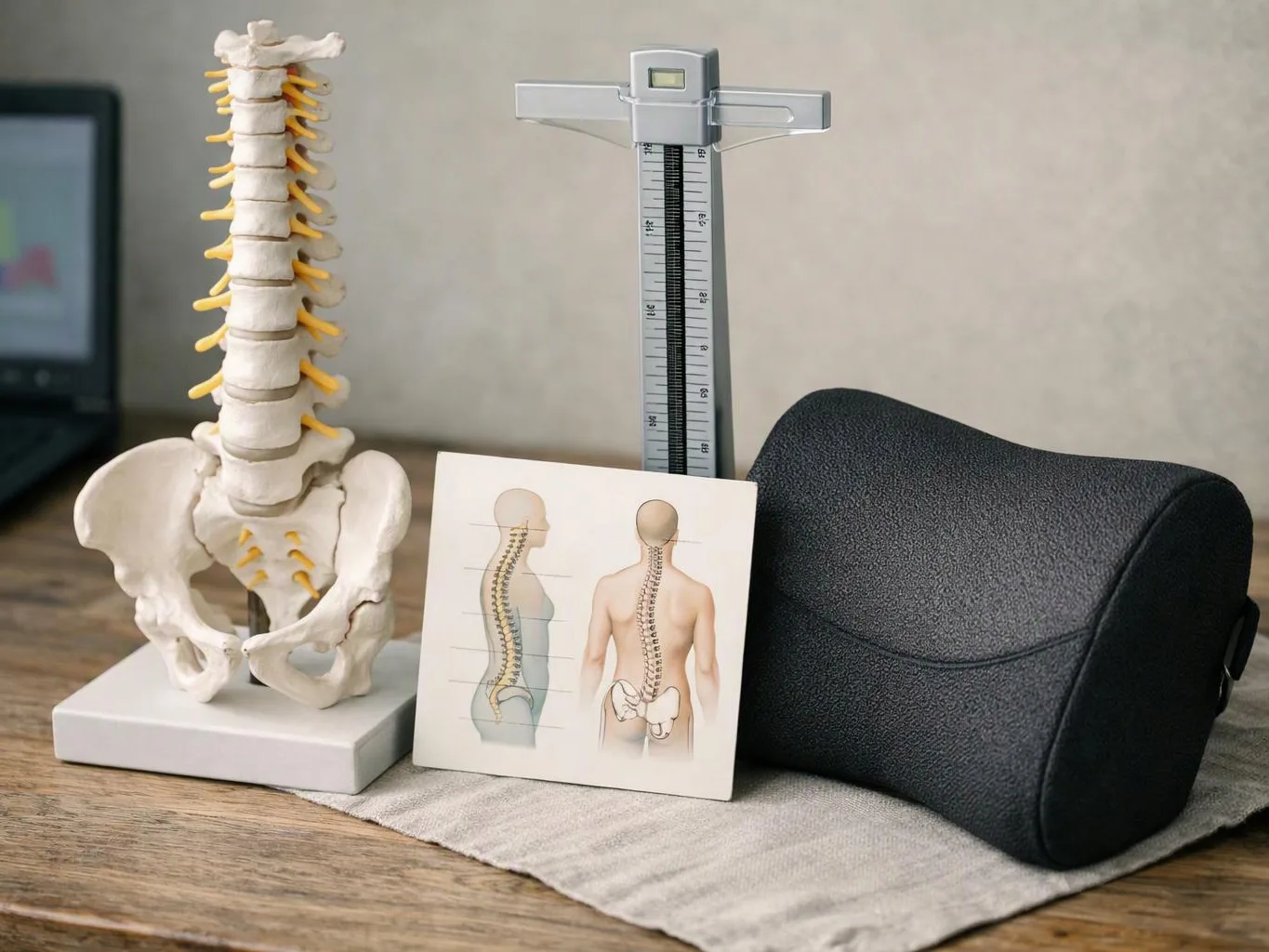
A spine model, height gauge, posture chart, and black cushion sit on a wooden table

ZIP Codes We Serve in La Vergne, Tennessee

3708637089

The health and wellness information on this website is for general informational purposes only and is not medical advice. It does not create a provider-patient relationship. Always consult a qualified licensed provider in Hermitage, Tennessee, United States about your specific condition before making care decisions. Individual results vary.

(615) 265-0412