Skip to content

Spinal Decompression Therapy in La Vergne, Tennessee

Herniated disc care in La Vergne starts with an exam and a clear treatment plan. We explain whether spinal decompression therapy fits your symptoms.

Upfront, Transparent PricingServing 18 CommunitiesMon-Fri: 9 am–7 pm, Sat: 9 am–2 pm, Sun: ClosedFast Scheduling

Quick Summary: Spinal decompression care in La Vergne, Tennessee

Spinal Decompression Therapy in La Vergne is provided by Advanced Injury Care Clinic for disc-related pain, nerve pressure, and reduced mobility. Care includes an individualized evaluation, clear explanations, and a treatment plan that may include spinal decompression therapy and rehabilitation support.

  • What we do: Advanced Injury Care Clinic provides Spinal Decompression Therapy for La Vergne, Tennessee patients with disc-related back pain and nerve pressure.
  • What is included: Individualized evaluations, spinal decompression, soft tissue therapy, therapeutic exercise, posture guidance, and rehabilitation support.
  • What you get: Your visit establishes whether spinal decompression fits your symptoms and sets a clear care plan for better movement and comfort.

Why does pain from a herniated disc keep returning?

Recurring pain can relate to disc pressure, nerve irritation, limited movement, or poor posture. An evaluation helps identify the main concern and guides the treatment plan.

Spinal Decompression Therapy for Herniated Disc Concerns in La Vergne

This page is for people deciding whether traction-based care fits disc pressure and nerve symptoms. Spinal decompression therapy does not suit every condition, so our team starts with an exam before recommending it.

The assessment looks at pain patterns, movement, strength, posture, and signs of nerve compression. Results vary, and the goal is to choose care that supports better mobility without promising a specific outcome. A care plan may also include spinal adjustments, soft tissue therapy, exercise, and posture guidance.

Patients in La Vergne can request an assessment from Advanced Injury Care Clinic. We also serve Hermitage, Mount Juliet, Donelson, Antioch, and Nashville.

  • Discuss where pain travels and how movement affects it.
  • Review health history before traction-based treatment.
  • Check spinal alignment, range of motion, and nerve-related signs.
  • Ask how exercises and posture changes may support care.
  • Confirm when another type of medical evaluation is needed.
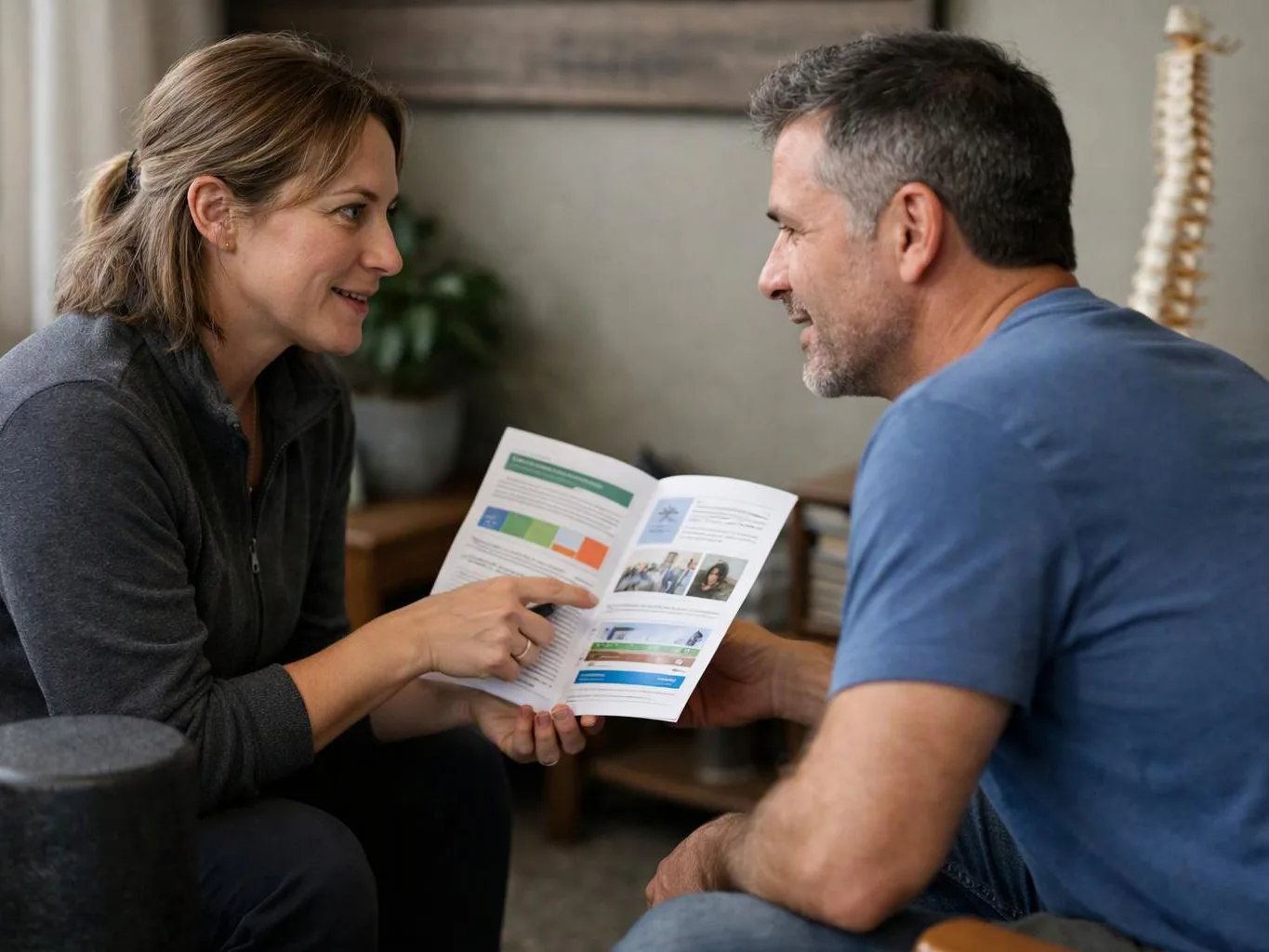
A woman takes notes while speaking with a seated man in a clinic room, with a spine model behind them

Service Overview

Spinal Decompression Therapy is a non-invasive treatment that uses controlled traction to reduce pressure through the spine.

  • Spinal decompression differs from spinal adjustments because it uses a gradual traction force instead of a quick joint movement.
  • Advanced Injury Care Clinic provides this care for patients in La Vergne and nearby Middle Tennessee communities.

What Spinal Decompression Therapy Includes for Your Care

Advanced Injury Care Clinic provides comprehensive Spinal Decompression Therapy in La Vergne. Here's what you get:

  • Your visit includes an individualized health history and physical evaluation.
  • We assess movement, posture, spinal alignment, and symptoms linked to nerve pressure.
  • We explain how traction-based care may fit your condition.
  • Your plan may include spinal decompression therapy and soft tissue therapy.
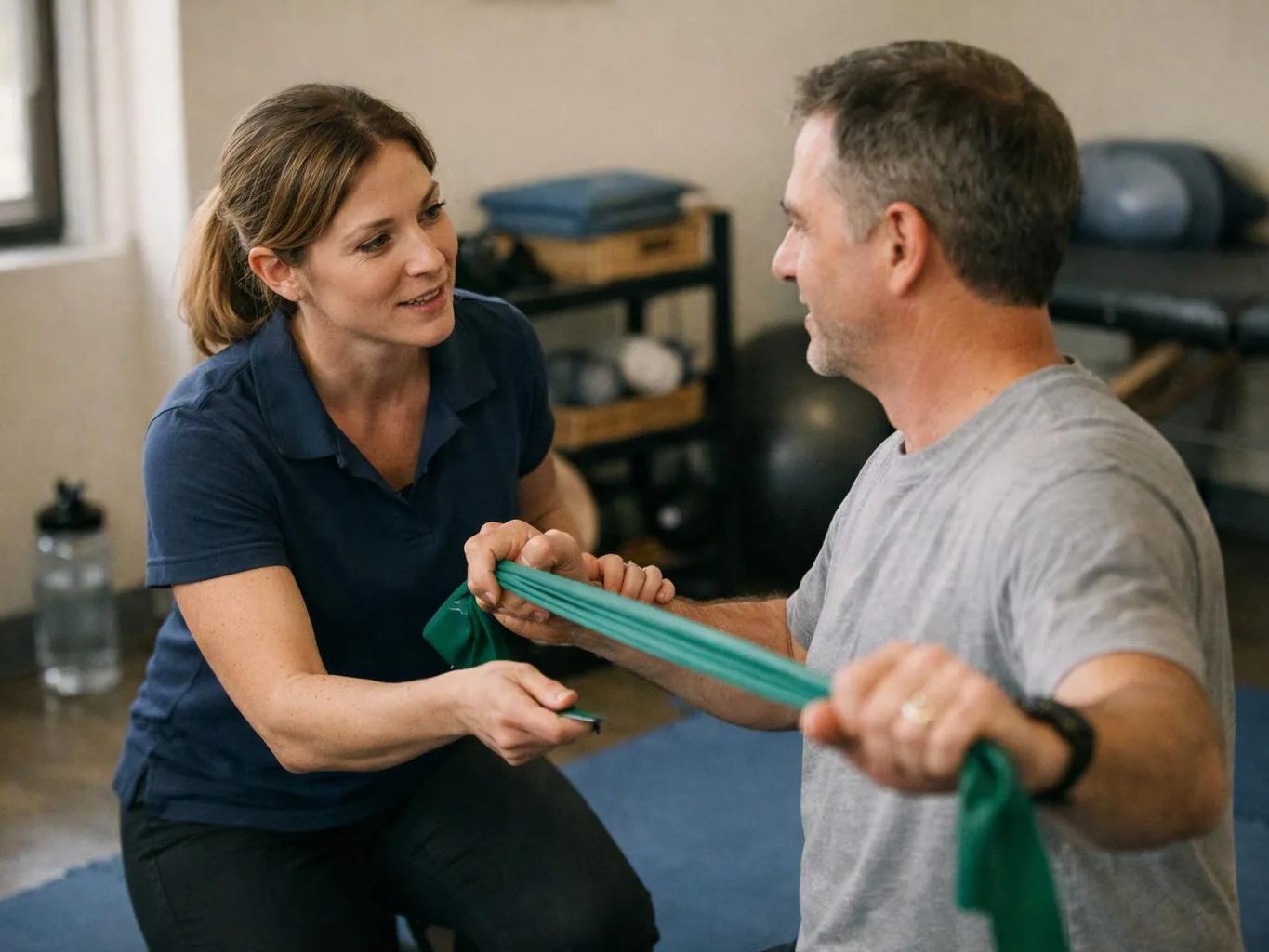
  • Therapeutic exercises and posture guidance may support progress between visits.
  • We review the plan and explain practical next steps in plain language.
Process

How We Plan and Deliver Spinal Decompression Care

1

Review your health history

We discuss symptoms, past injuries, current care, and health concerns that could affect treatment choices.

2

Check movement and nerve signs

The evaluation reviews range of motion, posture, strength, spinal alignment, and patterns that may point to nerve compression.

3

Explain the treatment fit

We explain whether controlled traction belongs in your plan and discuss other chiropractic options when it does not.

4

Apply controlled traction

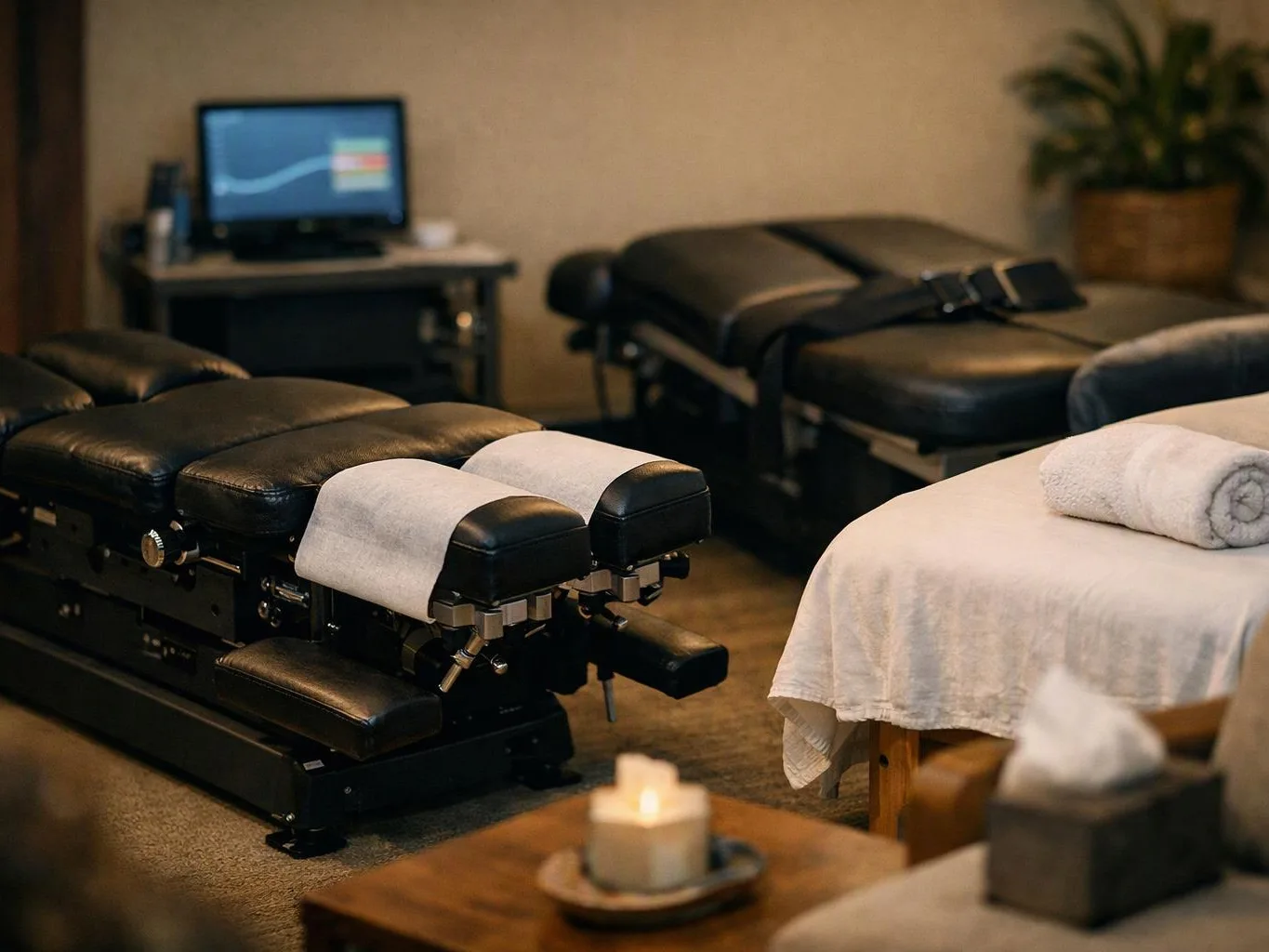
When appropriate, we use a spinal decompression table and monitor comfort during the treatment.

5

Add support between visits

Your plan may include therapeutic exercises, soft tissue therapy, posture guidance, and rehabilitation support.

6

Review progress

We discuss changes in movement and symptoms so the care plan stays tied to your findings and goals.

A client scenario this service addresses

A person in La Vergne may seek care after back pain begins to travel into the leg. We check movement, strength, posture, and nerve-related signs before discussing traction. If the findings do not support spinal decompression, we explain the next care option instead of forcing a poor fit.

How We Approach Disc-Related Spinal Care

Start with a focused assessment

We review symptoms, movement, and health history before choosing treatment. Spinal decompression is the wrong fit when the evaluation points to a condition needing another type of care.

Explain traction in plain language

The team explains how controlled traction differs from an adjustment and what the treatment is meant to address. You can ask questions before care begins.

Build care around your findings

Our licensed chiropractor develops an individualized, evidence-informed treatment plan. The plan may include spinal decompression, soft tissue therapy, exercises, or posture guidance.

What This Care May Change for Daily Movement

Controlled traction may help reduce stress around irritated spinal structures.

A clear assessment helps match treatment to the source of your symptoms.

Exercise and posture guidance can support movement outside the clinic.

Care after an injury can address both current discomfort and movement limits.

Regular maintenance may help some patients protect mobility after active treatment ends.

How Traction-Based Care Differs From Adjustments

Both approaches support chiropractic care, but they use different methods and suit different treatment goals.

Care approachMain methodPlanning focus
Spinal decompression therapyControlled traction through a spinal decompression tableDisc pressure, movement limits, and nerve-related symptoms
Spinal adjustmentA focused joint movement using an appropriate adjustment techniqueJoint motion, spinal alignment, and the findings from the exam
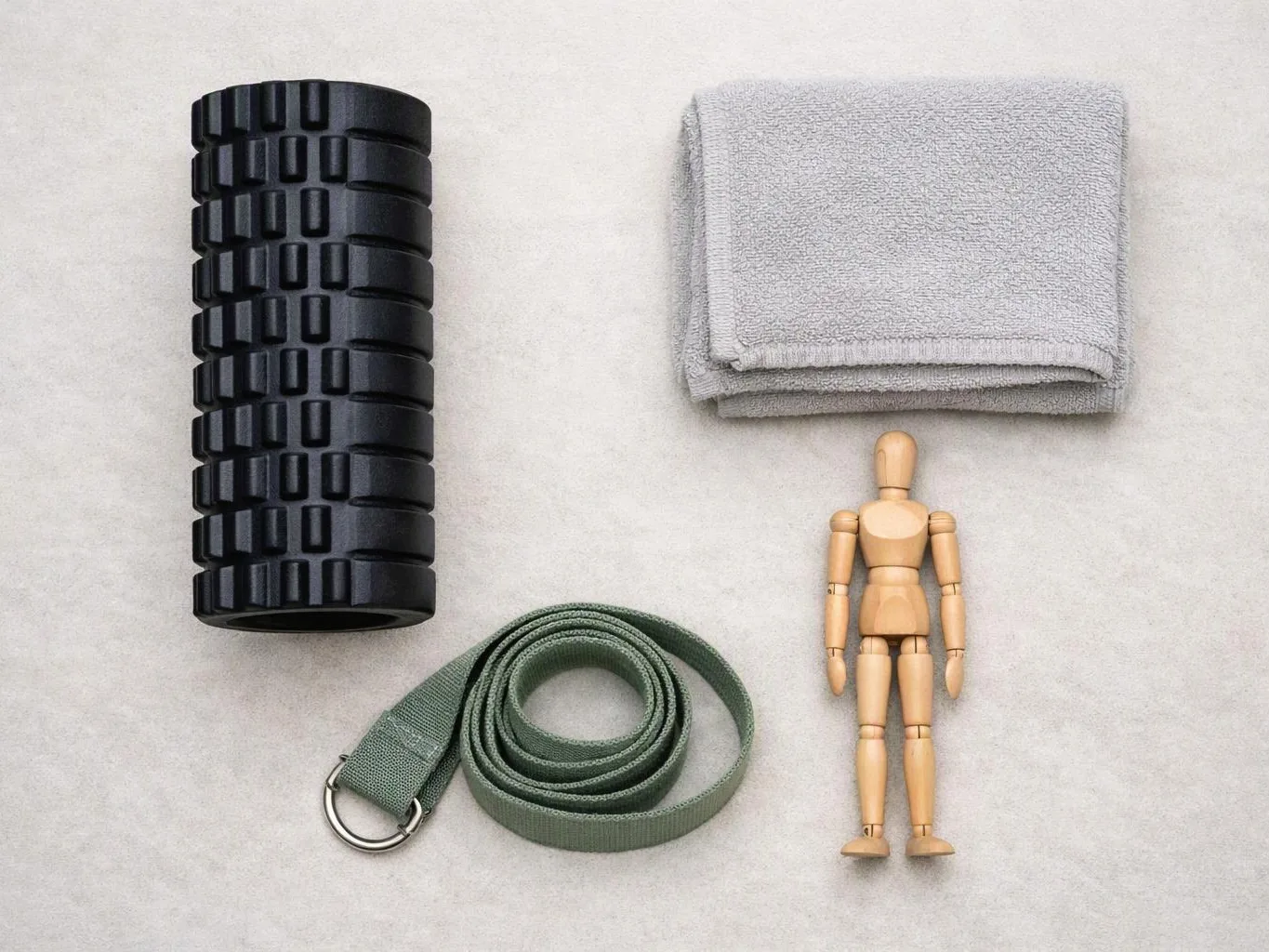
Supportive rehabilitationTherapeutic exercise, posture guidance, and soft tissue therapyMovement habits, strength, and function between visits

The Advanced Injury Care Clinic Standard

  • Assess Patient Condition
  • Tailored Care Plans
  • Clear Treatment Explanations
  • Monitor Patient Progress

Questions About Spinal Decompression Therapy and Disc Care

How can spinal decompression therapy help a herniated disc?

Spinal decompression therapy may reduce pressure around irritated spinal structures through controlled traction. The evaluation checks disc pressure, nerve-related symptoms, movement, and spinal alignment before treatment. Results vary, so the plan may also include exercises, posture guidance, or soft tissue therapy. Advanced Injury Care Clinic explains whether traction fits your findings before care begins.

What does the team look at first during treatment planning?

The first review covers your health history, pain pattern, movement, posture, and signs of nerve compression. Our team also asks what worsens or eases symptoms. Those findings guide the treatment plan and help identify when decompression is not the right service.

What should be checked before spinal decompression is scheduled?

A health history and physical exam should come before scheduling traction-based care. We check movement, strength, spinal alignment, and symptoms that could require another evaluation. Prior medical records or imaging can help when available, but the care decision follows the current assessment.

Who is a good fit for spinal decompression therapy?

People with suitable disc-related symptoms and movement limits may fit spinal decompression therapy after an evaluation. The treatment is not right for every cause of back or leg pain. Our team reviews the findings and recommends another care path when traction does not match the condition.

Which treatment works better for disc-related pain, adjustment or decompression?

The better choice depends on the examination findings, symptom pattern, and treatment goal. Decompression uses controlled traction, while an adjustment uses a focused joint movement. We may include one method or combine care with exercise and soft tissue therapy when the plan supports it.

Why can symptoms return after a treatment visit?

Symptoms can return when movement limits, posture strain, or nerve irritation remains active. A single treatment does not guarantee lasting comfort. We review daily movement and may add therapeutic exercises or posture guidance to support the broader care plan.

What changes the cost of care for disc pressure?

The evaluation findings and services included in the care plan affect the cost. Related treatments, such as soft tissue therapy or rehabilitation support, can also change what the visit includes. We explain the planned care and provide a clear path to request a consultation.
Contact

Discuss Spinal Decompression Therapy in La Vergne

Are disc pressure or nerve symptoms affecting your movement? Contact Advanced Injury Care Clinic to request a free consultation and discuss an individualized care plan.

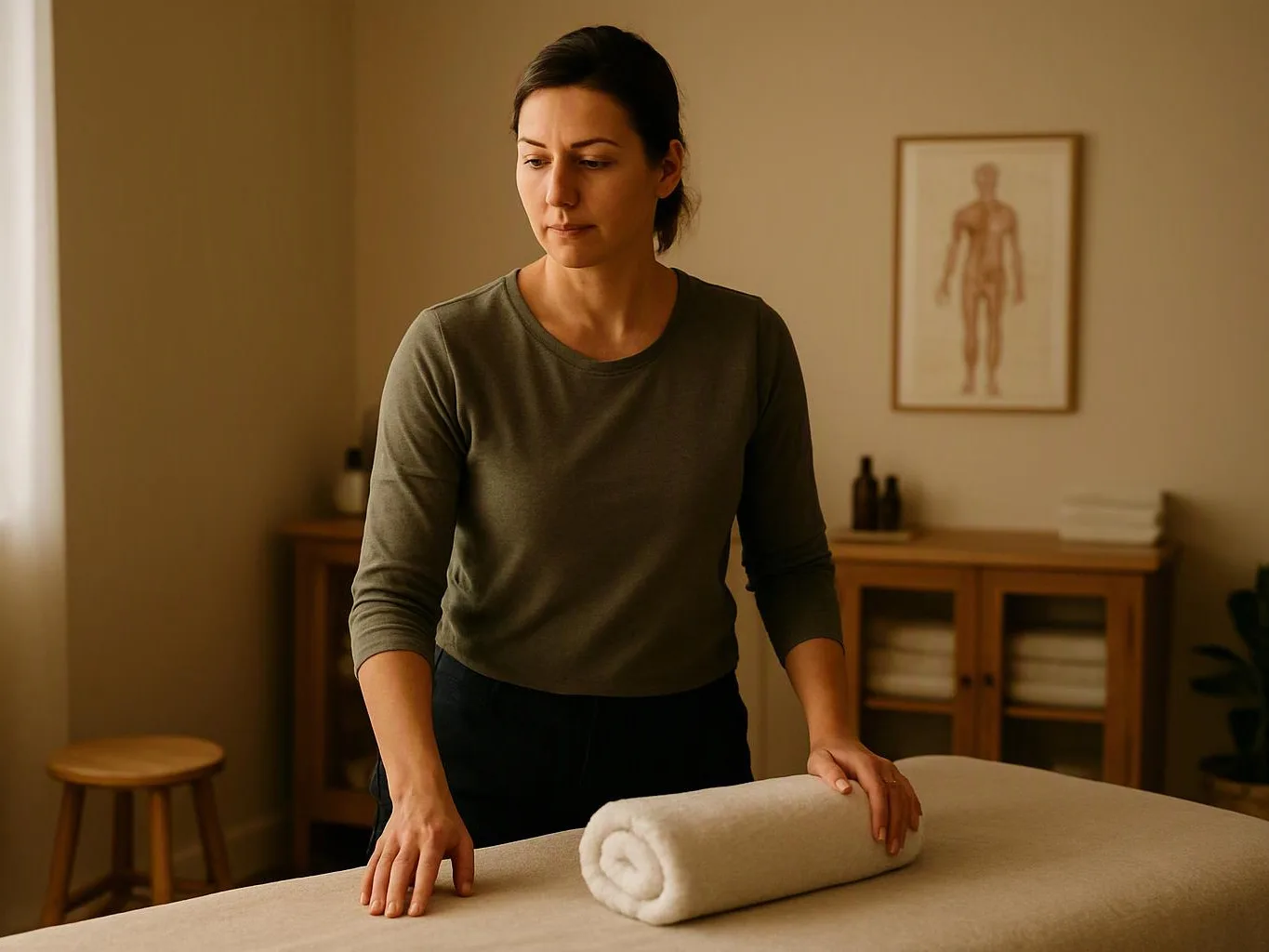
A woman stands beside a massage table, arranging a rolled towel in a calm treatment room

ZIP Codes We Serve in La Vergne, Tennessee

3708637089

Spinal Decompression Therapy in Other Areas

The health and wellness information on this website is for general informational purposes only and is not medical advice. It does not create a provider-patient relationship. Always consult a qualified licensed provider in Hermitage, Tennessee, United States about your specific condition before making care decisions. Individual results vary.

(615) 265-0412