Skip to content

Soft Tissue Therapy in La Vergne, Tennessee

Muscle tension may ease with focused soft tissue therapy in La Vergne. We pair hands-on care with an evaluation and a personalized plan.

Upfront, Transparent PricingServing 18 CommunitiesMon-Fri: 9 am–7 pm, Sat: 9 am–2 pm, Sun: ClosedFast Scheduling

Quick Summary: Soft Tissue Therapy in La Vergne, Tennessee

Soft Tissue Therapy in La Vergne is provided by Advanced Injury Care Clinic for muscle tension, soreness, and restricted movement. Care includes an individualized evaluation and may include soft tissue therapy, spinal adjustments, therapeutic exercises, posture guidance, and rehabilitation support for patients in the area.

  • What we do: Advanced Injury Care Clinic provides Soft Tissue Therapy for patients in La Vergne, Tennessee, as part of personalized chiropractic care.
  • What is included: Key capabilities include an individualized evaluation, hands-on soft tissue work, spinal adjustments, therapeutic exercises, posture guidance, and rehabilitation support.
  • What you get: Patients receive a clearer care plan for improving movement and supporting lasting comfort.

Why does muscle tightness and soreness keep returning after an injury?

Muscle tightness and soreness may return when an injury changes movement or leaves tissue adhesions. An evaluation helps identify the involved areas and guides soft tissue therapy, exercise, posture work, or other chiropractic care.

Soft Tissue Therapy in La Vergne for Muscle Tension

Soft tissue therapy suits patients whose soreness, tightness, or limited motion involves muscles and connective tissue. Our team checks the health history, symptoms, movement, and areas that feel tender before selecting care. The work may support patients recovering from auto accidents, work-related injuries, sports injuries, or ongoing back and neck pain.

Customers need to know what this service can and cannot address. Hands-on treatment may support better mobility, but results vary and individual response differs. Severe or changing symptoms need medical attention, and our evaluation helps decide whether chiropractic care fits the concern. A care plan may also include spinal adjustments, therapeutic exercises, posture guidance, and rehabilitation support.

  • Describe where soreness, tightness, or reduced movement occurs.
  • Share the injury history and any symptoms that affect daily activity.
  • Expect an individualized evaluation before treatment is selected.
  • Ask how soft tissue therapy fits with exercises, posture guidance, or spinal care.
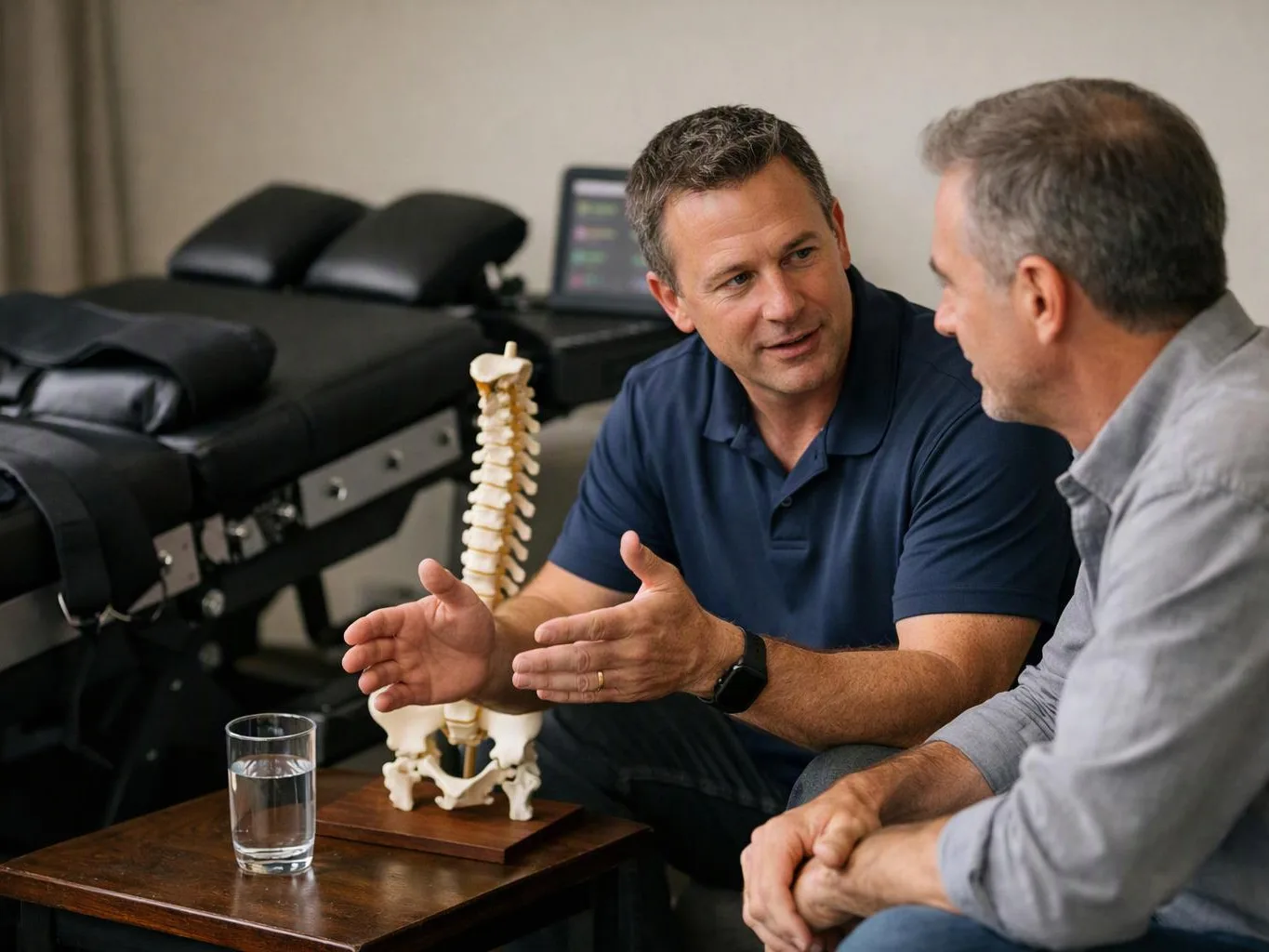
Two men sit in a clinic room, talking beside a spine model, a treatment table, and a glass of water

Service Overview

Soft tissue therapy is a hands-on treatment that works on muscles and other connective tissues to support movement and comfort.

  • This care differs from spinal adjustments because it focuses on muscles, fascia, scar tissue, and tissue adhesions instead of joint movement alone.
  • Advanced Injury Care Clinic provides soft tissue therapy in La Vergne for patients with injury-related soreness, back pain, neck pain, whiplash, and other musculoskeletal concerns.

What This Care May Change for Your Movement

Soft tissue therapy may help reduce soreness and support easier movement.

Focused hands-on care may help you use tight areas with less strain.

A combined plan gives you practical exercises and posture guidance for daily activity.

Care after an injury can help you understand which movements need support.

Regular maintenance may support mobility when your care plan calls for it.

What Hands-On Muscle Care Includes

Advanced Injury Care Clinic provides comprehensive Soft Tissue Therapy in La Vergne. Here's what you get:

  • We review your health history and examine movement before treatment begins.
  • We use hands-on soft tissue therapy to address tense muscles and restricted tissue movement.
  • We explain how massage techniques, scar tissue, circulation, and tissue adhesions relate to your symptoms.
  • We may combine soft tissue work with spinal adjustments when the evaluation supports that approach.
  • We may add therapeutic exercises, posture guidance, or rehabilitation support to your care plan.
  • We explain the next steps and check progress during follow-up visits.

The scope this service is meant to handle

A patient who spends long periods driving or working at a desk may notice tight muscles after an injury. We check movement and symptom patterns, then decide whether hands-on care, exercises, posture guidance, or a different referral fits.

How We Approach Muscle Tension Care

Start with an individualized evaluation

Your symptoms, health history, and movement guide the first care plan. We explain what we find before treatment begins.

Connect hands-on work to movement

Soft tissue therapy addresses muscles and connective tissue, while exercises and posture guidance support how you move between visits.

Know when another form of care fits

This service isn't the right response for every symptom. Severe pain, sudden weakness, or other urgent warning signs need medical assessment, and our team will explain the safest next step.

Review progress with clear explanations

We use plain language to discuss changes in movement, soreness, and function so you can make informed care choices.

Process

How We Plan and Deliver Hands-On Care

1

Review your health history

We discuss the injury, symptoms, daily activity, and goals that shape your visit.

2

Examine movement and tender areas

Our team checks movement and the involved muscles before selecting soft tissue therapy or related care.

3

Explain the care plan

We describe the findings in plain language and outline how hands-on work, spinal adjustments, exercises, or posture guidance may fit.

4

Apply focused tissue work

We use massage techniques that match the area and the findings from your evaluation.

5

Review the next step

We discuss how you feel after care and whether follow-up, rehabilitation support, or regular maintenance fits your goals.

Choosing Hands-On Care Within a Chiropractic Plan

These options address different parts of movement and may be combined when the evaluation supports them.

Care optionMain focusWhen it may fit
Soft tissue therapyMuscles and connective tissueTightness, soreness, tenderness, or restricted tissue movement
Spinal adjustmentsSpinal joint movementBack or neck concerns when the evaluation supports adjustment
Therapeutic exercisesMovement control and daily functionPatients who need active support between visits

The Advanced Injury Care Clinic Standard

  • Assess Patient Condition
  • Tailored Care Plans
  • Clear Treatment Explanations
  • Monitor Patient Progress

Questions About Muscle Tightness and Hands-On Care

How can soft tissue therapy reduce muscle tightness and soreness?

Muscle tightness and soreness may ease when hands-on therapy improves tissue movement and supports circulation. Advanced Injury Care Clinic first checks movement, tenderness, and injury history. The plan may include massage techniques, exercises, posture guidance, or spinal adjustments. Individual response differs, so follow-up findings guide the next step.

What does the first visit include after an auto accident?

The first visit includes a health history, physical evaluation, and an explanation of possible care. Patients describe the collision, symptoms, and changes in movement. Our team may discuss soft tissue therapy, spinal adjustments, therapeutic exercises, and rehabilitation support. X-rays are considered only when clinically indicated.

Which part of the body decides the scope of hands-on care?

The affected muscles, nearby connective tissue, movement limits, and symptom pattern help decide the scope of care. A sore neck may need a different plan than a painful lower back or shoulder. We examine the area and review your history before choosing techniques or adding exercises.

Which material changes how long hands-on care takes?

Scar tissue and tissue adhesions can change how the body responds to hands-on care. The evaluation helps us judge tissue movement, tenderness, and the need for related treatment. We don't promise a fixed duration because each care plan reflects the symptoms and findings from the visit.

When should I ask about soft tissue care for whiplash?

Whiplash symptoms deserve an evaluation when neck pain, stiffness, headaches, or reduced movement follow a collision. We review the injury history and check movement before choosing care. Sudden weakness, severe symptoms, or other urgent warning signs need medical attention before routine chiropractic treatment.

Why might exercises be added to hands-on treatment?

Therapeutic exercises may be added when movement or strength needs support between visits. Hands-on care addresses tissue, while exercises help you practice controlled movement. Our team explains each exercise and connects it to the findings from your evaluation and your daily activities.

How does a visit move from the first call to the last step?

The visit moves from consultation and health history to evaluation, treatment planning, hands-on care, and follow-up review. Patients discuss symptoms and goals first. We then explain whether soft tissue therapy, spinal care, exercises, posture guidance, or rehabilitation support fits the findings.

Contact

Discuss Soft Tissue Therapy in La Vergne

A consultation gives you a clear assessment of tightness, soreness, and movement concerns. Contact Advanced Injury Care Clinic to request a free consultation and discuss a personalized care plan.

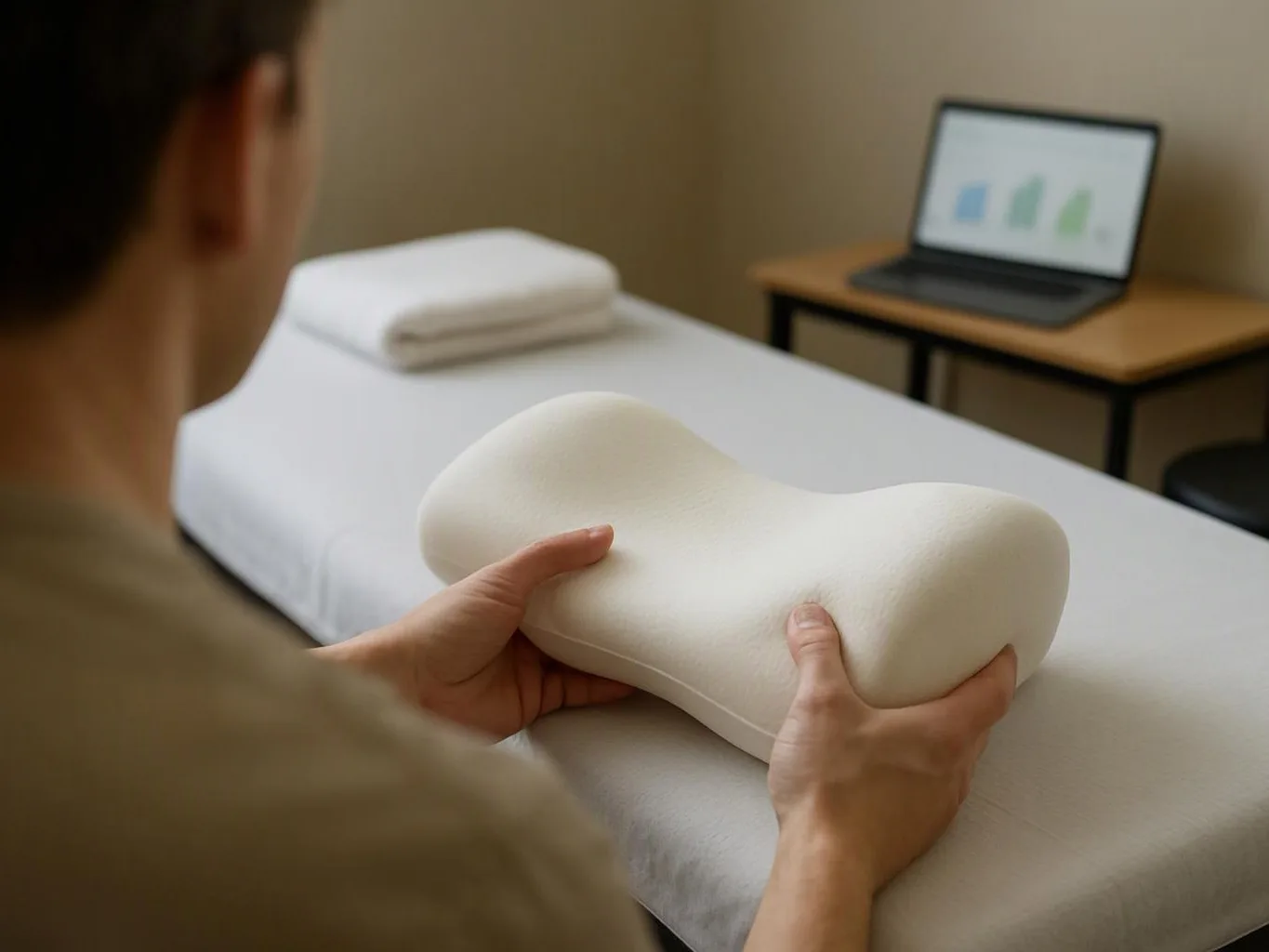
A person holds a white contoured foam pillow beside a bed in a simple room with a laptop on a small table

ZIP Codes We Serve in La Vergne, Tennessee

3708637089

The health and wellness information on this website is for general informational purposes only and is not medical advice. It does not create a provider-patient relationship. Always consult a qualified licensed provider in Hermitage, Tennessee, United States about your specific condition before making care decisions. Individual results vary.

(615) 265-0412