Skip to content

Soft Tissue Therapy in Lakewood, Tennessee

A clinical assessment guides care for joint stiffness in Lakewood. Our team matches hands-on treatment with your symptoms and mobility goals.

Upfront, Transparent PricingServing 18 CommunitiesMon-Fri: 9 am–7 pm, Sat: 9 am–2 pm, Sun: ClosedFast Scheduling

Quick Summary: Soft tissue care in Lakewood, Tennessee

Soft tissue therapy in Lakewood is provided by Advanced Injury Care Clinic for muscle tension, strains, overuse injuries, sports recovery, and related movement concerns. Care includes an individualized evaluation and a plan that may combine hands-on treatment, chiropractic care, exercises, and rehabilitation support across Hermitage and nearby Middle Tennessee communities.

  • What we do: Advanced Injury Care Clinic provides soft tissue therapy for Lakewood patients with muscle tension, strains, overuse injuries, and movement concerns.
  • What is included: Individualized evaluation, hands-on soft tissue therapy, spinal adjustments, therapeutic exercises, posture guidance, and rehabilitation support.
  • What you get: The patient receives a clear care plan that supports better movement and more comfortable daily activity.

Why does joint stiffness keep returning after activity?

Recurring joint stiffness can reflect muscle tension, overuse, poor posture, or an untreated movement problem. An evaluation helps identify the pattern and guides suitable care.

Soft Tissue Therapy in Lakewood, Tennessee for Stiffness and Recovery

Soft tissue therapy addresses muscle tension, restricted movement, and soreness linked to strains or repeated use. Our team may work with tight muscles and tender areas while considering posture, joint motion, and the injury history behind the complaint.

Patients often seek this care after an auto accident, work-related injury, sports activity, or long periods of strain. The goal is not to treat every symptom with the same technique. We assess the person first, then decide whether hands-on care, spinal adjustments, exercises, or rehabilitation support fit the plan.

The service page explains the treatment in general. This page focuses on a more specific decision, whether soft tissue care fits stiffness, strain, overuse, sports recovery, or chronic tension. Patients receive clear explanations, so they know what the treatment addresses and when another form of care may be more suitable.

  • Note when stiffness or muscle tension began and what activity changes it.
  • Bring information about an auto accident, work injury, sports injury, or earlier treatment.
  • Ask which tissues, movement patterns, and symptoms the evaluation will review.
  • Confirm how exercises or posture guidance fit the broader care plan.
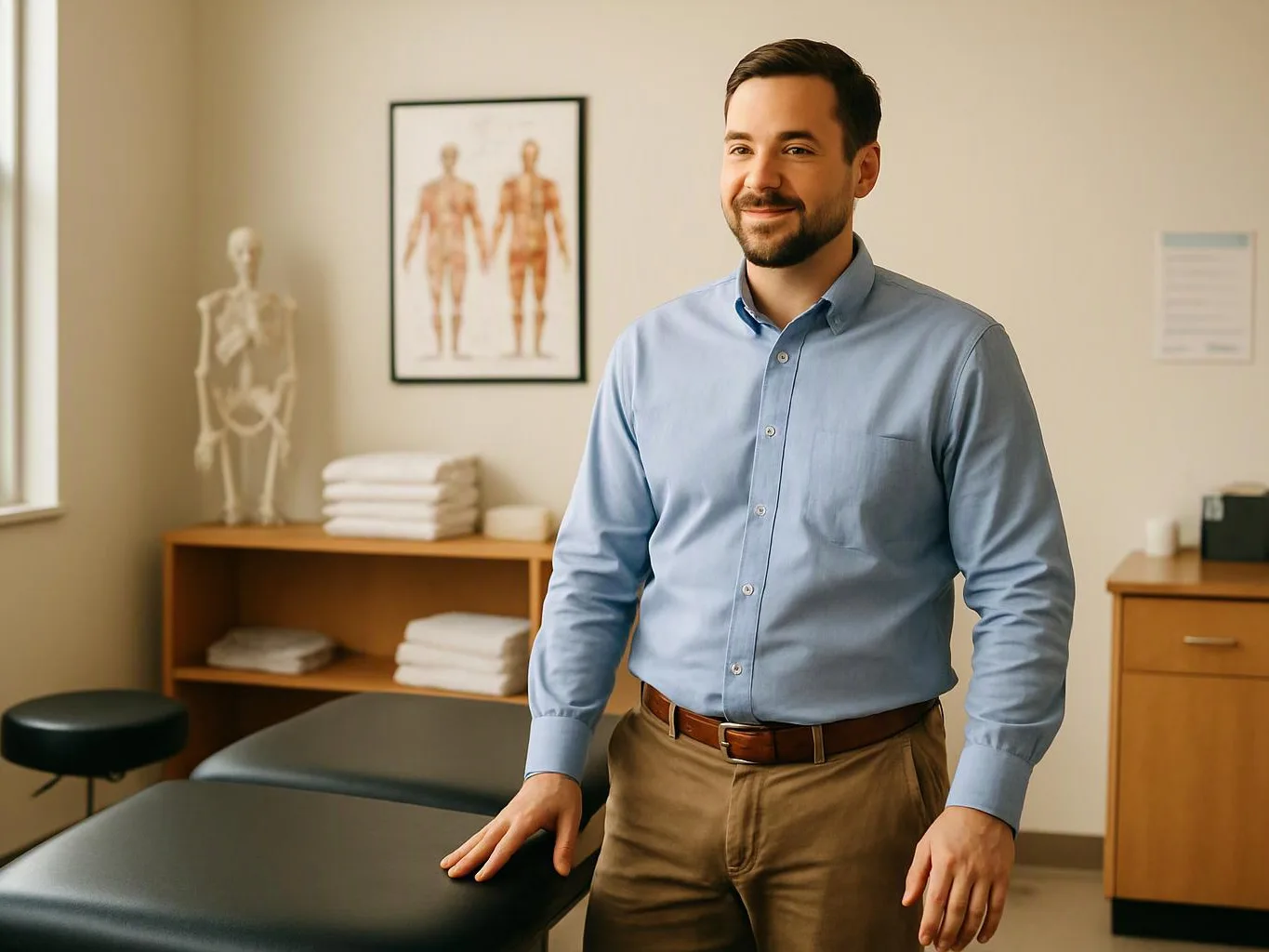
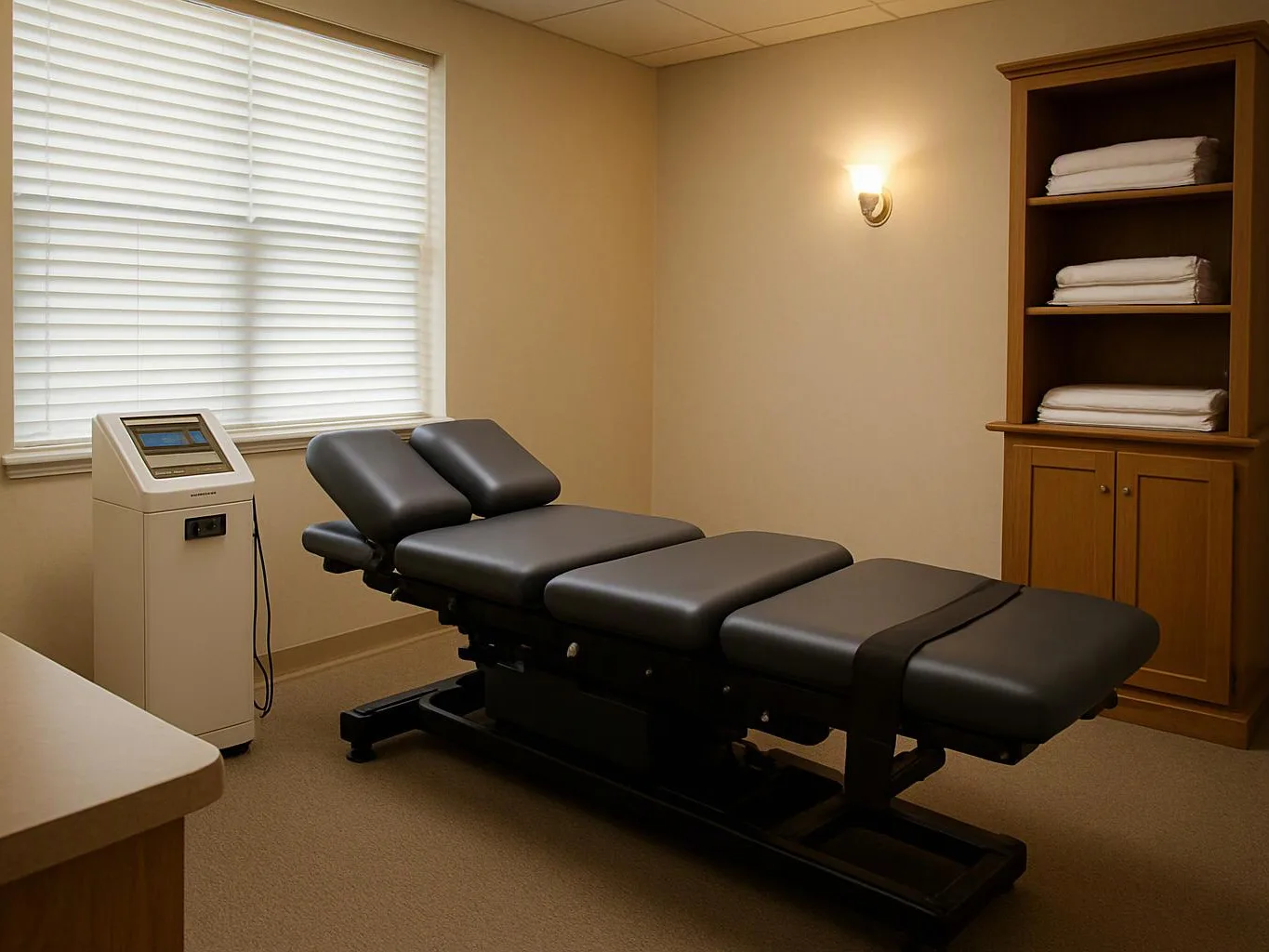
A quiet treatment room shows a padded exam table, towel shelves, and a window with blinds

Service Overview

Soft tissue therapy is a hands-on treatment that works with muscles and other soft tissues to support movement and comfort.

  • This care differs from spinal adjustments because it focuses on muscles, fascia, and related soft tissue before or alongside joint treatment.
  • Advanced Injury Care Clinic provides soft tissue therapy for patients in Lakewood and nearby Middle Tennessee communities.

What soft tissue care includes for stiffness and recovery

Advanced Injury Care Clinic provides comprehensive Soft Tissue Therapy in Lakewood. Here's what you get:

  • An individualized evaluation reviews your symptoms, health history, movement, and relevant injury details.
  • Hands-on soft tissue therapy addresses muscle tension and restricted soft tissue movement.
  • Spinal adjustments may be included when joint movement is part of the care plan.
  • Therapeutic exercises support movement between appointments and during rehabilitation.
  • Posture guidance connects daily habits with muscle strain and recurring tension.
  • Clear care explanations help you understand the next step and the reason for each treatment.

What this treatment can change for daily movement

Soft tissue therapy may support easier movement when muscle tension limits normal activity.

A focused assessment helps connect recurring soreness with overuse, posture, or an earlier injury.

Therapeutic exercises give you practical ways to support movement between visits.

Care after an injury can address soft tissue concerns while the broader plan considers joints and function.

Clear explanations help you make informed choices about treatment and follow-up care.

How we approach soft tissue care decisions

Assessment before hands-on treatment

The first step is an individualized evaluation, not a preset technique. Patients who need soft tissue care receive an explanation of the findings and the proposed plan.

Care matched to the source

Muscle strains, sports recovery, and chronic tension can have different causes. Our team may combine soft tissue therapy with exercises, posture guidance, or chiropractic treatment when those services fit.

A clear limit on treatment

Soft tissue therapy is not the right service for every symptom. Severe or unexplained symptoms may need medical assessment or another form of care before hands-on treatment.

Process

How soft tissue care moves from assessment to follow-up

1

Review your health history

We discuss symptoms, past injuries, activity, and your main movement concern during the new patient intake.

2

Check movement and affected tissues

Our team examines movement and related areas to understand whether muscle tension, strain, posture, or joint motion contributes to the problem.

3

Explain the care plan

We explain the findings and outline suitable options, which may include soft tissue therapy, spinal adjustments, exercises, or rehabilitation support.

4

Apply the selected treatment

Hands-on care addresses the soft tissues identified during the assessment, with treatment adjusted to the patient’s response.

5

Review movement and next steps

Patients receive guidance about exercises, posture, follow-up, and signs that call for a different type of assessment.

How related care differs from soft tissue therapy

These options address different parts of movement and may be combined when the assessment supports it.

Care optionMain focusWhen it may fit
Soft tissue therapyMuscles and related soft tissuesTension, strains, overuse, and restricted movement
Spinal adjustmentsSelected joint movementJoint-related movement concerns within a chiropractic care plan
Therapeutic exercisesActive movement and strengthRehabilitation support and movement practice between visits

The Advanced Injury Care Clinic Standard

  • Assess Patient Condition
  • Tailored Care Plans
  • Clear Treatment Explanations
  • Monitor Patient Progress

Questions about soft tissue care for stiffness and injury

What conditions can soft tissue therapy help manage?

Soft tissue therapy may help manage muscle strains, overuse injuries, sports recovery concerns, chronic tension, and injury-related movement limits. Advanced Injury Care Clinic begins with an individualized evaluation, then matches care to the findings. The plan may include hands-on treatment, therapeutic exercises, posture guidance, spinal adjustments, or rehabilitation support.

How does a soft tissue visit move from the first call to the last step?

The visit moves from health history and examination to treatment planning, hands-on care, and follow-up guidance.

  1. We review symptoms and injury history.
  2. We check movement and related tissues.
  3. We explain suitable treatment options.
  4. We provide care and discuss exercises or follow-up.

Patients receive clear explanations throughout the process.

Which part of the body decides the treatment scope?

The affected muscles, related movement limits, injury history, and overall symptoms decide the treatment scope. Our team checks the area that hurts and nearby movement patterns before choosing care. A wider plan may be needed when posture, spinal motion, or rehabilitation concerns contribute to the complaint.

How can I tell whether soft tissue therapy fits my problem?

Soft tissue therapy may fit muscle tension, strain, overuse discomfort, or movement limits that respond to hands-on care. The evaluation decides suitability by reviewing symptoms, movement, health history, and injury details. Patients should mention severe, unusual, or worsening symptoms so the right type of care can be considered.

What should I bring after an auto accident or work injury?

Bring available injury details, medical records, imaging reports, and information about care already received. These records help connect the symptoms with the event and guide the assessment. Patients should also describe when pain or stiffness began, which movements cause trouble, and whether symptoms have changed.

Why might soft tissue care be combined with chiropractic treatment?

Soft tissue care may be combined with chiropractic treatment when muscle tension and joint movement both affect the complaint. Hands-on work addresses soft tissues, while spinal adjustments address selected joint movement. Our team explains why each service belongs in the plan, and individual response guides follow-up care.

When should I ask about soft tissue care after sports activity?

Ask about soft tissue care when soreness, restricted movement, or muscle tension continues after sports activity. Our team reviews the activity, injury pattern, movement, and current symptoms before recommending treatment. Patients should stop activities that worsen symptoms and share the details during the assessment.
Contact

Ask about soft tissue care in Lakewood

Contact Advanced Injury Care Clinic to discuss your symptoms and request a free consultation. The first conversation helps identify the right assessment and the next step for care.

A quiet exercise room shows a wooden chair, wall mirror, treatment bench, black mat, and soft window light

The health and wellness information on this website is for general informational purposes only and is not medical advice. It does not create a provider-patient relationship. Always consult a qualified licensed provider in Hermitage, Tennessee, United States about your specific condition before making care decisions. Individual results vary.

(615) 265-0412