Skip to content

Trigger Point Therapy in Rural Hill, Tennessee

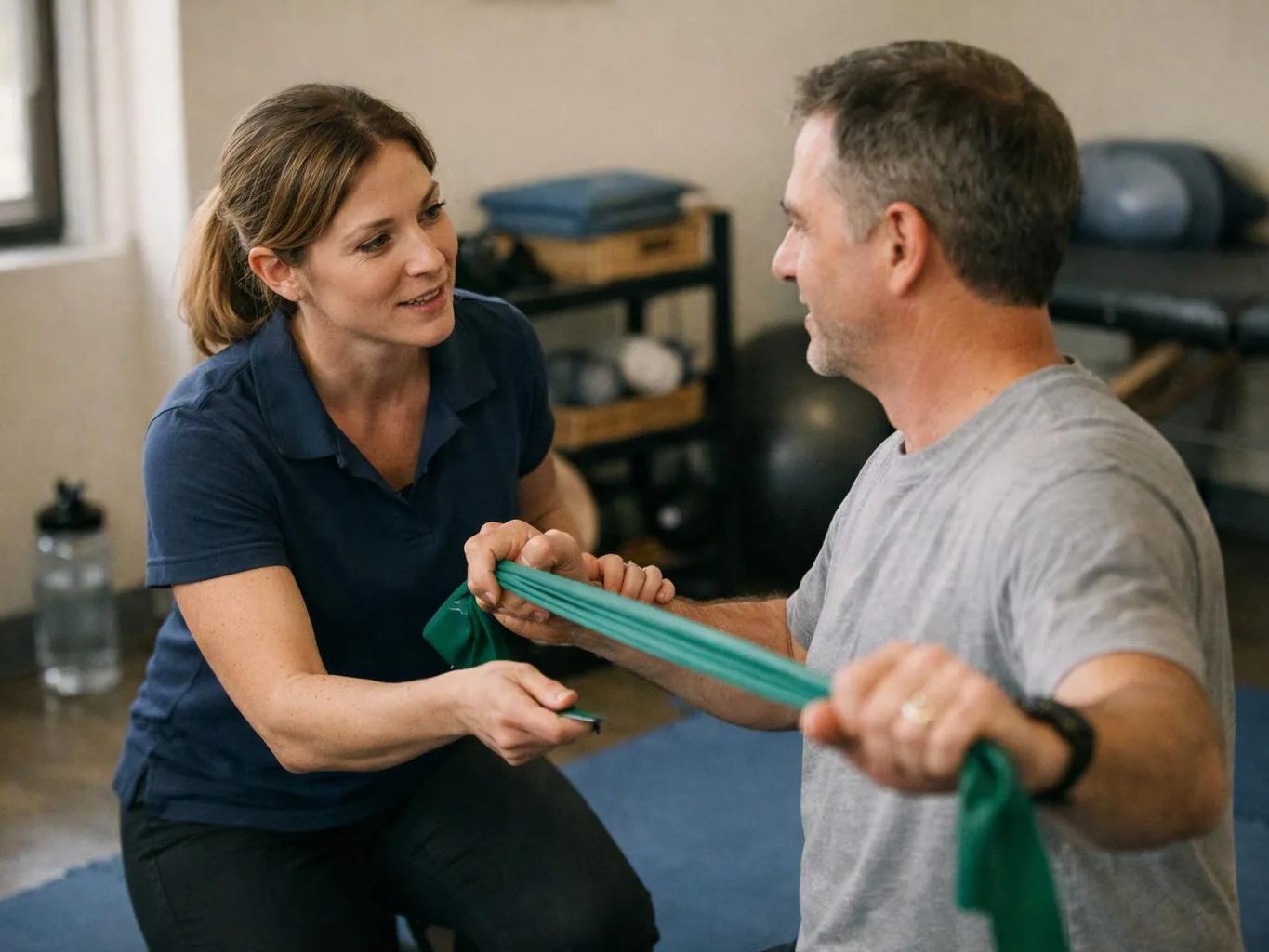
Home exercises get checked against your movement habits in Rural Hill. We use that review to guide focused care for muscle tension and postural stress.

Upfront, Transparent PricingServing 18 CommunitiesMon-Fri: 9 am–7 pm, Sat: 9 am–2 pm, Sun: ClosedFast Scheduling

Quick Summary: trigger point therapy in Rural Hill, Tennessee

Trigger Point Therapy in Rural Hill helps address tender muscle knots, muscle tension, and movement-related pain. Advanced Injury Care Clinic provides this care across Hermitage and nearby Middle Tennessee communities, with individualized evaluations and evidence-informed treatment plans.

  • What we do: Advanced Injury Care Clinic provides Trigger Point Therapy for muscle tension and recurring knots in Rural Hill, Tennessee.
  • What is included: The service includes soft tissue therapy, movement review, posture guidance, therapeutic exercises, and rehabilitation support.
  • What you get: The customer receives a focused care plan for improving movement and managing muscle tension.

Can trigger point therapy help prevent recurring muscle knots in Rural Hill, Tennessee?

Trigger point therapy may help reduce recurring muscle knots when treatment also addresses movement habits, postural stress, and recovery. Results vary between people. Advanced Injury Care Clinic checks these factors during an individualized evaluation and explains practical steps for ongoing care.


Trigger Point Therapy for recurring muscle tension in Rural Hill

Trigger point therapy is suited to people who feel a tight band, tender spot, or repeated knot in a muscle. The work may also fit pain linked to posture, limited movement, sports strain, or recovery after an injury.

The main decision is whether the muscle is the main source of the problem. Our team reviews your health history, symptoms, movement, and related areas before setting a personalized care plan. The plan may include soft tissue therapy, spinal adjustments, therapeutic exercises, or rehabilitation support.

This page focuses on recurring muscle knots and the habits that keep them active. Treatment alone may not address repeated strain, so we also discuss recovery strategies and regular maintenance when they fit your goals.

  • Identify the tender muscle area and the movement that brings on symptoms.
  • Review posture, daily movement habits, and recovery needs.
  • Discuss whether soft tissue therapy fits the broader care plan.
  • Set practical guidance for care between visits.
A smiling man stands indoors beside shelves of folded towels, books, and bottles

Service Overview

Trigger Point Therapy is a hands-on soft tissue treatment that targets tender, tight areas within a muscle.

  • Soft tissue therapy focuses on muscle tension, while spinal adjustments address joint movement when those treatments fit the care plan.
  • Advanced Injury Care Clinic provides this care for patients in Rural Hill and nearby Middle Tennessee communities.
Process

How we provide trigger point therapy

1

Review your health history

We discuss your symptoms, injury history, activity, and goals during the new patient intake.

2

Check movement and muscle tension

Our team examines the tender area and observes movement, posture, and related symptoms.

3

Explain the care plan

We explain whether soft tissue therapy fits your findings and how other chiropractic care may support the plan.

4

Apply focused soft tissue work

We use hands-on soft tissue therapy for the selected muscle areas when the assessment supports it.

5

Set recovery guidance

We discuss therapeutic exercises, posture guidance, and movement habits that support care between visits.

How we approach recurring muscle knots

A care plan starts with the source

Your symptoms guide the assessment, and we connect the tender area with movement and posture. Trigger point therapy is the wrong fit when signs point to a condition that needs another type of medical evaluation.

Treatment matches the finding

Soft tissue therapy may be paired with therapeutic exercises or spinal adjustments when the evaluation supports that choice. We explain why each part belongs in the plan.

Explanations stay clear

Our licensed chiropractor explains the findings and next steps in everyday language. You can ask what each treatment is meant to address before agreeing to care.

What trigger point therapy includes for recurring knots

Advanced Injury Care Clinic provides comprehensive Trigger Point Therapy in Rural Hill. Here's what you get:

  • We assess muscle tension and the tender areas linked to your symptoms.
  • We review movement habits that may keep the same muscle under strain.
  • We provide focused soft tissue therapy when it fits your evaluation.
  • We explain posture guidance and therapeutic exercises that support your care plan.
  • We discuss recovery strategies and follow-up needs in plain language.

What this muscle care may change for you

Focused soft tissue work may support better movement in a tight area.

A movement review can show which daily habits keep muscle tension active.

Posture guidance gives you practical ways to reduce repeated strain.

A broader care plan can connect muscle work with spinal adjustments or rehabilitation support.

Regular maintenance may help you stay aware of early tension before it limits movement.

How muscle care differs from joint-focused care

This comparison shows the main focus of two treatment approaches that may appear in one personalized care plan.

Care typeMain focusWhen it may fit
Trigger point therapyTender or tight muscle tissueMuscle tension linked to movement, posture, or strain
Chiropractic adjustmentJoint movement and spinal functionFindings that support an adjustment within the care plan

The Advanced Injury Care Clinic Standard

  • Assess Patient Condition
  • Tailored Care Plans
  • Clear Treatment Explanations
  • Monitor Patient Progress

Questions about recurring muscle knots and soft tissue care

Can home exercises help prevent recurring muscle knots?

Home exercises may help reduce recurring knots when they match your movement needs. Advanced Injury Care Clinic checks your symptoms, posture, and daily habits before suggesting exercises. The goal is to support the treatment plan without adding strain. Stop an exercise that sharply increases symptoms and discuss it with our team.

What should be ready before trigger point therapy starts?

Your symptom history, injury details, and current treatment list should be ready before care starts. Bring medical records or imaging information when available. A clear account of what worsens the knot helps our team assess movement, muscle tension, and treatment fit.

What should I ask before agreeing to trigger point therapy?

The best questions ask what the treatment targets and how it fits your evaluation. Ask which muscle is involved, what other care may be included, and what signs should prompt a reassessment. We explain the purpose of each step before treatment begins.

Which condition changes the time needed for muscle tension care?

The number of affected areas and the complexity of the movement problem can change the time needed for care. A single tender muscle differs from symptoms linked to an injury, posture, or limited motion. Our assessment sets the treatment scope without promising a fixed duration.

How does trigger point therapy differ from a chiropractic adjustment?

Trigger point therapy targets tender muscle tissue, while a chiropractic adjustment addresses joint movement. Our team may consider both when the evaluation supports them. The right choice depends on the source of your symptoms, your health history, and how your body responds during the assessment.

When should recurring muscle tension receive another evaluation?

Recurring muscle tension deserves another evaluation when symptoms change, spread, or limit normal movement. New weakness, numbness, or severe symptoms also call for prompt medical attention. We review changes in your condition and decide whether the current care plan still fits.
Contact

Discuss trigger point therapy in Rural Hill

Advanced Injury Care Clinic offers free consultations for people who want to discuss recurring knots, muscle tension, or care after an injury. Schedule a visit to review your symptoms and treatment options.

A black textured sphere, cream jar, folded cloths, and rolled towels sit on a metal tray on a wooden table

The health and wellness information on this website is for general informational purposes only and is not medical advice. It does not create a provider-patient relationship. Always consult a qualified licensed provider in Hermitage, Tennessee, United States about your specific condition before making care decisions. Individual results vary.

(615) 265-0412