Skip to content

Spinal Decompression Therapy in Rural Hill, Tennessee

Disc irritation is checked before care begins in Rural Hill. Our chiropractor reviews your symptoms and treatment sensitivity before choosing a plan.

Upfront, Transparent PricingServing 18 CommunitiesMon-Fri: 9 am–7 pm, Sat: 9 am–2 pm, Sun: ClosedFast Scheduling

Quick Summary: Spinal Decompression Care in Rural Hill, Tennessee

Spinal Decompression Therapy in Rural Hill is provided by Advanced Injury Care Clinic for people managing back pain, neck pain, sciatica, or injury-related discomfort. The clinic serves Rural Hill and nearby Middle Tennessee communities through individualized evaluations and evidence-informed care plans.

  • What we do: Advanced Injury Care Clinic provides Spinal Decompression Therapy for Rural Hill patients with back pain, neck pain, sciatica, and injury-related discomfort.
  • What is included: Individualized evaluation, spinal decompression, soft tissue therapy, therapeutic exercises, posture guidance, and rehabilitation support.
  • What you get: The treatment plan identifies whether spinal decompression fits the patient’s symptoms and care goals.

Why can back discomfort keep returning after spinal decompression therapy?

Recurring discomfort can reflect different causes, including muscle tension, joint restriction, posture strain, or ongoing injury. A new evaluation helps connect symptoms with movement findings and guides the next care decision.
Spinal Decompression Therapy for Rural Hill Patients

Spinal decompression therapy is a focused option for patients with back pain, neck pain, sciatica, or discomfort after an injury. This page addresses a key decision before treatment: whether symptoms and treatment sensitivity make decompression a suitable part of care.

The first visit includes a new patient intake, health history, and exam. We review movement, symptom patterns, and relevant medical details before explaining our findings. X-rays may be considered when clinically indicated.

Disc irritation does not by itself decide the treatment plan. Muscle soreness, temporary discomfort, and changing symptoms can affect how care is introduced. We use the evaluation to decide whether decompression, spinal adjustments, soft tissue therapy, or therapeutic exercises fit the person’s needs.

  • Share when symptoms began and what movements make them worse.
  • Bring relevant health history and records if they are available.
  • Discuss treatment sensitivity, muscle soreness, or symptom changes before care begins.
  • Ask how spinal decompression fits with adjustments, exercises, or rehabilitation support.
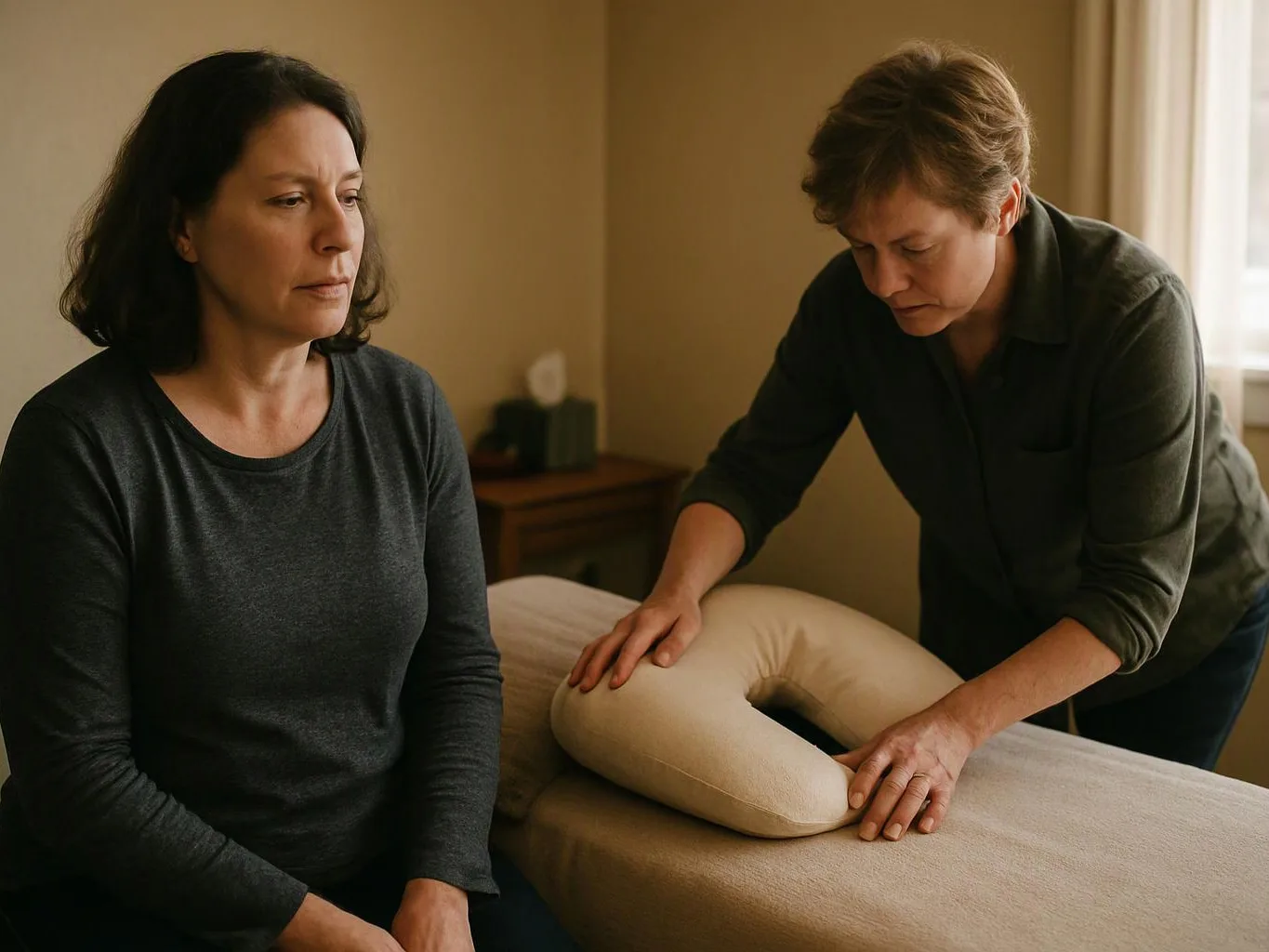
Two women are in a quiet room, one seated while the other adjusts a beige cushion on a massage table

Service Overview

Spinal decompression therapy is a non-invasive treatment approach that uses controlled unloading to support care for certain back and neck problems.

  • Spinal decompression differs from spinal adjustments because it focuses on unloading and gentle movement instead of a manual joint thrust.
  • Advanced Injury Care Clinic provides this care for patients in Rural Hill as part of an individualized chiropractic treatment plan.

How Decompression Care Supports Better Movement

Controlled unloading may support comfort when back or neck symptoms limit movement.

A personalized plan connects decompression with exercises, posture guidance, or soft tissue therapy when appropriate.

The evaluation helps separate treatment sensitivity from symptoms that need a different care approach.

Clear explanations help you understand why a treatment is included and what changes to report.

Regular maintenance may support ongoing mobility after the main concern has settled.

What Spinal Decompression Care Includes

Advanced Injury Care Clinic provides comprehensive Spinal Decompression Therapy in Rural Hill. Here's what you get:

  • A new patient intake records your health history, symptoms, and care goals.
  • An individualized exam checks movement and physical findings related to your discomfort.
  • A clear report of findings explains what we found and what it means for care.
  • Spinal decompression may be included when the evaluation supports it.
  • Soft tissue therapy or therapeutic exercises may support the wider treatment plan.
  • Posture guidance and rehabilitation support address movement habits that affect comfort.

What Guides the Decompression Care Decision

Review symptoms before treatment

The health history and exam guide whether controlled unloading fits the current symptoms. We don't begin with a preset plan.

Explain each care choice

The report of findings connects the exam with the proposed plan. You can ask how adjustments, soft tissue therapy, or exercises relate to the same concern.

Know when another approach fits

Spinal decompression is the wrong job when the evaluation points to a condition that needs different medical assessment or care. We discuss that concern before proceeding.

Process

How We Plan Spinal Decompression Care

1

Complete the new patient intake

The intake records your health history, symptoms, injury details, and care goals.

2

Review movement and symptoms

The exam checks movement limits, pain patterns, muscle soreness, and signs that affect treatment sensitivity.

3

Explain the report of findings

We explain the findings in plain language and answer questions about decompression, adjustments, or other care options.

4

Build the treatment plan

The individualized plan may include spinal decompression, soft tissue therapy, therapeutic exercises, posture guidance, or rehabilitation support.

5

Track symptom changes

Follow-up reviews help us discuss changes in comfort, movement, soreness, or sensitivity and guide the next care decision.

How Decompression Differs From Other Care Methods

These methods address different parts of a chiropractic care plan.

Care methodMain focusHow it may fit
Spinal decompressionControlled unloadingMay support selected back or neck concerns
Spinal adjustmentManual joint movementMay address movement restrictions found during an exam
Soft tissue therapyMuscle and connective tissue tensionMay support comfort and movement within a wider plan
Therapeutic exercisesMovement and strengthMay support rehabilitation and daily function

The Advanced Injury Care Clinic Standard

  • Assess Patient Condition
  • Tailored Care Plans
  • Clear Treatment Explanations
  • Monitor Patient Progress

Questions About Spinal Decompression Care

Are there risks associated with spinal decompression therapy?

Disc irritation does not make spinal decompression automatically safe or unsafe, so we screen symptoms before treatment. Temporary soreness, muscle soreness, or symptom changes can occur. Tell us about new or worsening symptoms, past treatment reactions, and other health concerns during the evaluation. We explain whether decompression fits or whether another care path is more suitable.

How can I tell whether decompression fits my symptoms?

Treatment suitability comes from the health history, physical exam, and symptom pattern. The evaluation considers movement limits, pain location, treatment sensitivity, and related concerns such as sciatica or whiplash. A personalized treatment plan follows the report of findings. You don't need to choose a method before that discussion.

What should I bring to my first appointment after an injury?

Relevant health records and a clear symptom history help us plan the first evaluation. Bring information about the injury, prior care, current symptoms, and activities that increase discomfort. The new patient intake records these details, and the exam helps determine whether spinal decompression or another treatment belongs in the plan.

Which part of the treatment plan changes the price?

The services included in the individualized care plan decide the cost. A plan with spinal decompression alone may differ from one that also includes adjustments, soft tissue therapy, exercises, or rehabilitation support. Free Consultations provide a chance to discuss the recommended care before you decide how to proceed.

When should symptom changes be reported?

New, worsening, or unusual symptoms should be reported before the next treatment decision. Changes in soreness, movement, sensation, or pain location can affect treatment sensitivity. Our team reviews those changes and explains whether the current plan should continue, change, or pause for another assessment.

Why might decompression not be the right treatment?

Spinal decompression may not fit when the evaluation points to a condition needing different medical assessment or care. The exam considers health history, symptoms, movement, and treatment sensitivity before a method is selected. Clear diagnosis and care explanations help you understand that decision.

Which method differs from spinal decompression?

Spinal adjustments use controlled manual movement, while decompression focuses on unloading through a treatment table. Soft tissue therapy addresses muscle and connective tissue tension, and exercises support movement. Our team may combine methods when the evaluation shows that combination fits the care plan.
Contact

Discuss Spinal Decompression Therapy in Rural Hill

Get a clear treatment decision for your back or neck concern. Advanced Injury Care Clinic offers Free Consultations to discuss symptoms, treatment sensitivity, and the next step.

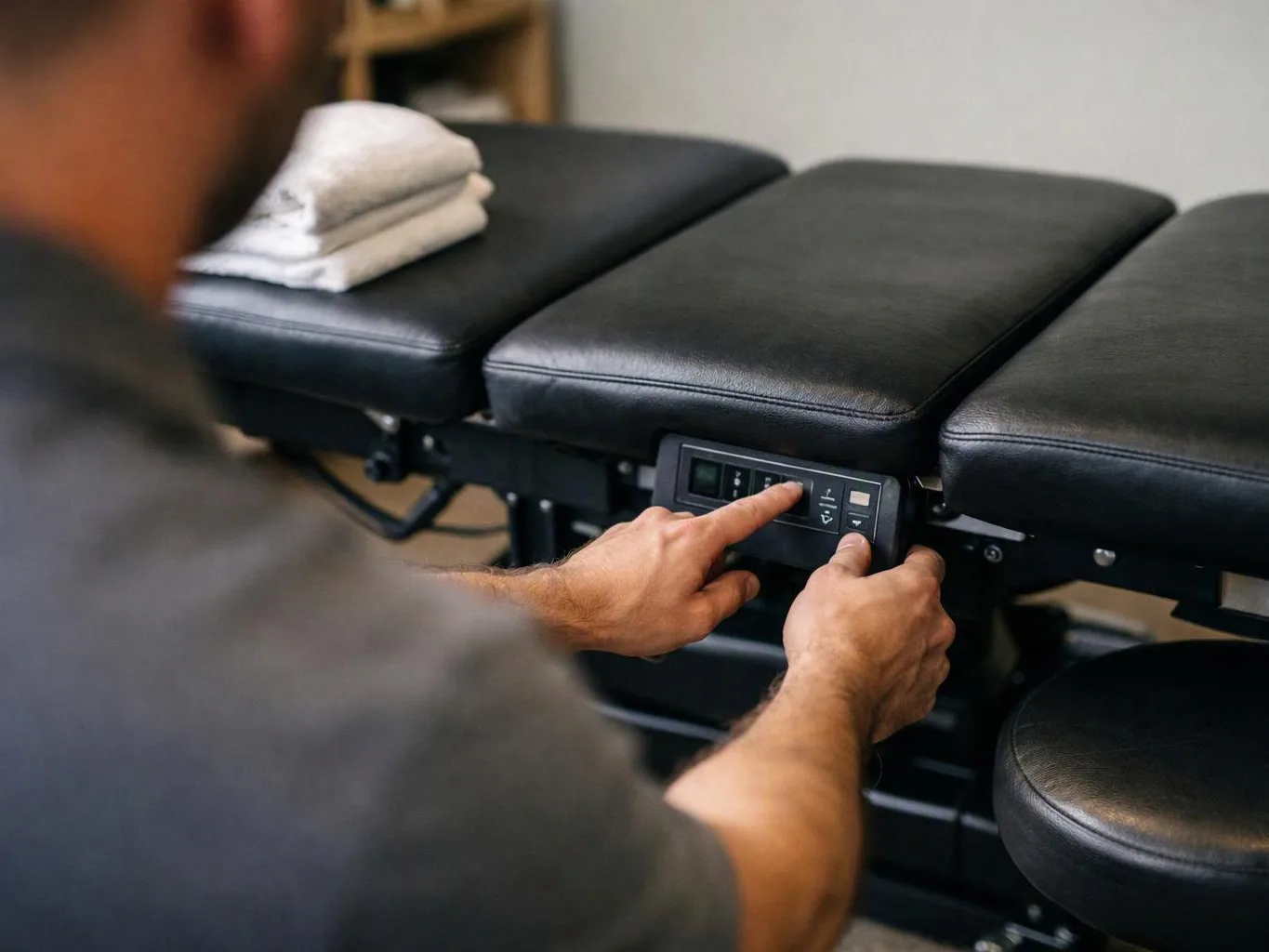
A person adjusts the controls on a black padded treatment table in a quiet room

Spinal Decompression Therapy in Other Areas

The health and wellness information on this website is for general informational purposes only and is not medical advice. It does not create a provider-patient relationship. Always consult a qualified licensed provider in Hermitage, Tennessee, United States about your specific condition before making care decisions. Individual results vary.

(615) 265-0412