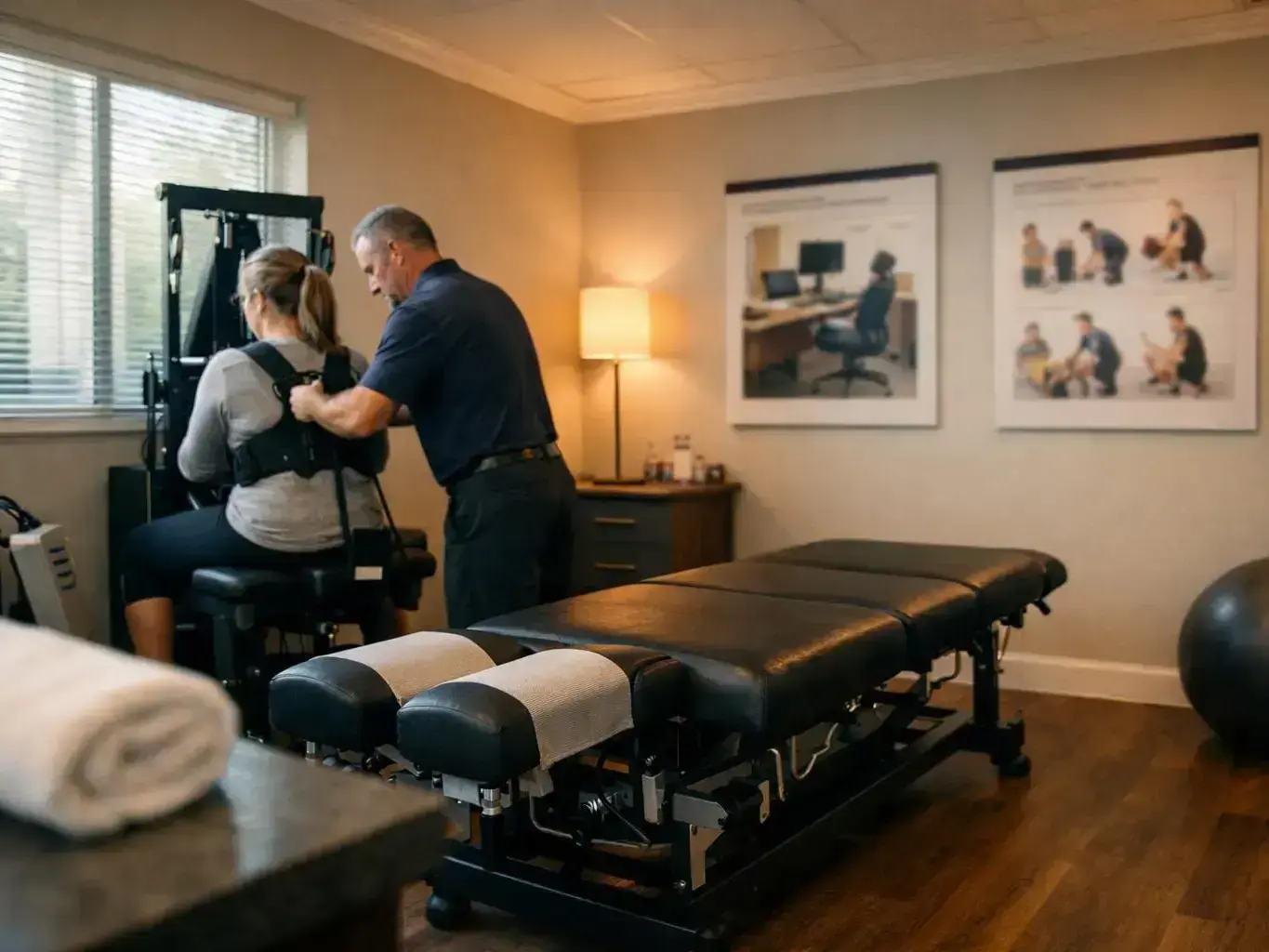
Chiropractic Neurology is a specialized branch of chiropractic care that focuses on diagnosing and treating nervous system disorders through non-surgical, drug-free methods. Chiropractic Neurologists assess brain, spinal cord. And nerve function to identify dysfunctions and use targeted adjustments, exercises. And therapies to restore balance and improve neurological health.
Category
Chiropractic specialty
Used for
Nervous system disorders, balance issues, chronic pain
Common confusion
Not the same as general chiropractic care or neurology
Also called
Functional Neurology, Chiropractic Functional Neurology

Chiropractic Neurology is a field within chiropractic medicine that emphasizes the relationship between the nervous system and overall health. Unlike general chiropractic care, which often focuses on spinal alignment and musculoskeletal pain, Chiropractic Neurology targets the brain, spinal cord. And peripheral nerves. This approach is based on the idea that dysfunctions in these areas can lead to a wide range of symptoms, including chronic pain, dizziness, poor coordination. And even cognitive difficulties. Chiropractic Neurologists undergo additional training to evaluate neurological function using specialized tests and clinical observations.
Related glossary terms: Chiropractic Care, Spinal Manipulation, Doctor of Chiropractic.
The nervous system controls every function in the body, from movement and sensation to digestion and breathing. When nerves are compressed, inflamed. Or misaligned, they can send incorrect signals to the brain, leading to symptoms like numbness, weakness. Or pain. Chiropractic Neurology aims to identify these dysfunctions and correct them through targeted therapies. These may include spinal adjustments, specific exercises, sensory stimulation. Or other non-invasive techniques designed to restore proper nerve function. The goal is to help the body heal itself without relying on medications or surgery.
Chiropractic Neurologists begin by conducting a thorough neurological examination. This may include tests for reflexes, muscle strength, balance, coordination. And sensory perception. They may also assess eye movements, gait. And other functions that provide clues about how well the nervous system is working. For example, difficulty walking in a straight line or an abnormal eye reflex could indicate a problem in a specific part of the brain or spinal cord. These tests help the Chiropractic Neurologist pinpoint areas of dysfunction and create a personalized treatment plan.
Treatment often involves chiropractic adjustments. But these are more precise than those used in general chiropractic care. Adjustments may target specific vertebrae, joints. Or even cranial bones to relieve pressure on nerves or improve blood flow to affected areas. In addition to adjustments, Chiropractic Neurologists may prescribe exercises to strengthen weak muscles, improve coordination. Or retrain the brain to process sensory information correctly. For instance, a patient with balance issues might be given exercises to challenge their vestibular system, which controls equilibrium. Other therapies, such as light or sound stimulation, may also be used to activate underused parts of the brain.
Chiropractic Neurology offers a unique approach to managing conditions that are often difficult to treat with conventional medicine. Many patients with chronic pain, migraines. Or neurological symptoms have tried medications or surgery without success. Chiropractic Neurology provides an alternative by addressing the root cause of these issues—nervous system dysfunction—rather than just masking symptoms. For example, a patient with chronic vertigo might find relief through specific adjustments and exercises that retrain the brain to process balance signals correctly. This can lead to long-term improvements in quality of life without the side effects of medication.
Another key benefit of Chiropractic Neurology is its focus on complete care. Because the nervous system influences every part of the body, improving its function can have wide-ranging effects. Patients may experience improvements not only in their primary symptoms but also in areas like sleep, mood. And energy levels. This makes Chiropractic Neurology a valuable option for people dealing with complex conditions, such as post-concussion syndrome, neuropathy. Or movement disorders. By taking a whole-body approach, Chiropractic Neurologists help patients achieve better overall health and well-being.
Chiropractic Neurology is particularly useful for patients who have not found relief through traditional medical treatments. For example, people with chronic headaches, dizziness. Or nerve pain may benefit from a neurological evaluation to identify underlying issues. It's also helpful for individuals recovering from injuries, such as concussions or whiplash, where nerve damage or brain dysfunction may be contributing to ongoing symptoms. And Chiropractic Neurology can be valuable for patients with degenerative conditions, like multiple sclerosis or Parkinson’s disease, by helping to manage symptoms and slow progression.
A common issue is In Hermitage, TN, Chiropractic Neurology can be especially relevant for patients involved in car accidents or workplace injuries. These types of trauma often result in nerve damage, spinal misalignments. Or brain injuries that may not be immediately obvious. A Chiropractic Neurologist can assess these injuries and provide targeted care to prevent long-term complications. For example, a patient with whiplash might develop chronic neck pain, headaches. Or balance issues due to nerve irritation. Early intervention with Chiropractic Neurology can help address these problems before they become permanent.
General chiropractic care focuses on spinal alignment and musculoskeletal pain. While Chiropractic Neurology targets the nervous system, including the brain and nerves.
Medical neurology is a branch of medicine that often uses drugs or surgery to treat nervous system disorders, whereas Chiropractic Neurology relies on non-invasive, drug-free methods.
Physical therapy focuses on improving movement and strength. While Chiropractic Neurology addresses nervous system dysfunctions that may underlie movement or sensory issues.
Chiropractic Neurology is not a replacement for medical neurology but a complementary approach. It is particularly effective for functional neurological disorders where structural damage is absent, offering patients a non-invasive path to symptom relief.
A patient with chronic migraines visits a Chiropractic Neurologist after years of trying medications without success. Through neurological testing, the provider identifies dysfunction in the patient’s brainstem and cervical spine. Targeted adjustments, eye exercises. And balance training help reduce migraine frequency and intensity, allowing the patient to return to daily activities with less pain.
Chiropractic Care is a health profession focused on diagnosing, treating. And preventing mechanical disorders of the musculoskeletal system, especially the spine. Chiropractic Care uses hands-on spinal manipulation and other alternative treatments to enable the body to heal itself without surgery or medication. The practice emphasizes the relationship between the spine and nervous system and its impact on overall health.
Spinal Manipulation is a hands-on treatment technique used by chiropractors and other trained healthcare providers to apply controlled force to a joint in the spine. This force helps improve spinal motion, reduce pain. And restore function by addressing stiffness, misalignments. Or nerve irritation. The procedure often produces a popping sound caused by gas releasing from the joint.
Doctor of Chiropractic is a licensed healthcare professional who specializes in diagnosing and treating musculoskeletal disorders, particularly those related to the spine. Doctors of Chiropractic use non-surgical, drug-free approaches such as spinal adjustments, manual therapies. And rehabilitative exercises to help patients reduce pain, improve mobility. And support overall health.
Pinched Nerve is a condition where surrounding tissues, such as bones, cartilage, muscles. Or tendons, press against a nerve, causing pain, tingling, numbness. Or weakness. Pinched Nerve often occurs in areas like the neck, back. Or wrists and can result from injury, poor posture. Or repetitive motions. Symptoms may appear suddenly or develop gradually over time.
Advanced Injury Care Clinic
Contact Advanced Injury Care Clinic for practical guidance on Chiropractic Neurology and related chiropractor work in Hermitage.