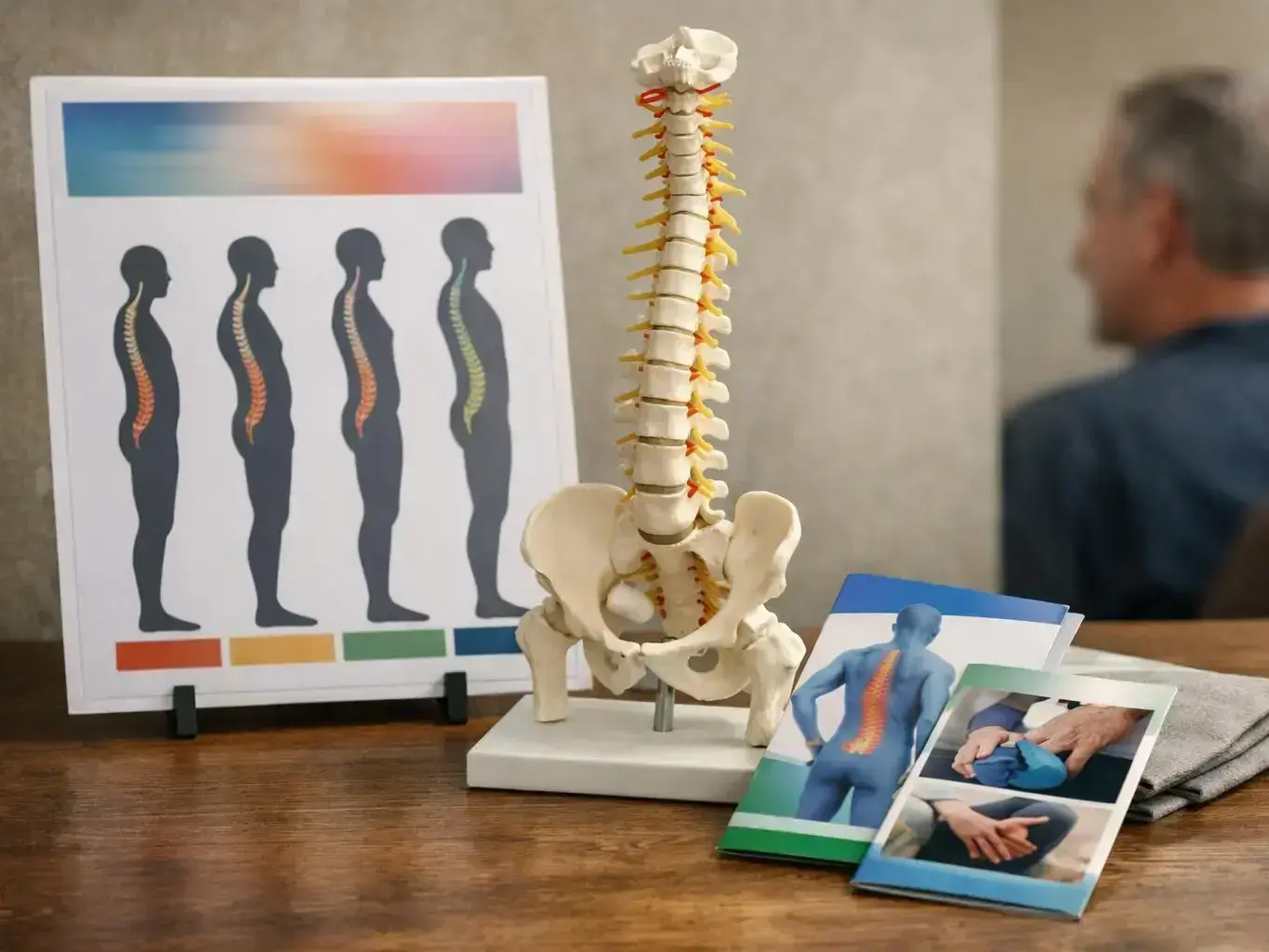
Coccyx Pain is discomfort or tenderness in the small bone at the very bottom of the spine, called the coccyx or tailbone. Coccyx Pain often results from falls, prolonged sitting, childbirth. Or repetitive strain, causing sharp or dull aches that worsen with pressure or movement. It can interfere with daily activities like sitting, standing. Or walking.
Category
Musculoskeletal pain
Used for
Diagnosing and managing tailbone discomfort
Common confusion
Often mistaken for lower back pain or sciatica
Also called
Coccydynia, Tailbone Pain
Often discussed with
Back Pain Treatment, Work Injury Treatment

Coccyx Pain is also called coccydynia (tailbone pain). It hurts in the coccyx. This is the small bone at the base of your spine.
Related glossary terms: Sacroiliac Joint Dysfunction, Muscle Strain, Ligament Sprain.
This bone looks like a tiny triangle. It helps you sit. It also connects to muscles and ligaments near your hips.
Pain can be mild or sharp. It often gets worse when you sit. Standing up or going to the bathroom can hurt too.
The pain is usually in your tailbone. Sometimes it spreads to your lower back or hips.
Most tailbone pain comes from a fall. It can also happen from sitting too long on hard seats.
Childbirth can cause it too. The tailbone can move or get strained during birth.
Some people get pain from cycling or rowing. These activities can strain the tailbone over time.
Infections, tumors. Or arthritis can also cause pain. But these are rare. You may need a doctor to check them.
The coccyx has 3 to 5 small bones. These bones are fused together. They don’t move much.
When hurt, muscles and nerves can get sore. This makes the pain worse.
Sitting on hard surfaces puts pressure on it. This can make the pain feel sharper.
Even small movements can hurt. Shifting or standing up may cause sharp pain.
Doctors check your tailbone for pain or swelling. They may feel for problems.
X-rays or MRI scans can help. They show if bones are broken or other issues exist.
Sometimes a doctor does a rectal exam. This checks the tailbone’s position.
Finding the cause helps pick the best treatment. You may need rest, cushions. Or other help.
Tailbone pain makes sitting hard. It can hurt to drive or work at a desk.
People with desk jobs may struggle. Truck drivers can feel it too.
Sports or exercise may be tough. Some stop working out because of the pain.
This can cause stiffness. It can also make people feel upset.
Long-term pain can affect your mood. It may keep you awake at night.
You might feel grumpy or worried. This is normal with constant pain.
Treating pain early helps. It stops it from becoming a big problem.
Simple fixes like cushions can help. Severe cases may need a doctor.
Tailbone pain hurts most when sitting. Driving or lifting can make it worse.
Cycling, rowing. Or riding horses can strain it. This causes more pain.
Pain may get worse after a fall or birth. It can last days or weeks.
Getting help early is best. It can stop the pain from lasting too long.
Some jobs cause tailbone pain. Office workers and truck drivers often feel it.
Athletes can get it too. People with back problems may be at risk.
See a doctor if pain lasts weeks. Also go if you feel numb or tingly.
Bowel or bladder problems need a check-up. Early help makes life better.
Sciatica involves pain radiating down the leg due to nerve compression. While Coccyx Pain is localized to the tailbone and worsens with sitting or pressure.
Sacroiliac Joint Dysfunction causes pain in the lower back or buttocks near the pelvis, whereas Coccyx Pain is focused on the tailbone itself.
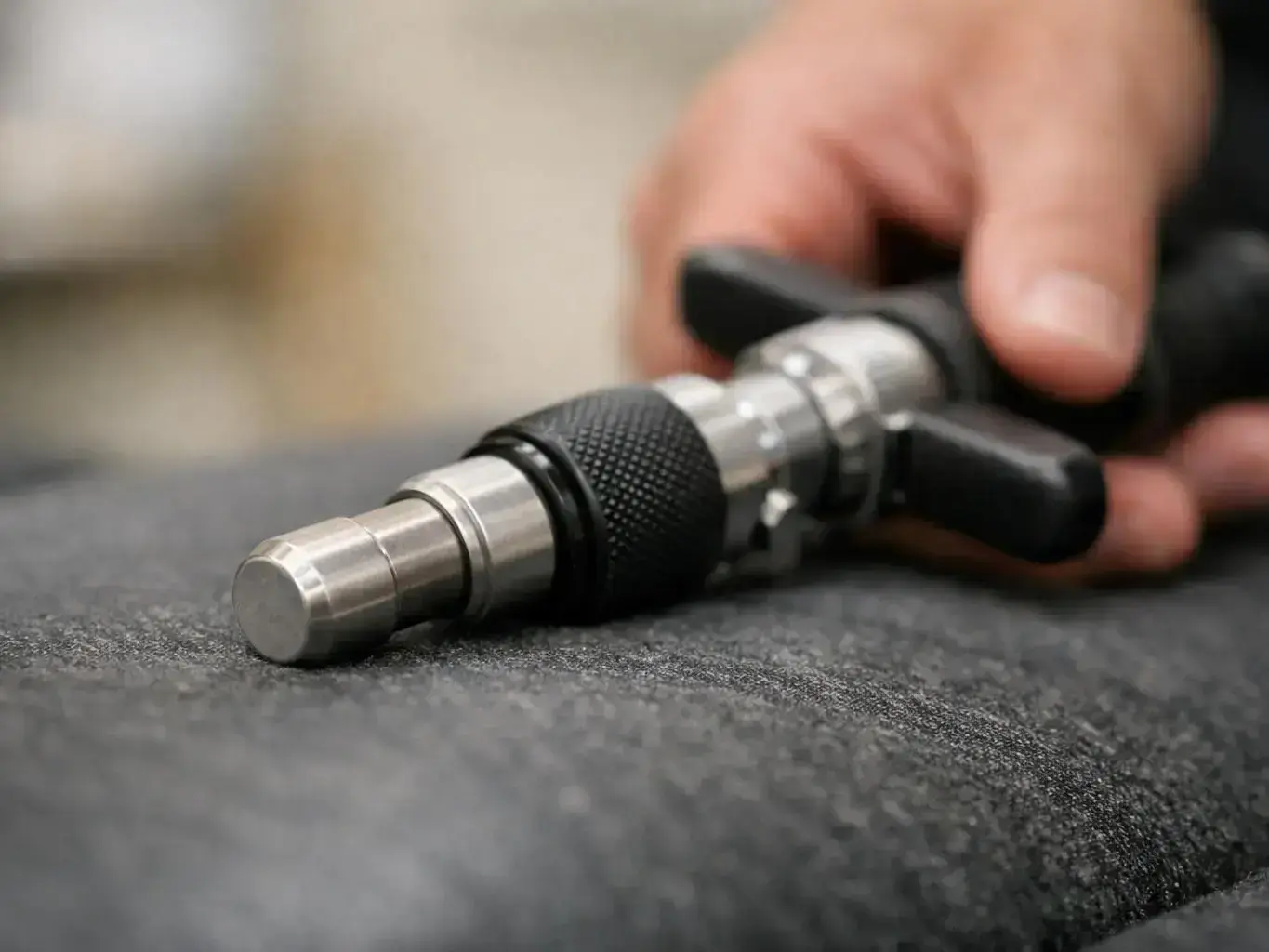
Coccyx Pain often responds well to conservative care. But persistent cases may require targeted adjustments or soft-tissue therapies to address misalignment or muscle tension in the pelvic region.
After slipping on ice and landing on her tailbone, a patient experienced sharp pain when sitting at her desk. Using a cushioned seat pad and avoiding hard surfaces reduced her discomfort within a few weeks. For lingering pain, she sought chiropractic care to help realign the coccyx and relieve tension in surrounding muscles.
Sacroiliac Joint Dysfunction is a condition where the sacroiliac joints, located where the spine meets the pelvis, become painful due to improper movement or alignment. These joints normally allow slight motion to absorb stress. But dysfunction occurs when they move too little or too much, causing lower back, hip.
Muscle Strain is an injury that occurs when muscle fibers stretch or tear due to overuse, sudden force. Or improper movement. Muscle Strains often cause pain, swelling. And limited mobility, commonly affecting the back, neck, legs. Or shoulders. They range from mild discomfort to severe tears requiring medical attention.
Ligament Sprain is an injury to a ligament—the tough, fibrous band connecting bones at a joint—caused by sudden stretching or tearing. Ligament sprains occur when a joint is forced beyond its normal range of motion, often during sports, falls. Or accidents. They typically cause pain, swelling, bruising. And difficulty moving the affected joint.
Spinal Manipulation is a hands-on treatment technique used by chiropractors and other trained healthcare providers to apply controlled force to a joint in the spine. This force helps improve spinal motion, reduce pain. And restore function by addressing stiffness, misalignments. Or nerve irritation. The procedure often produces a popping sound caused by gas releasing from the joint.
Advanced Injury Care Clinic
Contact Advanced Injury Care Clinic for practical guidance on Coccyx Pain and related chiropractor work in Hermitage.