Understanding Motion Palpation

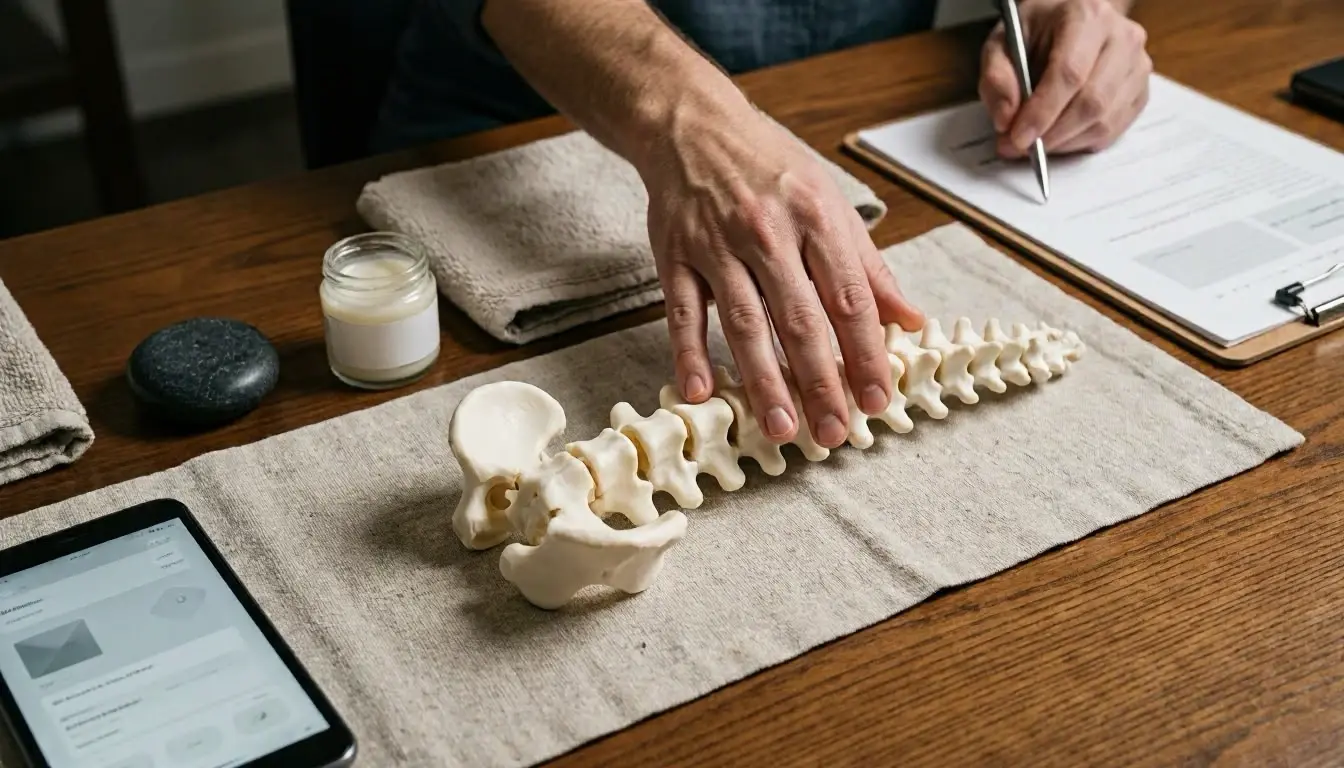
Motion Palpation is a fundamental diagnostic method in chiropractic care. Unlike static palpation, which examines joint position, motion palpation focuses on how joints move. Chiropractors use their fingers to apply light pressure to a joint while guiding it through its normal range of motion. So you can them to feel for restrictions, excessive movement. Or pain responses that may signal misalignments, inflammation. Or injury.
Related glossary terms: Chiropractic Adjustment, Spinal Manipulation, Soft Tissue Therapy.
During the procedure, the chiropractor may ask the patient to perform small, controlled movements while they monitor the joint’s behavior. For example, they might assess how vertebrae move when bending forward or rotating the spine. These observations help determine whether a joint is functioning properly or if it requires adjustment. Motion palpation is often used alongside other diagnostic tools, such as X-rays or neurological tests, to form a complete picture of the patient’s condition.
How Motion Palpation Works?
Motion palpation relies on the chiropractor’s trained sense of touch and knowledge of joint mechanics. The process begins with the patient in a relaxed position, often seated or lying down. The chiropractor places their hands on the area being examined, such as the spine, shoulders. Or hips. And gently moves the joint through its expected range of motion. They pay close attention to the quality of movement, noting any stiffness, grinding sensations. Or pain reported by the patient.
The technique is particularly useful for identifying subluxations, which are partial dislocations of joints that can interfere with nerve function. For instance, if a vertebra in the spine doesn't move smoothly during flexion or extension, it may indicate a subluxation that could benefit from a chiropractic adjustment. Motion palpation is also valuable for evaluating extremities like the knees, ankles. Or wrists, where joint dysfunction can contribute to pain or limited mobility.
While motion palpation is a hands-on technique, it's supported by anatomical knowledge and clinical experience. Chiropractors undergo extensive training to develop the sensitivity required to detect subtle movement abnormalities. This skill is honed over time, making motion palpation both an art and a science in chiropractic practice.
Why Motion Palpation Matters?
Motion palpation plays a critical role in chiropractic care because it helps identify the root cause of pain or dysfunction. Many musculoskeletal issues, such as back pain or joint stiffness, stem from improper joint movement. By pinpointing these areas, chiropractors can tailor their treatment plans to address specific problems rather than relying on generalized approaches. This targeted care often leads to faster relief and better long-term outcomes for patients.
Another key benefit of motion palpation is its ability to detect issues that may not appear on imaging studies like X-rays or MRIs. For example, a joint may appear structurally normal on an X-ray but still exhibit restricted movement during palpation. This functional insight allows chiropractors to address problems that might otherwise go unnoticed, improving the effectiveness of their care.
When Motion Palpation Matters Most?
Motion palpation is especially valuable in several scenarios. For patients experiencing acute pain, such as after a car accident or sports injury, it helps chiropractors quickly identify the source of discomfort. It is also useful for chronic conditions, like arthritis or repetitive strain injuries, where joint dysfunction may develop gradually over time. And motion palpation is a go-to tool for assessing spinal health during routine check-ups, even in the absence of symptoms.
A common issue is In Hermitage, TN, where chiropractors often treat patients recovering from auto accidents or work-related injuries, motion palpation is a key part of the diagnostic process. It allows local practitioners to develop personalized treatment plans that address the unique needs of each patient, whether they're dealing with whiplash, back pain. Or joint stiffness. By combining motion palpation with other chiropractic techniques, providers can offer full care that supports recovery and overall well-being.
- Evaluating spinal health after a car accident or fall.
- Assessing joint mobility in athletes or active individuals.
- Monitoring progress during ongoing chiropractic treatment.
- Identifying the source of chronic pain or stiffness.