Understanding Thompson Drop Technique
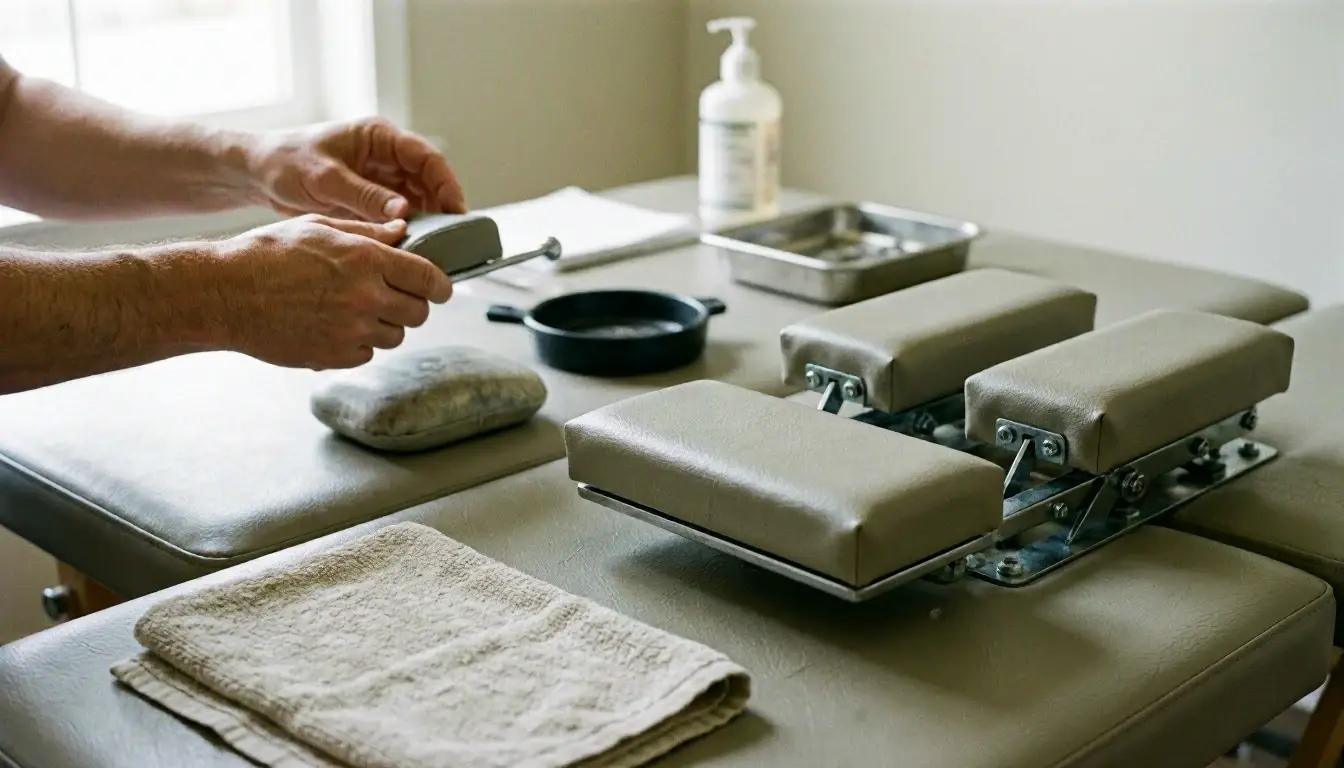
Thompson Drop Technique is a specific method used by chiropractors to adjust the spine and pelvis. Unlike traditional manual adjustments, this technique relies on a specialized chiropractic table with sections that can drop a short distance when pressure is applied. The drop mechanism helps reduce the force needed to correct misalignments, making the process more comfortable for the patient while still achieving effective results. This method is particularly useful for patients who may be sensitive to more forceful adjustments or who have conditions that require a gentler approach.
Related glossary terms: Chiropractic Adjustment, Spinal Manipulation, Gonstead Technique.
The technique was developed in the 1950s by Dr. J. Clay Thompson, a chiropractor who sought to improve the precision and efficiency of spinal adjustments. The drop table used in this technique is designed to support the body while allowing targeted movement in specific areas. When the chiropractor applies a quick thrust to a joint, the corresponding section of the table drops slightly, assisting the adjustment without requiring excessive force. This combination of manual thrust and mechanical assistance helps ensure that the adjustment is both effective and gentle.
How Thompson Drop Technique Works?
The Thompson Drop Technique involves a few key steps to ensure proper alignment. First, the chiropractor performs a thorough assessment of the patient’s spine and pelvis to identify areas of misalignment. This may include palpation (feeling the spine with the hands), range-of-motion tests. And sometimes X-rays to pinpoint specific issues. Once the misaligned joints are identified, the patient lies on the drop table, which is adjusted to target the affected area.
During the adjustment, the chiropractor applies a quick, controlled thrust to the misaligned joint. As the thrust is delivered, the section of the table beneath the targeted area drops slightly, usually by about an inch. This drop assists the adjustment by allowing the joint to move more freely, reducing the amount of force needed from the chiropractor. The dropping motion also helps to cut down on discomfort, as the patient’s body is supported by the table throughout the process. The technique is often repeated several times to ensure the joint is properly aligned.
The drop table itself is a critical component of this technique. It's designed with multiple sections that can be individually adjusted to drop when pressure is applied. Each section corresponds to a specific area of the spine or pelvis, allowing the chiropractor to target adjustments with precision. The table’s design ensures that the rest of the body remains stable while the targeted joint receives the adjustment, which helps improve the overall effectiveness of the treatment.
Why Thompson Drop Technique Matters?
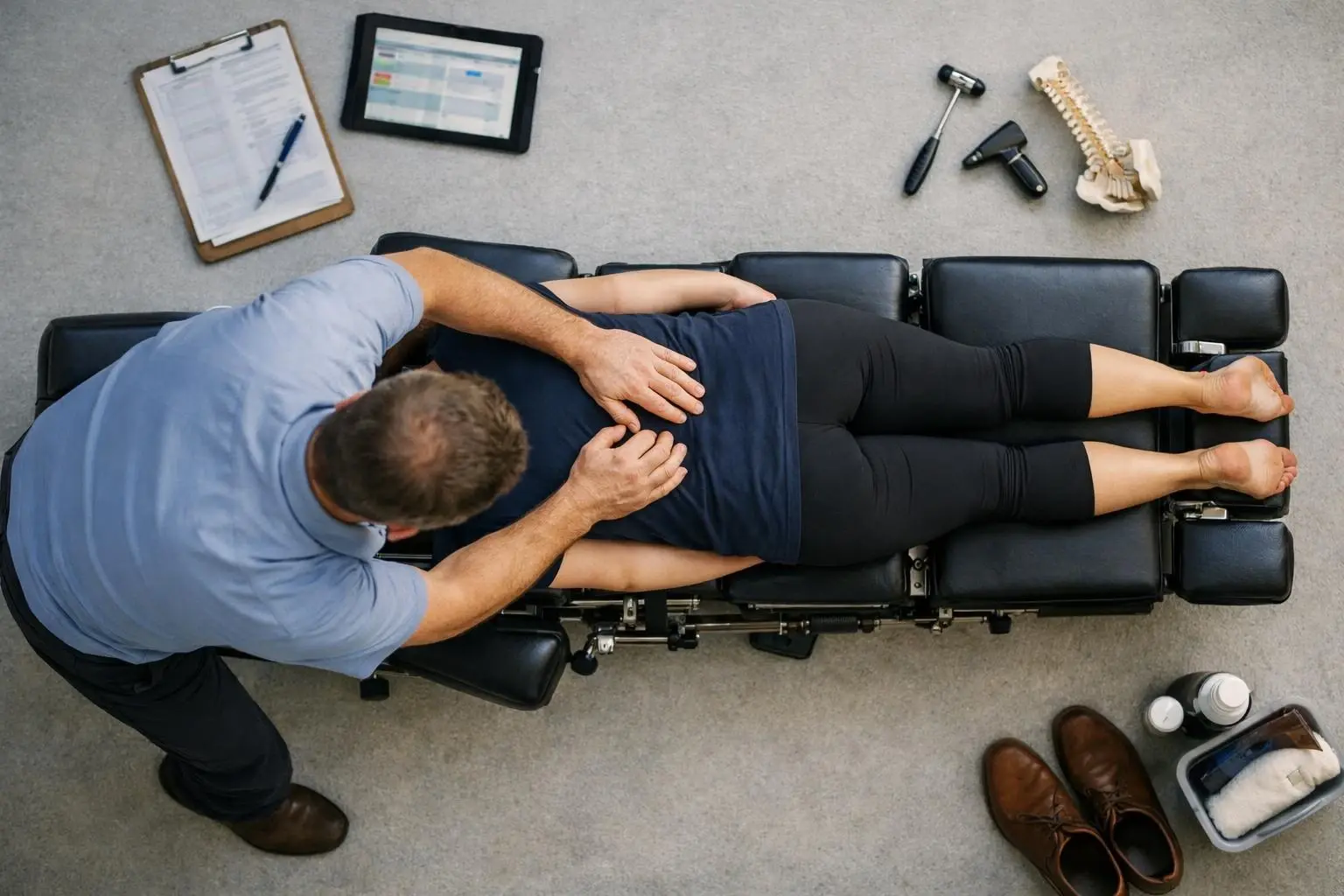
Thompson Drop Technique is valued for its ability to provide effective spinal adjustments with reduced force and discomfort. For patients who may be hesitant about traditional manual adjustments—such as those with acute pain, sensitivity. Or conditions like osteoporosis—this technique offers a gentler alternative that still delivers results. The drop mechanism helps to ensure that the adjustment is precise, targeting only the misaligned joint without putting unnecessary strain on surrounding areas. This makes the technique particularly useful for patients who require frequent adjustments or who have conditions that make forceful manipulations less suitable.
Another advantage of the Thompson Drop Technique is its efficiency. The drop table allows chiropractors to perform adjustments more quickly and with less physical strain on their own bodies. This can be especially beneficial in clinical settings where multiple patients are seen in a day. And the technique’s precision helps reduce the risk of over-adjusting or causing unintended movement in healthy joints, which can sometimes occur with more generalized adjustment methods. For these reasons, the Thompson Drop Technique is a popular choice among chiropractors and patients alike.
When Thompson Drop Technique Matters Most?
Thompson Drop Technique is particularly useful in situations where patients require gentle yet effective spinal corrections. For example, individuals recovering from injuries—such as whiplash, sports-related trauma. Or slip-and-fall accidents, often benefit from this method because it minimizes discomfort while still addressing misalignments. The technique is also commonly used for patients with chronic conditions like scoliosis, sacroiliac joint dysfunction. Or herniated discs, where repeated adjustments may be necessary to maintain alignment and reduce pain.
This technique is also a good option for patients who are new to chiropractic care and may be apprehensive about manual adjustments. The drop table’s assistance helps to ease concerns about pain or injury, making the experience more comfortable and less intimidating. And the Thompson Drop Technique is often used in conjunction with other chiropractic methods, such as soft tissue therapy or electrical muscle stimulation, to provide a full approach to spinal health. For chiropractors in Hermitage, TN, this technique is a valuable tool for addressing the diverse needs of patients, including those recovering from auto accidents or work-related injuries.
To sum up,, the Thompson Drop Technique is most beneficial when precision, comfort. And efficiency are priorities. Whether used for acute injuries, chronic conditions. Or routine maintenance, this method provides a reliable way to achieve spinal alignment without excessive force. Its versatility makes it a staple in many chiropractic practices, including those serving communities like Hermitage, TN, where patients seek safe and effective care for a variety of musculoskeletal issues.